Unpacking Cognitive Profiles: Flat-Coated Retriever vs. Petit Basset Griffon Vendéen
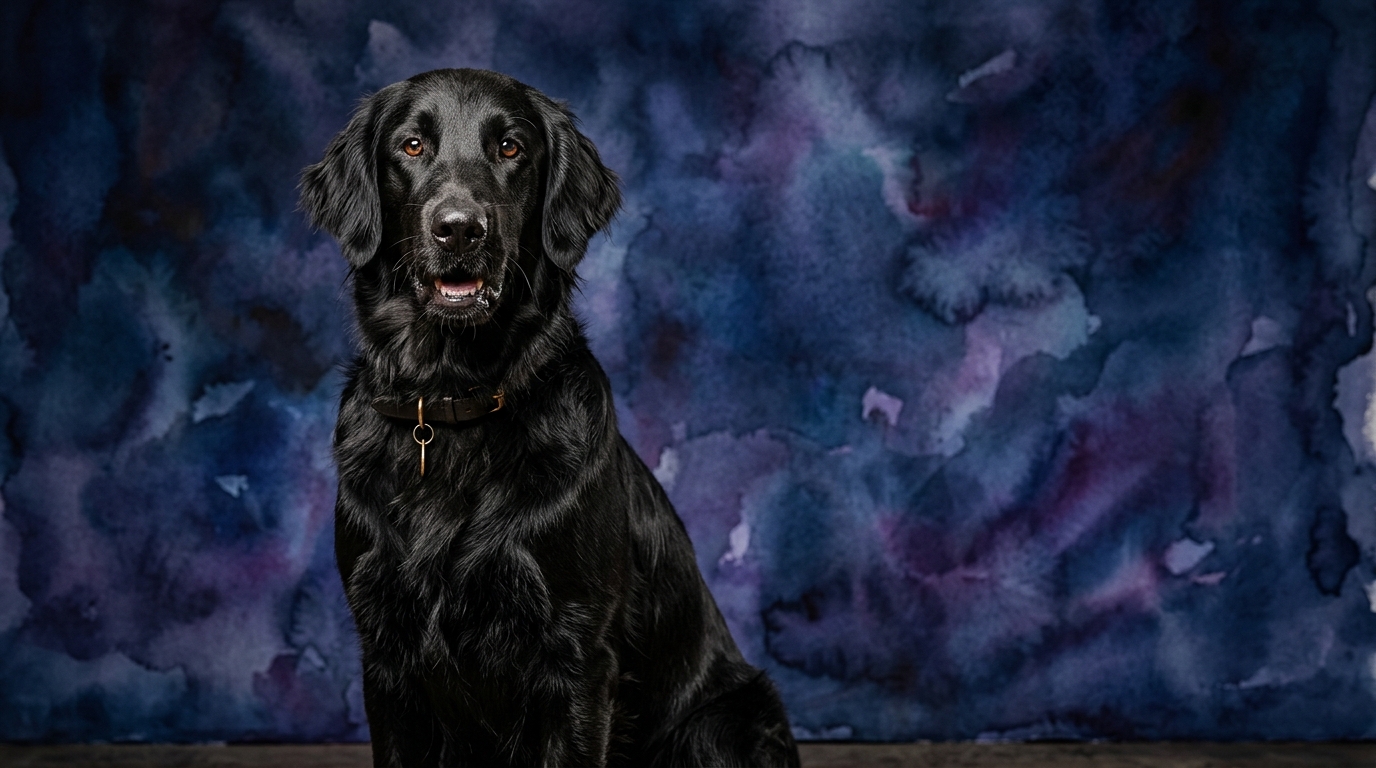
The Cosmic Pet Pet IQ Lab employs a five-dimensional framework to assess canine intelligence, offering a nuanced view beyond simple rankings. For the Flat-Coated Retriever, a breed steeped in the sporting tradition and holding a notable Coren rank of #17, its profile reveals strong cognitive aptitudes: Problem Solving (4/5), Training Speed (4/5), Social Intelligence (3/5), Instinctive Drive (3/5), and an exceptional Memory (5/5). This combination paints a picture of a dog built for purpose and partnership.
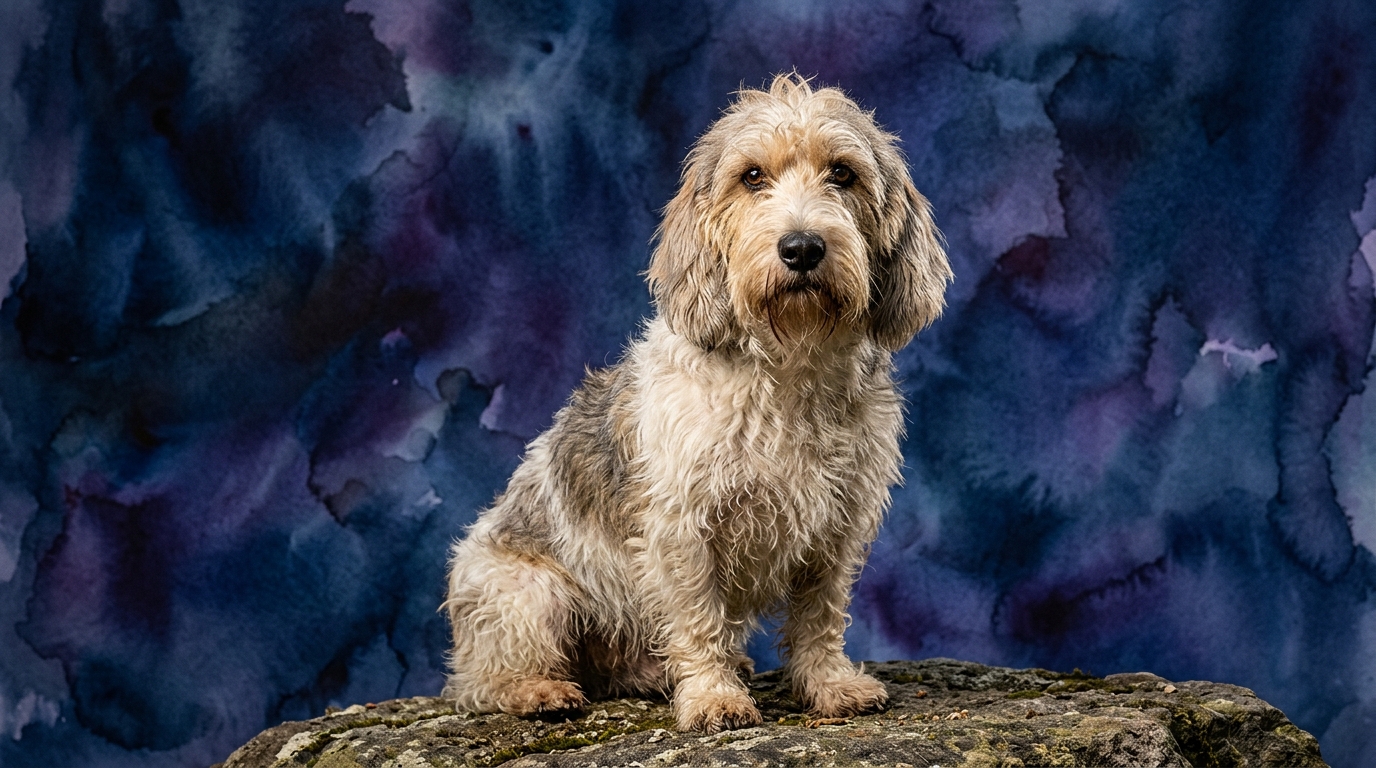
In contrast, the Petit Basset Griffon Vendéen, a charming hound breed not included in the Coren ranking system, presents a different cognitive landscape. Its scores are consistently moderate across the board: Problem Solving (3/5), Training Speed (3/5), Social Intelligence (3/5), Instinctive Drive (3/5), and Memory (3/5). These scores reflect a breed whose cognitive strengths are specialized for its original role, emphasizing tenacity and sensory perception over complex obedience or rapid learning in traditional settings.
Where the Flat-Coated Retriever's Cognition Excels
The Flat-Coated Retriever's cognitive profile showcases several areas of clear strength. Its outstanding Memory (5/5) means it can retain complex sequences of commands, routines, and experiences with remarkable ease. This translates into a dog that remembers where specific items are located, recalls intricate retrieval patterns, or consistently executes multi-step obedience routines even after long breaks. This superior retention makes advanced training and consistent performance more achievable.
Coupled with its Problem Solving score of 4/5, the Flat-Coated Retriever demonstrates a significant capacity to adapt to novel situations and figure out solutions independently. Whether it's navigating a new agility course, understanding the mechanics of a complex puzzle toy, or devising a strategy to access a desired object, the Flat-Coat often exhibits a thoughtful approach. This cognitive flexibility, combined with its 4/5 Training Speed, allows it to grasp new concepts quickly and apply learned behaviors efficiently across various contexts, making it a highly adaptable and versatile companion.
Where the Petit Basset Griffon Vendéen's Cognitive Traits Shine
While the Petit Basset Griffon Vendéen's scores are generally moderate, its cognitive profile is perfectly attuned to its heritage as a tenacious scent hound. Its Instinctive Drive, rated at 3/5, is on par with the Flat-Coated Retriever, but the *application* of this drive is where the PBGV truly shines. This score reflects an unwavering focus and persistent determination when engaged in activities aligned with its breed purpose, particularly scent work. A PBGV's ability to lock onto a scent trail and follow it relentlessly, disregarding other distractions, is a testament to its specialized problem-solving within its sensory domain.
The PBGV's moderate Social Intelligence (3/5), also matching the Flat-Coated Retriever, means it is generally amicable and enjoys companionship without being overly reliant or demanding constant interactive mental stimulation. This blend allows the PBGV to be affectionate and involved with its family while retaining an independent streak. Its cognitive strengths lie in its sensory processing and physical endurance, enabling it to excel in tasks that require sustained focus on scent, rather than complex, human-directed cognitive puzzles. This specialized intelligence, while not reflected in high scores for traditional obedience, is a distinct advantage for its role as a hunting companion.
Training Dynamics: Flat-Coated Retriever vs. Petit Basset Griffon Vendéen
When it comes to training, the differences in their cognitive profiles become particularly apparent. The Flat-Coated Retriever, with its Training Speed of 4/5 and Memory of 5/5, typically proves to be a highly responsive and eager student. These dogs are generally motivated to please their owners, quickly pick up new commands, and reliably retain what they've learned over time. Their enthusiasm for engagement makes them excellent candidates for obedience, agility, and other dog sports where precision and consistency are key. Owners often find that Flat-Coats thrive on positive reinforcement and clear, consistent communication, readily integrating new behaviors into their repertoire.
The Petit Basset Griffon Vendéen, with its 3/5 scores in both Training Speed and Memory, requires a different approach. While capable of learning, the PBGV's strong instinctive drive, particularly for scent, can present a significant challenge. These dogs often follow their nose first, and human commands second, demanding owners to be incredibly patient, consistent, and creative with their training methods. What might be perceived as 'stubbornness' is often a dog deeply engrossed in its natural hound instincts. Training a PBGV requires understanding their motivations, utilizing high-value rewards, and often incorporating scent games into their routine to channel their natural drives effectively. Recall, in particular, can be a lifelong endeavor due to their independent nature and the powerful allure of a good scent.
Lifestyle Compatibility: Active Engagement vs. Spirited Independence
The cognitive differences between these breeds also dictate their suitability for various owner lifestyles. The Flat-Coated Retriever, with its high scores in problem-solving, training speed, and memory, absolutely thrives on active mental and physical engagement. These dogs need a 'job,' whether it's retrieving, participating in dog sports like agility or flyball, or engaging in complex interactive play and puzzle toys. An FCR that lacks sufficient mental stimulation may become bored, leading to undesirable behaviors. They are best suited for active owners who are prepared to dedicate significant time daily to training, exercise, and interactive companionship, fostering a true partnership.
The Petit Basset Griffon Vendéen, while certainly physically active due to its hound heritage, doesn't demand the same *type* of complex mental stimulation as an FCR. They require regular, robust exercise, ideally with opportunities to explore scents in a safe, fenced area. However, their mental stimulation often comes from engaging their powerful noses rather than solving intricate puzzles. Their independent nature means they can be content with less constant direct interaction than an FCR, provided their physical and olfactory needs are met. PBGVs are well-suited for owners who appreciate a spirited, independent companion that enjoys outdoor adventures and doesn't require constant, structured intellectual games, but who are also prepared for their hound's persistent curiosity and strong prey drive.
The Verdict
Choose the Flat-Coated Retriever if you seek an active, engaged companion eager to learn complex tasks, participate in dog sports, and thrive on consistent mental and physical challenges. Its exceptional memory and problem-solving make it a highly versatile and responsive partner for dedicated owners.
Opt for the Petit Basset Griffon Vendéen if you appreciate a spirited, independent companion with a strong sense of smell, requiring consistent but patient training, and offering affectionate companionship without demanding constant intellectual games. Its hound nature means it excels in activities involving scent and robust outdoor adventures.
🧠 Find Your Pet's IQ Score
Our Pet IQ Lab assessment covers 25+ tests across 5 cognitive dimensions — personalized to your breed.
Take the Full IQ Test →Frequently Asked Questions
Is the Flat-Coated Retriever truly smarter than the Petit Basset Griffon Vendéen?
Based on our IQ dimensions, the Flat-Coated Retriever generally exhibits higher scores in areas like problem-solving, training speed, and memory. However, the PBGV possesses a specialized instinctive intelligence crucial for its hound work, focusing on scent detection and tenacious pursuit, which is a different form of cognitive strength.
How does the PBGV's 'not Coren-ranked' status impact its perceived intelligence?
The Coren ranking primarily assesses trainability and obedience, which aligns with the Flat-Coated Retriever's higher scores in training speed and memory. The PBGV's independent hound nature and focus on scent rather than immediate human command can mean it doesn't fit neatly into such rankings, reflecting a different type of cognitive specialization rather than a lack of intelligence.
Do Flat-Coated Retrievers require more mental stimulation than PBGVs?
Yes, Flat-Coated Retrievers, with their higher problem-solving and memory scores, typically require more structured mental stimulation through training, puzzle toys, and engaging activities to prevent boredom. PBGVs are stimulated by scent work and physical exploration, but less so by complex, human-directed cognitive tasks.