Side-by-Side IQ Profile
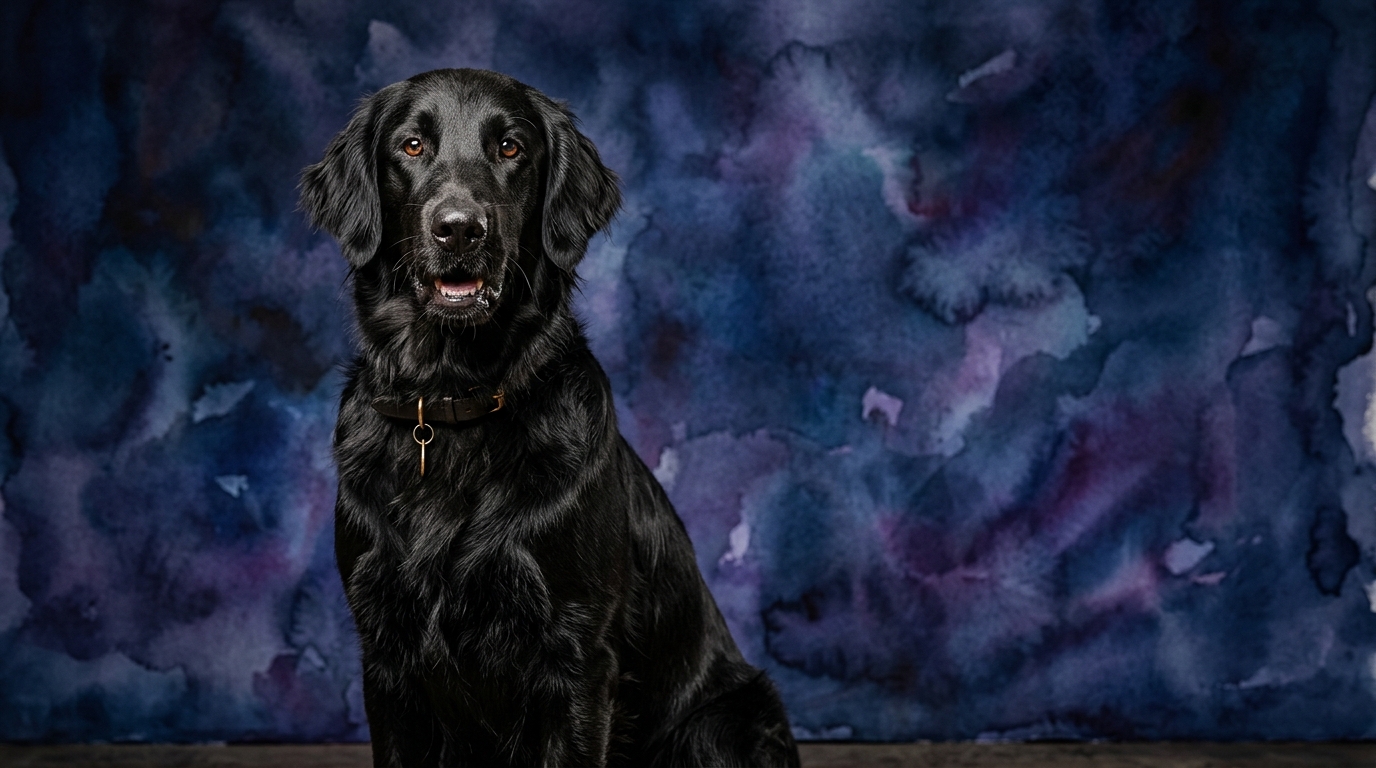
The Cosmic Pet Pet IQ Lab assesses canine intelligence across five key dimensions, offering a nuanced view of each breed's cognitive strengths. For the Flat-Coated Retriever (Sporting group, Coren rank #17), the scores reflect a dog optimized for collaborative work and consistent performance. Their Problem Solving is rated 4/5, indicating a strong capacity for figuring out complex tasks, particularly those involving retrieving objects from varied environments or navigating obstacles to reach a goal; their approach often involves trial-and-error combined with a quick grasp of cause and effect. Training Speed is 4/5, as Flat-Coats typically learn new commands and routines with impressive alacrity, their eagerness to please and focus on handler cues contributing to a relatively fast acquisition of skills. Social Intelligence scores 3/5, meaning while generally affable and attentive to their human families, their social intelligence leans towards engaging with familiar individuals and can sometimes be less nuanced in interpreting subtle social cues from strangers or other animals. Instinctive Drive is 3/5, primarily centered around retrieving, stemming from its heritage as a bird dog, manifesting as a strong desire to fetch, carry, and work collaboratively with a handler. Finally, Memory is 5/5, showcasing exceptional retention for learned commands, routines, and the locations of objects, making them reliable partners in repeated activities.
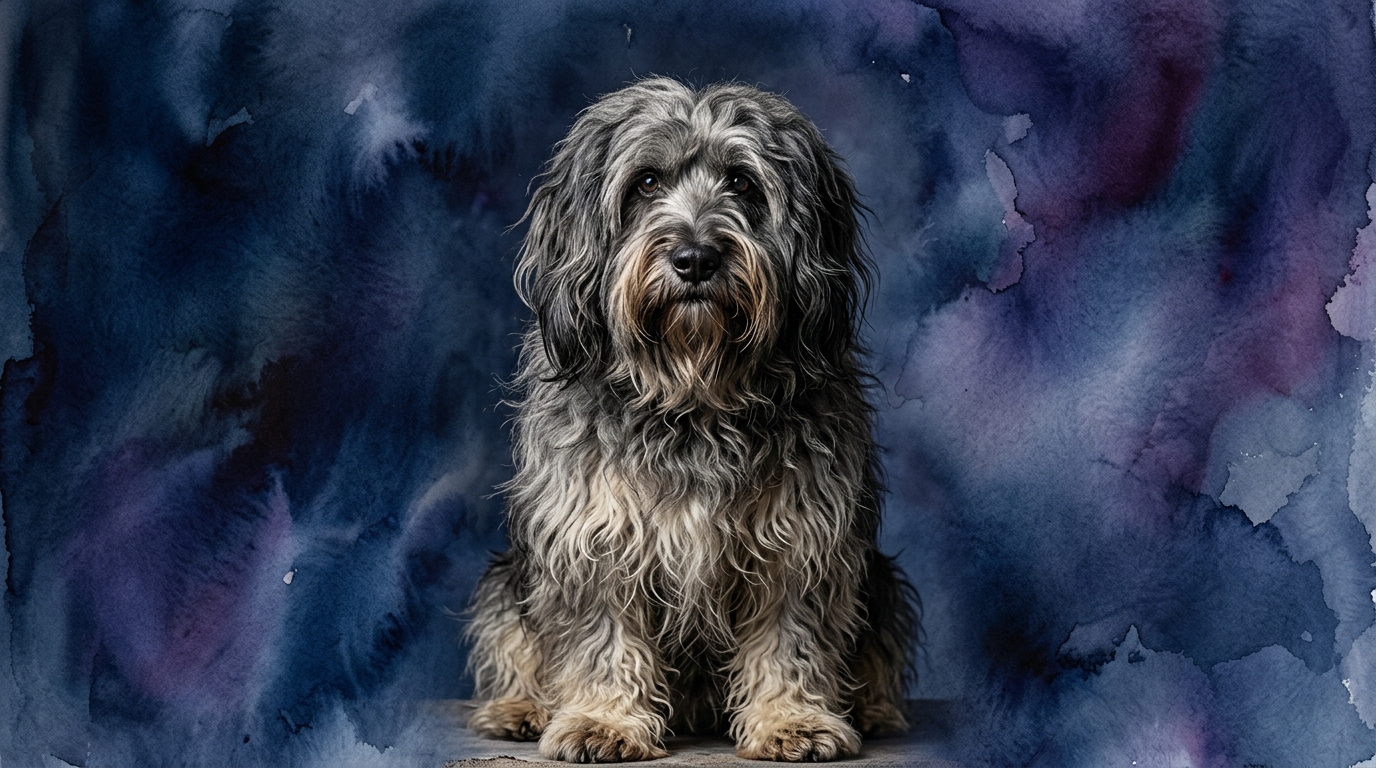
The Polish Lowland Sheepdog (Herding group, not Coren-ranked) presents a different cognitive blueprint, reflecting its heritage as an independent livestock guardian and herder. Their Problem Solving is rated 3/5, demonstrating practical skills, often related to managing a flock or navigating their environment; their approach can be more independent and less reliant on human direction, sometimes involving creative, self-directed solutions to perceived challenges. Training Speed is 3/5, indicating these sheepdogs learn at a moderate pace, often requiring more repetition and patient guidance than some other breeds, as their independent nature means they might ponder a command before complying. Social Intelligence is 3/5, a nuanced capacity particularly within their family unit, where they can be reserved with strangers, observing situations carefully before engaging, and preferring established relationships. Instinctive Drive is 3/5, rooted in herding, manifesting as a desire to gather, control, and protect, which can translate into a need to 'manage' their human family members or other pets. Memory scores 3/5, a solid, functional capacity for routines, learned boundaries, and significant events, though their recall might not be as expansive or quick as breeds with higher scores, especially for arbitrary commands without clear purpose.
Where Flat-Coated Retriever Wins Cognitively
The Flat-Coated Retriever's cognitive strengths shine particularly in its superior Memory (5/5) and robust Problem Solving (4/5) abilities. Their capacity to recall intricate patterns, retrieve specific items from memory, and learn complex sequences of actions is a clear advantage, making them exceptionally consistent in performance. Furthermore, their adeptness at logically navigating new obstacles or understanding cause-and-effect relationships in structured training scenarios surpasses the Polish Lowland Sheepdog's often more independently-minded approach. This translates into a dog that can quickly understand and execute multi-step commands, reliably remember past lessons, and adapt efficiently to structured learning environments, especially when working in partnership with a handler.
Where Polish Lowland Sheepdog Wins Cognitively
While the Polish Lowland Sheepdog's scores might appear lower in some categories, its cognitive profile reflects a different kind of strength, particularly in its independent decision-making within its instinctive drive (3/5). Unlike the Flat-Coat's collaborative focus, the Polish Lowland Sheepdog's problem-solving (3/5) often involves a self-directed assessment of situations, particularly those requiring vigilance or management of 'flock' members. This breed exhibits a unique practical intelligence, making autonomous choices based on its perception of necessity rather than solely waiting for a handler's cue. Its social intelligence (3/5), while appearing similar numerically, often involves a more reserved, observational approach, allowing it to discern subtle environmental shifts and react with a thoughtful, self-reliant response, which can be invaluable in specific guarding or herding contexts.
Which Is Easier to Train and Why
The Flat-Coated Retriever generally presents as the easier breed to train, primarily due to its higher Training Speed (4/5) and exceptional Memory (5/5). These dogs possess an inherent desire to work cooperatively with their handlers, coupled with an eagerness to please and a quick grasp of new concepts. They absorb commands rapidly and retain them for extended periods, making consistent progress in training sessions. Their focus on the handler's cues and reward systems means they are often more compliant and less prone to independent interpretation of tasks, making them responsive to positive reinforcement and clear instructions.
In contrast, the Polish Lowland Sheepdog (Training Speed 3/5, Memory 3/5) requires a more patient and understanding approach. Their strong independent nature, a hallmark of herding breeds, means they often evaluate commands before responding, sometimes weighing a command's immediate value or necessity against their own self-directed motivations. They are capable of learning, but their willingness to comply can be influenced by their perception of a command's utility. Training a Polish Lowland Sheepdog often involves appealing to their sense of purpose and consistency, rather than relying solely on rapid repetition, and understanding their need for a reason behind the command.
Which Suits Active Owners vs. Relaxed Owners
For active owners seeking a highly engaged and cooperative companion, the Flat-Coated Retriever is often the more suitable choice. Their strong instinctive drive (3/5) for retrieving and working, combined with their excellent problem-solving (4/5) and training speed (4/5), means they thrive on regular physical activity and mental challenges. Owners who enjoy dog sports, long hikes, or consistent training regimens will find the Flat-Coat to be an enthusiastic and willing partner, eager to participate in demanding activities. Their high memory (5/5) also makes them ideal for learning complex routines in activities like obedience or agility, making them excellent partners for a dynamic lifestyle.
Relaxed owners might find the Polish Lowland Sheepdog to be a more nuanced match. While they are energetic and require regular exercise to prevent boredom, their independent nature and herding drive (3/5) mean they might not always be seeking constant, directed interaction in the same way a Flat-Coat does. They appreciate routine and mental stimulation but their activity often involves patrolling their environment or engaging in self-directed play. Owners who value a dog with a thoughtful, sometimes reserved demeanor, and who are prepared to engage in consistent, but perhaps less frenetic, activity will find a rewarding companion in the Polish Lowland Sheepdog, understanding their need for purpose-driven engagement rather than constant entertainment.
The Verdict
Choose the Flat-Coated Retriever if you seek a highly trainable, cooperative partner with exceptional memory for complex tasks and a joyful approach to structured activities. They excel with active owners who enjoy consistent engagement and dog sports.
Opt for the Polish Lowland Sheepdog if you appreciate an independent, thoughtful companion with a practical, self-directed problem-solving style and a vigilant nature. They thrive with patient owners who understand their herding instincts and provide consistent, purposeful interaction.
🧠 Find Your Pet's IQ Score
Our Pet IQ Lab assessment covers 25+ tests across 5 cognitive dimensions — personalized to your breed.
Take the Full IQ Test →Frequently Asked Questions
Is a Flat-Coated Retriever good for first-time dog owners?
Flat-Coated Retrievers can be a good fit for first-time owners who are prepared for their energy levels and commitment to consistent training. Their eagerness to learn and strong desire to please make the training process generally smoother, but their significant need for mental and physical stimulation must be met.
Do Polish Lowland Sheepdogs bark a lot?
Polish Lowland Sheepdogs can be prone to barking due to their watchful herding instincts, particularly when alerting to perceived threats or changes in their environment. Early training and socialization are crucial to manage this behavior, guiding them to differentiate between actual concerns and routine occurrences.
Which breed is better with children?
Both breeds can be excellent with children when properly socialized and trained, but their approaches differ. Flat-Coated Retrievers are generally more overtly playful and tolerant, while Polish Lowland Sheepdogs might be more reserved initially but become protective and watchful of their family 'flock'. Supervision is always recommended with any dog and child interaction.