Side-by-Side Cognitive Profile: Flat-Coated Retriever vs. Tibetan Terrier
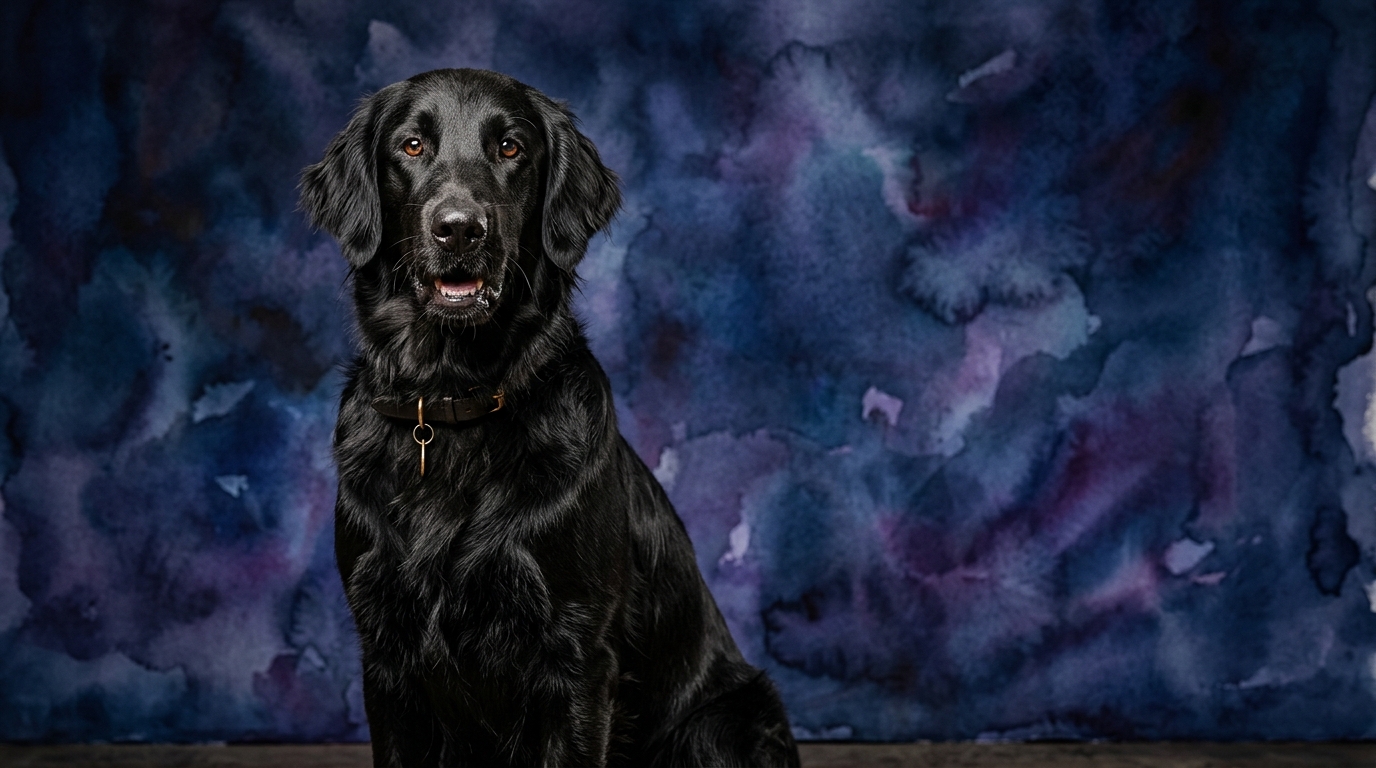
Our Pet IQ Lab scores offer a granular view into the cognitive makeup of these two fascinating breeds. The Flat-Coated Retriever, a member of the Sporting Group, exhibits a Coren rank of #17, indicating a capacity for understanding new commands quickly and performing them reliably. Its cognitive breakdown includes Problem Solving 4/5, Training Speed 4/5, Social Intelligence 3/5, Instinctive Drive 3/5, and Memory 5/5. These scores paint a picture of a dog that not only learns with enthusiasm but also retains information effectively and possesses a strong drive to engage with its environment and tasks.
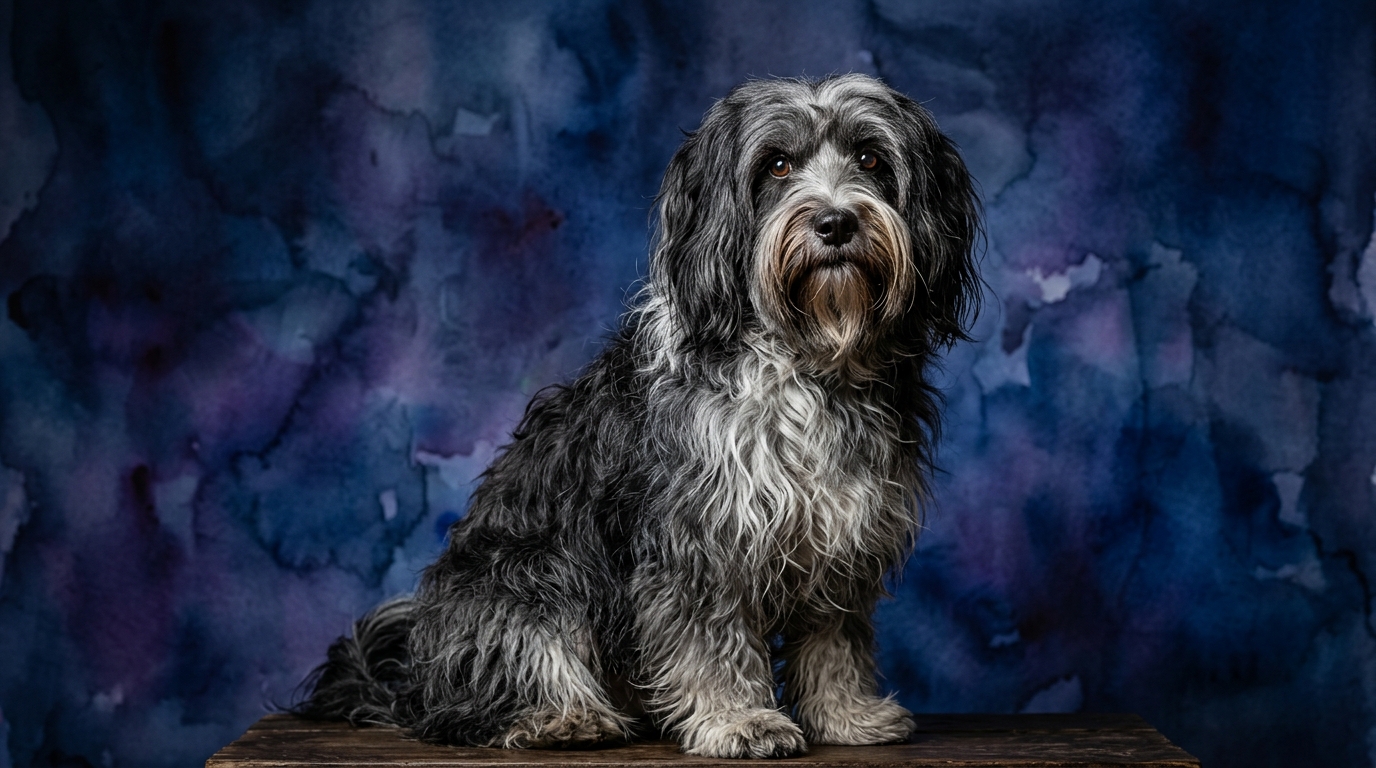
In contrast, the Tibetan Terrier, hailing from the Non-Sporting Group, holds a Coren rank of #63. This rank suggests a dog that requires more repetition to grasp new commands and may respond with less consistency than its Sporting counterpart. Its individual cognitive dimensions are Problem Solving 3/5, Training Speed 3/5, Social Intelligence 3/5, Instinctive Drive 3/5, and Memory 3/5. While its scores are generally more moderate, they reflect a balanced cognitive profile that points to a different set of strengths and an independent streak that defines its character.
Where the Flat-Coated Retriever's Cognition Excels
The Flat-Coated Retriever demonstrates clear cognitive advantages, particularly in areas related to learning efficiency and retention. With a Problem Solving score of 4/5, these dogs are adept at navigating complex situations, such as figuring out how to retrieve an object from an unusual spot or understanding multi-step commands. This isn't just about following instructions; it's about applying previous learning to novel challenges with a strategic approach. Their superior problem-solving often manifests as an eagerness to engage with puzzles and interactive toys, displaying patience and persistence until a solution is found.
Their Training Speed, also at 4/5, means Flat-Coats are often quick studies, picking up new cues and routines with fewer repetitions than many other breeds. This rapid assimilation of information makes them highly responsive to positive reinforcement methods and a joy to train for various activities, from basic obedience to advanced canine sports. Furthermore, their exceptional Memory score of 5/5 means that once a lesson is learned, it tends to stick. This robust memory ensures that commands and learned behaviors are retained over long periods, minimizing the need for constant refreshers and building a strong, reliable behavioral foundation.
Unique Cognitive Strengths of the Tibetan Terrier
While the Tibetan Terrier's individual cognitive scores may not reach the same peaks as the Flat-Coated Retriever, its specific blend of traits offers unique advantages, particularly for owners seeking a companion with a distinct cognitive temperament. Its Problem Solving score of 3/5, though moderate, indicates a capacity for independent thought. Tibetan Terriers often approach challenges with a certain self-reliance, sometimes preferring to figure things out on their own rather than immediately looking to their human for guidance. This can result in clever, albeit sometimes unconventional, solutions to everyday dilemmas, reflecting a resourceful mind.
The Tibetan Terrier's balanced Instinctive Drive (3/5) and Social Intelligence (3/5), both on par with the Flat-Coat, contribute to its well-rounded cognitive character. Their moderate drive means they possess enthusiasm for engagement without the intense, singular focus on retrieving or working tasks that might characterize some sporting breeds. This allows their social intelligence to shine in a more adaptable context, making them sensitive and attentive companions who understand human emotions and social cues without being overly dependent or demanding. Their cognitive profile suggests a dog that is present, observant, and capable of making independent judgments within a family structure, offering a companionship that blends affection with a charming self-possession.
Ease of Training: Flat-Coated Retriever vs. Tibetan Terrier
When it comes to ease of training, the Flat-Coated Retriever generally presents a more straightforward experience for most owners. Their Training Speed of 4/5 means they grasp new commands quickly, often with just a handful of repetitions. This rapid learning, combined with their 4/5 Problem Solving and 5/5 Memory, allows them to build a broad repertoire of behaviors and respond reliably across various situations. Flat-Coats typically possess a strong desire to please and a natural enthusiasm for engaging with their handlers, which further streamlines the training process, making them highly receptive to consistent, positive reinforcement methods.
The Tibetan Terrier, with its Training Speed of 3/5, requires a more patient and consistent approach to training. While capable of learning, they may take more repetitions to solidify new commands and might not always offer the same immediate enthusiasm for compliance. Their moderate Problem Solving score of 3/5 suggests they can think for themselves, which can sometimes manifest as a charming stubbornness or a preference to weigh options before acting. Owners of Tibetan Terriers will find success by employing engaging, reward-based techniques, keeping sessions short and fun, and understanding that consistency over time is key to building a strong foundation of learned behaviors.
Matching Cognitive Profiles to Owner Lifestyles
The Flat-Coated Retriever's cognitive profile makes it an ideal companion for active owners who relish engagement and outdoor adventures. Their 3/5 Instinctive Drive, coupled with high Problem Solving and Memory, means they thrive on having a purpose, whether it's retrieving, participating in agility, or accompanying their humans on long hikes. These dogs require mental stimulation as much as physical exercise to prevent boredom, making them suited for individuals or families who can dedicate time to training, dog sports, or challenging interactive play. They are partners in activity, always ready for the next task or exploration.
The Tibetan Terrier, with its balanced cognitive scores, is well-suited for owners who appreciate a companion with a moderate activity level and an independent spirit. Their 3/5 Instinctive Drive means they enjoy regular walks and playtime but may not demand the same intensity or duration of activity as a Flat-Coat. Their Social Intelligence (3/5) and independent Problem Solving (3/5) suggest they are attentive to their family while also being content to entertain themselves or observe their surroundings. They suit owners who enjoy a dog that is affectionate yet not overly demanding, capable of being a lively companion for walks and a relaxed presence at home, thriving on consistent interaction and mental enrichment without the need for constant, high-energy tasks.
The Verdict
Choose the Flat-Coated Retriever if you seek an enthusiastic, highly trainable partner for active pursuits and complex learning, appreciating its rapid grasp of concepts and strong memory.
Choose the Tibetan Terrier if you desire a charmingly independent companion with a balanced drive, who offers unique problem-solving approaches and thrives on consistent, patient engagement without demanding intense, task-oriented activity.
🧠 Find Your Pet's IQ Score
Our Pet IQ Lab assessment covers 25+ tests across 5 cognitive dimensions — personalized to your breed.
Take the Full IQ Test →Frequently Asked Questions
Do Flat-Coated Retrievers require a lot of mental stimulation?
Yes, with their high Problem Solving (4/5) and Memory (5/5), Flat-Coated Retrievers thrive on mental challenges. They benefit greatly from puzzle toys, advanced obedience training, and engaging activities that utilize their cognitive capabilities to prevent boredom.
Are Tibetan Terriers difficult to train due to their independence?
Tibetan Terriers (Training Speed 3/5) can be more independent than some breeds, requiring patience and consistency in training. Their unique problem-solving approach means they respond best to positive reinforcement and engaging methods that make learning a fun, collaborative experience.
Which breed is better for a first-time dog owner?
For a first-time owner, the Flat-Coated Retriever's eagerness to learn and higher training speed might offer a more forgiving experience. However, an owner committed to consistent, positive training can certainly succeed with a Tibetan Terrier, especially if they appreciate an independent spirit.