Side-by-Side Cognitive Profiles
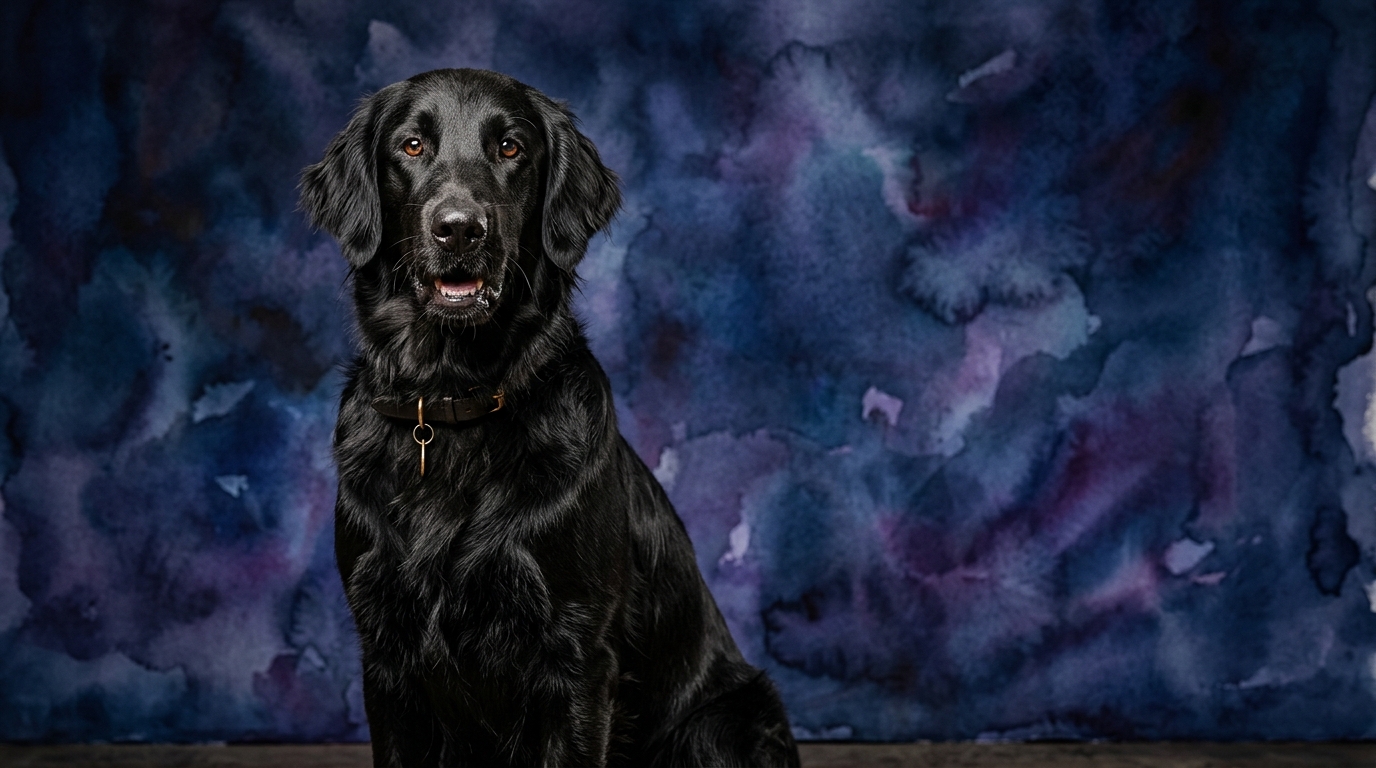
The Flat-Coated Retriever, a member of the Sporting group and Coren rank #17, presents a balanced and robust cognitive profile tailored for its retrieving tasks. Its Problem Solving is rated 4/5, indicating a strong capacity to figure out complex scenarios, such as navigating varied terrain to retrieve game or solving environmental puzzles. Training Speed also scores 4/5, meaning it absorbs new commands and routines with commendable efficiency, though it might require consistent reinforcement. Social Intelligence sits at 3/5, reflecting a good understanding of human cues and a capacity for strong bonds, without being exceptionally attuned to subtle human emotional shifts. Instinctive Drive is 3/5, a moderate yet purposeful drive rooted in its heritage, manifesting as a desire to fetch, carry, and explore. Finally, its Memory is an exceptional 5/5, crucial for retaining learned behaviors, command sequences, and the precise locations of retrieve targets over time.
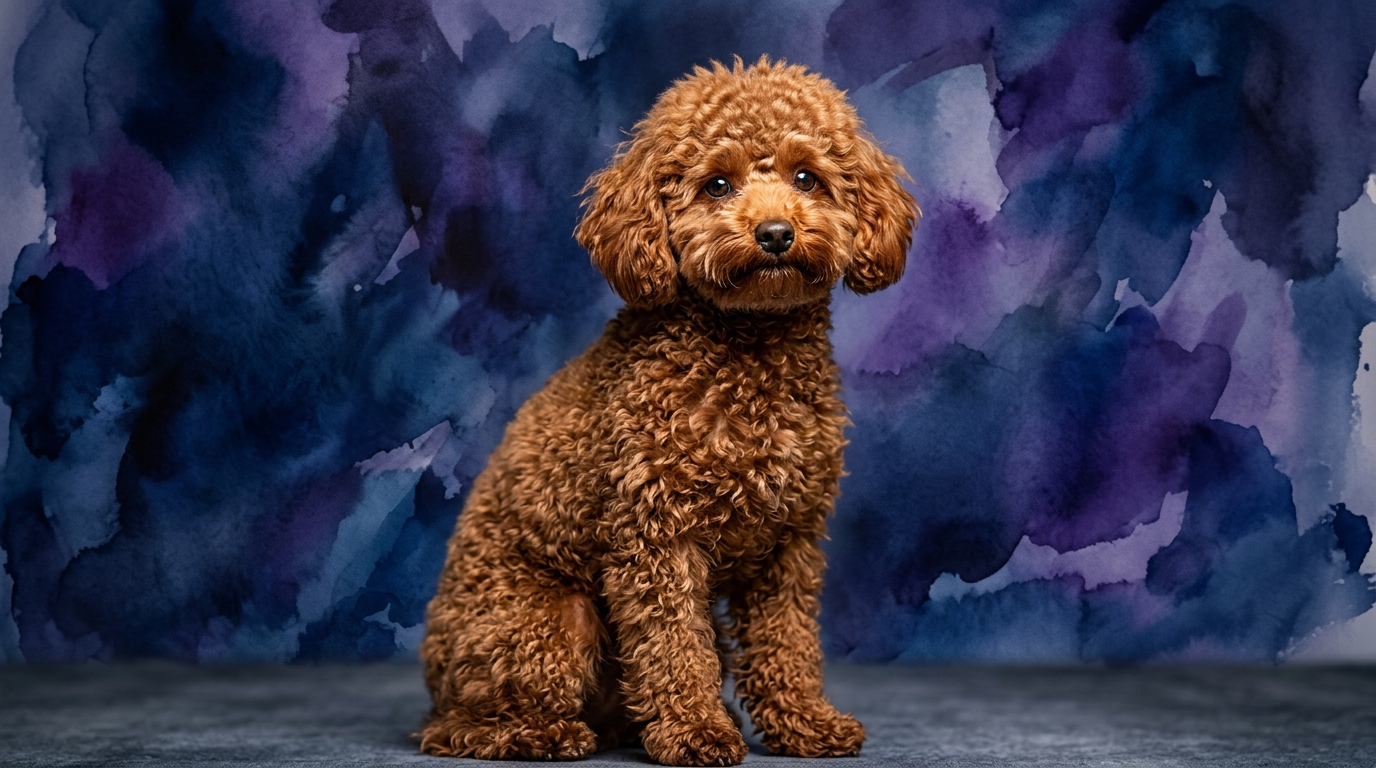
In contrast, the Toy Poodle, a member of the Toy group and a remarkable Coren rank #2, showcases a truly formidable cognitive architecture. It boasts perfect 5/5 scores in both Problem Solving and Training Speed, signifying an extraordinary ability to rapidly devise solutions to novel challenges and absorb new information with minimal repetition. Its Social Intelligence, like the Flat-Coat, is 3/5, indicating good responsiveness to human interaction without an exaggerated sensitivity to nuanced social cues. Instinctive Drive is also 3/5, a moderate drive often expressed through curiosity and an eagerness for learned play, rather than strong prey or herding instincts. The Toy Poodle mirrors the Flat-Coat's excellence in Memory, also scoring 5/5, allowing it to reliably retain a vast repertoire of tricks, commands, and routines for extended periods.
Where the Flat-Coated Retriever Excels Cognitively
While the Toy Poodle might edge out in raw problem-solving speed, the Flat-Coated Retriever's cognitive strengths shine particularly brightly when integrated with its physical capabilities and purpose-bred instincts. Its 4/5 Problem Solving, combined with its robust physique and moderate 3/5 Instinctive Drive, equips it uniquely for practical, physically demanding problem-solving in dynamic outdoor environments. Imagine a Flat-Coat figuring out the most efficient path through dense undergrowth to retrieve a distant object, a task requiring not just mental mapping but also physical endurance and determination. This breed's intelligence is often expressed through sustained, goal-oriented effort in real-world scenarios.
Furthermore, the Flat-Coat's exceptional 5/5 Memory is not just about remembering tricks; it’s about recalling complex scent trails, the exact spot a bird fell in a vast field, or navigating a multi-stage retrieve sequence. This application of memory, deeply intertwined with its working heritage, allows it to leverage its cognitive power in ways that demand physical persistence and environmental awareness, perhaps less suited to a smaller, less driven breed. Its cognitive profile is intrinsically linked to its ability to perform sustained, complex tasks in diverse and challenging settings, where a combination of brain and brawn is paramount.
Where the Toy Poodle Demonstrates Superiority
The Toy Poodle's perfect 5/5 scores in Problem Solving and Training Speed solidify its position as a cognitive standout, particularly in areas of abstract learning and rapid skill acquisition. This breed's mental agility allows it to grasp complex concepts and execute them flawlessly with remarkable efficiency. Whether it's mastering advanced obedience routines, learning intricate sequences of tricks, or excelling in fast-paced dog sports like agility, the Toy Poodle's capacity for quick understanding and precise execution is unparalleled.
Its ability to quickly analyze novel situations and devise effective solutions makes it a marvel in puzzle-solving, often figuring out new toys or challenges with surprising speed. This rapid cognitive processing allows the Toy Poodle to adapt to new learning scenarios with minimal effort, frequently anticipating trainer cues or understanding complex instructions after very few repetitions. This makes them exceptionally versatile for owners who enjoy pushing the boundaries of canine learning and exploring a wide range of mental challenges, from complex trick repertoires to competitive dog sports requiring both speed of thought and action.
Training Ease: Flat-Coat vs. Toy Poodle
When it comes to sheer ease of training, the Toy Poodle holds a distinct advantage. Its Training Speed of 5/5 means it absorbs new commands and concepts with remarkable swiftness, often requiring only a handful of repetitions to solidify a behavior. This makes the training process incredibly rewarding and efficient, allowing owners to progress quickly through various skill levels and tackle more complex tasks sooner. The Toy Poodle's historical role, often as a performer in circuses or companion to nobility, has honed its capacity for rapid association and an eagerness to engage in learned behaviors.
The Flat-Coated Retriever, with a Training Speed of 4/5, is certainly no slouch and is a very capable learner. However, its learning curve is typically slightly more deliberate than the Poodle's. Flat-Coats might require a bit more patience, consistency, and repetition to fully internalize new commands and ensure reliability. While both breeds are eager to please and respond well to positive reinforcement, the Poodle’s cognitive wiring appears optimized for absorbing information with almost immediate recall, making the training journey feel more fluid and less demanding for owners prioritizing quick, crisp results.
Matching Canine Minds to Owner Lifestyles
For active owners, the Flat-Coated Retriever emerges as an ideal companion. Its Sporting group heritage means it thrives on physical activity, mental stimulation, and ample opportunities to engage its retrieving instincts. Owners who embrace long hikes, enjoy field work, participate in dog sports like obedience or agility, or simply love frequent outdoor adventures will find the Flat-Coat a joyful, willing, and capable partner. Its problem-solving abilities and exceptional memory are best utilized in dynamic, engaging environments where it can apply its intelligence to practical, physical tasks.
Conversely, while the Toy Poodle is certainly capable of excelling in high-energy dog sports, its smaller size and often more contained energy levels make it highly adaptable to owners with a more relaxed lifestyle, provided its profound need for mental stimulation is met. Its high problem-solving and training speed mean it requires significant cognitive engagement, but this can often be satisfied through indoor puzzle toys, advanced trick training, or shorter, focused play sessions. This makes the Toy Poodle an excellent choice for owners who prioritize intellectual engagement over constant physical exertion, or those residing in smaller living spaces where intense outdoor activity isn't always feasible, as long as mental challenges are consistently provided.
The Verdict
Choose the Flat-Coated Retriever when you desire a joyful, physically robust companion capable of applying its keen intelligence and exceptional memory to outdoor adventures, field work, or an active family life, and you appreciate a slightly more deliberate but ultimately very capable learner.
Choose the Toy Poodle when you prioritize a highly adaptable, quick-witted canine partner excelling in rapid learning, intricate trick training, or dog sports, and you can provide ample mental stimulation, whether in an active or more relaxed home environment.
🧠 Find Your Pet's IQ Score
Our Pet IQ Lab assessment covers 25+ tests across 5 cognitive dimensions — personalized to your breed.
Take the Full IQ Test →Frequently Asked Questions
Do Toy Poodles require more mental stimulation than Flat-Coated Retrievers?
While both breeds benefit from mental engagement, the Toy Poodle's superior problem-solving and training speed mean it can process information very quickly, often requiring more varied and complex mental challenges to stay engaged and prevent boredom compared to the Flat-Coat.
Is the Flat-Coated Retriever's memory truly exceptional?
Yes, with a 5/5 score, the Flat-Coated Retriever exhibits outstanding memory. This is particularly evident in its ability to recall complex sequences, remember locations of retrieved items, or retain commands over extended periods, a trait honed by its working heritage and essential for its role.
How does 'social intelligence' differ between these two breeds?
Both breeds score 3/5 in social intelligence, indicating a good capacity for understanding human cues and forming bonds. Neither is exceptionally nuanced in reading subtle human emotions beyond typical canine responses, but both are generally responsive and engaged companions in a family setting.