Side-by-Side IQ Profile: Flat-Coated Retriever vs. Welsh Terrier
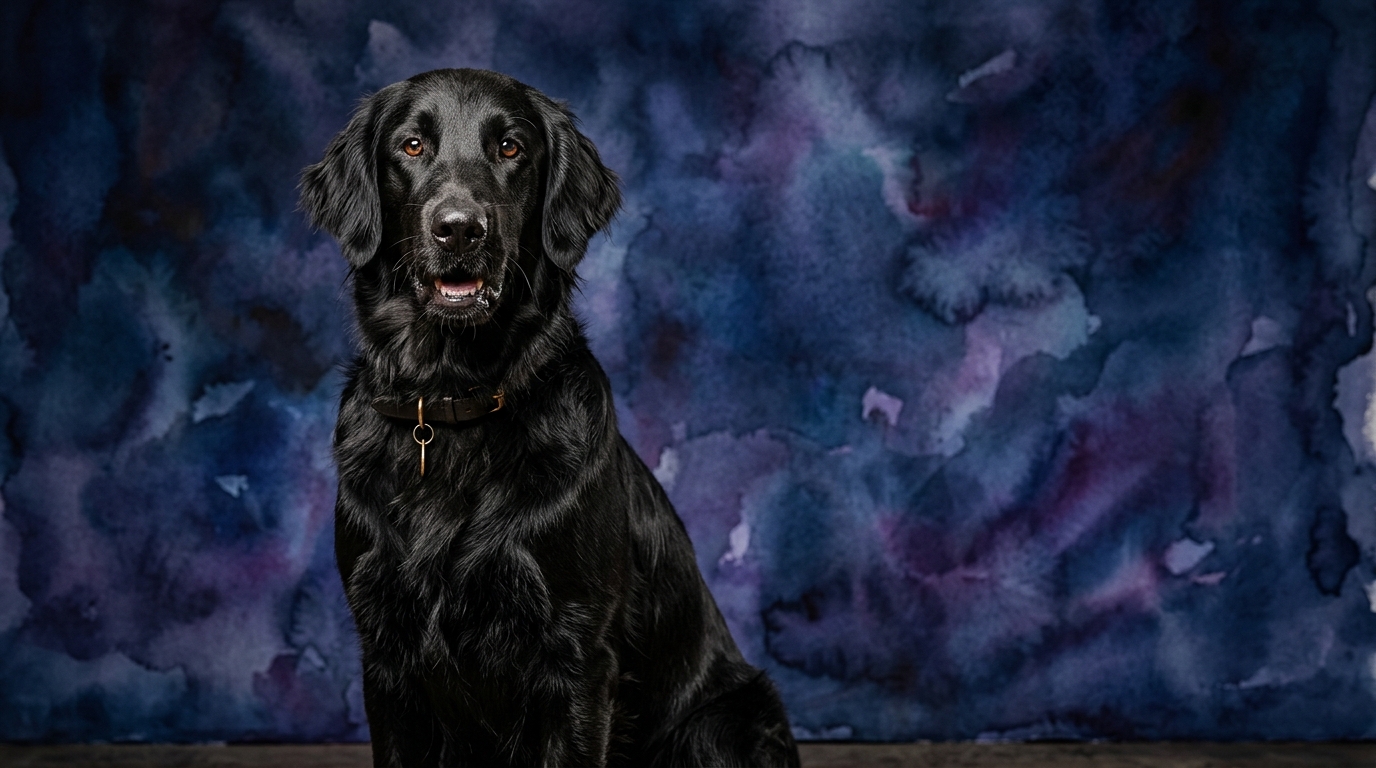
Our analysis begins by examining the core cognitive dimensions for each breed, as assessed by The Cosmic Pet Pet IQ Lab. The Flat-Coated Retriever, holding a respectable Coren rank of #17, demonstrates a robust and cooperative intelligence profile. They score 4/5 in Problem Solving, indicating a capacity for complex thought, and an impressive 4/5 in Training Speed, meaning new concepts are absorbed quickly. Their Social Intelligence is rated 3/5, reflecting good interpersonal understanding, while their Instinctive Drive is also 3/5, channeled effectively towards retrieving tasks. A standout feature is their exceptional Memory, earning a perfect 5/5, which underpins their consistency and advanced learning potential.
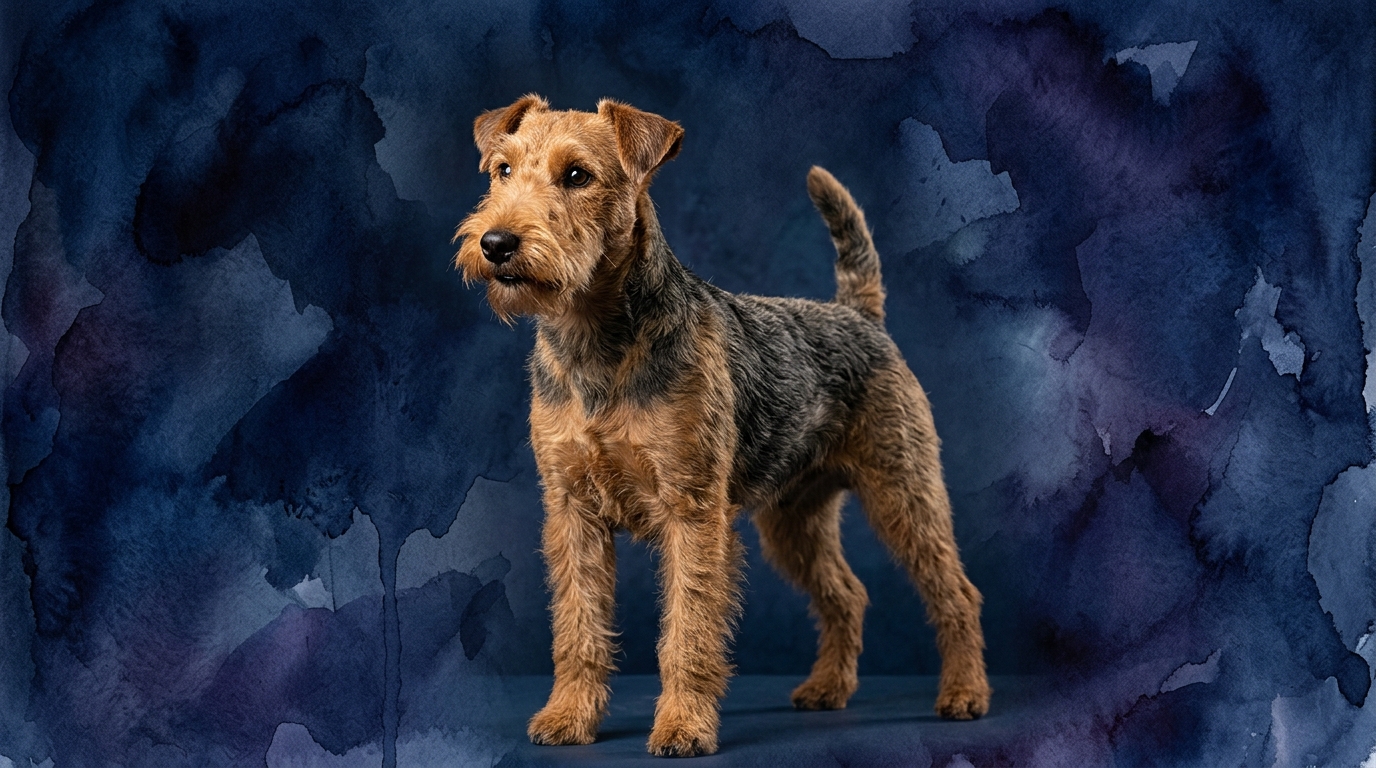
The Welsh Terrier, though not Coren-ranked, presents a distinct cognitive makeup characteristic of its terrier heritage. They achieve a solid 3/5 in Problem Solving, showcasing competence and independent thought when faced with challenges. Their Training Speed is 3/5, meaning they learn at a steady pace, requiring consistent and engaging methods. Social Intelligence also scores 3/5, indicating an adequate understanding of social cues and family dynamics. Their Instinctive Drive is 3/5, often expressed through typical terrier behaviors like chasing and digging, frequently in a self-directed manner. Finally, their Memory is rated 3/5, allowing them to retain learned information, though perhaps requiring more frequent refreshers than breeds with higher scores.
Where the Flat-Coated Retriever Wins Cognitively
The Flat-Coated Retriever demonstrates clear cognitive advantages in adaptability and responsiveness. Their Problem Solving score of 4/5 indicates a mind that actively processes information, readily devising solutions to novel challenges rather than relying solely on trial and error. This manifests in their ability to quickly understand multi-step commands or manipulate puzzle toys with relative ease, showcasing an insightful approach to obstacles. Furthermore, their superior Training Speed (4/5) means new concepts are absorbed with remarkable efficiency, often requiring fewer repetitions to master a new trick or obedience cue. This reflects genuine cognitive agility in connecting actions with desired outcomes.
Perhaps their most striking cognitive asset is their exceptional Memory, scoring a perfect 5/5. This allows them to retain a vast array of learned behaviors, commands, and routines over extended periods. A Flat-Coat isn't likely to 'forget' a skill, making advanced training and maintaining complex repertoires consistent. This robust memory also contributes to their reliability in situations requiring specific, remembered responses, such as complex agility courses or intricate scent work.
Where the Welsh Terrier Wins Cognitively
While the Welsh Terrier's individual cognitive scores may not surpass the Flat-Coat’s, their unique blend of mental attributes fosters a distinct kind of effectiveness. Their Problem Solving at 3/5, combined with an Instinctive Drive of 3/5, often translates into a resourceful, persistent approach. Unlike a retriever, whose problem-solving might be geared towards cooperative efforts, the Welsh Terrier applies its intelligence with independent tenacity. When faced with a perceived 'problem' – be it a burrowing critter or a hidden toy – they will employ their moderate problem-solving skills with unwavering focus, often finding unconventional solutions driven by their inherent terrier purpose.
Their Social Intelligence and Training Speed, both at 3/5, indicate a competent but not overly eager-to-please disposition. A Welsh Terrier's 'win' isn't in rapid compliance, but in their capacity for thoughtful, sometimes independent, action. They are perfectly capable of learning and understanding, but their cognitive processing often involves an assessment through their own lens, making them less prone to blindly following directions if they perceive a more 'efficient' or 'interesting' path. This independent streak, while requiring nuanced training, can be a cognitive advantage in scenarios demanding self-reliance and initiative.
Training Dynamics: Flat-Coated Retriever vs. Welsh Terrier
Evaluating ease of training requires looking beyond raw intelligence scores to behavioral tendencies. The Flat-Coated Retriever, with its Training Speed of 4/5 and exceptional Memory of 5/5, presents a smoother training journey. They grasp new commands swiftly and retain them reliably, meaning less repetition is required. This efficiency is bolstered by their inherent cooperative nature, typical of a Sporting breed, which often translates into an eagerness to engage with their handler. Their capacity to remember complex sequences also makes them excellent candidates for advanced obedience, agility, or competitive retrieving, where precision and consistent recall are paramount.
The Welsh Terrier, by contrast, with a Training Speed of 3/5 and Memory of 3/5, demands a different approach. While perfectly trainable, they often require more consistent reinforcement and a greater variety of motivators. Their terrier heritage imbues them with a strong independent streak and a formidable instinctive drive (3/5), meaning they are less inclined to simply comply if a more stimulating activity presents itself. Training a Welsh Terrier often involves channeling natural instincts into acceptable outlets rather than suppressing them. This requires an owner adept at motivating a dog that thinks for itself, using positive reinforcement, short, engaging sessions, and creative problem-solving games. Therefore, while both breeds are trainable, the Flat-Coated Retriever typically offers a more straightforward and less demanding training experience due to its inherent biddability and cognitive strengths.
Lifestyle Match: Active vs. Engaged Owners
Both the Flat-Coated Retriever and the Welsh Terrier possess an Instinctive Drive of 3/5, suggesting they are not sedentary dogs, but the *expression* of this drive differs. The Flat-Coated Retriever, a Sporting breed, is built for sustained activity, requiring regular, vigorous exercise involving retrieving, swimming, or long runs. Their cooperative drive makes them ideal companions for active owners who enjoy outdoor sports, hiking, or structured training like obedience and agility. They thrive on having a 'job' and benefit greatly from mental stimulation tapping into their high problem-solving and memory capabilities.
The Welsh Terrier, while also active, expresses its 3/5 instinctive drive with characteristic terrier intensity. This manifests as a keen desire to explore, dig, chase, and guard, often with bursts of energetic focus. They require consistent outlets for these innate behaviors; a relaxed owner might find their Welsh Terrier creating its own 'fun' through destructive digging or persistent vocalizations. They suit active owners who appreciate a robust personality and are prepared for games simulating hunting, secure outdoor space, and consistent, stimulating training to channel their independent spirit. Neither breed is for a truly 'relaxed' owner; both demand active engagement, but the Flat-Coat’s activity tends to be more collaborative, while the Welsh Terrier’s is often more self-directed and persistent.
The Verdict
Opt for the Flat-Coated Retriever if you seek a highly trainable, cooperative companion eager to learn and excel in structured activities like obedience, agility, or retrieving, thriving on shared tasks and consistent engagement.
Choose the Welsh Terrier if you appreciate a resilient, independent spirit that approaches tasks with tenacious determination, and you are prepared for creative, consistent training to channel their energetic, self-directed instincts.
🧠 Find Your Pet's IQ Score
Our Pet IQ Lab assessment covers 25+ tests across 5 cognitive dimensions — personalized to your breed.
Take the Full IQ Test →Frequently Asked Questions
Are Welsh Terriers stubborn?
Welsh Terriers are often perceived as stubborn due to their independent nature and strong instinctive drives; they aren't disobedient but rather have their own agenda, requiring patient, creative motivation.
Do Flat-Coated Retrievers need a lot of exercise?
Yes, Flat-Coated Retrievers are active dogs requiring substantial daily exercise, including vigorous play, long walks, or runs, to keep them physically and mentally content and prevent boredom-related behaviors.
Which breed is better for first-time owners?
The Flat-Coated Retriever, with its higher training speed and cooperative nature, is generally more forgiving and easier for first-time owners to train and manage; the Welsh Terrier's independent streak typically demands more experienced handling.