
Side-by-Side Cognitive Profiles from The Cosmic Pet Pet IQ Lab
The Cosmic Pet Pet IQ Lab assesses five key dimensions of canine intelligence, providing a nuanced view beyond simple labels. For the French Bulldog, we see a Problem Solving score of 3/5, Training Speed at 3/5, a standout Social Intelligence of 5/5, Instinctive Drive at 2/5, and Memory at 3/5. This profile sketches a companion highly attuned to its human environment but with a relaxed approach to tasks.
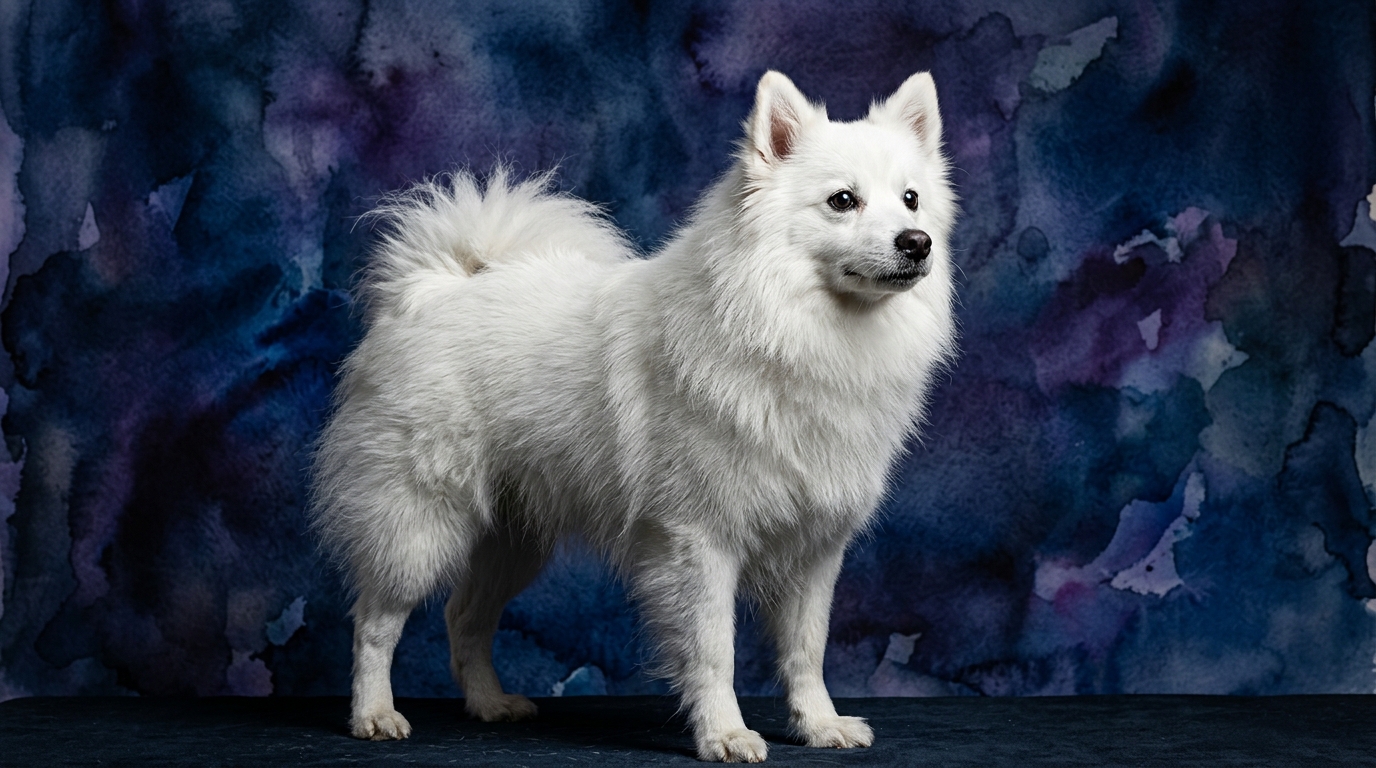
In contrast, the American Eskimo Dog presents a slightly different picture: Problem Solving is 3/5, Training Speed is 3/5, Social Intelligence is 3/5, Instinctive Drive is 3/5, and Memory is also 3/5. This breed shows a balanced cognitive landscape, indicating a capable and engaged learner that leans into its inherent drives.
When examining Problem Solving, both breeds score an average 3/5. This suggests they possess a moderate capacity to navigate novel situations and figure out solutions, though their approaches may differ. A French Bulldog might rely more on human interaction to solve a puzzle, while an American Eskimo Dog might independently try various physical methods to achieve a goal.
Similarly, both the French Bulldog and American Eskimo Dog are rated 3/5 for Training Speed. This indicates they acquire new commands and routines at an average pace. Neither breed is exceptionally fast or slow to pick up new information, meaning consistent training methods and patience yield the best results for both.
Memory for both breeds sits at a steady 3/5. This average score implies they can recall commands, routines, and experiences without exhibiting particularly strong or weak retention. They will remember what they've learned and the people they've met, but don't possess a photographic recall that stands out among canines.
Where the French Bulldog Shines Cognitively
The French Bulldog’s exceptional Social Intelligence, scoring a perfect 5/5, is its undeniable cognitive superpower. This breed demonstrates an advanced ability to interpret human emotions, body language, and subtle social cues, making them incredibly empathetic and intuitive companions. They are masters at reading the room, often adjusting their demeanor to match the household's mood or an individual's emotional state.
This profound social awareness allows French Bulldogs to form remarkably deep and sensitive bonds with their human families. They can anticipate needs, offer comfort, and even manipulate situations with charming precision to get what they desire, all through their understanding of social dynamics. This trait makes them particularly adept at being emotional support animals or simply the most understanding presence in a quiet home.
Where the American Eskimo Dog Excels Cognitively
While sharing equal scores in problem-solving and training speed, the American Eskimo Dog's higher Instinctive Drive of 3/5, compared to the French Bulldog's 2/5, gives it a distinct cognitive advantage in certain scenarios. This moderate drive indicates a greater intrinsic motivation to engage with tasks and activities for the sake of the task itself, rather than solely for social connection.
This drive translates into a more sustained willingness to participate in structured activities, such as learning complex sequences for tricks, excelling in dog sports like agility or obedience, or even enjoying extended sessions of interactive play. Their intrinsic motivation means they are often more persistent in figuring out puzzles or completing 'jobs,' showcasing a cognitive energy that seeks engagement beyond mere companionship.
Trainability: Connection vs. Task Orientation
Despite both breeds having a Training Speed score of 3/5, their differing social intelligence and instinctive drive significantly impact their trainability. The French Bulldog's high social intelligence means they are highly motivated by pleasing their human and receiving praise and affection. This can make them appear easier to train for basic obedience and house manners, as they are eager to engage and respond positively to human interaction.
However, the French Bulldog's lower instinctive drive means they may lack sustained interest in repetitive or complex tasks once the novelty wears off or the social reward lessens. Consistency is still vital, but trainers might need to incorporate more play and positive reinforcement focused on connection to keep them engaged. Their stubborn streak, often a manifestation of their social cleverness, can emerge if they don't perceive a strong enough social incentive.
The American Eskimo Dog, with its moderate instinctive drive, often responds well to training that taps into its natural inclination for activity and purpose. They might not be as overtly eager to please as a French Bulldog, but once they understand the 'why' or the reward for a task, their persistence can be quite strong. They thrive on clear expectations, positive reinforcement, and training that challenges both their mind and body.
Their independence, a facet of their drive, means training needs to be engaging and consistent, providing mental stimulation to prevent boredom. While they may not be as socially nuanced in their responses, their cognitive capacity for learning and executing tasks is robust when approached with methods that respect their inherent working spirit, making them excellent candidates for advanced obedience or trick training.
Suitability for Active vs. Relaxed Lifestyles
The cognitive profiles of these two breeds offer clear guidance for owners with differing lifestyle preferences. The French Bulldog, with its low instinctive drive and high social intelligence, is an ideal match for more relaxed owners. They are content with minimal physical exertion, preferring short walks and indoor playtime, and thrive on being a constant, affectionate presence. Their cognitive strength lies in companionship, making them perfect for those who want a devoted, emotionally perceptive friend without demanding extensive physical or mental 'work.'
Conversely, the American Eskimo Dog's moderate instinctive drive and balanced cognitive scores make it a better fit for more active owners. This breed benefits significantly from regular exercise, mental challenges, and structured activities that allow them to utilize their drive and problem-solving abilities. Owners who enjoy daily walks, hikes, or engage in dog sports will find an eager and capable partner in an Eskie, who needs these outlets to prevent boredom and channel their cognitive energy constructively.
The Verdict
Choose the French Bulldog if you prioritize a highly socially attuned companion who excels at reading emotional cues and thrives on close, relaxed human interaction, content with a more sedentary lifestyle.
Opt for the American Eskimo Dog if you seek a moderately driven, active partner for engaging in varied activities, who will enjoy learning new tasks and participating in outdoor adventures, requiring consistent mental and physical outlets.
🧠 Find Your Pet's IQ Score
Our Pet IQ Lab assessment covers 25+ tests across 5 cognitive dimensions — personalized to your breed.
Take the Full IQ Test →Frequently Asked Questions
Do French Bulldogs and American Eskimo Dogs learn at the same pace?
Yes, The Cosmic Pet Pet IQ Lab rates both breeds at 3/5 for training speed. This indicates they generally learn new commands and routines at an average pace, requiring consistent methods and patience from their trainers.
Which breed is better at understanding human emotions?
The French Bulldog excels here with a social intelligence score of 5/5, significantly higher than the American Eskimo Dog's 3/5. French Bulldogs are highly attuned to human moods and social dynamics, making them very empathetic companions.
Can an American Eskimo Dog be a good apartment dog?
While adaptable, an American Eskimo Dog's moderate instinctive drive and energy mean they require more consistent exercise and mental engagement than a French Bulldog. They can thrive in an apartment if their owners commit to daily walks, playtime, and enrichment activities to prevent boredom.