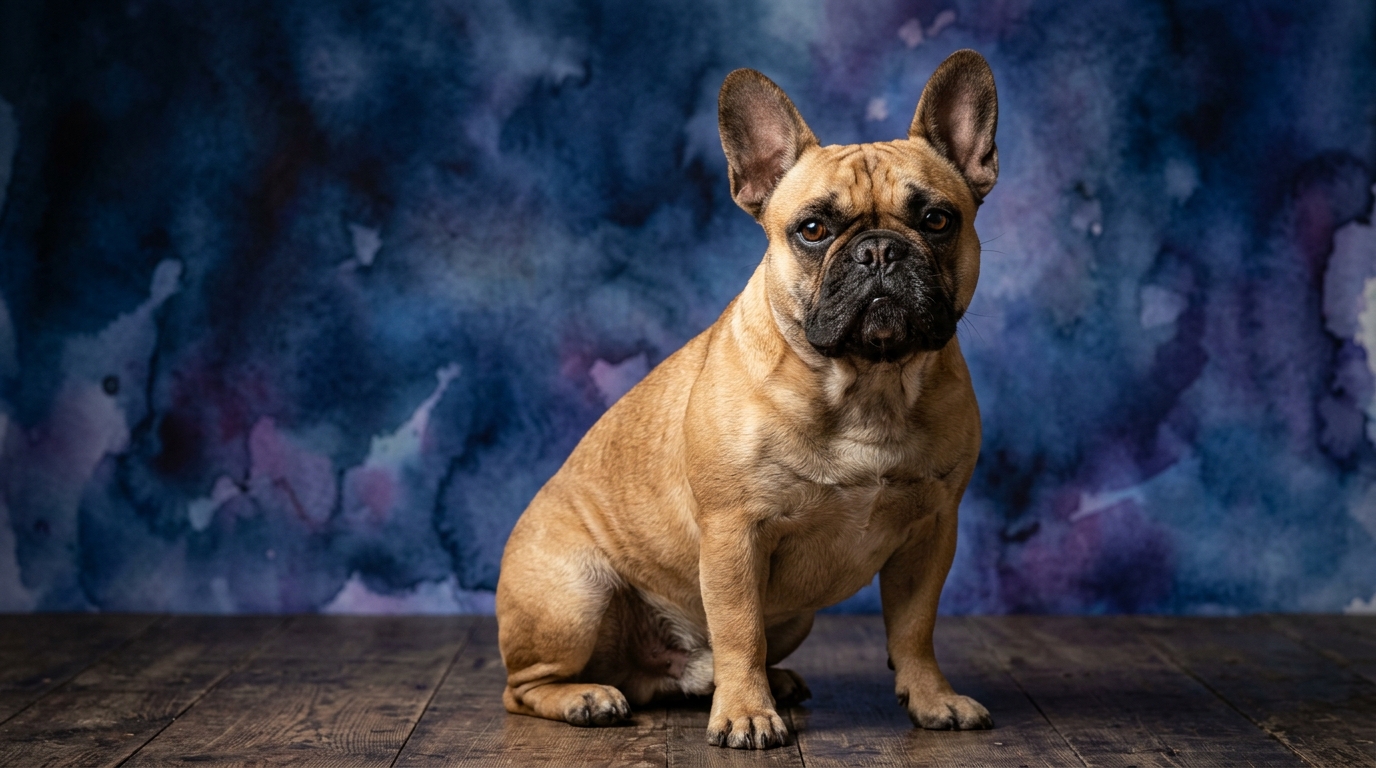
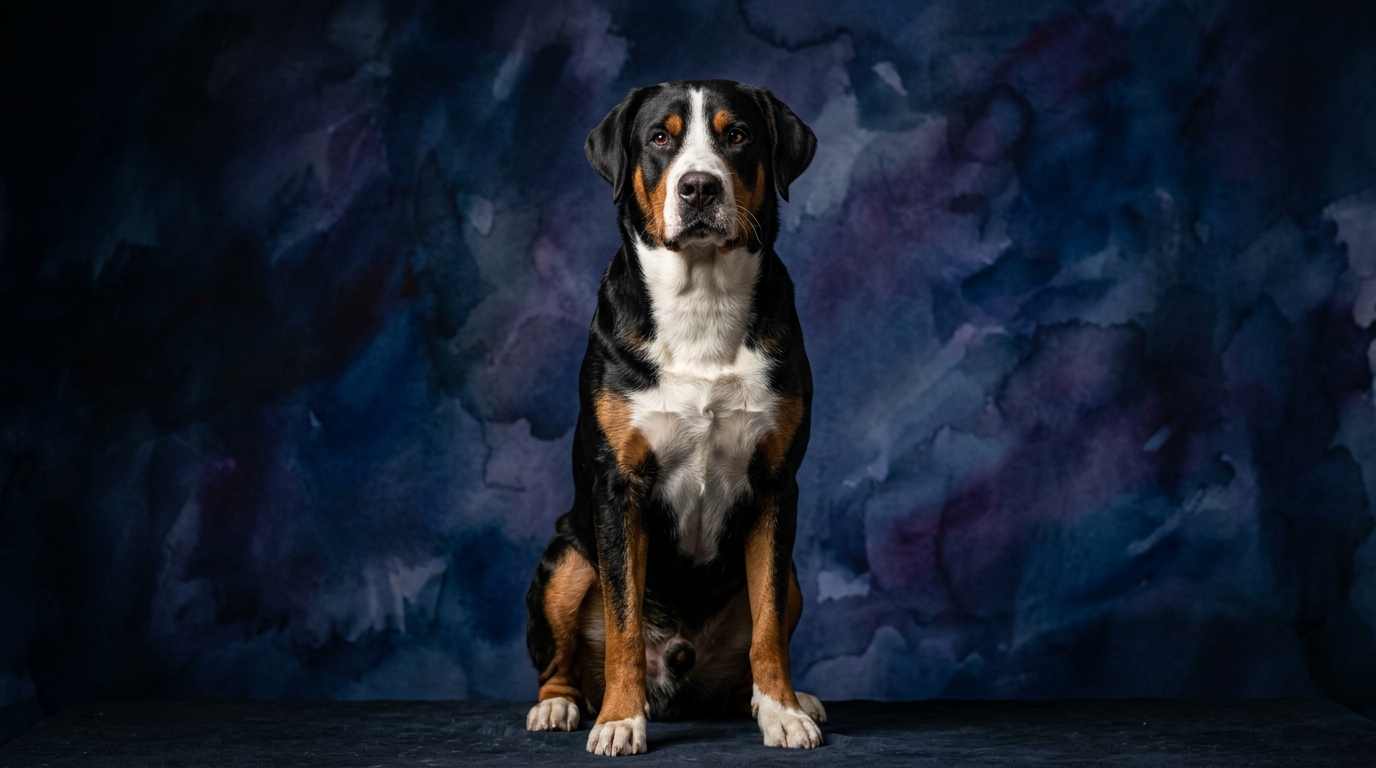
Side-by-Side IQ Profile: French Bulldog vs. Greater Swiss Mountain Dog
**French Bulldog (Non-Sporting Group):** This breed’s cognitive strengths are deeply intertwined with its role as a dedicated companion. Their problem-solving ability, rated 3/5, often manifests as finding efficient ways to secure comfort or attention, rather than complex environmental manipulation. They might quickly learn to nudge a toy from under furniture but aren't typically driven by intricate puzzle-solving.
Their training speed, also 3/5, indicates a respectable pace for learning new commands and routines. French Bulldogs often make consistent progress with patient, positive reinforcement, spurred by their eagerness to please and strong bond with their human companions. Repetition and reward are crucial for solidifying their understanding.
Social intelligence is where the French Bulldog truly excels, scoring a perfect 5/5. This exceptional capacity allows them to interpret human emotions and intentions with remarkable accuracy, making them highly attuned companions. They are adept at communicating their needs and desires through subtle cues, fostering deep, reciprocal relationships.
With an instinctive drive of 2/5, French Bulldogs exhibit a lower level of inherent motivation for traditional canine tasks like hunting, herding, or guarding. Their primary instinctive motivations center around companionship and comfort, rather than strong prey drive or territorial defense, contributing to their adaptability as indoor pets.
Their memory, rated 3/5, is solid, enabling them to retain learned behaviors and recognize familiar people and places effectively. They reliably remember routines and commands over time, especially those associated with positive experiences and their human bond, though their recall may not encompass every single event with perfect detail.
**Greater Swiss Mountain Dog (Working Group):** This breed’s cognitive profile reflects its heritage as a versatile working dog, capable of diverse tasks. Their problem-solving ability, rated 3/5, is often applied to practical, real-world scenarios. This might include navigating obstacles on a trail or figuring out how to retrieve a dropped item, showcasing their pragmatic approach.
Similar to the French Bulldog, the Greater Swiss Mountain Dog learns at a steady, moderate pace, scoring 3/5 in training speed. They are capable learners, particularly when training is consistent, clear, and aligns with their practical mindset. Their independent streak means they respond best to engaging challenges and trainers who understand their motivations.
Greater Swiss Mountain Dogs possess a solid foundation of social intelligence, rated 3/5, allowing them to form strong bonds with their families and understand social cues within their pack. While not as overtly expressive or human-attuned as the French Bulldog, they are loyal and can differentiate between familiar and unfamiliar individuals, showing appropriate caution or warmth.
With a moderate instinctive drive of 3/5, these dogs retain elements of their working heritage. This includes a natural inclination for protection, carting, and enjoying physical tasks that provide purpose and stamina. This drive distinguishes them from breeds bred purely for companionship, enabling them to fulfill roles requiring engagement.
Their memory is consistent, rated 3/5, allowing them to recall training, routes, and individuals over extended periods. This reliability is crucial for a working breed, enabling them to remember complex tasks or the layout of their territory, contributing to their dependability and consistency in various environments.
Where the French Bulldog Wins Cognitively
The French Bulldog's cognitive strength decidedly lies in their exceptional social intelligence, scoring a perfect 5/5. This isn't merely about being friendly; it's a sophisticated capacity to interpret human nuances—facial expressions, tone of voice, and body language—with remarkable precision. A French Bulldog can often anticipate their owner's mood or needs, offering comfort or soliciting attention at just the right moment.
This acute awareness allows them to integrate seamlessly into human families, becoming intuitive companions who excel at reciprocal communication and emotional support, far surpassing many other breeds in this specific cognitive dimension. Their moderate problem-solving and training speed often get a boost from this social acumen, as they are highly motivated by human interaction and approval.
Where the Greater Swiss Mountain Dog Wins Cognitively
The Greater Swiss Mountain Dog, while sharing similar scores in problem-solving, training speed, and memory, exhibits a distinct cognitive advantage in its instinctive drive, rated 3/5 compared to the French Bulldog's 2/5. This moderate drive isn't about aggression but reflects an inherent inclination towards purposeful activities and a greater sense of environmental awareness.
It manifests as a natural desire to 'work,' whether that involves guarding their home, participating in carting sports, or accompanying owners on hikes with a sense of purpose. This drive provides a foundational motivation for engaging with the world in a more active, task-oriented manner, distinguishing their cognitive approach from breeds primarily focused on passive companionship. Their problem-solving, though rated the same, often applies to practical, physical challenges, rooted in this working instinct.
Which Is Easier to Train and Why
Determining which breed is 'easier' to train depends significantly on the training context and the owner's goals. Both breeds score 3/5 in training speed, indicating they learn at a moderate pace. However, their pathways to cooperation differ notably. The French Bulldog's superior social intelligence (5/5) means they are profoundly motivated by human connection and approval.
They often respond well to positive reinforcement emphasizing praise, gentle touch, and shared activity, making them eager to comply to maintain harmony and receive affection. Their lower instinctive drive (2/5) means fewer strong natural urges to redirect, making them generally amenable to basic obedience and house training if approached with patience and consistency.
Conversely, the Greater Swiss Mountain Dog, with its moderate social intelligence (3/5) and higher instinctive drive (3/5), requires a training approach that acknowledges its independent and purposeful nature. They learn effectively, but their motivation often stems from understanding the 'why' behind a command or finding the task intrinsically rewarding. Training for a Swissy benefits from clear, consistent leadership and tasks that engage their physical and mental capabilities, such as scent work or carting.
While they are loyal, their training might require more creativity to keep them engaged, as they are less driven solely by the desire to please and more by a sense of purpose or a clear objective. Therefore, for an owner seeking a highly responsive companion motivated by social cues, the French Bulldog might feel 'easier,' whereas an owner who enjoys structured, task-oriented training would find the Swissy equally trainable, albeit differently motivated.
Which Suits Active Owners vs. Relaxed Owners
The cognitive profiles of these two breeds naturally align them with different owner lifestyles. The French Bulldog, with its lower instinctive drive (2/5) and high social intelligence (5/5), is an excellent match for more relaxed owners. Their primary cognitive motivation is companionship and comfort, meaning they thrive in environments where they receive ample human attention without the demand for extensive physical exertion or complex tasks.
They are content with moderate daily walks, indoor play, and cuddling on the couch, making them ideal for apartment living or individuals who prefer a less physically demanding pet. Their social acumen means they are always attuned to their owner's presence, providing constant, low-key interaction.
The Greater Swiss Mountain Dog, conversely, with its moderate instinctive drive (3/5) and robust physical build, is better suited for active owners. Their cognitive makeup benefits from purposeful engagement and physical activity that taps into their working heritage. While they are affectionate family dogs, they require more than just a short stroll; they enjoy hiking, long walks, carting, or other activities that provide mental and physical stimulation.
An active owner who can integrate their Swissy into a routine involving outdoor adventures or structured 'jobs' will find their dog's cognitive and physical needs met, leading to a well-adjusted and content companion. Their problem-solving (3/5) and moderate social intelligence (3/5) also mean they appreciate clear direction and engaging challenges from their human partners.
The Verdict
Choose the French Bulldog if you prioritize a deeply intuitive, emotionally responsive companion dog who thrives on social interaction and requires moderate physical activity, fitting seamlessly into a relaxed home environment.
Choose the Greater Swiss Mountain Dog if you are an active owner looking for a loyal, purposeful companion who enjoys structured activities, has a moderate drive for physical work, and appreciates clear, consistent guidance in a more expansive setting.
🧠 Find Your Pet's IQ Score
Our Pet IQ Lab assessment covers 25+ tests across 5 cognitive dimensions — personalized to your breed.
Take the Full IQ Test →Frequently Asked Questions
Do French Bulldogs and Greater Swiss Mountain Dogs learn at the same pace?
Both breeds score 3/5 in training speed, suggesting they learn new commands at a similar, moderate pace. However, their motivation differs; French Bulldogs are driven by social approval, while Greater Swiss Mountain Dogs often respond best to purposeful tasks and clear direction.
How does social intelligence impact daily life for these breeds?
A French Bulldog's 5/5 social intelligence means they are highly attuned to human emotions and excel at subtle communication, making them intuitive companions. A Greater Swiss Mountain Dog's 3/5 social intelligence indicates strong family loyalty and awareness, but they may not be as overtly expressive or human-focused as the French Bulldog.
Can a Greater Swiss Mountain Dog live comfortably in an apartment like a French Bulldog?
While a French Bulldog with its low instinctive drive (2/5) and smaller size is well-suited for apartment living, a Greater Swiss Mountain Dog, with its moderate instinctive drive (3/5) and larger build, generally requires more space and consistent outdoor activity to thrive. Apartment living for a Swissy would necessitate a highly committed owner providing ample daily exercise and mental stimulation outside the home.