
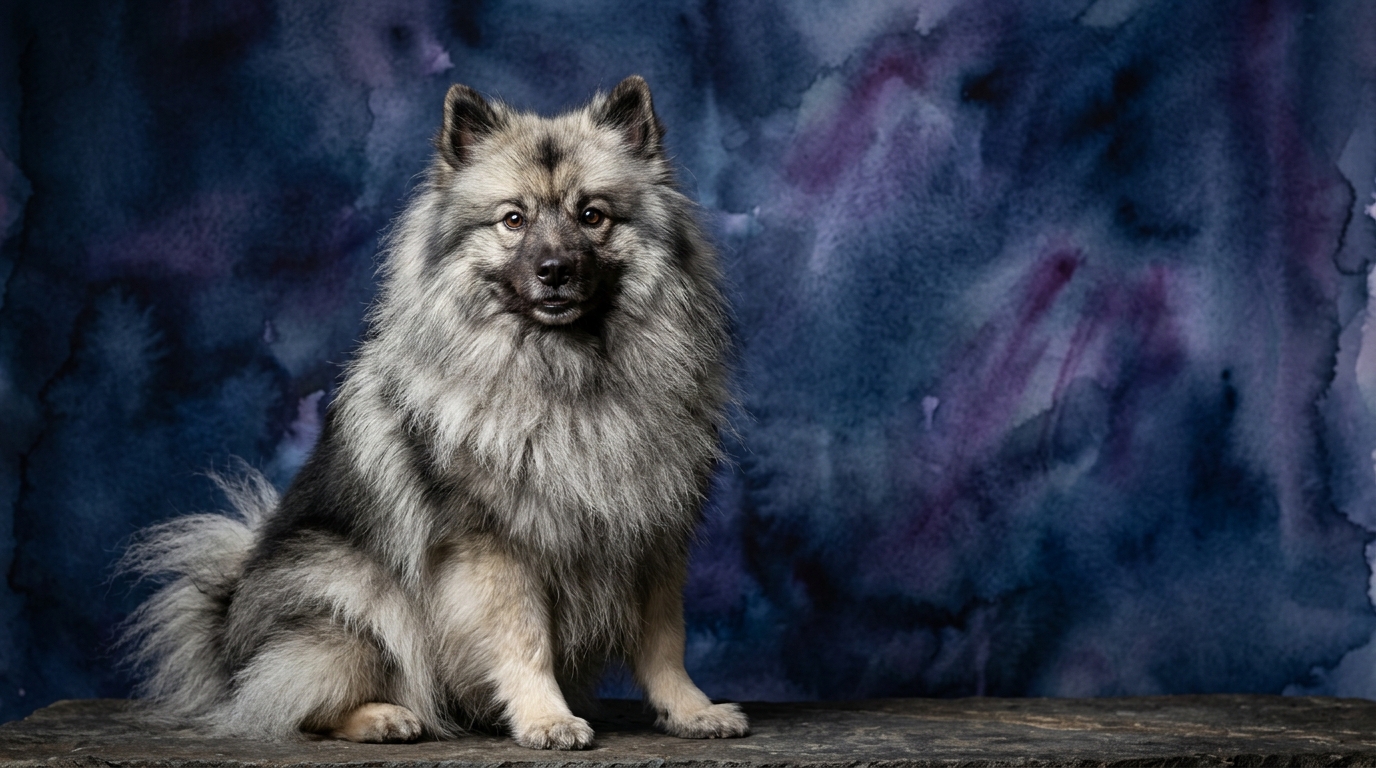
Side-by-Side Cognitive Profiles: French Bulldog vs. Keeshond
To truly appreciate the nuances of these breeds' cognitive landscapes, The Cosmic Pet Pet IQ Lab employs a five-dimensional framework: Problem Solving, Training Speed, Social Intelligence, Instinctive Drive, and Memory. Each dimension offers a unique lens through which to understand a dog's inherent capabilities and how they interact with their environment.
The French Bulldog, a breed not ranked by Coren, presents a profile emphasizing companionship and adaptability. Their Problem Solving score of 3/5 suggests a moderate capacity for independent thought when faced with novel challenges, often preferring to look to their human for guidance. Training Speed also sits at 3/5, indicating they learn new commands at a steady, deliberate pace. Where French Bulldogs truly shine is in Social Intelligence, earning a perfect 5/5; they are acutely tuned into human emotions and social cues. Their Instinctive Drive is a low 2/5, meaning they possess a reduced innate urge for tasks like hunting, herding, or guarding. Finally, their Memory scores 3/5, signifying a solid but not exceptional recall of experiences and learned behaviors.
In contrast, the Keeshond, boasting a respectable Coren rank of #16, exhibits a more performance-oriented cognitive profile. Their Problem Solving ability is rated at 4/5, showcasing a higher aptitude for figuring out situations independently. Training Speed also scores 4/5, highlighting their quicker grasp of new commands and routines. Social Intelligence, while still good, is 3/5, suggesting they are responsive to human interaction but perhaps less intensely focused on human emotional states than the French Bulldog. Their Instinctive Drive is moderate at 3/5, reflecting historical roles that required some independent action. A standout feature for the Keeshond is their Memory, achieving an impressive 5/5, indicating an exceptional ability to retain information, commands, and experiences over time.
Where the French Bulldog's Mind Excels
The French Bulldog's cognitive victories are primarily rooted in their unparalleled Social Intelligence, scoring an exceptional 5/5. This isn't just about being friendly; it signifies a profound capacity to read human body language, vocal inflections, and emotional states with remarkable accuracy. A French Bulldog often seems to anticipate their owner's moods or desires, offering comfort or engaging in play precisely when needed. This acute social awareness fosters incredibly deep bonds, making them exceptionally empathetic companions who thrive on close human interaction and become highly attuned members of the family unit.
Furthermore, their lower Instinctive Drive (2/5) can be a significant cognitive advantage for many households. Unlike breeds with strong predatory or territorial instincts, French Bulldogs are typically less prone to chasing small animals, excessive barking at perceived threats, or digging up gardens. This reduced intrinsic drive means less cognitive energy is diverted to these primal urges, allowing them to be more present and focused on their immediate social environment. For urban dwellers or those seeking a calm, low-maintenance companion in terms of instinctual behaviors, this cognitive trait is a distinct win, contributing to their reputation as adaptable and easygoing housemates.
Where the Keeshond's Mind Takes the Lead
The Keeshond's cognitive strengths are particularly evident in their robust Problem Solving capabilities (4/5) and their stellar Memory (5/5). This combination makes them adept at navigating complex environments and learning intricate tasks. A Keeshond is more likely to independently figure out how to open a gate, retrieve a hidden toy, or navigate a new obstacle course without constant human intervention. Their problem-solving acumen means they enjoy mental challenges and can often devise creative solutions to perceived difficulties, making them engaging partners for puzzle toys and advanced training exercises.
Their exceptional Memory (5/5) is a cornerstone of the Keeshond's cognitive superiority in many domains. This isn't just about remembering where the treat jar is; it means they retain complex command sequences, routines, and past experiences with remarkable clarity. Once a Keeshond learns something, it tends to stick, requiring less repetition for reinforcement over time. This superior recall contributes significantly to their high Coren ranking and makes them highly reliable in obedience and performance events. Owners can teach them a wide repertoire of commands and tricks, confident that these skills will be retained for the long term, making advanced training a more fluid and rewarding experience.
Training Dynamics: Which Breed is Easier to Teach?
Based on their cognitive profiles, the Keeshond generally presents as the easier breed to train. Their 4/5 Training Speed means they pick up new commands relatively quickly, and their 5/5 Memory ensures these lessons are retained effectively. This combination allows for faster progression through training levels and more consistent recall of learned behaviors over time. While their Social Intelligence is 3/5, they are still eager to please and responsive to positive reinforcement, making them willing participants in structured learning sessions. Behavioral differences might include a Keeshond quickly understanding a multi-step command like 'find your leash and bring it here,' retaining that sequence for weeks without practice.
The French Bulldog, with a Training Speed of 3/5 and Memory of 3/5, will require more patience and repetition during training. They are perfectly capable of learning, but the process may be slower, and consistent practice is vital for retention. However, their 5/5 Social Intelligence can be a powerful training asset. While they may not grasp the mechanics of a command as rapidly as a Keeshond, their intense desire to connect with and please their human can make them highly motivated. Training a French Bulldog often involves leveraging this social bond, making sessions feel more like a collaborative game than a strict lesson. For example, a French Bulldog might take longer to master 'stay' but will hold it longer if it means earning a loving gaze or physical affection from their owner, whereas a Keeshond might master it quicker for a treat and then move on.
Lifestyle Match: Active Engagement vs. Relaxed Companionship
When considering owner lifestyles, the Keeshond generally suits owners who enjoy more active cognitive and moderate physical engagement. Their higher Problem Solving (4/5) and Training Speed (4/5), coupled with a moderate Instinctive Drive (3/5), mean they thrive on having a 'job' or regular mental stimulation. They benefit from activities like obedience classes, agility, puzzle toys, and consistent training sessions that challenge their minds. While not requiring extreme athleticism, they do appreciate regular walks and opportunities to explore, satisfying their moderate drive and curiosity. An owner who enjoys teaching new tricks and engaging in interactive games will find the Keeshond a fulfilling partner.
The French Bulldog, conversely, is an ideal match for owners seeking relaxed, socially focused companionship. Their lower Instinctive Drive (2/5) and moderate physical needs mean they are content with shorter walks and plenty of couch time, as long as it's spent in close proximity to their human. Their exceptional Social Intelligence (5/5) means their primary need is for interaction and affection rather than complex mental tasks or vigorous exercise. They flourish in environments where they are central to family life, receiving ample attention and emotional connection. An owner who values a devoted, easygoing presence and enjoys a dog that is deeply attuned to their emotional world will find the French Bulldog an excellent fit.
The Verdict: When to Choose Each Breed
Ultimately, the choice between a French Bulldog and a Keeshond hinges on what you prioritize in a canine companion and your lifestyle capacity for engagement. Both breeds offer unique joys, but their cognitive makeups steer them towards different ideal homes.
If you are seeking a deeply empathetic, emotionally attuned companion who thrives on close human connection and requires less intensive mental or physical stimulation, the French Bulldog is an exceptional choice. They excel in providing relaxed, social companionship and integrate seamlessly into family life with their charming, adaptable nature.
If you desire a more mentally agile and trainable partner for structured activities, obedience, or even performance sports, and you are prepared to offer consistent mental challenges and moderate physical exercise, the Keeshond will be a highly rewarding companion. Their quick learning and exceptional memory make them a joy for owners who love to teach and engage in interactive problem-solving.
The Verdict
Choose the French Bulldog for unparalleled emotional connection and relaxed companionship, ideal for owners seeking a devoted, low-key presence with strong social bonds. They thrive on affection and integrate effortlessly into family life, prioritizing human interaction over complex tasks.
Opt for the Keeshond if you are an owner who values a mentally sharp, highly trainable dog capable of learning complex commands and enjoying interactive challenges. Their superior memory and problem-solving skills make them excellent partners for obedience, agility, and engaging activities.
🧠 Find Your Pet's IQ Score
Our Pet IQ Lab assessment covers 25+ tests across 5 cognitive dimensions — personalized to your breed.
Take the Full IQ Test →Frequently Asked Questions
Are French Bulldogs difficult to train due to their lower IQ scores?
French Bulldogs are not difficult to train, but their Training Speed of 3/5 and Memory of 3/5 mean they learn at a moderate pace and benefit from consistent, positive reinforcement. Their high Social Intelligence (5/5) makes them eager to please their owners, which can be a strong motivator in training.
Does a Keeshond's high memory score mean they hold grudges?
A Keeshond's 5/5 Memory score indicates an exceptional ability to retain learned behaviors and experiences, not necessarily a tendency to hold grudges in a human sense. They remember routines, commands, and the outcomes of past interactions, which makes them highly trainable and reliable, but they are not prone to malicious intent.
Which breed is better for first-time dog owners?
Both breeds can be suitable for first-time owners, but their needs differ. A French Bulldog might be easier for a first-timer seeking a low-maintenance, affectionate companion due to their lower instinctive drive and high social intelligence. A Keeshond, while highly trainable, might require an owner more prepared to engage their higher problem-solving abilities and provide consistent mental stimulation.