Side-by-Side Cognitive Profiles
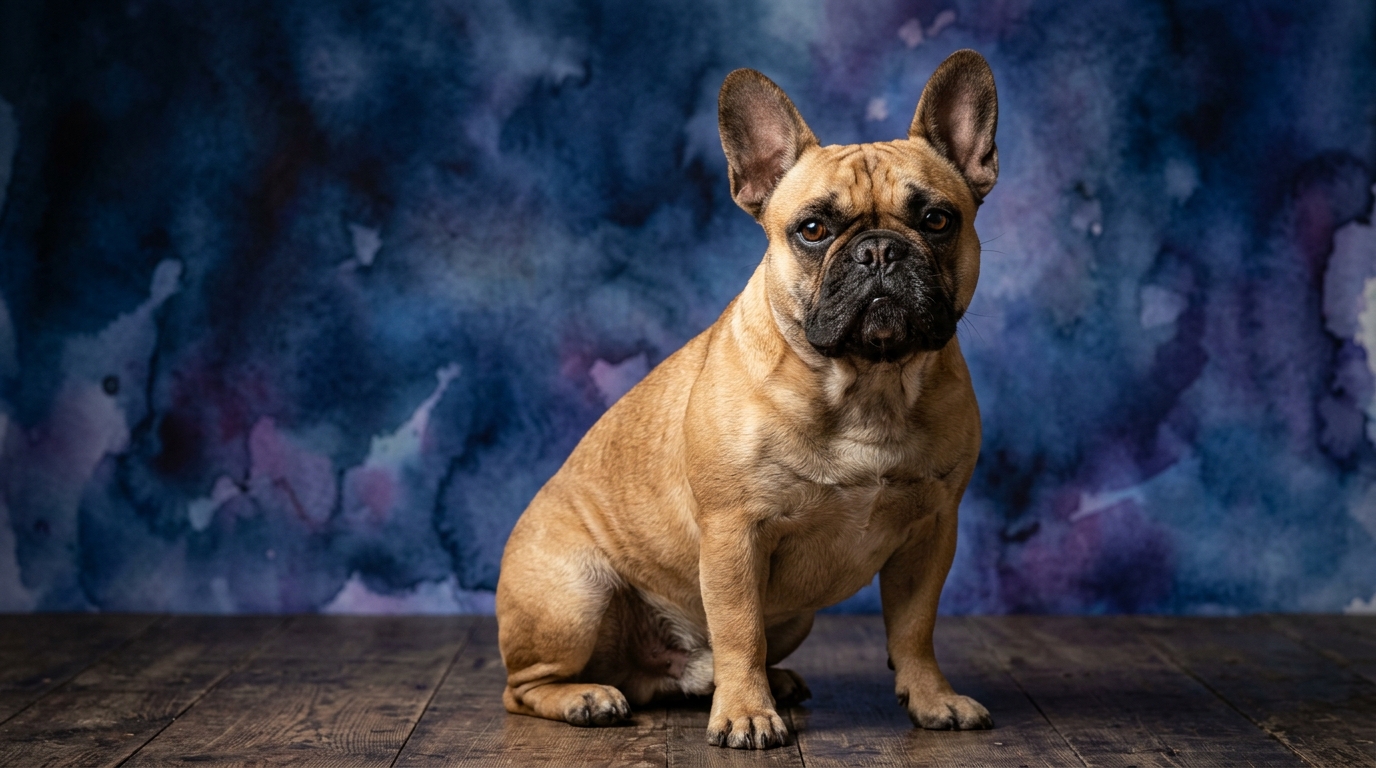
**French Bulldog (Non-Sporting Group)**
**Problem Solving (3/5):** French Bulldogs exhibit a moderate capacity for navigating novel challenges. While they can figure out basic puzzle toys or simple obstacles, complex, multi-step problems might require more guidance or repeated exposure. Their approach is often practical and direct.
**Training Speed (3/5):** Their learning pace is steady; they pick up commands at an average rate. Consistency and positive reinforcement are key, as their occasional stubborn streak can sometimes slow progress. They respond well to clear, concise instructions.
**Social Intelligence (5/5):** This is a standout strength for the French Bulldog. They possess an exceptional ability to interpret human cues, understand social dynamics, and form deep, nuanced bonds. They are acutely aware of their owner's emotions and often adapt their behavior accordingly, making them highly attuned companions.
**Instinctive Drive (2/5):** French Bulldogs generally have a low instinctive drive. Their prey drive is minimal, and their inclination for activities like retrieving or tracking is not pronounced. They are more inclined towards comfort and companionship than engaging in persistent, instinct-driven tasks.
**Memory (3/5):** Their memory is considered average. They can recall learned commands, routines, and familiar faces reliably. While they won't forget a well-established trick, complex sequences or long-past events might fade without reinforcement.
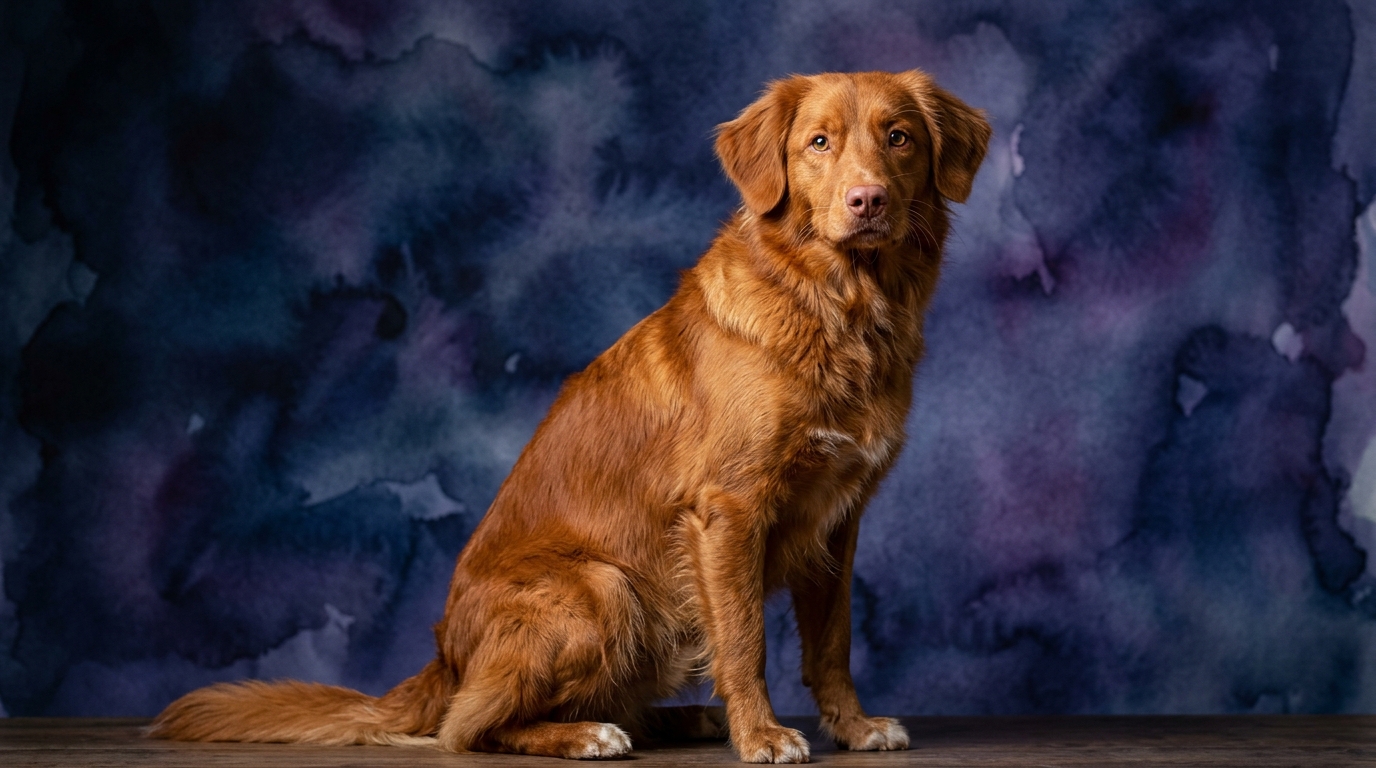
**Nova Scotia Duck Tolling Retriever (Sporting Group)**
**Problem Solving (3/5):** Tollers also rate a 3/5 in problem-solving. They demonstrate a practical intelligence, capable of working through scenarios to achieve a goal, particularly when it involves retrieving or physical challenges. Their focus and persistence can aid in overcoming obstacles.
**Training Speed (3/5):** Like French Bulldogs, Tollers learn at an average pace. They are eager to please and generally receptive to training, but their high energy levels and occasional independent streak mean that engagement and consistent, stimulating sessions are important for effective learning.
**Social Intelligence (3/5):** Tollers exhibit a moderate level of social intelligence. They connect well with their primary caregivers and can interpret basic human emotions and intentions. While affectionate, they might not possess the same nuanced attunement to subtle social cues as the French Bulldog, often being more task-oriented in their interactions.
**Instinctive Drive (3/5):** Reflecting their retriever heritage, Tollers have a moderate instinctive drive. They possess a natural inclination for retrieving, chasing, and engaging in scent work. This drive, while present, is manageable and can be channeled effectively into various activities and training exercises.
**Memory (3/5):** Tollers also have an average memory. They retain learned commands and routines effectively, especially when these are tied to engaging activities. Their memory supports their ability to perform sequential tasks in fieldwork or advanced obedience.
Where the French Bulldog Cognitively Excels
The French Bulldog's preeminent cognitive strength lies in its extraordinary social intelligence, scoring a perfect 5/5. This breed excels at reading and responding to human emotions and social cues, often anticipating their owner's moods and desires with remarkable precision. This profound empathetic capacity allows them to integrate seamlessly into family life, offering comfort and companionship that feels deeply personal. Their ability to form strong, intricate bonds is not merely affectionate; it’s a sophisticated understanding of relational dynamics, making them unparalleled in their capacity for reciprocal social engagement within a household setting.
Where the Nova Scotia Duck Tolling Retriever Cognitively Excels
While both breeds share similar scores in problem-solving and training speed, the Nova Scotia Duck Tolling Retriever distinguishes itself with a higher instinctive drive, rated 3/5 compared to the French Bulldog's 2/5. This manifests as a stronger intrinsic motivation for purposeful activities, particularly those involving retrieving, scent work, or physical exertion. Tollers possess a natural inclination to engage with tasks that mimic their historical role, demonstrating a persistent focus when presented with a "job." This drive translates into a breed that seeks engagement and finds satisfaction in working alongside their human companions, making them excel in activities requiring sustained effort and direction.
Training Dynamics: French Bulldog vs. Toller
Both French Bulldogs and Nova Scotia Duck Tolling Retrievers share a 3/5 rating in training speed, suggesting they learn at an average pace. However, the *ease* of training can differ based on their other cognitive profiles and innate drives. The French Bulldog's exceptional social intelligence (5/5) means they are highly motivated by human approval and connection. They often strive to please their owners, making them receptive to positive reinforcement and eager to comply when the bond is strong. Their lower instinctive drive (2/5) means fewer distractions from inherent urges like chasing or exploring, which can simplify focus during training sessions, provided their occasional stubbornness is managed with patience.
In contrast, the Toller's moderate instinctive drive (3/5) means they are often more self-motivated by the activity itself, especially if it involves retrieving or physical challenges. While this enthusiasm can be a boon for engaging training, their higher energy levels and potential for independent thought require a trainer to be consistently engaging and creative to maintain focus. They might be more prone to becoming bored or seeking self-directed entertainment if training isn't stimulating enough, whereas the French Bulldog might simply disengage or become a bit "stubborn." Therefore, while both learn at a similar rate, the French Bulldog's strong social connection might make foundational obedience feel "easier" for an owner seeking a highly compliant companion in a home environment, whereas the Toller's drive makes them easier to train for specific, task-oriented roles.
Matching Breeds to Lifestyles: Active vs. Relaxed Owners
The distinction between active and relaxed ownership aligns significantly with these breeds' instinctive drives and physical needs. The Nova Scotia Duck Tolling Retriever, with its moderate instinctive drive (3/5) and sporting heritage, is an ideal match for active owners. They thrive on regular, vigorous exercise, mental stimulation, and purposeful activities such as fetch, agility, swimming, or long hikes. Owners who enjoy outdoor adventures and can provide consistent engagement will find a Toller to be an enthusiastic and fulfilling companion, channeling its natural drives into productive outlets.
Conversely, the French Bulldog, with its lower instinctive drive (2/5) and moderate problem-solving (3/5), is perfectly suited for more relaxed owners. Their exercise needs are minimal, consisting of short, leisurely walks and indoor play. They prefer comfort and close proximity to their human companions, excelling in environments where they can be a constant presence without the demand for extensive physical or mentally taxing activities. Their high social intelligence (5/5) means they are content with simply being near their people, making them excellent companions for apartment dwellers or those with a less strenuous lifestyle.
The Verdict
Opt for a French Bulldog if you prioritize a deeply socially attuned companion who thrives on close human interaction and requires minimal intense physical activity, fitting seamlessly into a relaxed home environment.
Select a Nova Scotia Duck Tolling Retriever if you are an active individual or family seeking an eager, task-oriented partner for outdoor adventures and structured activities, able to channel its moderate instinctive drive into purposeful engagement.
🧠 Find Your Pet's IQ Score
Our Pet IQ Lab assessment covers 25+ tests across 5 cognitive dimensions — personalized to your breed.
Take the Full IQ Test →Frequently Asked Questions
Are French Bulldogs good at learning tricks?
French Bulldogs have an average training speed (3/5) and memory (3/5), meaning they can certainly learn a variety of tricks with consistent, positive reinforcement. Their high social intelligence (5/5) often makes them eager to please their owners, which can be a strong motivator in trick training sessions.
Do Nova Scotia Duck Tolling Retrievers require a lot of mental stimulation?
Yes, Tollers benefit significantly from mental stimulation due to their moderate problem-solving (3/5) and instinctive drive (3/5). Activities like puzzle toys, scent games, advanced obedience, or dog sports help satisfy their need for engagement and prevent boredom, channeling their energy constructively.
How do these breeds compare in adaptability to new environments?
French Bulldogs, with their high social intelligence, often adapt well to new environments as long as their human companions are present and provide reassurance. Tollers, while adaptable, might require more structured introduction to new places, preferring familiar routines, but their moderate problem-solving helps them navigate changes once accustomed.