
Side-by-Side Cognitive Profiles
The French Bulldog, unranked by Coren for working/obedience intelligence, presents a cognitive profile indicating a strong emphasis on social connection. Their Problem Solving is rated 3/5, suggesting they can navigate moderate challenges and learn from experience, though perhaps not with the independent ingenuity of some working breeds. Training Speed also sits at 3/5, meaning they absorb new commands at a steady pace, neither exceptionally fast nor particularly slow.
Where French Bulldogs truly shine is in Social Intelligence, scoring a perfect 5/5. This reflects an exceptional capacity to understand human emotions, cues, and social dynamics, making them highly attuned companions. Their Instinctive Drive is a low 2/5, indicating less inherent motivation for hunting, digging, or guarding, which often simplifies their integration into a domestic setting. Memory, at 3/5, shows they retain learned behaviors and associations moderately well.
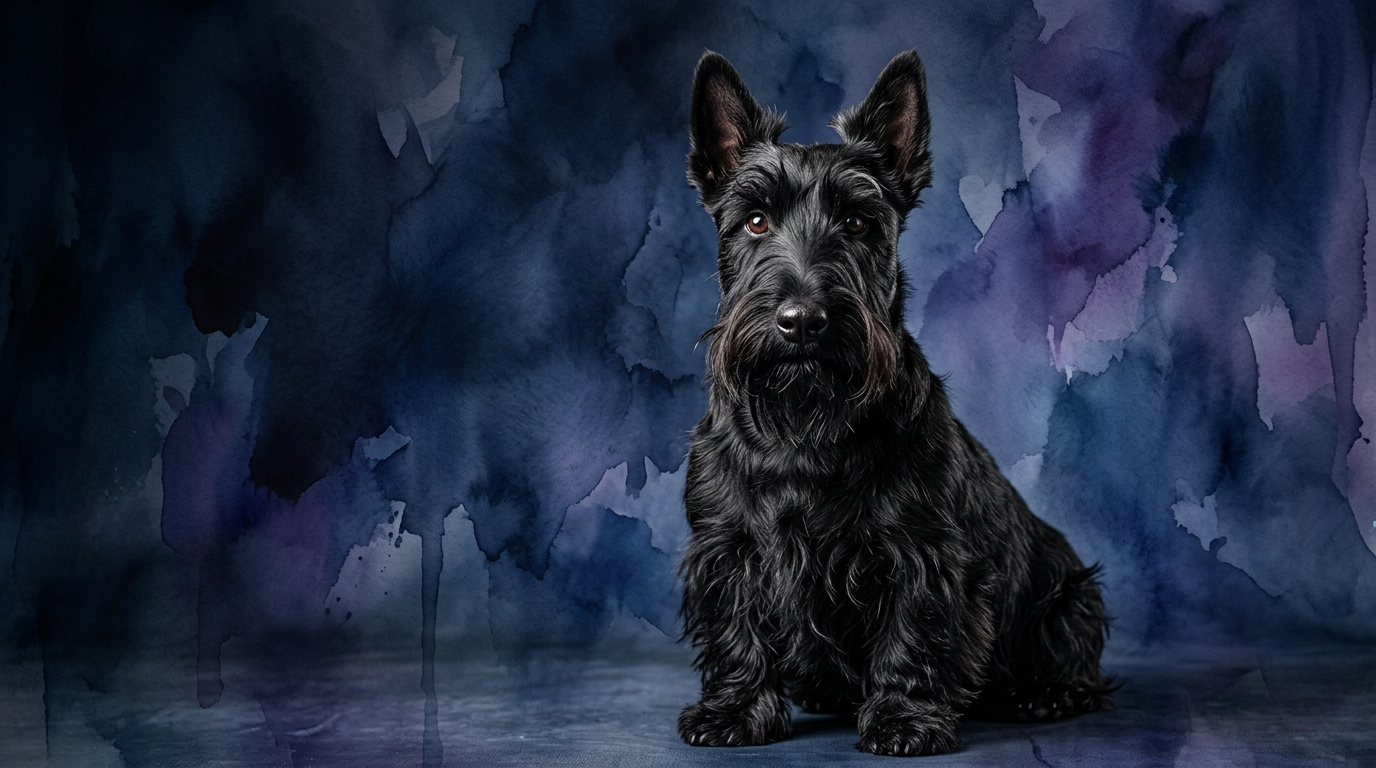
The Scottish Terrier, ranked #65 by Coren for working/obedience intelligence, offers a balanced yet distinct cognitive blueprint. Like the French Bulldog, their Problem Solving is 3/5, signifying a moderate ability to figure things out and adapt to new situations. Their Training Speed is also 3/5, suggesting a similar learning pace for commands and routines, requiring consistent and engaging methods.
The Scottish Terrier's Social Intelligence is 3/5, indicating they are capable of forming strong bonds and understanding human interaction, but perhaps with a more reserved or independent demeanor compared to the French Bulldog. Their Instinctive Drive is 3/5, a moderate score that reflects their terrier heritage—a natural inclination towards exploring, digging, and potentially a prey drive, which shapes their engagement with the environment. Memory, at 3/5, ensures they recall past experiences and training effectively.
Where the French Bulldog Excels Cognitively
The French Bulldog's preeminent cognitive strength lies in their exceptional Social Intelligence, scoring a remarkable 5/5. This isn't merely about being friendly; it signifies a profound capacity to perceive, interpret, and respond to human social cues, emotional states, and intentions. They possess an innate ability to 'read the room,' understanding subtle shifts in your mood or attention, and often adapting their behavior to elicit positive interaction or comfort.
This heightened social awareness makes them incredibly empathetic companions, capable of forming deep, intuitive bonds. Their low Instinctive Drive (2/5) further supports this social focus, as they are less distracted by environmental urges like chasing squirrels or digging holes, allowing their attention to remain primarily centered on their human family. This cognitive architecture makes them masters of domestic harmony, thriving on connection and reciprocal understanding.
Where the Scottish Terrier Excels Cognitively
The Scottish Terrier's cognitive advantages are rooted in a different kind of engagement with the world, particularly their balanced Instinctive Drive (3/5) and their Coren ranking. While their individual dimension scores appear moderate, the combination suggests a more robust, independent cognitive approach. Their 3/5 Instinctive Drive points to an inherent curiosity and a drive to interact with their environment in a more exploratory and purposeful way than the French Bulldog. This can manifest as a keen interest in scents, a desire to investigate novel situations, or even a determined approach to a perceived 'task,' however small.
Their Coren ranking of #65, unlike the unranked French Bulldog, places them within the realm of breeds recognized for their 'working and obedience intelligence.' This implies a cognitive capacity for understanding and executing commands reliably, even if their independent terrier spirit means they might choose to do so on their own terms. This combination of moderate drive and recognized obedience capacity showcases a breed that is cognitively engaged with both their human partners and their surroundings, often requiring mental stimulation that taps into their inherent terrier traits.
Training Dynamics: Which is Easier and Why?
When considering ease of training, both breeds score 3/5 for Training Speed, indicating they learn new commands at a moderate pace. However, the approach to training and the perceived ease can differ significantly due to their other cognitive traits. The French Bulldog, with its outstanding Social Intelligence (5/5) and low Instinctive Drive (2/5), often appears easier to train for basic obedience and manners. They are highly motivated by human attention and approval, making positive reinforcement exceptionally effective. Their strong desire to please and connect means they are generally eager participants in training sessions, less prone to independent diversions. While they may not grasp complex sequences instantly due to their moderate problem-solving, their willingness and focus on their handler make the process feel smoother and more rewarding for the owner.
The Scottish Terrier, by contrast, presents a different training dynamic. While equally capable of learning new commands (Training Speed 3/5), their moderate Social Intelligence (3/5) means they might be less overtly driven by pure human approval. Their Instinctive Drive (3/5) also means they can be more easily distracted by interesting scents, sights, or the urge to dig or chase, requiring a more consistent and engaging training strategy to hold their attention. Their independent terrier spirit means they can sometimes be perceived as 'stubborn,' but it's often a reflection of their cognitive preference for engaging with their environment or following their own agenda rather than a lack of understanding. Successful training with a Scottie often involves making the training itself a stimulating game, tapping into their natural curiosity and drive, and maintaining firm, fair leadership to guide their independent spirit.
Lifestyle Match: Active vs. Relaxed Owners
For owners seeking a more relaxed pace of life, the French Bulldog is often an ideal match. Their low Instinctive Drive (2/5) means they have less inherent need for vigorous physical activity or complex, purpose-driven tasks. They thrive on companionship, enjoying being close to their human family members, whether it's lounging on the sofa or a leisurely stroll around the block. Their high Social Intelligence (5/5) means they gain immense cognitive satisfaction from interacting with people, understanding family dynamics, and simply being a central part of the household's social fabric. They are content with moderate mental stimulation that often involves interactive play, puzzle toys, and consistent social engagement, making them perfect for those who prioritize a calm, affectionate presence.
The Scottish Terrier, while not requiring marathon runs, generally suits owners who appreciate a dog with a more independent and engaged approach to life. Their moderate Instinctive Drive (3/5) suggests a greater need for mental and physical activity that taps into their natural curiosity and terrier instincts. They enjoy exploring, investigating, and having opportunities to 'work' their brains, even if it's just scent-tracking in the yard or a structured game of fetch. Owners who enjoy consistent, engaging training, providing puzzle toys, and offering safe outlets for their dog's exploratory nature will find the Scottie a rewarding companion. They are suitable for those who are prepared to channel that terrier drive into positive activities, offering a balance of independent engagement and loyal companionship.
The Verdict
Choose French Bulldog if you prioritize a deeply socially intelligent companion who thrives on human connection, requires moderate physical activity, and offers an empathetic presence in a relaxed household.
Choose Scottish Terrier if you appreciate an independent spirit with a moderate drive for exploration, are prepared for consistent and engaging training, and enjoy a dog that interacts with its world with curiosity and purpose.
🧠 Find Your Pet's IQ Score
Our Pet IQ Lab assessment covers 25+ tests across 5 cognitive dimensions — personalized to your breed.
Take the Full IQ Test →Frequently Asked Questions
Are French Bulldogs good at understanding human emotions?
Yes, French Bulldogs excel in this area, scoring 5/5 in Social Intelligence. They are highly attuned to human emotions and social cues, often adapting their behavior to comfort or engage their owners effectively. This makes them exceptionally empathetic and intuitive companions within a family setting.
Do Scottish Terriers need a lot of mental stimulation?
Scottish Terriers benefit significantly from consistent mental stimulation due to their moderate Instinctive Drive and independent nature. Activities like puzzle toys, scent work, and engaging training sessions help satisfy their cognitive needs and prevent boredom, channeling their terrier curiosity constructively.
Which breed is generally better for first-time dog owners?
The French Bulldog's high social intelligence and lower instinctive drive often make them a more straightforward choice for first-time owners seeking an affectionate, less demanding companion. Scottish Terriers, while loyal, can present more training challenges due to their independent streak and terrier instincts, requiring a more experienced approach to guidance.