Side-by-Side IQ Profile: GSP vs. Malamute
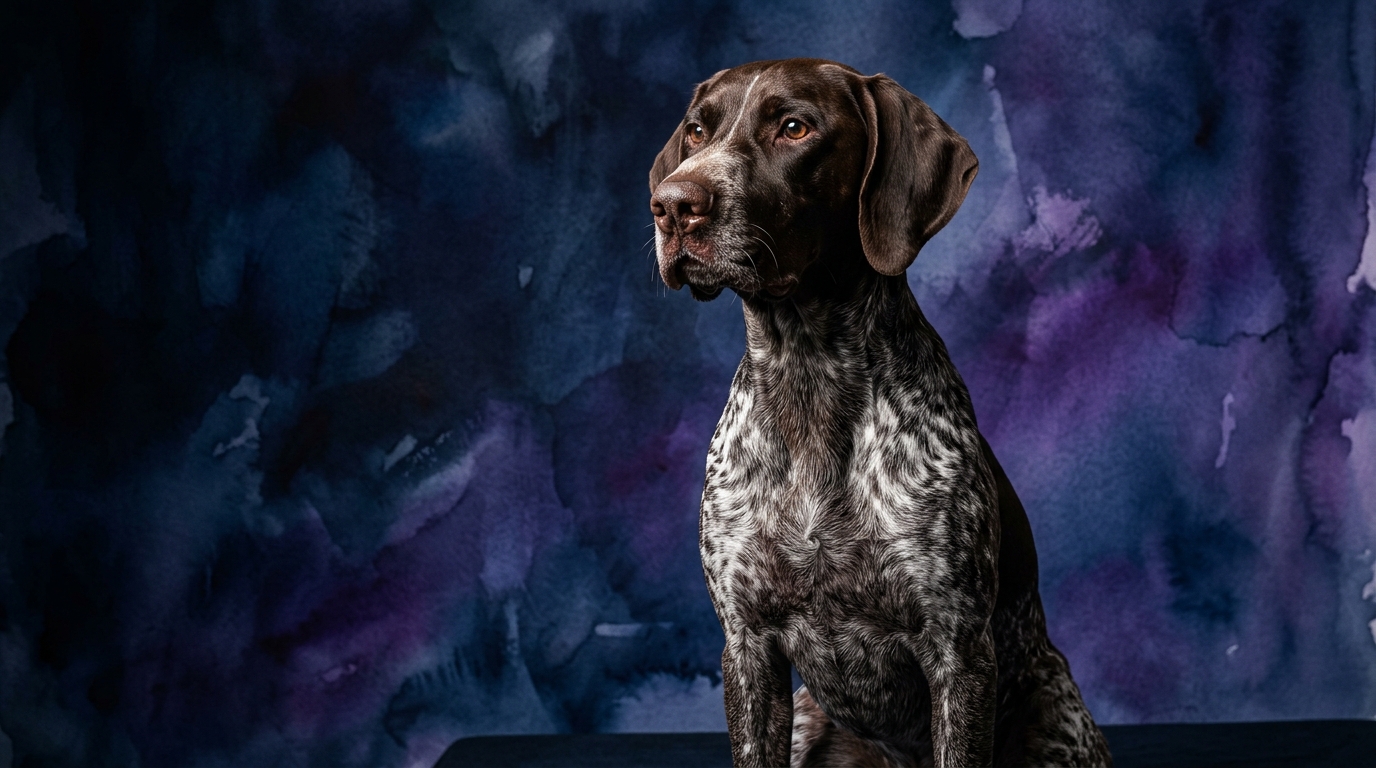
The German Shorthaired Pointer (GSP), a Sporting group member, ranks impressively at #17 on the Coren scale for obedience intelligence, reflecting their capacity for learning and following commands. The Cosmic Pet Pet IQ Lab assesses their Problem Solving at 5/5, indicating a sharp mind adept at navigating complex situations and adapting to new challenges. Their Training Speed is rated 4/5, meaning they grasp new commands quickly and are generally eager to comply, making them highly responsive partners in various activities. Social Intelligence for the GSP stands at 4/5, showcasing their attunement to human cues and social dynamics, which is crucial for their collaborative hunting role. Their Instinctive Drive is a powerful 5/5, directly linked to their heritage as versatile hunting dogs, while their Memory is a strong 4/5, allowing them to recall learned behaviors and past experiences effectively.
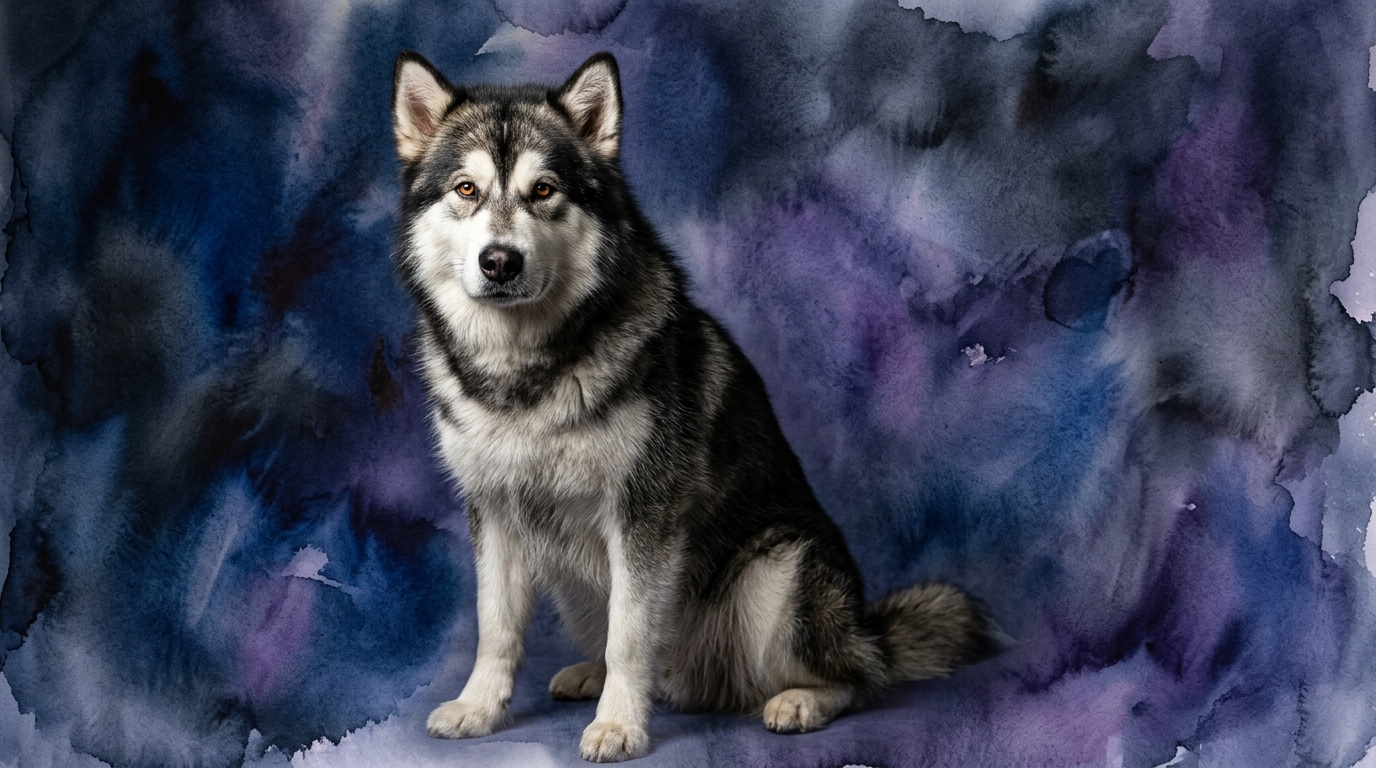
In contrast, the Alaskan Malamute, a stalwart of the Working group, holds a Coren rank of #50, suggesting a different approach to obedience and learning. Our IQ Lab data places their Problem Solving at 4/5, demonstrating solid cognitive abilities for independent decision-making, often in challenging environments. However, their Training Speed is 2/5, indicating a more deliberate and often self-motivated learning pace, requiring patience and creative engagement from their handlers. Their Social Intelligence is 3/5, suggesting they form strong bonds but might be less overtly focused on human approval than some breeds, prioritizing their own judgment in certain situations. Like the GSP, the Malamute boasts an Instinctive Drive of 5/5, geared towards endurance and pulling heavy loads, a testament to their sled dog origins. Their Memory is also a commendable 4/5, vital for navigating vast terrains and remembering routines.
Where the German Shorthaired Pointer Excels Cognitively
The GSP's cognitive strengths are deeply rooted in their purpose as a versatile hunting companion, requiring quick decision-making and precise execution. Their 5/5 Problem Solving ability shines when faced with tasks that demand strategic thinking and adaptability, such as navigating varied terrain to locate game or learning multi-step field commands. This proficiency allows them to quickly assess environmental cues and formulate effective responses, often working in close partnership with a handler.
Furthermore, the GSP's 4/5 Training Speed and 4/5 Social Intelligence give them a distinct edge in environments where rapid learning and responsiveness to human direction are paramount. They are typically eager to please and highly receptive to instruction, making them adept pupils for complex obedience, agility, or field trials. Their ability to read and respond to subtle handler signals is a hallmark of their collaborative intelligence, demonstrating a deep understanding of their role within a human-dog team.
Where the Alaskan Malamute Excels Cognitively
The Alaskan Malamute's cognitive profile reflects their heritage as independent, resilient sled dogs, where survival often depended on their own judgment. Their 4/5 Problem Solving, while slightly lower than the GSP's, is characterized by a robust capacity for self-reliance and ingenious solutions, particularly in novel or challenging outdoor scenarios. This means they are adept at figuring things out on their own, whether it's finding a way around an obstacle or strategizing to achieve a desired outcome, even if it doesn't align with human instruction.
The Malamute's formidable 5/5 Instinctive Drive is a cornerstone of their cognitive makeup, fueling their endurance and determination in tasks that demand sustained effort, such as pulling or long-distance trekking. Coupled with a 4/5 Memory, they excel at remembering routes, tasks, and the intricacies of their environment, which was crucial for their survival and work in harsh Arctic conditions. While their Training Speed is lower, their independent nature means they often learn by observation and repetition on their own terms, internalizing skills rather than simply following commands.
Training Dynamics: GSP Responsiveness vs. Malamute Independence
When it comes to training, the German Shorthaired Pointer's 4/5 Training Speed and 4/5 Social Intelligence make them generally more straightforward to teach. They typically possess a strong desire to cooperate and receive positive reinforcement, translating into a quicker uptake of commands and a willingness to perform. Their focus on their handler and their innate drive to work collaboratively mean they are often highly motivated by praise and the opportunity to engage in activities with their human companions, making them excellent candidates for advanced obedience and dog sports.
The Alaskan Malamute, with a Training Speed of 2/5 and Social Intelligence of 3/5, presents a different training experience. Their independent nature means they are less inclined to follow commands without understanding the 'why' or if they perceive a more appealing alternative. This isn't a lack of cognitive ability, but rather a strong will and self-direction. Training a Malamute requires immense patience, consistency, and a deep understanding of what motivates them, often leveraging their love for pulling or exploring rather than pure compliance. They tend to learn at their own pace and may require more creative methods to maintain engagement, often responding best to fair, clear leadership rather than forceful methods.
Matching Breeds to Owner Lifestyles
For active owners seeking a highly engaged and responsive partner, the German Shorthaired Pointer is an ideal match. Their high Problem Solving and Training Speed mean they thrive on mental stimulation through advanced training, dog sports, or field work. Owners who enjoy activities like running, hiking, hunting, or competitive obedience will find the GSP to be an enthusiastic and capable companion, constantly seeking engagement and new challenges. Their collaborative social intelligence makes them eager participants in family life, but they do require consistent mental and physical outlets to prevent boredom.
Conversely, the Alaskan Malamute suits active, patient owners who appreciate an independent spirit and are prepared for a dog with a strong will. While they require extensive physical exercise, their cognitive approach is less about quick compliance and more about self-directed exploration and endurance. Owners who enjoy long treks, skijoring, or other endurance activities will find a devoted, albeit opinionated, partner. Relaxed owners may struggle with the Malamute's need for consistent physical outlets and their independent problem-solving tendencies, which can manifest as stubbornness if not properly channeled through firm, consistent leadership and appropriate mental engagement.
The Verdict
Choose the German Shorthaired Pointer if you seek a highly responsive, eager-to-please companion for complex training, dog sports, or collaborative outdoor adventures, thriving on constant mental engagement and partnership.
Opt for the Alaskan Malamute if you value an independent, resilient companion for endurance activities and appreciate a dog with a self-directed mind, provided you can offer consistent leadership and ample physical outlets.
🧠 Find Your Pet's IQ Score
Our Pet IQ Lab assessment covers 25+ tests across 5 cognitive dimensions — personalized to your breed.
Take the Full IQ Test →Frequently Asked Questions
Is a German Shorthaired Pointer good for first-time dog owners?
While German Shorthaired Pointers are eager to learn, their high energy levels and need for consistent mental and physical stimulation can be a challenge for first-time owners. They require dedicated training and engagement to thrive, making them better suited for those prepared for an active and involved canine partnership.
Do Alaskan Malamutes need a lot of exercise?
Yes, Alaskan Malamutes absolutely require significant daily exercise to satisfy their powerful instinctive drive and maintain their physical and mental well-being. Their heritage as endurance sled dogs means they excel in long walks, runs, or pulling activities, and insufficient exercise can lead to destructive behaviors.
Which breed is better with children?
Both breeds can be good with children when properly socialized and trained, but their approaches differ. The German Shorthaired Pointer's higher social intelligence and eagerness to please often make them more attuned to family dynamics, while the Alaskan Malamute's independent nature means they may tolerate children rather than actively seeking interaction, requiring careful supervision due to their size and strength.