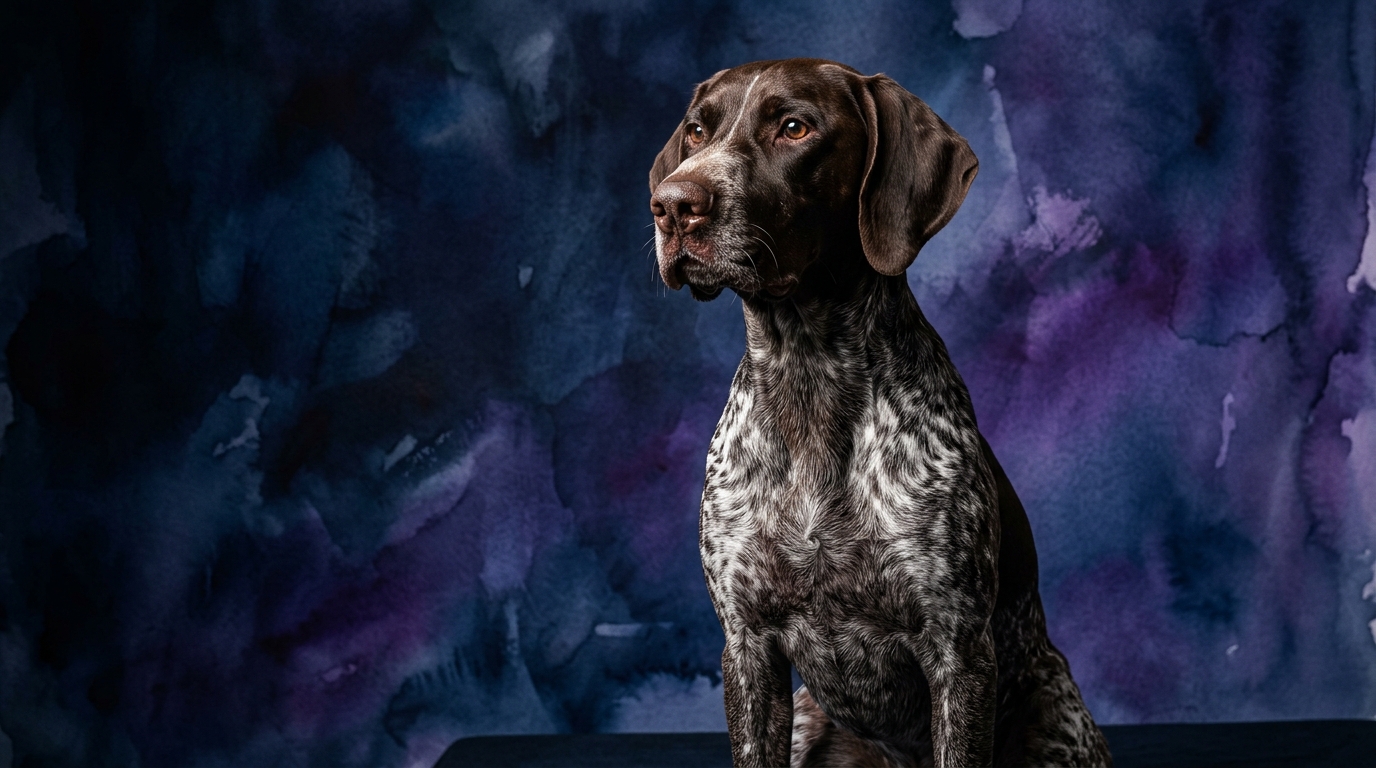
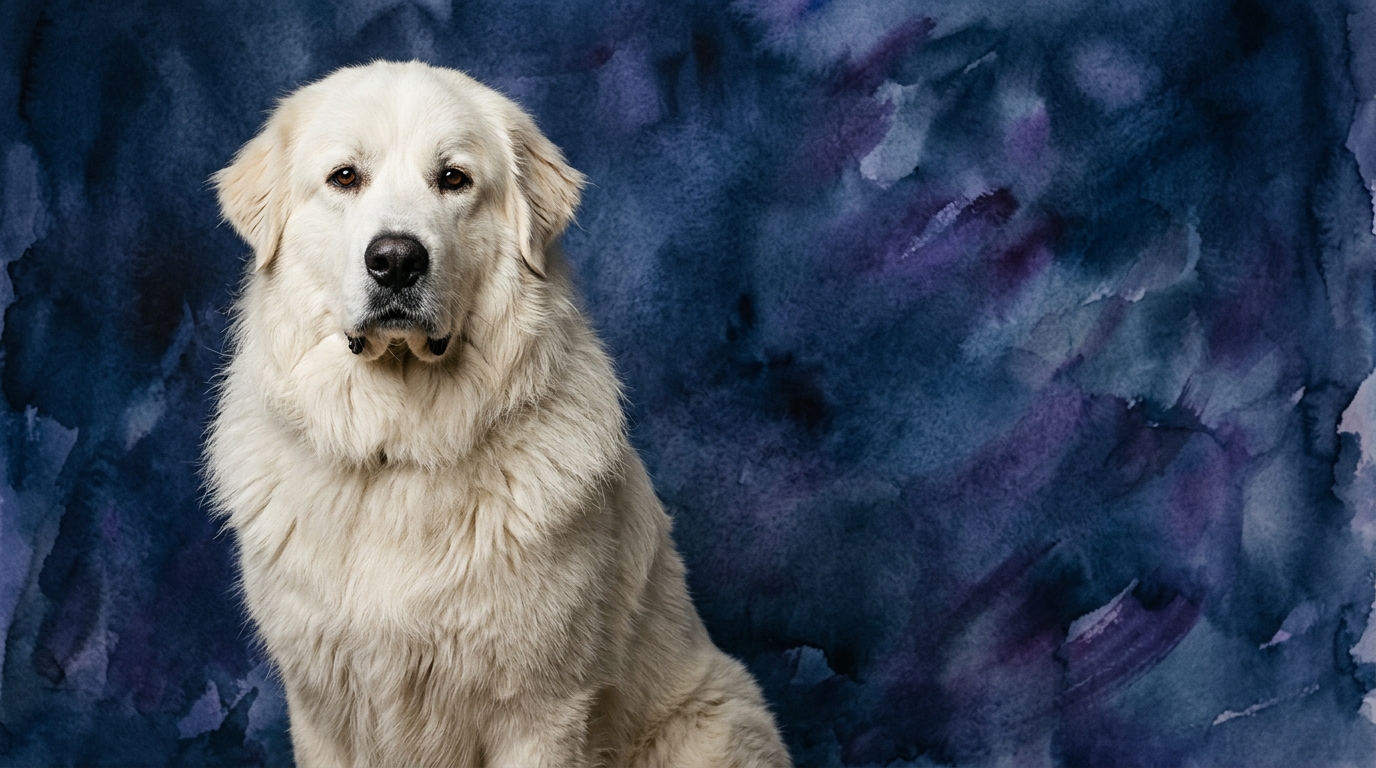
Side-by-Side IQ Profile: GSP vs. Great Pyrenees
The German Shorthaired Pointer (GSP), ranking 17th on the Coren intelligence scale, exhibits a formidable cognitive toolkit tailored for its demanding sporting role. Their Problem Solving is rated 5/5, indicating an exceptional capacity to navigate complex situations, strategize during a hunt, and adapt to changing environments with remarkable mental agility. Training Speed, at 4/5, reflects their eagerness and ability to rapidly grasp new commands and routines, a trait invaluable for intricate field work. Social Intelligence, also 4/5, highlights their aptitude for understanding human cues and intentions, crucial for collaborative tasks with their handler. An Instinctive Drive of 5/5 underscores their intense, inherent motivation for tracking, pointing, and retrieving, making them singularly focused on their primary purpose. Finally, their Memory, rated 4/5, allows them to retain extensive training, recall locations, and remember learned strategies over time, contributing to their efficiency and reliability in the field.
In stark contrast, the Great Pyrenees, positioned at 64th on the Coren scale, possesses a different, equally valid, cognitive architecture shaped by centuries of independent livestock guarding. Their Problem Solving is 3/5, suggesting a practical, situation-specific approach to challenges rather than intricate strategizing, primarily focused on threat assessment and defense. Training Speed, rated 3/5, points to a more deliberate and independent learning style; they learn at their own pace and often evaluate the necessity of a command before compliance. Social Intelligence, at 3/5, reflects their ability to interpret subtle cues from their flock and potential threats, rather than a strong inclination for human-centric collaboration, though they are certainly capable of bonding deeply with their families. Their Instinctive Drive, 3/5, is primarily channeled into protective behaviors, vigilance, and territorial defense, showcasing a deep-seated commitment to their charges. Lastly, a Memory rating of 3/5 indicates they retain important information related to their territory, flock, and perceived threats, but perhaps not the vast repertoire of specific commands a GSP masters.
Where the German Shorthaired Pointer Wins Cognitively
The German Shorthaired Pointer's cognitive strengths are undeniably rooted in its history as a versatile hunting companion, demanding rapid decision-making and precise execution. Their 5/5 Problem Solving capability means they excel at quickly assessing dynamic field conditions, such as tracking elusive game through varied terrain or navigating complex scent trails. This isn't just about following orders; it's about independent, context-aware reasoning to achieve a goal. Coupled with their 4/5 Training Speed, GSPs absorb new commands and elaborate sequences with impressive efficiency, allowing handlers to build a sophisticated working vocabulary and repertoire of behaviors. This speed of acquisition is a direct advantage in competitive dog sports or demanding hunting scenarios where precision and swift responses are paramount.
The GSP's 5/5 Instinctive Drive is a profound cognitive advantage, manifesting as an unwavering focus and relentless energy directed towards their innate purpose. This drive isn't merely physical; it's a deep mental commitment to the hunt, powering their ability to maintain concentration for extended periods and overcome distractions. This intense focus, combined with their 4/5 Memory, allows them to recall intricate search patterns, remember the locations of downed game, and retain complex training protocols, making them exceptionally reliable partners in the field. Their ability to integrate learned behaviors with powerful natural instincts creates a highly effective and adaptable working dog, capable of complex, multi-stage tasks with minimal repetition.
Where the Great Pyrenees Wins Cognitively
While the Great Pyrenees' IQ scores might appear lower by traditional metrics, their cognitive strengths are uniquely adapted to their original role: independent livestock guardianship. Their 3/5 Problem Solving isn't about rapid-fire command execution, but rather a slow, deliberate, and highly effective assessment of environmental threats and flock safety. This involves nuanced judgment, such as discerning between a harmless stranger and a genuine predator, or understanding the subtle distress signals of livestock. Their 3/5 Social Intelligence, while not geared towards human collaboration in the same way as a GSP, is acutely tuned to the dynamics of their flock, allowing them to anticipate needs, manage group behavior, and maintain order without direct human intervention. This independent reasoning and specialized social acumen are profoundly valuable in their specific vocation.
The Great Pyrenees' 3/5 Instinctive Drive is a powerful, self-directed force centered on protection and vigilance. This isn't a drive to retrieve or point, but an innate, unwavering commitment to their territory and charges, manifesting as constant observation, patrolling, and strategic positioning. This drive fosters a deep sense of responsibility and an intrinsic motivation to guard without needing constant human direction or reward. Their 3/5 Memory, while not focused on complex sequences, is highly effective for retaining critical information about their environment, including established boundaries, known threats, and the routines of their flock. They remember which individuals belong and which do not, and they learn the patterns of their surroundings, enabling them to act as highly effective, self-sufficient sentinels. Their success lies in their ability to make autonomous, life-or-death decisions based on accumulated experience and deep-seated protective instincts.
Which is Easier to Train and Why
When considering ease of training, the German Shorthaired Pointer generally presents a more straightforward experience for the average owner due to their specific cognitive profile. Their 4/5 Training Speed means they pick up commands quickly, often with just a few repetitions, and their 5/5 Problem Solving allows them to generalize learned behaviors to new situations with minimal prompting. GSPs possess a strong desire to work with their human partners and are highly motivated by praise, toys, or food, making positive reinforcement exceptionally effective. Their high instinctive drive, while requiring an outlet, can be skillfully channeled into focused training, transforming their natural inclinations into a powerful asset for learning complex tasks and obedience.
In contrast, the Great Pyrenees' training journey is often characterized by a more independent and deliberate approach. Their 3/5 Training Speed reflects a tendency to evaluate the purpose of a command before choosing to comply; they are not inherently driven by a desire to please in the same way a GSP is. Their 3/5 Problem Solving leans towards independent decision-making for guarding, rather than following intricate human instructions without question. This breed was developed to work autonomously, making self-reliance a deeply ingrained trait that can sometimes be perceived as stubbornness in traditional obedience settings. While they are certainly capable of learning, their training requires immense patience, consistency, and an understanding of their inherent independence, focusing on building a strong bond and mutual respect rather than absolute obedience.
Which Suits Active Owners vs. Relaxed Owners
The German Shorthaired Pointer is an ideal companion for active owners who relish outdoor adventures and can provide consistent mental and physical stimulation. Their 5/5 Instinctive Drive and high energy levels demand substantial daily exercise, including vigorous runs, hikes, or extended play sessions. Owners who enjoy dog sports like agility, flyball, or advanced obedience will find the GSP's 5/5 Problem Solving and 4/5 Training Speed make them eager and capable participants. Without adequate outlets for their intelligence and athleticism, GSPs can become bored and destructive, making them unsuitable for sedentary lifestyles. Their need for engagement and a "job" makes them thrive with owners who are committed to an energetic, interactive partnership.
Conversely, the Great Pyrenees aligns better with owners who appreciate a more relaxed, yet vigilant, presence and are prepared for a different kind of "activity." While they require daily walks and space to patrol, their energy expenditure is generally lower than a GSP's, often preferring to observe their surroundings from a comfortable vantage point. Their 3/5 Instinctive Drive is focused on guarding and territorial awareness, which translates into a watchful, calm demeanor indoors, but a strong need for secure outdoor spaces to fulfill their patrolling instincts. They are excellent companions for owners who value independence and a steadfast, protective presence, rather than a constant demand for high-intensity interaction. Owners who understand and respect the Pyrenees' self-sufficient nature, and are content with a slower pace, will find a deeply devoted companion.
The Verdict
Choose the German Shorthaired Pointer if you are an active individual or family seeking an eager, intelligent, and highly trainable partner for sports, hunting, or a dynamic lifestyle. Their cognitive profile demands engagement and offers immense rewards for owners ready to channel their boundless energy and sharp mind.
Opt for the Great Pyrenees if you value an independent, calm, and devoted guardian, understanding that their intelligence manifests as watchful self-reliance rather than eager obedience. They thrive in homes that appreciate their protective instincts and provide secure space for their territorial nature, suiting a more relaxed, yet observant, lifestyle.
🧠 Find Your Pet's IQ Score
Our Pet IQ Lab assessment covers 25+ tests across 5 cognitive dimensions — personalized to your breed.
Take the Full IQ Test →Frequently Asked Questions
Is a German Shorthaired Pointer good for first-time dog owners?
GSPs can be a challenge for first-time owners due to their high energy, strong drive, and need for consistent training and mental stimulation. Their intelligence means they learn quickly, but also require diligent management to prevent boredom and destructive behaviors.
Do Great Pyrenees need a lot of exercise?
Great Pyrenees require moderate exercise, typically preferring several leisurely walks or supervised outdoor time to patrol their territory rather than intense, prolonged activity. They need secure fencing to prevent wandering as their guarding instincts can lead them to expand their perceived territory.
Which breed is better with children?
Both breeds can be good with children, but in different ways. GSPs, with proper training and socialization, are playful and energetic companions, while Great Pyrenees are often gentle, patient, and protective of their family children, viewing them as part of their "flock." Supervision is always recommended with any breed and children.