Side-by-Side Cognitive Profile
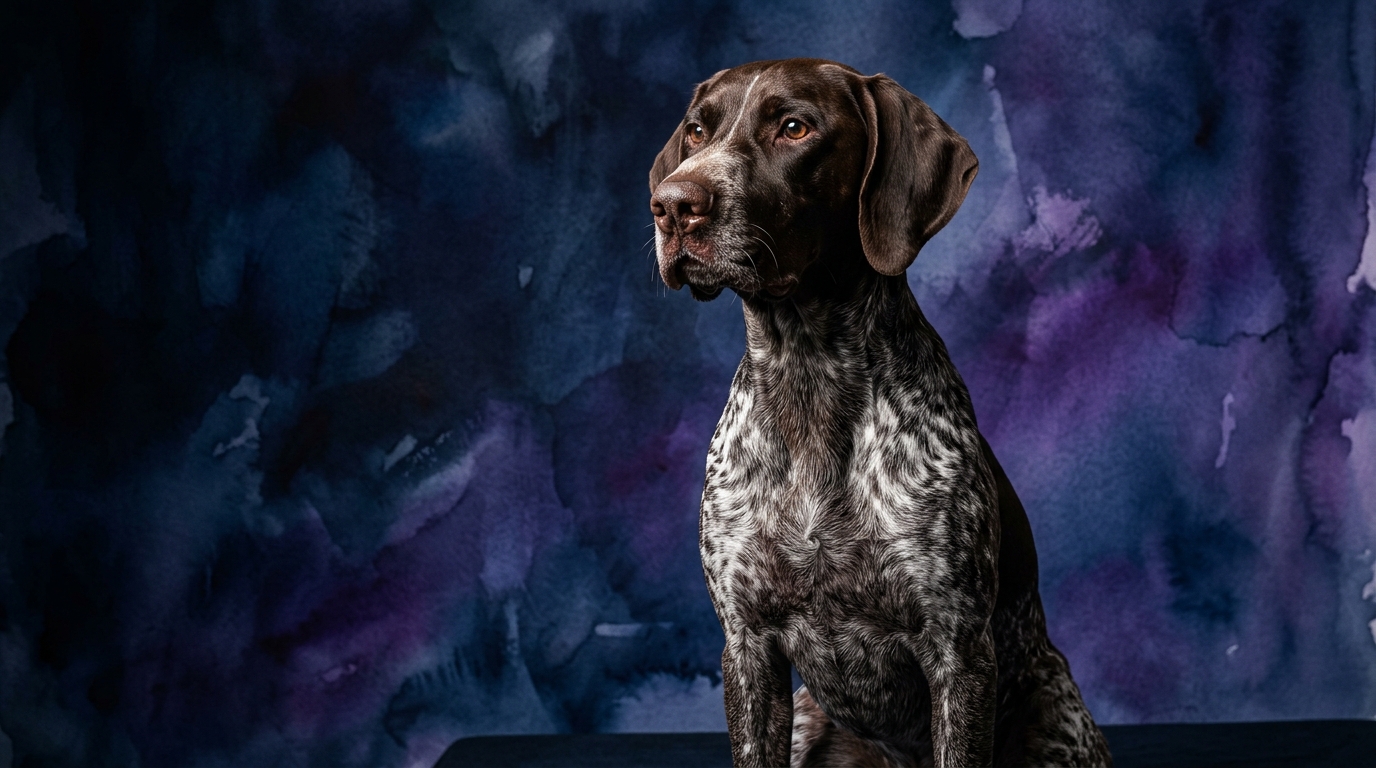
The German Shorthaired Pointer presents a formidable cognitive profile, marked by exceptional aptitudes. Their Problem Solving is rated a perfect 5/5, indicating a capacity for understanding and navigating complex situations, often involving sequences and strategic thought in pursuit of a goal. Training Speed stands at 4/5, reflecting their quick grasp of commands and a desire to engage in cooperative learning. Social Intelligence, also 4/5, enables them to read human cues with precision, fostering strong partnerships. An Instinctive Drive of 5/5 underscores their powerful genetic programming for scenting, pointing, and retrieving, making them highly purpose-driven. Finally, their Memory at 4/5 ensures they retain learned behaviors and recall experiences with efficiency.
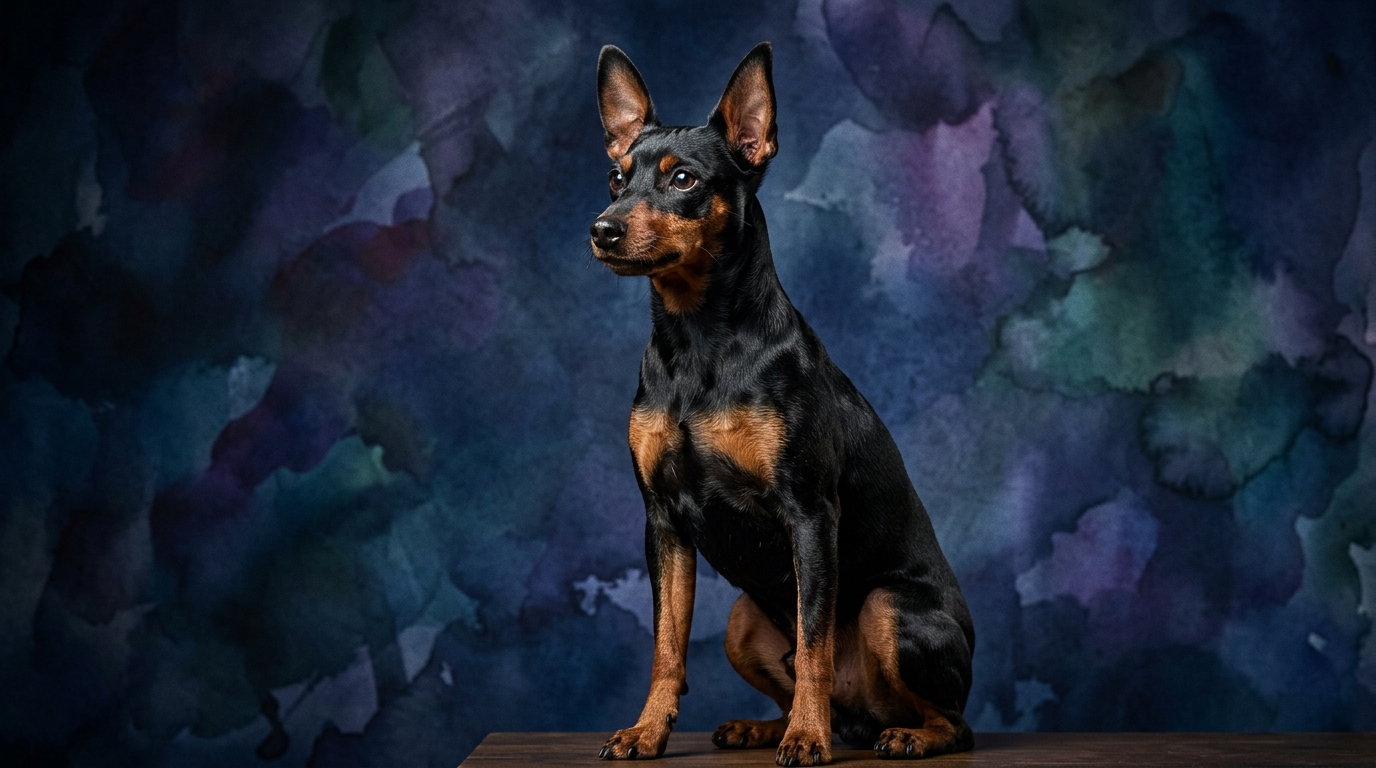
In contrast, the Miniature Pinscher's cognitive framework, while distinct, is equally adapted to its breed purpose. Their Problem Solving is rated 3/5, suggesting they can navigate challenges but may not seek out intricate puzzles, often preferring direct solutions or independent approaches. Training Speed is 3/5, indicating they are trainable but may require more consistent, patient methods due to their independent streak. Social Intelligence, at 3/5, points to a discerning nature where they form deep bonds with their inner circle but can be more reserved or observant with strangers. Their Instinctive Drive, also 3/5, manifests as alertness and a watchfulness over their territory, with a latent prey drive for small vermin rather than large game. Memory, rated 3/5, means they recall routines and commands, though perhaps not with the same intricate detail as a GSP.
Where the German Shorthaired Pointer Wins Cognitively
The German Shorthaired Pointer's cognitive superiority is most evident in tasks demanding sophisticated strategic thinking and sustained focus. Their 5/5 Problem Solving isn't just about figuring out how to open a treat puzzle; it extends to understanding complex multi-step commands and adapting tactics in dynamic environments, such as navigating varied terrain during a hunt or executing elaborate agility courses. This depth allows them to excel in roles requiring more than simple recall, but genuine situational awareness and decision-making.
A GSP's instinctive drive, rated 5/5, provides an unparalleled advantage in purpose-driven work. This isn't merely a desire to chase; it's a deeply ingrained behavioral sequence encompassing scent tracking, precise pointing, and gentle retrieving. This drive, when channeled, transforms into an intense focus and unwavering determination that few other breeds can match, making them exceptional partners in field sports, search and rescue, or detection work.
Their superior Training Speed and Social Intelligence combine to create a highly receptive learner. A GSP rapidly associates commands with actions and understands the nuances of human communication, including body language and tone. This means fewer repetitions are needed for skill acquisition, and they are more inclined to work collaboratively, seeking to understand and fulfill their handler's expectations.
Where the Miniature Pinscher Wins Cognitively
The Miniature Pinscher's cognitive strengths lie in areas often overlooked by traditional “working dog” metrics. Their 3/5 Problem Solving, while lower, reflects an independent and often tenacious approach. They might not solve a complex puzzle box designed for a GSP, but they excel at figuring out how to get what *they* want, whether it's outsmarting a gate latch or locating a hidden toy through sheer persistence and observation. This self-reliant problem-solving can be a distinct advantage in navigating varied home environments without constant human direction.
Their instinctive drive, rated 3/5, translates into an acute awareness of their immediate surroundings, making them vigilant and effective watchdogs. This isn't the sweeping scenting ability of a GSP, but rather a sharp focus on visual and auditory cues within their territory. They are quick to alert to perceived anomalies, providing a distinct cognitive advantage for home security and territorial awareness.
While their social intelligence is rated 3/5, it manifests as a highly discerning loyalty and protective instinct. They are adept at differentiating between familiar individuals and strangers, and their cognitive processes are geared towards identifying potential threats to their family unit. This acute social observation, though perhaps not broadly welcoming, ensures a deep, focused bond and a readiness to act as a family sentinel.
Which is Easier to Train and Why
The German Shorthaired Pointer is generally considered easier to train due to a confluence of favorable cognitive traits. Their 4/5 Training Speed means they quickly grasp new concepts, and their 4/5 Social Intelligence makes them eager to please and attuned to their handler's intentions. Coupled with a strong innate desire to work (5/5 Instinctive Drive) and excellent memory (4/5), GSPs are highly motivated by collaboration and purpose. They thrive on positive reinforcement and consistent guidance, often viewing training as an engaging partnership rather than a chore.
The Miniature Pinscher, with its 3/5 ratings across training speed, social intelligence, and memory, presents a different training dynamic. Their independent nature often requires more patience and creative engagement from their owner. Min Pins can be prone to “selective hearing” if they perceive a command as less interesting than an alternative activity. While perfectly capable of learning, their training success hinges on consistent, rewarding methods that make learning feel like their idea, or at least highly beneficial to them. Owners must understand that a Min Pin's intelligence often expresses itself through cleverness and determination, sometimes leading to perceived stubbornness if not properly channeled.
Which Suits Active Owners vs. Relaxed Owners
For active owners, the German Shorthaired Pointer is an ideal companion. Their high problem-solving capacity and intense instinctive drive demand significant physical and mental exercise daily. These are dogs built for endurance and purpose, thriving on activities like long runs, hiking, field work, agility, or extensive interactive play sessions that challenge both their bodies and minds. An under-stimulated GSP can quickly become bored, potentially leading to destructive behaviors as they invent their own “jobs” to satisfy their cognitive and physical needs.
The Miniature Pinscher, while energetic, is more adaptable to a range of owner activity levels. They certainly enjoy brisk walks, interactive play, and opportunities to explore, but their needs are not as demanding as the GSP's. They suit owners who appreciate consistent daily engagement and companionship, perhaps enjoying shorter, more frequent bursts of activity rather than marathon excursions. Their cognitive stimulation often comes from varied indoor games, puzzle toys, and monitoring their home environment, rather than complex field work. They can thrive with owners who are present and interactive, even if the activity isn't always high-impact.
The Verdict
Opt for a German Shorthaired Pointer if you are an active individual or family seeking a highly trainable, purpose-driven partner eager for complex tasks and extensive outdoor adventures.
Select a Miniature Pinscher if you desire a devoted, vigilant companion who thrives on consistent interaction, enjoys varied indoor and outdoor play, and offers spirited companionship with an independent flair.
🧠 Find Your Pet's IQ Score
Our Pet IQ Lab assessment covers 25+ tests across 5 cognitive dimensions — personalized to your breed.
Take the Full IQ Test →Frequently Asked Questions
Does Coren ranking relate to these IQ scores?
Coren's ranking primarily assesses obedience and working intelligence, which aligns closely with training speed and problem-solving. The GSP's #17 rank reflects its strong performance in these areas, while the Min Pin's lack of a specific rank doesn't diminish its unique cognitive strengths in other dimensions.
Are Miniature Pinschers difficult to house train?
Miniature Pinschers can sometimes be more challenging to house train due to their smaller bladder size and independent nature, which means they might not always signal their needs clearly. Consistent, positive reinforcement and frequent outdoor access are key to successful house training, leveraging their memory for routine.
How can I mentally stimulate a German Shorthaired Pointer indoors?
To mentally stimulate a German Shorthaired Pointer indoors, engage them with advanced puzzle toys, scent work games where they find hidden treats, or practice complex trick training sessions. These activities leverage their high problem-solving skills and instinctive drive, preventing boredom and channeling their energy positively.