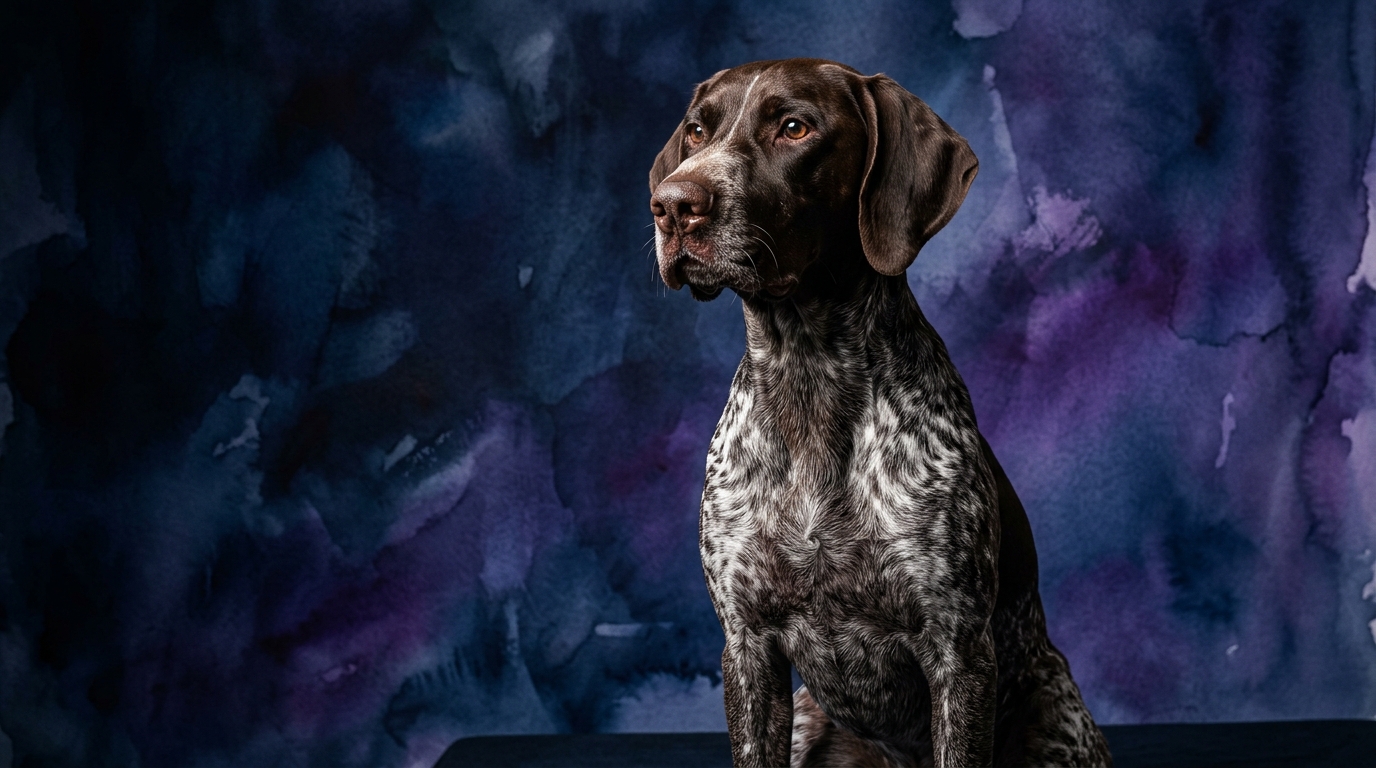
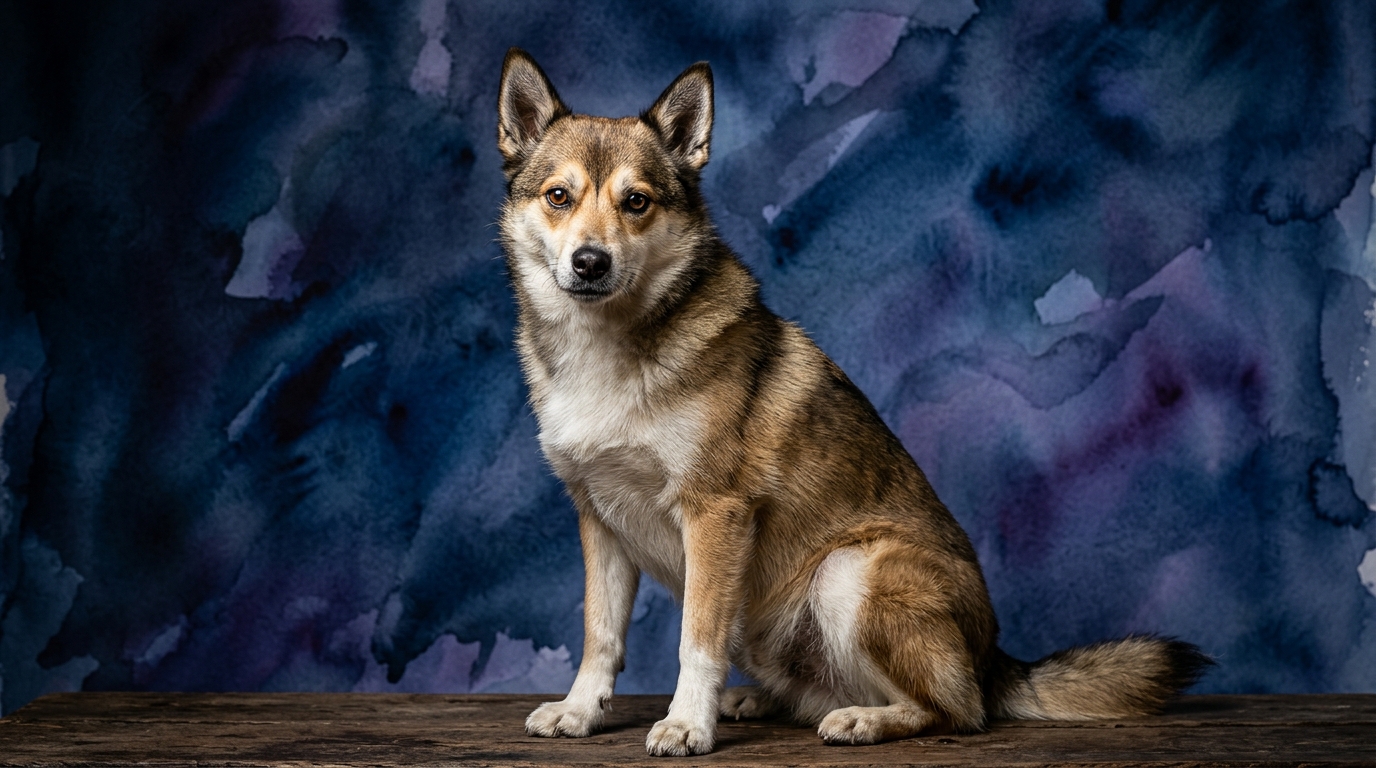
Side-by-Side Cognitive Profiles
The German Shorthaired Pointer (GSP) possesses a cognitive profile meticulously honed for its role as a versatile hunting companion. Their problem-solving capacity registers at a remarkable 5/5, reflecting an inherent ability to navigate complex environments, track elusive game, and make swift, effective decisions in the field. This breed's training speed is rated 4/5, indicating a strong aptitude for rapidly acquiring new commands and routines, often fueled by a pronounced desire to collaborate with their human partners. Their social intelligence, also at 4/5, allows them to form deep, responsive bonds and interpret human intentions with precision, which is crucial for coordinated activities. The GSP's instinctive drive is an impressive 5/5, manifesting as an intense focus on scent work, retrieval, and an expansive energy reserve for sustained physical activity, a direct legacy of their working heritage. Lastly, their memory, at 4/5, ensures they retain complex sequences of commands, intricate tracking routes, and learned behaviors over extended periods, establishing them as exceptionally reliable working dogs.
In stark contrast, the Norwegian Lundehund offers a cognitive blueprint shaped by a highly specialized, solitary hunting tradition. Their problem-solving ability scores 3/5; while capable of navigating challenges, their solutions often emerge from an independent, self-directed approach rather than seeking human direction. This translates to a training speed of 3/5; they can certainly learn, but their independent nature means successful training demands more patience, consistency, and motivational strategies tailored to their unique temperament. The Lundehund's social intelligence, also 3/5, suggests they form strong, affectionate bonds with their immediate family but can be more reserved or discerning with new people, often prioritizing their own comfort. Their instinctive drive, rated 3/5, is remarkable for its physical adaptations—extreme flexibility and climbing prowess for navigating Puffin nesting cliffs—rather than a generalized prey drive, making them less inclined towards typical retrieving or tracking tasks. Their memory, at 3/5, is perfectly sufficient for their needs, enabling recall of routines and navigation of familiar environments, though perhaps not with the same breadth as a breed designed for complex, cooperative endeavors.
Where the German Shorthaired Pointer Wins Cognitively
The GSP's cognitive strengths are deeply rooted in cooperation and versatility. Their 5/5 problem-solving and 4/5 training speed mean they excel at mastering intricate, multi-step commands, adapting swiftly to novel training methodologies, and performing complex tasks across varied environments. This makes them exceptional candidates for advanced obedience, agility, and competitive field trials, where rapid learning and precision are critical. Their high social intelligence (4/5) also means they are more finely attuned to human instruction and subtle body language, making them highly responsive partners in any activity demanding close collaboration. For an owner seeking a dog that can quickly master a broad repertoire of skills and execute them flawlessly under direction, the GSP's cognitive framework offers a clear advantage. Their superior memory (4/5) further enhances this, allowing them to retain vast amounts of information, from complex scent trails to elaborate trick sequences, sustaining high performance over time.
Where the Norwegian Lundehund Wins Cognitively
The Lundehund's cognitive triumphs lie in their self-reliance and specialized physical intelligence, a direct legacy of their Puffin-hunting past. While their problem-solving is rated 3/5, this often manifests as a tenacious, independent approach to challenges, rather than a reliance on human direction. They possess an exceptional spatial awareness and body control, enabling them to navigate complex, tight spaces and scale vertical surfaces with an agility unmatched by most breeds. Their 3/5 instinctive drive, though lower in generalized prey drive, is unparalleled in its specific adaptations, including remarkable joint flexibility in their neck, shoulders, and paws, which function as unique problem-solving tools for their ancestral niche. This physical ingenuity allows them to contort their bodies to extract Puffins from narrow rock crevices, a fascinating feat of embodied cognition. For owners who appreciate a dog with an independent spirit and an extraordinary, almost cat-like physical dexterity for navigating complex environments, the Lundehund's unique cognitive toolkit truly shines. Their memory, while 3/5, is perfectly suited for remembering intricate routes and safe pathways through challenging terrain.
Training Aptitude: GSP vs. Lundehund
The German Shorthaired Pointer is demonstrably easier to train, primarily due to their higher training speed (4/5) and strong social intelligence (4/5). GSPs possess an inherent eagerness to please and a powerful drive to work alongside their human companions, making them highly receptive to instruction. They thrive on positive reinforcement and clear directives, quickly grasping new concepts and commands. Their robust memory (4/5) ensures excellent retention, while their sustained instinctive drive (5/5) means they remain motivated through repetitive practice, which is essential for mastering complex behaviors. Behaviorally, a GSP is often described as "biddable," meaning they are naturally inclined to obey and cooperate, rendering the training process a more fluid and rewarding experience for both dog and owner. They respond well to structure and consistency, and their desire for interaction makes them keen participants in any learning endeavor.
The Norwegian Lundehund, with a training speed of 3/5 and social intelligence of 3/5, presents a more significant training challenge. Their history as solitary hunters fostered independence rather than a strong desire for human approval. Lundehunds are frequently described as having a "cat-like" personality, meaning they are intelligent but may choose when and if they wish to comply with commands. They require an owner with exceptional patience, a consistent positive reinforcement approach, and a deep understanding of their unique motivations. Forceful or overly repetitive training methods are likely to be met with stubbornness or disengagement. To succeed, training must be engaging, varied, and make the Lundehund feel like they are choosing to participate. Their problem-solving (3/5) is often applied to finding their own way rather than following a human-prescribed solution, further complicating traditional obedience.
Matching Canine Intelligence to Owner Lifestyles
For active owners, the German Shorthaired Pointer is an ideal match. Their 5/5 instinctive drive and boundless energy demand a lifestyle filled with vigorous exercise and ample mental stimulation. These dogs excel in activities like running, hiking, swimming, and especially field work or dog sports such as agility and dock diving. Owners who enjoy long daily adventures, competitive activities, or who can provide a working role for their dog will find the GSP to be an enthusiastic and tireless partner. Their cognitive abilities thrive when challenged with complex tasks and consistent engagement, which is crucial for preventing boredom and potential behavioral issues. A GSP needs a significant outlet for their physical and mental prowess, making them unsuitable for a sedentary household.
For more relaxed owners, the Norwegian Lundehund might seem appealing due to their lower general energy output compared to a GSP, but they are not necessarily a "relaxed" dog in terms of management. While they don't require the same intense, sustained physical exertion as a GSP, their unique cognitive profile and independent nature demand a different kind of owner engagement. They thrive with owners who appreciate their quirky personality, can provide consistent, gentle training, and understand their need for mental stimulation that caters to their independent problem-solving style, perhaps through puzzle toys or exploring safe, varied environments. A "relaxed" owner for a Lundehund is one who is patient, consistent, and willing to adapt their expectations to the dog's unique temperament, rather than expecting a highly biddable companion. They do enjoy cuddles, but on their own terms, and their specialized physical abilities mean they can get into surprisingly tight spots, requiring a vigilant owner.
The Verdict
Choose a German Shorthaired Pointer if you are an active, experienced owner seeking a highly trainable, driven, and cooperative canine partner for intense physical activities, competitive dog sports, or a working role. Their eagerness to please and cognitive capacity for complex learning make them ideal for those who can provide consistent training and ample outlets for their boundless energy and sharp mind.
Opt for a Norwegian Lundehund if you appreciate a dog with a distinctive, independent personality, unique physical adaptations, and a strong sense of self. They suit patient, understanding owners who can provide gentle, consistent training, appreciate their quirky problem-solving, and are prepared for a dog that might offer affection and compliance on its own terms, thriving in a secure, engaging home environment.
🧠 Find Your Pet's IQ Score
Our Pet IQ Lab assessment covers 25+ tests across 5 cognitive dimensions — personalized to your breed.
Take the Full IQ Test →Frequently Asked Questions
Is the Norwegian Lundehund truly less intelligent than the German Shorthaired Pointer?
No, it's more accurate to say their intelligence is differently specialized. The GSP excels in cooperative problem-solving and training speed, reflecting its role as a versatile hunting partner. The Lundehund's cognitive strengths lie in independent, physical problem-solving, adapted for its unique ancestral task of hunting Puffins in challenging terrain, rather than broad obedience.
Can a Norwegian Lundehund be a good family dog despite its independence?
Yes, a Norwegian Lundehund can be a wonderful family dog, forming deep, affectionate bonds with its immediate human family members. However, their independent streak means they thrive with consistent, positive training and may be more reserved with strangers, requiring early socialization to ensure they are comfortable in various social settings.
What kind of mental stimulation does a German Shorthaired Pointer need?
A German Shorthaired Pointer requires significant mental stimulation to prevent boredom, given their high problem-solving and instinctive drive. This can include advanced obedience training, complex puzzle toys, scent work, agility courses, and engaging in sports that challenge both their body and mind, such as field trials or dock diving.