Side-by-Side IQ Profile: Collaborative vs. Independent Cognition
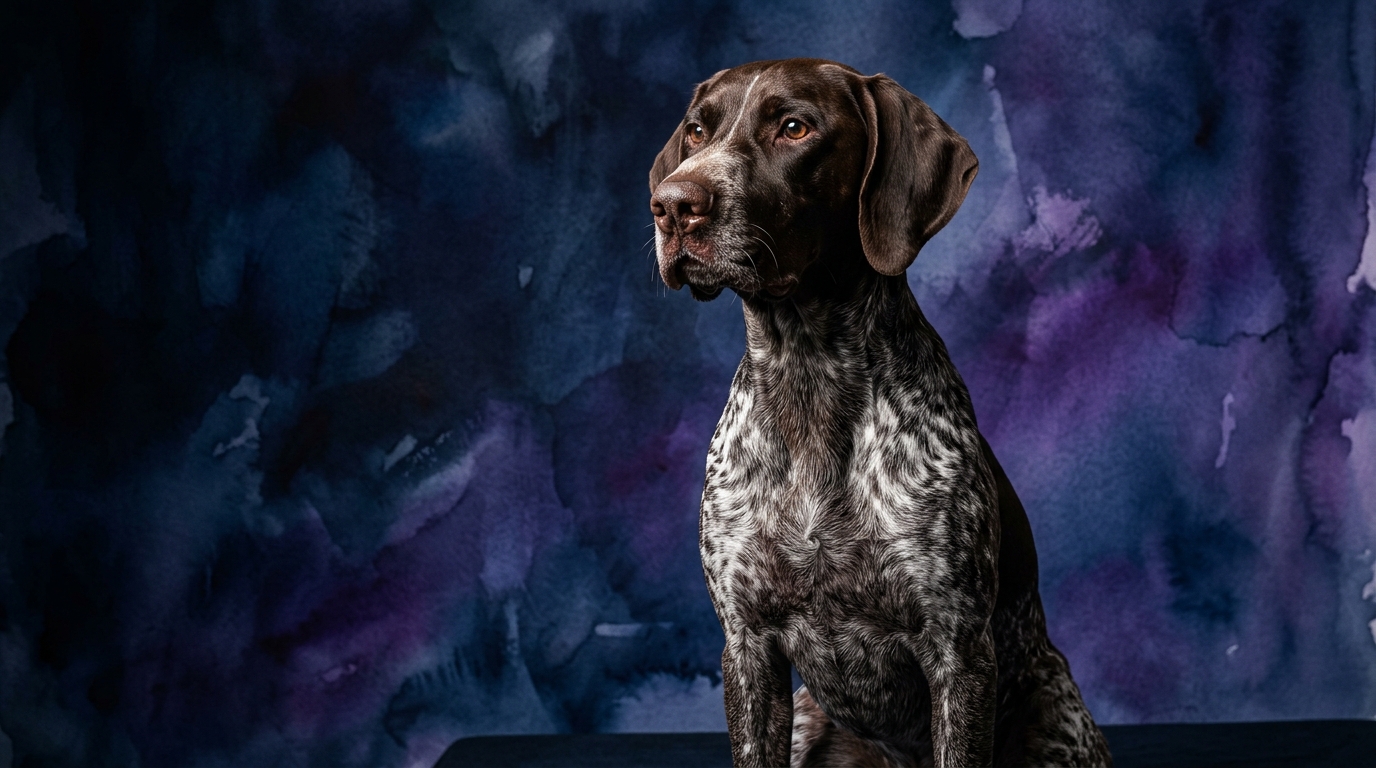
**German Shorthaired Pointer (GSP): A Symphony of Collaborative Cognition**
**Problem Solving (5/5):** The GSP excels at navigating complex environments to locate game, interpret scent trails, and execute multi-step retrieval tasks, often requiring creative solutions in dynamic outdoor settings. Their cognitive strength lies in actively engaging with challenges alongside a human partner, rapidly adapting to new scenarios.
**Training Speed (4/5):** Possessing a remarkable eagerness to please and a high capacity for learning, GSPs typically pick up new commands and routines with impressive speed. Their attentiveness to human cues and strong motivation for engagement make them highly receptive students, often requiring fewer repetitions to solidify a behavior.
**Social Intelligence (4/5):** These dogs are adept at reading human body language and vocalizations, facilitating their role as cooperative hunting companions. They integrate well into family dynamics, understanding social hierarchies and responding appropriately to various interactions, showing a keen awareness of their human partners' intentions.
**Instinctive Drive (5/5):** The GSP's genetic blueprint is saturated with powerful hunting instincts, encompassing a relentless prey drive, an innate ability to point, and a strong urge to retrieve. This drive isn't merely physical; it fuels their cognitive engagement in tasks that mimic their historical purpose, making them highly focused and persistent.
**Memory (4/5):** GSPs demonstrate a robust memory for learned commands, complex routes, and the intricate details of scent patterns, which is critical for their work in the field. They recall training sequences and past experiences effectively, allowing for consistent performance and the building of elaborate skill sets.
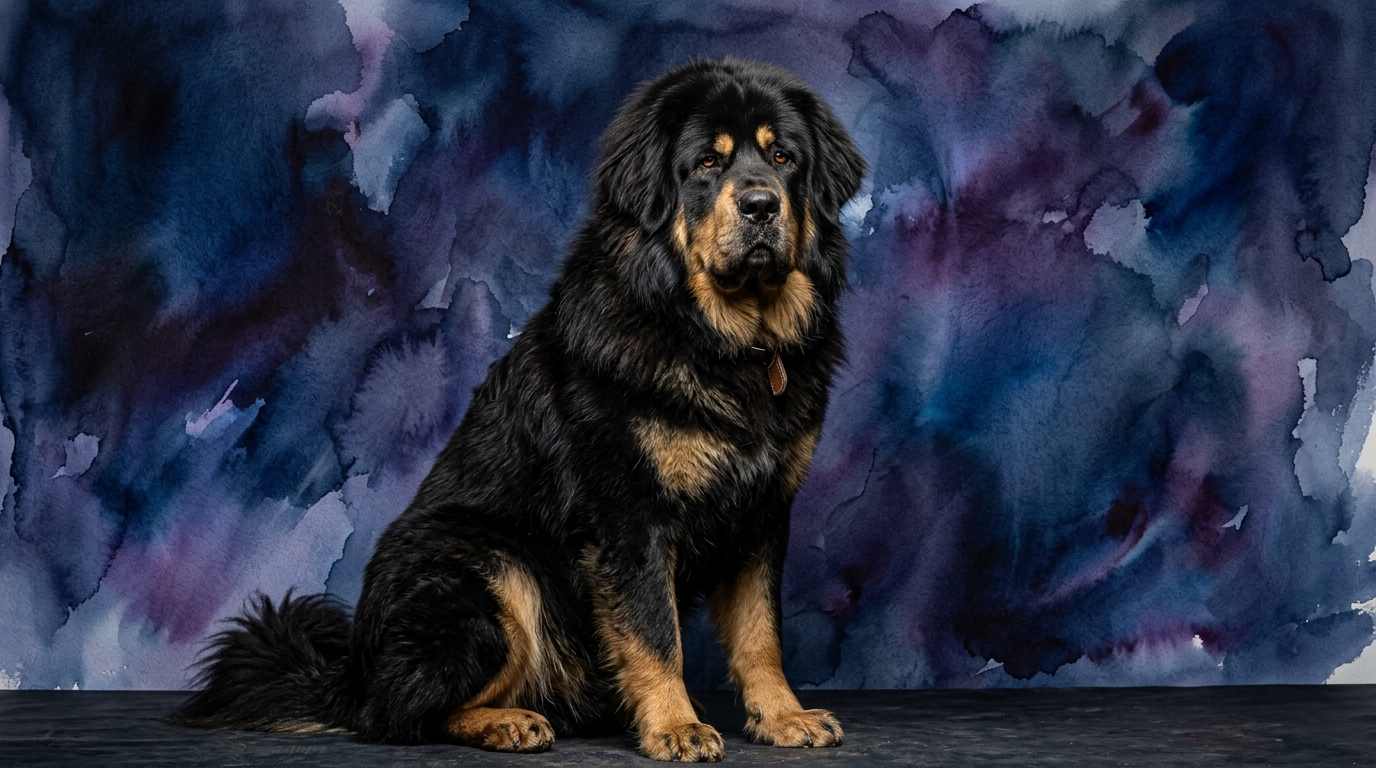
**Tibetan Mastiff (TM): The Independent Sentinel's Mind**
**Problem Solving (3/5):** The Tibetan Mastiff's problem-solving is primarily directed towards assessing and responding to potential threats within its territory, rather than solving human-initiated puzzles. Their cognitive approach leans towards autonomous decision-making in matters of security, evaluating risks and acting on their own judgment without constant human direction.
**Training Speed (3/5):** TMs learn at a more deliberate pace, often requiring significant patience and consistent reinforcement. Their independent nature means they are less motivated by the desire to please and more by understanding the practical utility of a command or by their own innate sense of purpose. This results in a slower, more considered uptake of new instructions.
**Social Intelligence (3/5):** While deeply loyal to their immediate family, the Tibetan Mastiff's social intelligence is geared towards discerning friend from potential foe. They are often reserved with strangers and possess a nuanced understanding of their family unit's dynamics, acting as a watchful protector. Their social cues are more about subtle vigilance than open collaboration with a wide social circle.
**Instinctive Drive (3/5):** The predominant instinctive drive in the Tibetan Mastiff is territorial guarding and protection of livestock or family. This manifests as a strong sense of responsibility for their domain, often involving patrolling, alert barking, and a resolute stance against perceived intruders. This drive is rooted in self-sufficiency and vigilance, not active pursuit or retrieval.
**Memory (3/5):** TMs possess a practical memory, recalling routines, recognized individuals (both family and trusted visitors), and areas of their territory that require vigilance. Their memory serves their primary function of guardianship, enabling them to identify patterns and anomalies within their established environment over time.
Where the German Shorthaired Pointer Wins Cognitively
The GSP's cognitive architecture is a clear winner in scenarios demanding rapid learning, precise execution of sequential commands, and enthusiastic human-canine collaboration. Their superior problem-solving (5/5) means they excel at understanding and navigating complex tasks presented by a handler, such as intricate agility courses or multi-stage retrieving operations. This isn't just about physical ability; it's about processing complex instructions quickly and adapting their approach. Furthermore, their high training speed (4/5) and social intelligence (4/5) allow them to form deep, responsive partnerships, quickly absorbing new information and applying it to solve challenges in real-time, making them exceptional candidates for performance sports and working roles that require constant interaction and feedback.
Where the Tibetan Mastiff Wins Cognitively
The Tibetan Mastiff's cognitive strengths shine brightest in areas requiring independent thought, self-reliance, and an unwavering commitment to guardianship without direct human intervention. Their problem-solving (3/5) might not align with human-designed puzzles, but it is acutely honed for autonomous threat assessment and resource protection. A TM excels at surveying its territory, identifying subtle shifts in environment or presence, and making calculated decisions about potential dangers. Their social intelligence (3/5) is less about pleasing a handler and more about discerning intent, making them astute judges of character and formidable protectors who rely on their own judgment to manage their domain, a crucial advantage in their traditional role.
Training Dynamics: GSP's Eagerness vs. TM's Independence
Without question, the German Shorthaired Pointer is significantly easier to train. Their innate eagerness to please, coupled with a high motivational drive for interaction and rewards, makes them highly receptive students. GSPs thrive on positive reinforcement and readily associate commands with actions, often demonstrating a strong desire to understand and comply. Their high social intelligence (4/5) means they are constantly looking to their handler for cues and feedback, making the training process a cooperative endeavor. In contrast, the Tibetan Mastiff's independent nature and lower intrinsic motivation to please humans present a greater training challenge. TMs learn at a more deliberate pace, often questioning the necessity or logic of a command if it doesn't align with their protective instincts or perceived purpose. Training a TM requires immense patience, consistency, and a deep understanding of their unique psychology, focusing on building respect rather than relying on an eager-to-please temperament.
Owner Lifestyles: Active Engagement vs. Steadfast Guardianship
The German Shorthaired Pointer is an ideal match for active owners who relish outdoor adventures and are prepared to provide substantial physical and mental stimulation. Their pronounced instinctive drive (5/5) and high energy levels demand daily outlets for running, exploring, and engaging in activities like hunting, dock diving, or agility. An owner who enjoys hiking, trail running, or participates in dog sports will find a GSP an enthusiastic and capable partner. Conversely, the Tibetan Mastiff is better suited for owners who might be less "active" in terms of constant interactive play, but are profoundly "committed" to providing a secure, spacious environment and managing a powerful, independent guardian. While TMs don't require high-intensity exercise in the same vein as a GSP, they need extensive, securely fenced outdoor space to patrol and observe. Their relaxed demeanor inside the home is often juxtaposed with their vigilant watchfulness, making them suitable for owners who appreciate a steadfast presence rather than an always-on playmate, and who understand the responsibility of managing a territorial breed.
The Verdict
If you seek a dynamic, highly trainable canine partner for outdoor sports, collaborative activities, and a deeply engaged family life, the German Shorthaired Pointer is your ideal choice.
For those who desire a steadfast, independent guardian for property or family, and are prepared for the unique training and management demands of a self-reliant breed, the Tibetan Mastiff offers unparalleled loyalty and protection.
🧠 Find Your Pet's IQ Score
Our Pet IQ Lab assessment covers 25+ tests across 5 cognitive dimensions — personalized to your breed.
Take the Full IQ Test →Frequently Asked Questions
Are Tibetan Mastiffs untrainable due to their independent nature?
No, Tibetan Mastiffs are not untrainable, but they require a different approach than breeds eager to please. Their training demands immense patience, consistency, and a focus on building a respectful relationship, often requiring an owner experienced with strong-willed, independent breeds. They respond best to clear, fair leadership and commands that make sense to their guarding instincts.
Can a German Shorthaired Pointer adapt to apartment living if given enough exercise?
While a GSP can technically live in an apartment, it's generally not ideal even with significant exercise. Their high instinctive drive and energy levels mean they thrive with ample space to run, explore, and engage their senses. Without sufficient mental and physical outlets, they can become bored and destructive, making a home with a yard or regular access to vast open spaces preferable for their well-being.
Which breed is better for a first-time dog owner?
The German Shorthaired Pointer, while energetic, is generally a better choice for an active first-time dog owner due to their trainability and eagerness to please, provided the owner is committed to their exercise needs. The Tibetan Mastiff's independent nature, strong guarding instincts, and complex training requirements make them a challenging breed best suited for experienced owners who understand guardian breeds.