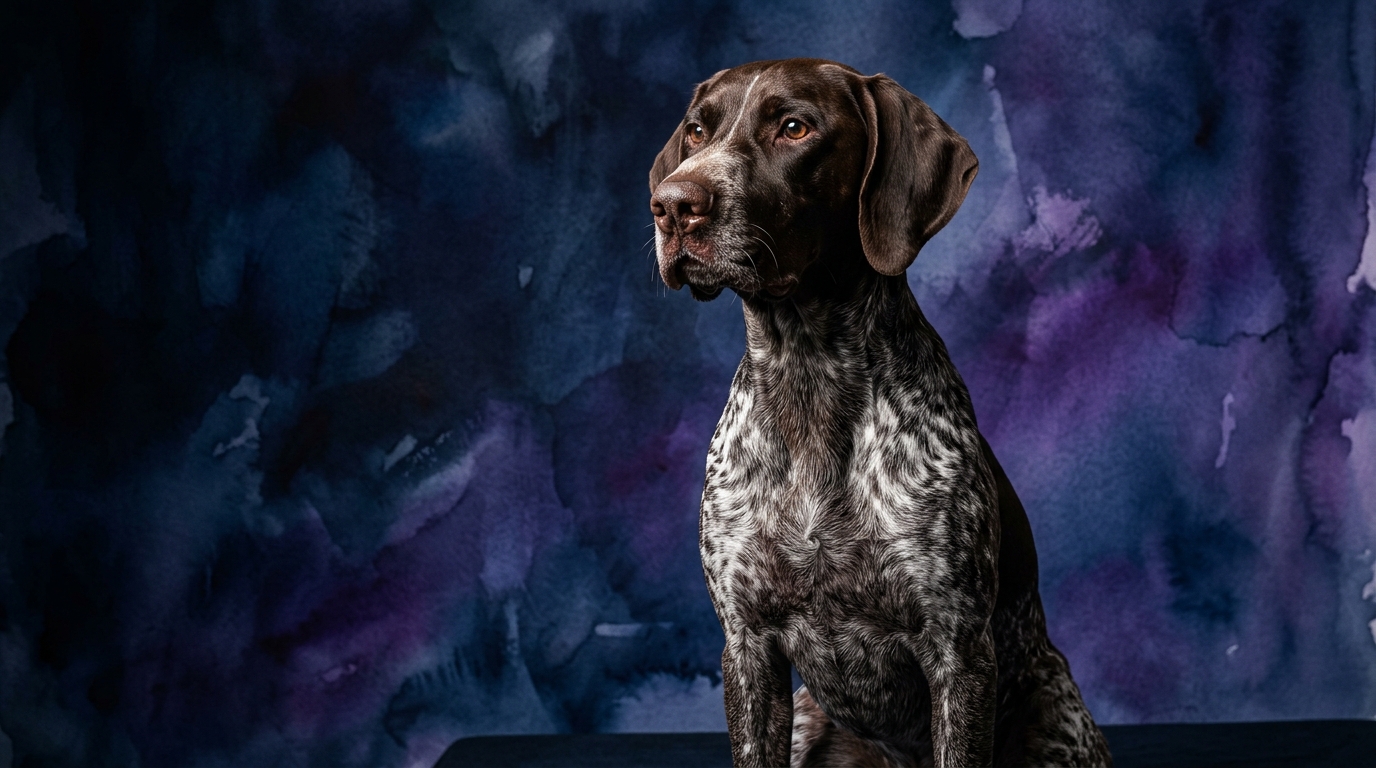
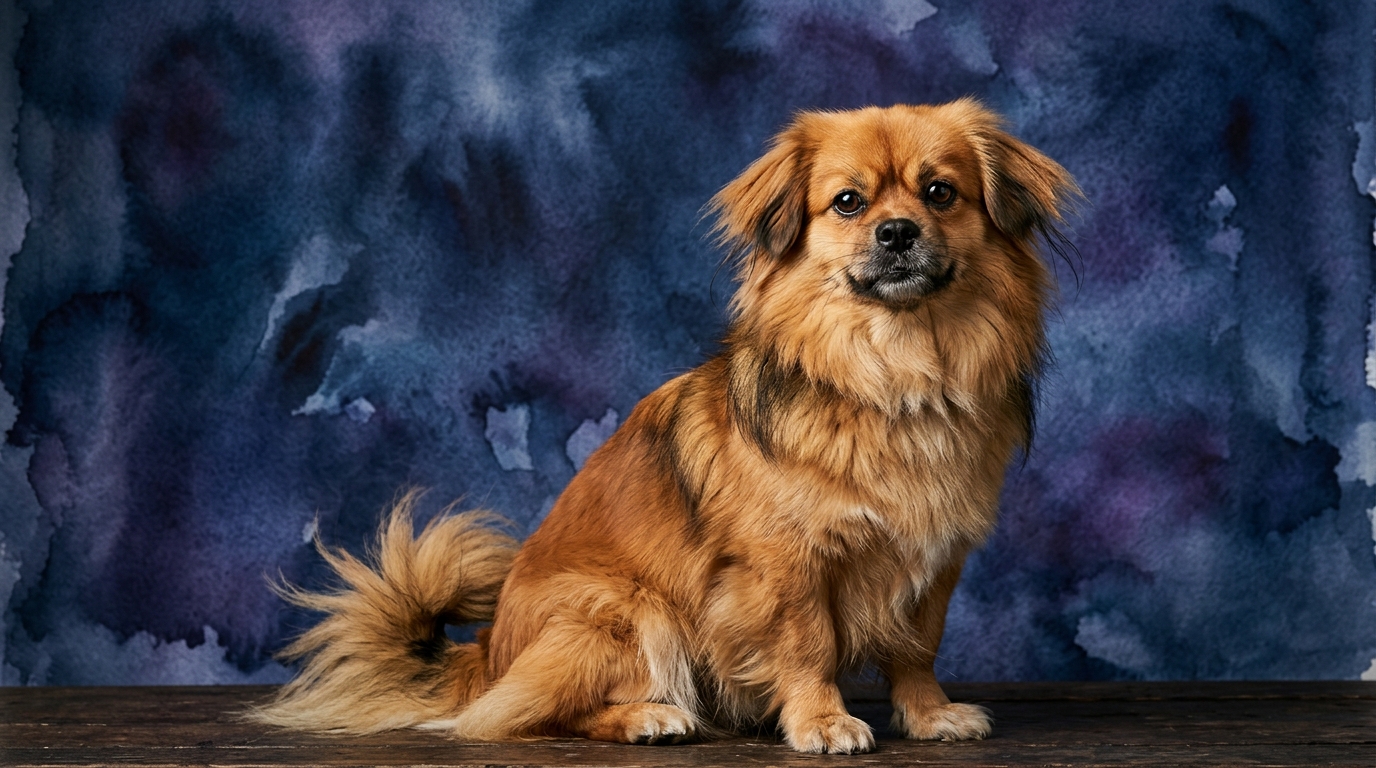
Side-by-side IQ Profile: GSP vs. Tibetan Spaniel
The German Shorthaired Pointer (GSP), with a Coren ranking of #17, exhibits a cognitive profile tailored for dynamic work. Its Problem Solving at 5/5 signifies a breed adept at navigating complex environments, figuring out novel challenges, and excelling in tasks requiring strategic thought, such as retrieving game from varied terrain or excelling in agility courses. A Training Speed of 4/5 indicates a rapid grasp of commands and a strong desire to comply, making formal training a rewarding experience. Social Intelligence at 4/5 means they are generally receptive to human cues and bond deeply, often working in close partnership. An Instinctive Drive of 5/5 highlights their profound urge to hunt, track, and retrieve, channeling their physical and mental energy into purposeful activity. Memory at 4/5 ensures they retain learned behaviors and routes over time, making them consistent performers once trained.
The Tibetan Spaniel, not Coren-ranked, possesses a cognitive profile reflecting its historical role as a companion and 'little lion' watchdog in monasteries, rather than a traditional working dog. Its Problem Solving at 3/5 suggests competence in everyday situations but less inclination for intricate puzzle-solving or complex multi-step tasks without specific motivation. A Training Speed of 3/5 indicates they learn at a moderate pace, often requiring more repetition and positive reinforcement due to their independent streak. Social Intelligence at 3/5 implies they form strong bonds with their chosen family but might be more reserved or discerning with strangers, preferring their inner circle. An Instinctive Drive of 3/5 points to a moderate level of intrinsic motivation for tasks; while they enjoy play, they don't possess the relentless drive of a hunting breed. Memory at 3/5 means they remember commands and routines, but perhaps not with the same precision or long-term retention as breeds bred for intricate sequential tasks.
Where the German Shorthaired Pointer Wins Cognitively
The GSP's superior scores across the board translate into a canine partner exceptionally well-suited for demanding cognitive work. Their 5/5 Problem Solving makes them adept at navigating novel situations, whether it's finding a dropped item in a cluttered room or strategizing to flush game from cover, showcasing a natural ingenuity. This breed excels in activities like advanced obedience, field trials, and search and rescue, where quick thinking and adaptability are paramount. Their 4/5 Training Speed means they absorb complex sequences of commands with remarkable alacrity, often anticipating the next step in a routine. The GSP's formidable 5/5 Instinctive Drive is a cognitive advantage in itself, providing an inherent motivation to engage with tasks, tirelessly focusing on objectives like tracking scents or retrieving objects for extended periods. This powerful internal engine, combined with their sharp memory, allows them to master and recall intricate patterns and signals, making them highly reliable in structured environments and dynamic outdoor pursuits.
Where the Tibetan Spaniel Wins Cognitively
While the Tibetan Spaniel's cognitive scores are moderate, their strengths lie in areas perfectly aligned with their historical purpose and companion role. Their 3/5 Social Intelligence, while not as outwardly demonstrative as some breeds, fosters a selective yet deep bond with their family, making them acutely sensitive to their chosen humans' moods and routines, offering quiet comfort and subtle companionship. This allows them to "win" in terms of nuanced emotional attunement within their close circle, acting as an intuitive presence. Their moderate Instinctive Drive (3/5) means they are not perpetually seeking out a job or demanding intense physical and mental challenges, which is a significant "win" for owners seeking a more relaxed pace of life. This cognitive profile means they are content to observe and participate on their own terms, making them excellent, self-sufficient watchdogs who alert to novelties without the incessant need for complex tasks. Their independent problem-solving, even at a 3/5, manifests as a cleverness in navigating their domestic environment, often finding comfortable spots or communicating desires through subtle cues rather than brute force.
Which is Easier to Train and Why
When considering ease of training, the German Shorthaired Pointer distinctly takes the lead. Their 4/5 Training Speed and 5/5 Problem Solving mean they quickly grasp new concepts and are eager to please, making them highly responsive to instruction. GSPs thrive on structure and mental engagement, often viewing training as a collaborative activity with their human. Their strong Instinctive Drive (5/5) means they are naturally motivated to work and focus, especially when tasks align with their natural predispositions like fetching or scent work. Conversely, the Tibetan Spaniel, with 3/5 in both Training Speed and Problem Solving, presents a different training dynamic. Tibbies possess an independent streak and a self-assured nature; they learn, but often on their own timetable and when they perceive a benefit to themselves. They might require more patience, repetition, and creative positive reinforcement to motivate them, as their drive to comply isn't as pronounced as a GSP's. Their social intelligence, while strong within their family unit, doesn't always translate to an immediate eagerness to follow complex commands from all sources.
Which Suits Active Owners vs. Relaxed Owners
The German Shorthaired Pointer is an ideal match for active owners who can provide consistent mental and physical stimulation. Their 5/5 Instinctive Drive means they possess boundless energy and a profound need for purposeful activity, whether it's long runs, demanding hikes, or participation in dog sports like agility, dock diving, or field trials. Owners who enjoy training and want a dog capable of mastering complex tasks will find the GSP's 5/5 Problem Solving and 4/5 Training Speed incredibly rewarding. This breed requires an owner dedicated to channeling their sharp mind and robust physique. In stark contrast, the Tibetan Spaniel's moderate 3/5 Instinctive Drive and more self-contained nature make them an excellent choice for relaxed owners. They enjoy regular walks and playtime but are equally content to cuddle on the sofa or observe their surroundings from a comfortable perch. Their moderate cognitive needs mean they don't demand constant mental challenges, fitting seamlessly into a quieter household that values companionship over strenuous activity.
The Verdict
Select a German Shorthaired Pointer if you are an active individual or family seeking a highly trainable, driven, and mentally agile companion for sports, outdoor adventures, or intricate working tasks. This breed thrives with consistent engagement and a "job" to do, offering unparalleled partnership in dynamic pursuits.
Opt for a Tibetan Spaniel if you desire a charming, independent, and moderately active companion who is content with a more relaxed pace of life and values quiet companionship. This breed offers alert companionship and a self-possessed presence without demanding intensive training or strenuous exercise.
🧠 Find Your Pet's IQ Score
Our Pet IQ Lab assessment covers 25+ tests across 5 cognitive dimensions — personalized to your breed.
Take the Full IQ Test →Frequently Asked Questions
Do German Shorthaired Pointers need a lot of mental stimulation?
Yes, GSPs absolutely require significant mental stimulation due to their 5/5 Problem Solving and 5/5 Instinctive Drive. Without sufficient mental challenges, they can become bored and potentially destructive, so activities like puzzle toys, obedience training, and scent work are crucial.
Are Tibetan Spaniels difficult to train because they are not Coren-ranked?
Tibetan Spaniels are not inherently difficult, but their 3/5 Training Speed and independent nature mean they require patience and consistent positive reinforcement. They respond best to engaging training methods and may not be as eager to please as some other breeds, preferring to make their own decisions.
Which breed is better for a first-time dog owner?
For a first-time dog owner, the Tibetan Spaniel might be a more manageable choice due to its moderate exercise needs and less demanding cognitive requirements. The German Shorthaired Pointer's intense drive and high energy levels often require an experienced owner committed to extensive training and activity.