
Side-by-Side IQ Profile: Unpacking Canine Cognition
The German Wirehaired Pointer (GWP), a Sporting Group dog ranked #28 by Coren, demonstrates a versatile cognitive toolkit. Their Problem Solving (4/5) reflects an ability to adapt and strategize across varied hunting scenarios, from flushing birds to retrieving game over diverse terrain. Training Speed (4/5) is a testament to their eagerness to learn complex commands and integrate new tasks quickly, making them highly responsive partners in the field. Social Intelligence (3/5) indicates a capacity for understanding human cues and working cooperatively, though not to the degree of some more intensely people-focused breeds. Their Instinctive Drive (3/5) is strongly oriented towards hunting and retrieving, a focused energy that needs appropriate outlets. Finally, a robust Memory (4/5) allows them to retain intricate routines and past experiences, crucial for consistent performance.
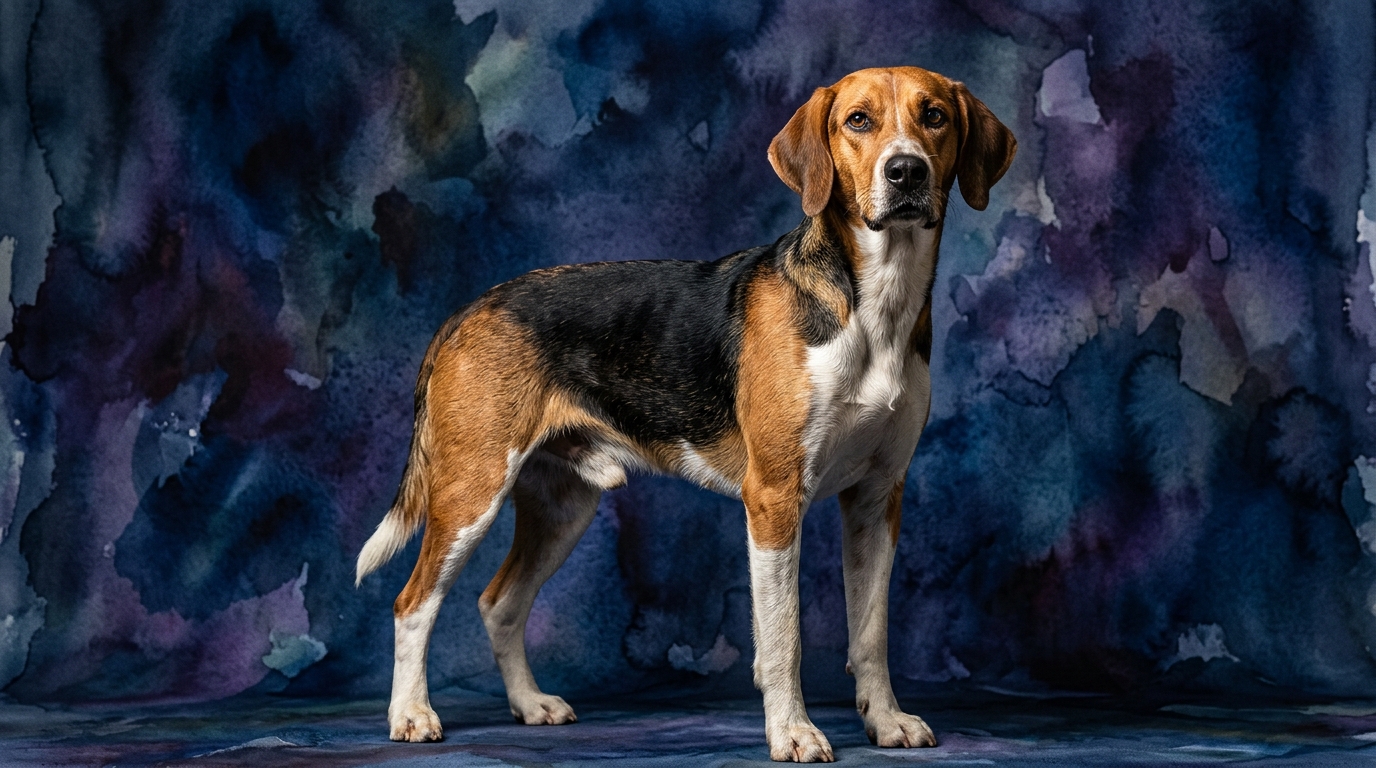
The English Foxhound (EF), unranked by Coren, possesses a different, highly specialized form of intelligence. Their Problem Solving (3/5) is primarily geared towards deciphering complex scent trails, a persistent, methodical approach rather than broad adaptability. Training Speed (3/5) suggests they can learn basic commands, but their independent, scent-driven nature often means a slower, more patient training process, especially when their instincts are engaged. Social Intelligence (3/5), while matching the GWP in score, is often expressed within a pack dynamic, understanding the hierarchy and communication among their canine peers as much as human directives. Their Instinctive Drive (3/5) is overwhelmingly focused on the chase and the hunt for fox, a singular purpose that can override other considerations. Their Memory (3/5) serves them well in recalling specific scent patterns and familiar hunting grounds, though perhaps not as broadly for varied human-initiated tasks.
Where the German Wirehaired Pointer Excels Cognitively
The German Wirehaired Pointer’s cognitive strengths shine in its adaptability and collaborative spirit, directly reflecting its multifaceted role as a versatile hunting companion. With a Problem Solving score of 4/5, GWPs are adept at navigating novel situations, quickly assessing environmental changes, and formulating effective solutions, whether it’s finding a retrieve in dense cover or bypassing an unexpected obstacle. This isn't just about raw processing power, but about applying learned concepts to new challenges. Their superior Training Speed (4/5) means they grasp complex sequences of commands with remarkable alacrity, enabling handlers to teach sophisticated maneuvers required for diverse game. Furthermore, their Memory (4/5) ensures these intricate lessons are retained over time, making for a reliable and consistent working partner. This combination of quick learning, effective problem-solving, and strong retention positions the GWP as a breed that can master a broad repertoire of tasks and apply them flexibly, a clear advantage for owners seeking a highly responsive and versatile canine collaborator.
Where the English Foxhound's Cognition Stands Out
While the English Foxhound might not match the GWP in broad versatility or rapid acquisition of diverse commands, its cognitive profile is uniquely optimized for its specialized purpose: the relentless pursuit of scent. Its Problem Solving (3/5) isn't about general adaptability, but rather an exceptional capacity for deciphering and following intricate, often faint, scent trails over vast distances and varied terrain. This requires a specific, highly focused form of intelligence—a persistent, methodical deduction through olfactory information that many other breeds simply cannot replicate. Their Instinctive Drive (3/5) is a cognitive engine, fueling an unwavering commitment to the chase, overriding distractions that would derail less focused breeds. While their Social Intelligence (3/5) might not always prioritize human commands over a compelling scent, it’s exceptionally tuned to pack dynamics, allowing them to work cohesively within a group of hounds, an intricate form of social problem-solving. The Foxhound's cognitive prowess lies in its singular, enduring dedication to a task, demonstrating a profound, specialized intelligence for its historically defined role.
Ease of Training: German Wirehaired Pointer vs. English Foxhound
When it comes to formal training, the German Wirehaired Pointer generally presents a more straightforward and rewarding experience for the average owner. Their Training Speed of 4/5, coupled with a Problem Solving score of 4/5, means GWPs are typically eager to engage with their handler and quickly comprehend new commands and complex routines. They possess a natural inclination to work *with* humans, often showing a desire to please and a keen interest in collaborative activities. This makes them highly receptive to positive reinforcement and allows for rapid progression through obedience, agility, or advanced field training. In contrast, the English Foxhound's Training Speed of 3/5, combined with its profound independent, scent-driven Instinctive Drive (3/5), means training requires significantly more patience and consistency. A Foxhound on a compelling scent trail can exhibit selective hearing, prioritizing its nose over its handler's voice. While they are certainly capable of learning, their motivation is often internal and tied to their primary drive, making them less inherently inclined to follow human directives when their instincts are fully engaged. Owners must understand that a Foxhound's "disobedience" is often a strong adherence to its genetic programming rather than a lack of intelligence, requiring a different approach to motivation and consistency.
Suiting Active vs. Relaxed Owners
The distinction in cognitive profiles significantly influences which breed aligns better with different owner lifestyles. The German Wirehaired Pointer, with its high Problem Solving and Training Speed, thrives with active owners who enjoy engaging in diverse, stimulating activities. They excel in dog sports like agility, obedience, and especially hunting or field trials, where their intelligence and versatility are fully utilized. An owner who enjoys hiking, running, or complex training sessions will find a GWP an enthusiastic and capable partner, eager to learn and participate. Their cognitive needs demand consistent mental engagement beyond just physical exercise. Conversely, the English Foxhound, while undeniably requiring substantial physical activity due to its endurance and drive, is better suited for owners who understand and appreciate its specialized, independent nature. These are not dogs typically content with casual strolls or highly structured obedience routines for their own sake. They need outlets for their powerful scenting abilities and endurance, often thriving in homes that can provide acreage, dedicated scent work, or even a multi-dog environment where their social pack intelligence can flourish. Owners must be prepared for a dog whose mental focus is often outward, on the environment and its scents, rather than solely on human interaction, making them less ideal for a "relaxed" owner seeking a constantly attentive companion.
The Verdict
If you desire a highly versatile, responsive, and collaborative companion eager to learn diverse tasks and participate in a wide array of active, mentally engaging pursuits, the German Wirehaired Pointer is an excellent choice.
If you appreciate a dog with specialized, enduring intelligence for scent work, possess the means to satisfy its profound instinctive drives, and are prepared for an independent spirit that thrives on focused activity rather than broad human-directed versatility, consider the English Foxhound.
🧠 Find Your Pet's IQ Score
Our Pet IQ Lab assessment covers 25+ tests across 5 cognitive dimensions — personalized to your breed.
Take the Full IQ Test →Frequently Asked Questions
Do English Foxhounds make good family pets despite their lower training speed?
Yes, English Foxhounds can be affectionate and good family pets, especially if raised with children and other pets. However, their independent nature and strong prey drive mean they require consistent, patient training and secure containment to prevent them from following a scent. Their social intelligence often makes them enjoy the company of a "pack," whether human or canine.
How do the instinctive drives of these two breeds differ in daily life?
The German Wirehaired Pointer's instinctive drive (3/5) manifests as a desire to hunt, point, and retrieve, making them eager for games involving 'find it' and fetch, and needing outlets for their energy. The English Foxhound's instinctive drive (3/5) is almost exclusively focused on scent-tracking and the chase, meaning they are prone to following their nose for miles and require rigorous recall training or leashed walks to prevent wandering.
Is one breed more prone to separation anxiety based on their social intelligence scores?
Both breeds score 3/5 in social intelligence, suggesting a moderate connection to humans. However, the GWP's collaborative nature might make it more prone to distress if left alone without adequate mental and physical stimulation. English Foxhounds, while enjoying company, often cope better with solitude or the company of other dogs, given their historical pack living and independent hunting style, though individual temperament always plays a role.