
Side-by-Side Cognitive Profiles
The Cosmic Pet Pet IQ Lab employs a comprehensive five-dimensional framework to assess canine intelligence, moving beyond simple obedience scores to capture the nuances of a breed's cognitive function. Comparing the German Wirehaired Pointer (GWP), a Sporting dog Coren-ranked at #28 for Working & Obedience Intelligence, with the Finnish Spitz, a Non-Sporting breed without a Coren ranking, highlights their divergent mental makeups.
The German Wirehaired Pointer exhibits a Problem Solving score of 4/5, indicative of their capacity to independently navigate complex tasks, particularly those involving scent work and retrieval in varied terrains. Their Training Speed also rates 4/5, reflecting a strong inclination to learn and execute commands with focus and enthusiasm, making them highly receptive to instruction. In Social Intelligence, they score 3/5; while capable of forming strong bonds and reading their primary handler's cues, they can be reserved with strangers, suggesting a more selective social engagement. Their Instinctive Drive, rated 3/5, is centered on hunting and working alongside humans, propelling their engagement with tasks. Finally, their Memory at 4/5 ensures they retain complex sequences, commands, and environmental details, crucial for consistent performance in demanding roles.
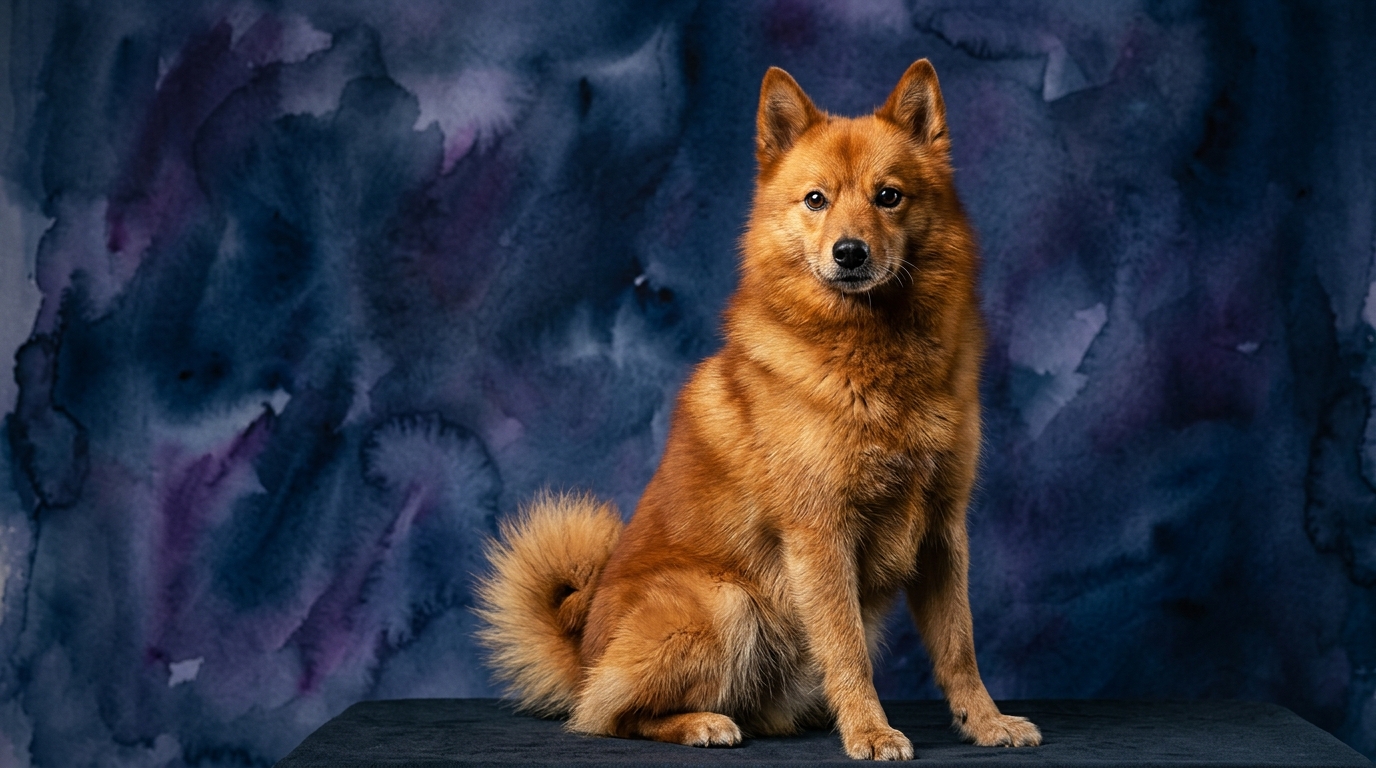
In contrast, the Finnish Spitz presents a different cognitive profile across the board, with a consistent score of 3/5 for all five dimensions. Their Problem Solving at 3/5 suggests they are capable of figuring things out but might approach challenges with a more independent, self-directed methodology rather than persistent, handler-focused effort. Their Training Speed, also 3/5, indicates they can learn, but often require more repetition, patience, and motivation, as their independence can sometimes override a desire for immediate compliance. Social Intelligence at 3/5 means they are aware and observant of their environment and family dynamics, but typically less overtly demonstrative in seeking constant human interaction or approval. Their Instinctive Drive, 3/5, is strongly rooted in their historical role as a barking bird dog, involving keen observation and vocal communication rather than the physical retrieving drive of a GWP. Lastly, their Memory, 3/5, allows them to recall routines and information relevant to their self-interest, though perhaps not with the same precision for complex, human-imposed sequences as a GWP.
Where the German Wirehaired Pointer Excels Cognitively
The German Wirehaired Pointer's cognitive strengths are deeply rooted in their purpose as a versatile hunting companion. Their superior Problem Solving (4/5) shines in scenarios demanding strategic thinking, such as tracking elusive game through varied cover or figuring out how to retrieve an object from a difficult spot. This isn't just about physical prowess; it's about the mental tenacity to analyze a situation and execute a plan. Their quicker Training Speed (4/5) allows them to grasp new concepts and commands with fewer repetitions, making them adept at mastering intricate obedience routines or field trial exercises. This cognitive agility translates into a dog that not only understands what is asked but eagerly participates in the learning process.
Furthermore, the GWP's enhanced Memory (4/5) is a significant advantage. They excel at recalling long sequences of commands, remembering specific locations of hidden objects, and adhering to established routines, which is invaluable in a working environment. This strong memory contributes to their reliability and consistency. Their Coren ranking of #28 underscores their proficiency in working and obedience tasks, reflecting a breed that is particularly skilled at understanding and executing human instructions, a direct manifestation of their cognitive profile tailored for cooperative effort.
Where the Finnish Spitz Shows Unique Cognitive Strengths
While the Finnish Spitz may not match the German Wirehaired Pointer in handler-focused training speed, they possess distinct cognitive strengths that reflect their independent heritage. Their Problem Solving (3/5) often manifests as a clever, self-reliant approach to challenges. They might not be driven by a handler's explicit goal, but they are adept at figuring out solutions to their own dilemmas, whether it's navigating a complex environment or subtly manipulating situations to their advantage. This independence is a cognitive trait in itself, demonstrating a capacity for autonomous thought rather than constant reliance on human direction.
The Finnish Spitz's historical role as a barking bird dog fostered exceptional environmental awareness and auditory perception. While their Instinctive Drive (3/5) might not be for physical retrieval, it's highly tuned to detecting subtle changes in their surroundings and communicating them vocally. This sophisticated use of vocalization, modulating barks to indicate different findings or alerts, suggests a nuanced form of communication intelligence. Their Social Intelligence (3/5), while not overtly demonstrative, allows them to keenly observe and understand the dynamics within their family unit, engaging on their own terms rather than constantly seeking interaction, a form of quiet perceptiveness.
Training Dynamics: Which is Easier and Why?
When considering ease of training, the German Wirehaired Pointer generally presents a more straightforward path. Their Training Speed of 4/5 and strong desire to work cooperatively with a handler mean they are quick to pick up new commands and complex sequences. GWPs thrive on having a 'job' and derive satisfaction from pleasing their human companions, making them highly motivated students. Their excellent Memory (4/5) ensures that once a lesson is learned, it tends to stick, contributing to their reliability and consistent performance in various disciplines like obedience, agility, or field work. They respond well to clear instruction and positive reinforcement, quickly forming associations between actions and rewards.
The Finnish Spitz, with a Training Speed of 3/5, requires a different approach. Their independent nature means they often need more patience, creativity, and consistent motivation during training. A Finnish Spitz might understand a command but choose not to execute it if they don't perceive an immediate benefit or if their attention is elsewhere. They are not necessarily 'stubborn' but rather self-directed thinkers who need to be convinced that cooperation is worthwhile. Training success with a Finnish Spitz often hinges on making lessons fun, engaging, and short, leveraging their natural curiosity rather than relying solely on a strong desire to please. Their memory, while adequate for daily routines, might not hold complex, arbitrary sequences with the same tenacity as a GWP, necessitating more frequent refreshers.
Matching Breeds to Lifestyles: Active vs. Relaxed Owners
For active owners seeking a true partner in outdoor adventures and structured activities, the German Wirehaired Pointer is an excellent fit. Their high Problem Solving (4/5) and strong Instinctive Drive (3/5) demand mental and physical engagement. They excel in activities like hunting, field trials, agility, advanced obedience, and long, challenging hikes where their cognitive abilities are put to use. A GWP requires an owner who can provide consistent training, ample exercise, and a sense of purpose to prevent boredom and channel their considerable energy and mental acumen productively. They thrive when given a 'job' to do, whether it's retrieving, tracking, or mastering a new skill.
The Finnish Spitz, while still requiring regular exercise, might suit a moderately active owner who appreciates a more independent companion. Their cognitive profile, with consistent 3/5 scores, suggests they are content with daily walks, secure outdoor access for patrolling and observation, and mental stimulation through puzzle toys or opportunities for independent exploration. They are not typically a breed that demands constant, structured activity from their owner. Instead, their mental engagement often comes from observing their environment, alerting to new sounds or sights, and interacting on their own terms. Owners who value a perceptive, self-sufficient dog with a unique vocal personality, and who are prepared for a less overtly cooperative training style, will find a rewarding companion in the Finnish Spitz.
The Verdict: When to Choose Each Breed
The Verdict
Choose a German Wirehaired Pointer if you seek a highly cooperative, task-oriented companion eager to engage in structured activities, advanced training, and outdoor adventures, thriving when given a clear purpose.
Opt for a Finnish Spitz if you value an independent, perceptive companion with a unique vocal personality, and are prepared for a more self-directed training approach, appreciating their keen observation and alertness over constant command execution.
🧠 Find Your Pet's IQ Score
Our Pet IQ Lab assessment covers 25+ tests across 5 cognitive dimensions — personalized to your breed.
Take the Full IQ Test →Frequently Asked Questions
Are Finnish Spitz difficult to train?
Finnish Spitz can be more challenging to train compared to breeds eager to please, due to their independent nature. They respond best to positive reinforcement, short, engaging sessions, and a patient approach that recognizes their self-directed problem-solving style.
Do German Wirehaired Pointers need a lot of exercise?
Yes, German Wirehaired Pointers require substantial daily exercise and mental stimulation. Bred for hunting, they thrive on activities like long runs, hikes, retrieving games, and structured training that engages both their body and their problem-solving mind.
Which breed is better with children?
Both breeds can be good with children when properly socialized, but their approaches differ. German Wirehaired Pointers, with their cooperative nature, often enjoy being part of family activities. Finnish Spitz can be good family dogs but might prefer interaction on their own terms, appreciating respectful engagement rather than constant boisterous play.