Side-by-Side: Unpacking Their Cognitive Profiles
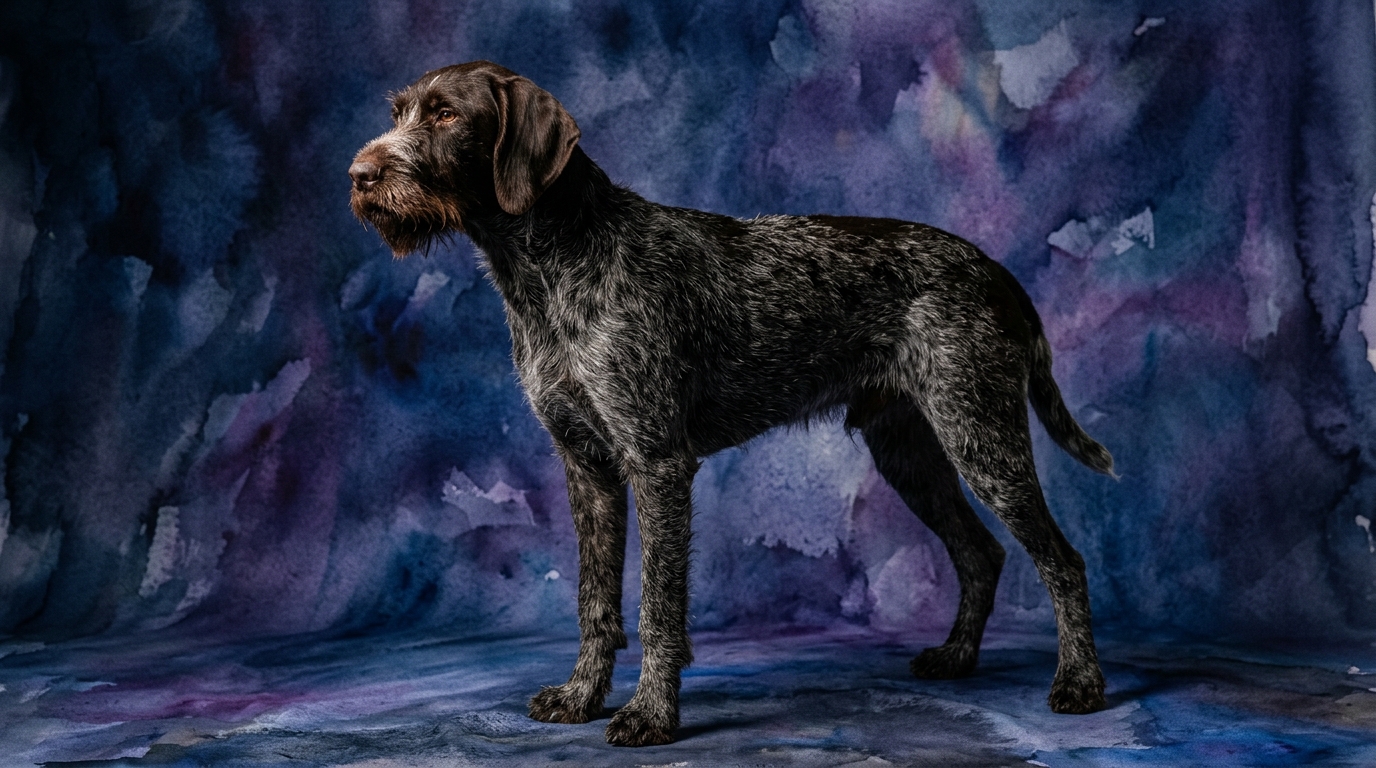
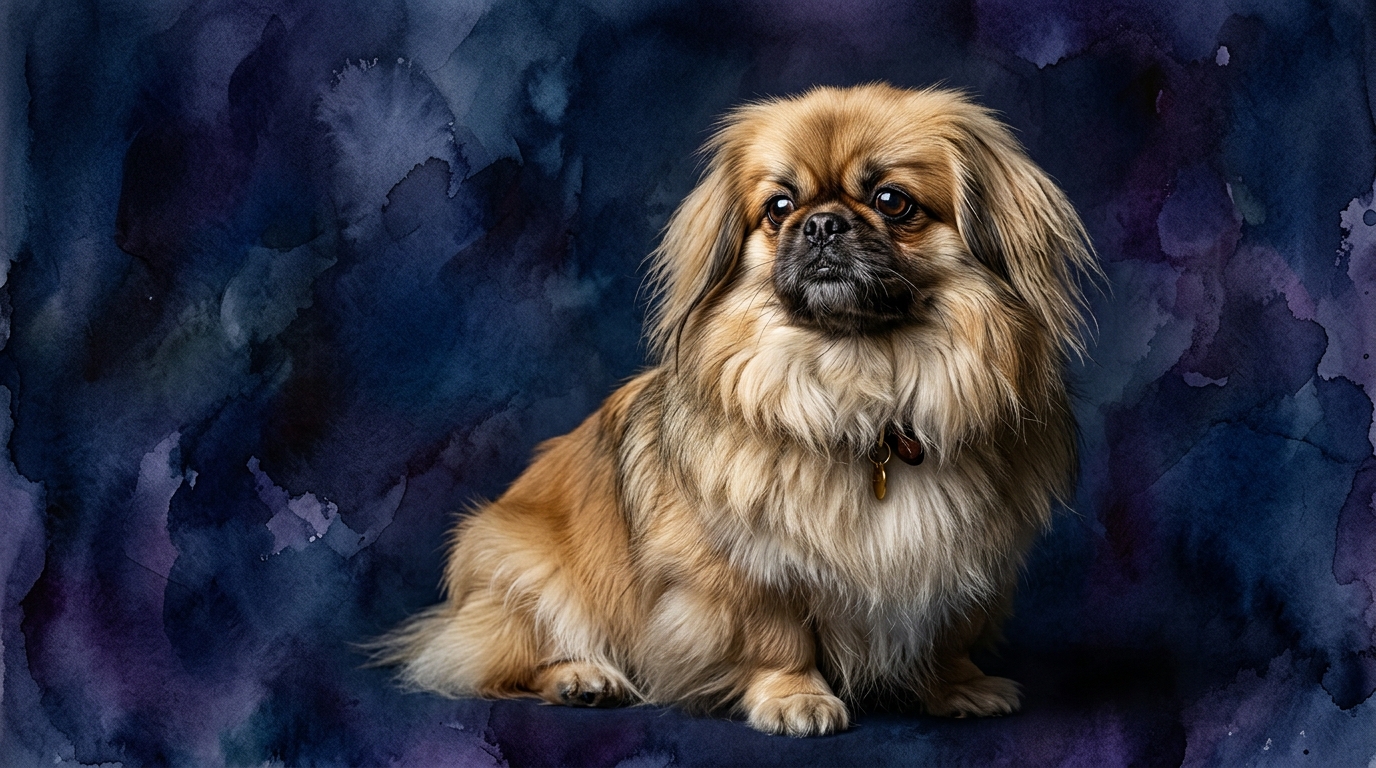
At The Cosmic Pet Pet IQ Lab, we evaluate canine cognition across five distinct dimensions, offering a nuanced view beyond simple labels. The German Wirehaired Pointer (GWP), ranked #28 by Coren, presents a profile reflecting its sporting heritage, while the Pekingese, ranked #77, showcases cognitive strengths tailored to companionship.
The German Wirehaired Pointer demonstrates robust problem-solving abilities (4/5), often involving complex environmental navigation or task completion. Their training speed is also impressive (4/5), indicating a readiness to acquire new skills and commands efficiently. Social intelligence stands at a solid 3/5, suggesting a capacity for understanding pack dynamics and human cues, while their instinctive drive (3/5) is directed towards purposeful activities like scent work. A strong memory (4/5) underpins their ability to retain complex sequences and learned behaviors over time, crucial for their working roles.
In contrast, the Pekingese exhibits a balanced cognitive profile, with problem-solving at 3/5, often applied to manipulating their immediate environment for comfort or access. Their training speed also registers 3/5, meaning they learn at a steady pace, though their independent streak can influence responsiveness. Social intelligence is rated 3/5, reflecting their adeptness at reading human moods and forming selective, deep bonds. An instinctive drive of 3/5 for the Pekingese typically manifests as territorial awareness and a desire for close companionship rather than physical tasks. Their memory is rated 3/5, sufficient for recalling routines, preferred individuals, and past interactions, contributing to their consistent and charming presence.
Where the German Wirehaired Pointer Excels Cognitively
The German Wirehaired Pointer's cognitive strengths distinctly shine in areas demanding analytical thought and efficient learning. Their 4/5 problem-solving score means they are adept at processing complex situations, such as figuring out how to retrieve a hidden toy from an intricate puzzle or navigating a new scent trail with strategic precision. This isn't about brute force, but about connecting cause and effect in dynamic environments, a skill honed through generations of purposeful work.
Furthermore, their training speed (4/5) indicates a significant capacity for rapid skill acquisition. A GWP typically grasps new commands and multi-step tasks with fewer repetitions than many other breeds, thriving on the mental engagement of learning. This quick uptake is coupled with their superior memory (4/5), allowing them to retain vast amounts of information—from intricate obedience routines to the layout of expansive hunting grounds—for extended periods. This combination of swift learning and enduring recall makes them exceptionally capable partners for advanced training disciplines and activities requiring sustained focus and application of learned behaviors.
Where the Pekingese Demonstrates Unique Cognitive Strengths
While the Pekingese doesn't boast the same high scores in task-oriented cognition as the GWP, their intelligence is uniquely specialized for their role as a companion, often manifesting in subtle yet effective ways. Their social intelligence (3/5), while numerically matching the GWP, is applied with a distinct finesse; Pekingese are often masters of reading human micro-expressions and moods, using this insight to secure comfort, attention, or a preferred spot on the sofa. They can be remarkably effective communicators of their needs through nuanced body language and vocalizations.
The Pekingese's problem-solving (3/5) is often geared towards optimizing their living situation. This might involve figuring out how to nudge a blanket into a more comfortable position, or strategically positioning themselves to intercept a dropped treat. It's a pragmatic, comfort-driven application of their cognitive abilities, less about executing commands and more about orchestrating their environment. Their instinctive drive (3/5) is less about external tasks and more about maintaining a secure, cherished position within their human family, making them acutely aware of household dynamics and their place within them. This specific cognitive makeup allows them to integrate into a home with a compelling, self-assured presence.
Training: GWP's Eagerness vs. Pekingese's Independence
When it comes to trainability, the German Wirehaired Pointer generally presents a more straightforward path for handlers. Their training speed (4/5) is supported by a strong desire to work and please, making them eager participants in learning sessions. GWPs typically respond well to clear, consistent instruction and positive reinforcement, quickly connecting actions with rewards. Their focused nature allows for longer training periods and the rapid development of complex command sequences, essential for field work, agility, or competitive obedience. They are task-oriented, finding satisfaction in completing directives.
The Pekingese, with a training speed of 3/5, can certainly be trained, but often requires a different approach due to their independent and sometimes opinionated nature. While they understand what is being asked (thanks to their social intelligence), they might evaluate whether the request aligns with their own immediate desires. Training sessions need to be kept short, engaging, and highly rewarding to maintain their interest and overcome any inherent stubbornness. Consistency is paramount, and understanding their motivations—often centered around comfort, food, or attention—is key to successful behavioral shaping. They might learn at a steady pace, but their compliance is often a negotiation.
Lifestyle Match: Active Adventures vs. Relaxed Companionship
The distinct cognitive profiles of these two breeds naturally align with very different owner lifestyles. The German Wirehaired Pointer's problem-solving acumen, high training speed, and moderate instinctive drive for purposeful activities make them an ideal fit for active owners. They thrive in environments where they receive consistent mental and physical stimulation, whether through long hikes, demanding field work, advanced obedience training, or canine sports. An owner who can channel their cognitive energy into productive tasks will find a highly engaged and satisfied companion.
Conversely, the Pekingese, with its balanced cognitive scores and focus on social integration, is perfectly suited for more relaxed owners. Their problem-solving is often applied to domestic comfort, and their social intelligence makes them devoted, though sometimes discerning, companions. They are content with shorter, leisurely walks and primarily enjoy the mental engagement of being a cherished part of the household, often observing and subtly influencing family dynamics. Owners seeking a charming, affectionate, and less physically demanding canine presence will find the Pekingese an excellent match, appreciating their unique blend of dignity and devotion.
The Verdict
If you seek a dynamic partner for outdoor adventures, complex training, and a canine companion who thrives on purpose-driven activities, the German Wirehaired Pointer is an exceptional choice.
For those desiring a devoted, charming, and less physically demanding companion who excels at subtle social interactions and cozy domesticity, the Pekingese offers unique companionship.
🧠 Find Your Pet's IQ Score
Our Pet IQ Lab assessment covers 25+ tests across 5 cognitive dimensions — personalized to your breed.
Take the Full IQ Test →Frequently Asked Questions
Do German Wirehaired Pointers need a lot of mental stimulation?
Yes, their high problem-solving ability and memory mean German Wirehaired Pointers require consistent mental challenges. Engaging them with puzzle toys, advanced obedience, or scent work helps prevent boredom and channel their cognitive strengths productively.
Are Pekingese difficult to house-train?
While not inherently difficult, Pekingese can be particular and require consistent, patient house-training due to their independent nature. Establishing a strict routine and offering high-value rewards for success are crucial for effective results with this breed.
How do their social intelligence scores impact their family life?
Both breeds score 3/5 in social intelligence, but express it differently. German Wirehaired Pointers integrate well into family dynamics as active participants, while Pekingese use their social acumen to form deep, often selective bonds, subtly influencing household routines for their comfort and preference.