Side-by-Side IQ Profile
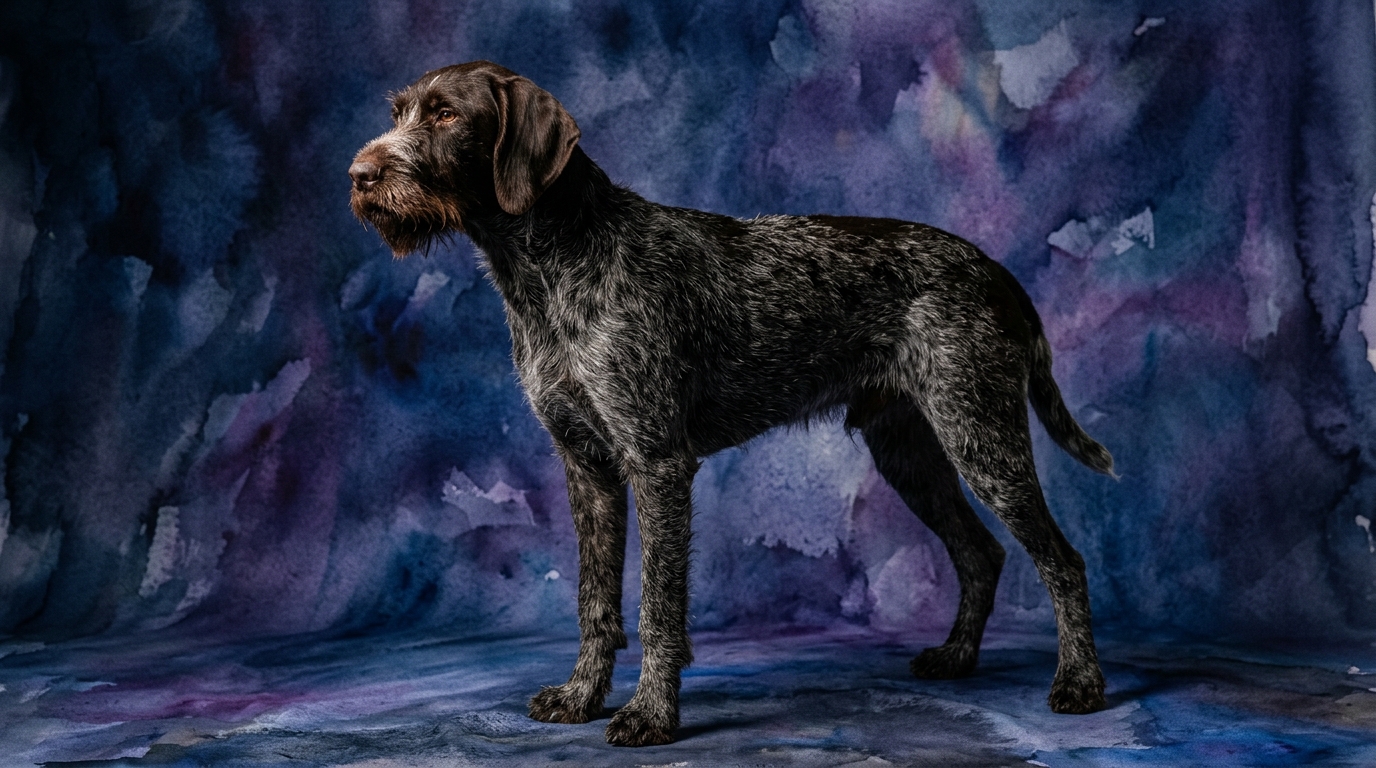
German Wirehaired Pointer (GWP): A robust Sporting breed, the GWP stands out with a Coren rank of #28, indicating a superior working intelligence. Our Cosmic Pet IQ Lab metrics show their Problem Solving at 4/5, reflecting their exceptional ability to strategize and adapt in complex hunting scenarios, from locating game in varied terrain to navigating obstacles with purpose. Their Training Speed is also 4/5, meaning they quickly grasp and retain new commands, making them highly receptive to consistent instruction and field work. Social Intelligence scores 3/5; while capable of strong bonds and understanding human cues, their focus often remains on task execution rather than intricate social nuance. Instinctive Drive is 3/5, representing a significant yet manageable impetus for tracking, pointing, and retrieving. Finally, their Memory is strong at 4/5, allowing them to recall extensive training sequences, the location of fallen game, and complex scent trails with impressive accuracy.
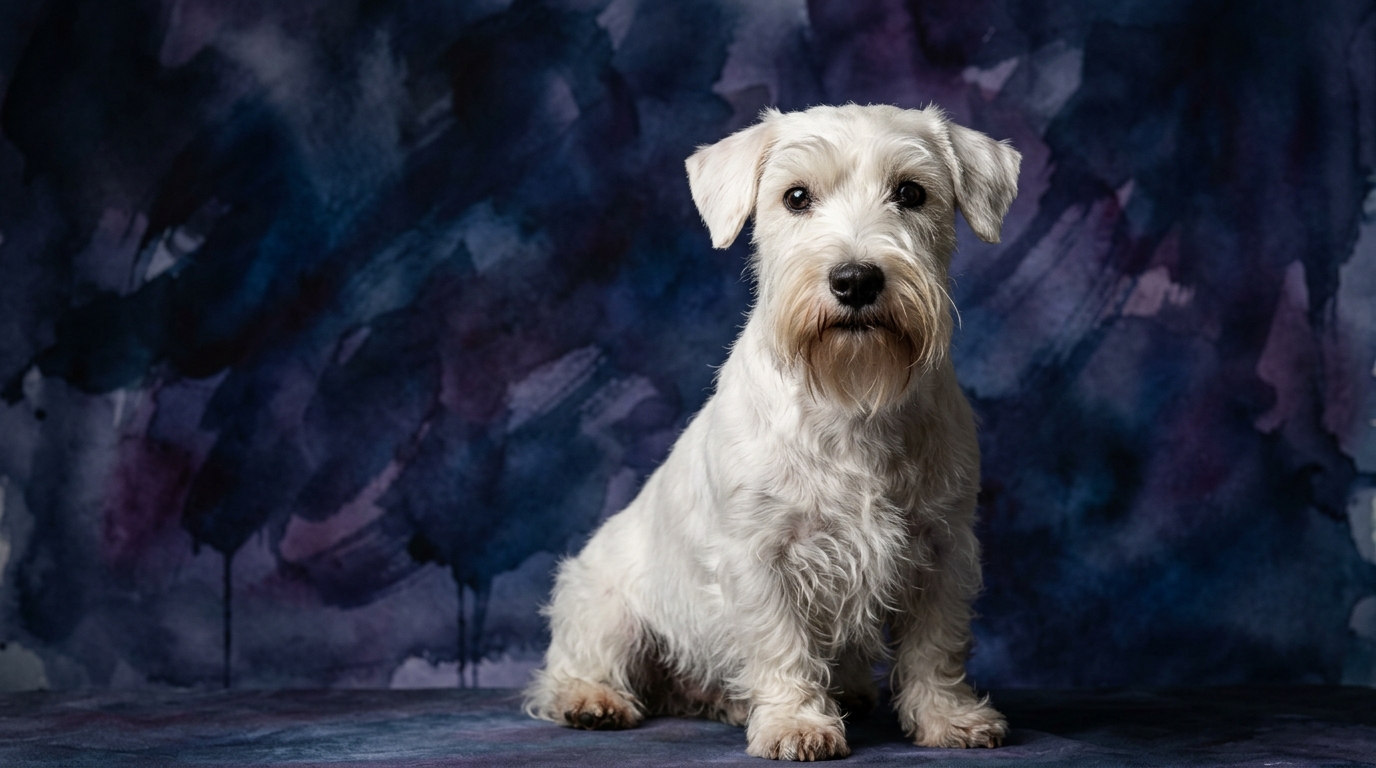
Sealyham Terrier: This charming Terrier breed, while not Coren-ranked, possesses a unique cognitive profile tailored to its tenacious heritage. The Sealyham Terrier’s Problem Solving is rated 3/5, indicating competence in practical, often terrier-specific challenges such as navigating tight spaces or outsmarting small burrowed prey. Their Training Speed is 3/5; they learn at a moderate pace, often requiring engaging methods and patience to maintain focus against their independent streak. Social Intelligence for the Sealyham is 3/5; they form deep connections with their families and understand human interactions, but typically retain a characteristic terrier self-reliance. Instinctive Drive also scores 3/5, manifesting as a determined prey drive, particularly for small vermin, which can be channeled with consistent training. Their Memory is 3/5, allowing them to remember routines and commands, though their recall may not be as immediate or persistent as breeds with higher scores, especially when a compelling scent or task captures their attention.
Where German Wirehaired Pointer Wins Cognitively
The German Wirehaired Pointer clearly demonstrates cognitive advantages in several key areas, primarily driven by their role as versatile hunting companions. Their superior Problem Solving (4/5 vs. Sealyham's 3/5) allows them to excel in dynamic, open-field environments, where they must independently assess situations, make strategic decisions, and adapt tactics on the fly—whether it's quartering a field efficiently, breaking ice to retrieve, or navigating thick cover. This translates into a dog that can figure things out with less direct guidance in complex, evolving scenarios. Furthermore, the GWP's higher Training Speed (4/5 vs. 3/5) means they absorb and internalize new commands and multi-step tasks at a significantly faster rate. This isn't just about learning basic obedience; it encompasses complex field commands, hand signals, and intricate retrieving patterns, making them exceptionally responsive to advanced training protocols. Coupled with their stronger Memory (4/5 vs. 3/5), GWPs can retain vast amounts of information and routines over long periods, allowing them to perform intricate tasks reliably and consistently without constant refresher training. This cognitive synergy makes the GWP a highly efficient and effective working partner, capable of mastering a wide repertoire of skills and applying them reliably in diverse situations.
Where Sealyham Terrier Wins Cognitively
While the Sealyham Terrier’s scores might appear numerically lower in direct comparison, their cognitive strengths are uniquely tailored to their original purpose and manifest differently, making them 'winners' in specific contexts. Their 3/5 Problem Solving, for instance, is exceptionally potent within the confines of terrier work. This isn't about open-field strategy but about tenacious, independent thought in tight, challenging spaces—figuring out how to navigate burrows, flush out quarry, or overcome obstacles with sheer grit and determination. This kind of problem-solving requires a unique spatial awareness and focused persistence distinct from the GWP's broader application. The Sealyham’s 3/5 Instinctive Drive, while matching the GWP's score, translates into a laser-focused determination when pursuing small game. This tenacity is a cognitive asset, allowing them to sustain effort and focus on a single objective for extended periods, despite distractions. It’s a specialized form of cognitive endurance. Moreover, their Social Intelligence at 3/5, combined with their characteristic terrier independence, means they are capable of making self-directed decisions in their work without needing constant human input, which was crucial for their original role where they often worked out of sight underground. This independent cognitive processing allows them to operate effectively as solitary hunters, relying on their own wits and senses.
Which Is Easier to Train and Why
When considering ease of training, the German Wirehaired Pointer generally presents a more straightforward path. Their 4/5 Training Speed and 4/5 Memory, combined with their strong desire to work in partnership with their handler, mean they are eager to please and quick to pick up new concepts. A GWP typically thrives on positive reinforcement and consistent, clear instruction, readily integrating new commands into their behavioral repertoire. They understand that cooperation leads to desired outcomes, making them highly responsive to structured training sessions and advanced obedience. Their instinctive drive, while present, is often channeled into focused work with a handler, facilitating a cooperative learning environment.
The Sealyham Terrier, with its 3/5 Training Speed and Memory, requires a different approach to training. Their terrier independence means they can be more selective in their attention, often prioritizing compelling scents or self-directed exploration over human-initiated commands. Training a Sealyham demands patience, creativity, and a deep understanding of their innate drive. Engaging their problem-solving skills through fun, reward-based methods, and short, frequent sessions is key. While they are capable learners, their 'what's in it for me?' attitude and potential for selective hearing when engrossed in a task mean owners must be consistent and highly motivating. Behavioral differences such as the GWP’s strong retrieve drive and inherent desire to quarter a field stand in contrast to the Sealyham’s tendency to dig, chase small scurrying things, and follow a scent trail with single-minded determination, which can make consistent recall more challenging without robust training.
Which Suits Active Owners vs. Relaxed Owners
For individuals or families leading an active lifestyle, the German Wirehaired Pointer is an ideal match. Their robust physical and mental stamina, coupled with their strong working drive, means they thrive when given a purpose. Owners who enjoy extensive outdoor activities such as hiking, trail running, hunting, or participating in dog sports like agility, obedience, or scent work will find a GWP to be an enthusiastic and tireless companion. They require significant daily exercise and mental engagement to prevent boredom and destructive behaviors, benefiting greatly from structured activities that challenge their problem-solving skills and utilize their keen memory. A GWP is not content to be a couch potato; they need a partner who shares their zest for adventure and structured activity.
The Sealyham Terrier, while possessing a spirited energy, can be a more adaptable companion for owners who might not be extreme athletes but still appreciate a lively, engaging dog. They are well-suited for owners who enjoy consistent daily walks, playtime in a secure yard, and regular mental enrichment through puzzle toys, training games, or scent work. While they possess a strong prey drive and enjoy digging, their exercise needs are generally more moderate than a GWP's, making them suitable for owners who might prefer shorter bursts of activity rather than sustained endurance. They can adapt to various living situations, including apartments, provided their cognitive needs are met with engaging tasks and their physical needs with regular, albeit not exhaustive, exercise. Their independence means they appreciate downtime, but they still require an owner who is committed to channeling their terrier zest into appropriate outlets.
The Verdict
Choose the German Wirehaired Pointer if you are an active individual or family seeking a dedicated working partner for outdoor adventures, field sports, or extensive training, appreciating a dog with high trainability and memory.
Opt for the Sealyham Terrier if you desire a spirited, independent companion with a charming personality, suited to owners who enjoy consistent, engaging training and can appreciate a dog's self-directed nature in a home environment.
🧠 Find Your Pet's IQ Score
Our Pet IQ Lab assessment covers 25+ tests across 5 cognitive dimensions — personalized to your breed.
Take the Full IQ Test →Frequently Asked Questions
Are German Wirehaired Pointers good family dogs?
German Wirehaired Pointers can be excellent family dogs, especially for active households that can provide ample exercise and mental stimulation. Their social intelligence allows them to form strong bonds with family members, but their working drive means they thrive when given a purpose and consistent engagement, integrating well into a busy family life.
What kind of mental stimulation does a Sealyham Terrier need?
Sealyham Terriers benefit greatly from mental challenges that tap into their innate terrier instincts. This includes puzzle toys, engaging scent work, short but frequent positive reinforcement training sessions, and supervised opportunities for safe digging or exploration in a secure yard, all designed to satisfy their problem-solving and instinctive drives.
How do the instinctive drives of these breeds differ in daily life?
The GWP's instinctive drive often manifests as a desire to retrieve, point, and quarter fields, making them eager participants in fetch games, long walks, and outdoor adventures, always looking for a 'job.' The Sealyham's drive typically involves tracking and pursuing small prey, which might translate to persistent digging, a strong urge to chase small animals, or meticulously exploring every scent on a walk, requiring consistent management and redirection.