Side-by-Side Cognitive Profiles
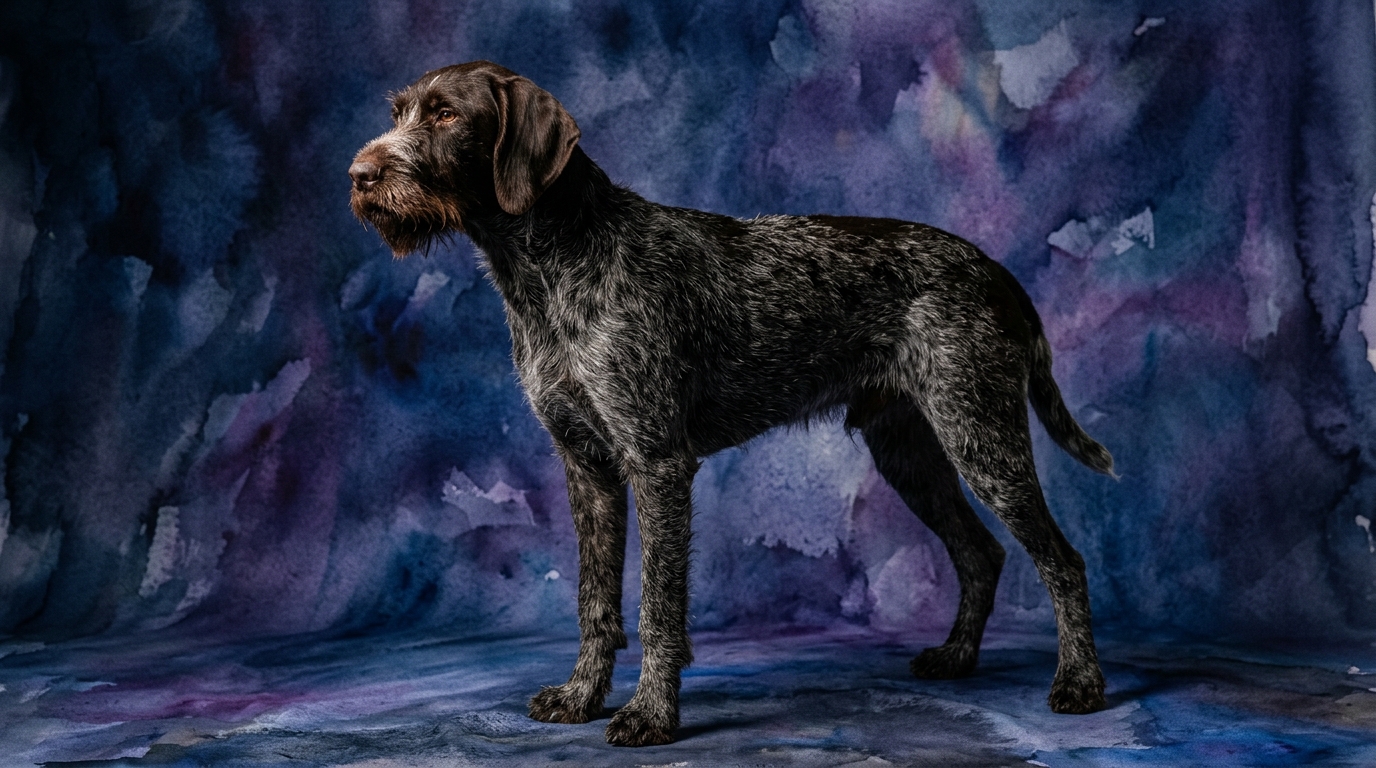
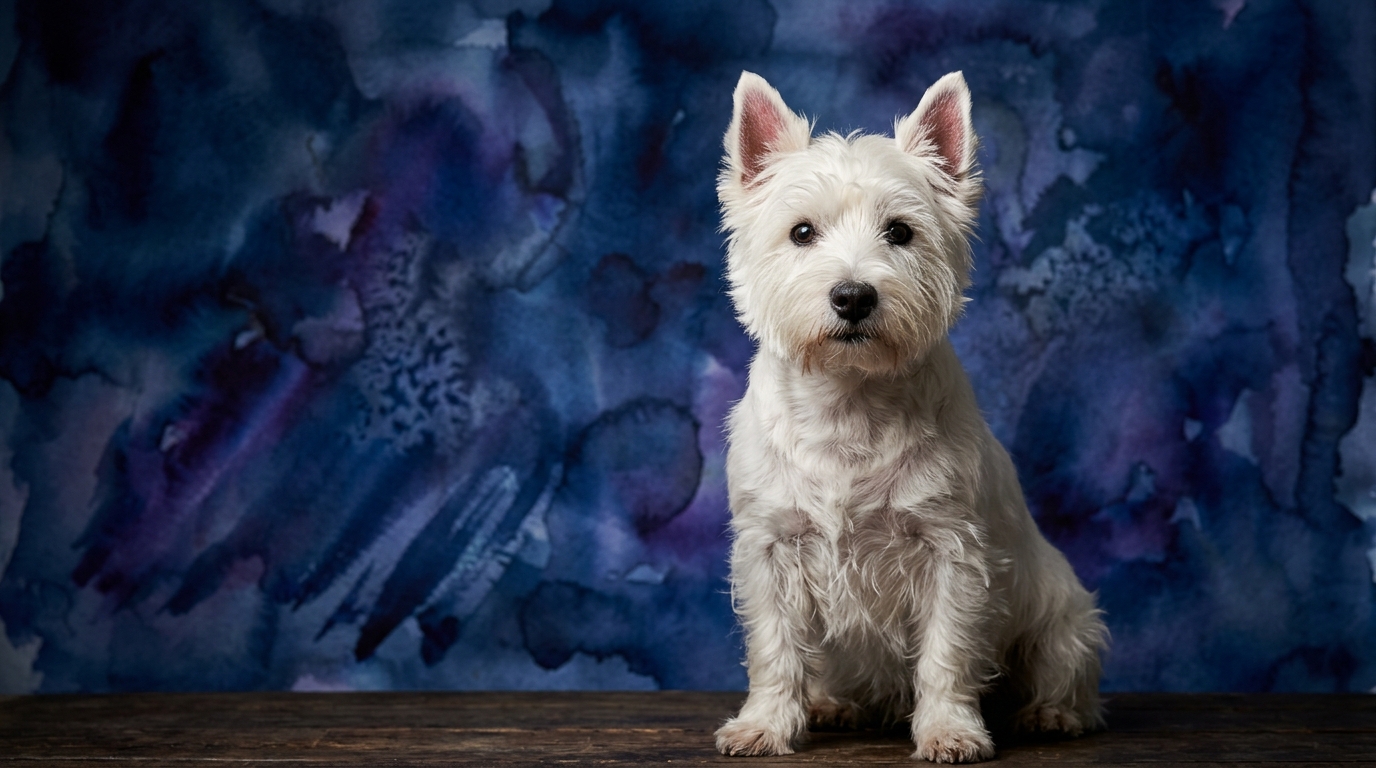
The German Wirehaired Pointer (GWP), with a Coren rank of #28, exhibits a cognitive profile tailored for collaborative work. Their Problem Solving (4/5) highlights a strong capacity to adapt to novel situations and strategize, crucial for navigating varied hunting grounds. A Training Speed of 4/5 indicates a quick grasp of commands, reflecting their cooperative spirit and desire to work with a handler. Social Intelligence (3/5) suggests an average ability to interpret human cues, while their Instinctive Drive (3/5) focuses on their gundog tasks. A robust Memory (4/5) allows them to retain complex instructions and learned behaviors effectively. In contrast, the West Highland White Terrier (WHWT), ranked #47 by Coren, presents a profile emphasizing independent tenacity. Their Problem Solving (3/5) is solid but often self-directed, focused on persistent attempts to overcome obstacles, typical for an earth dog. Training Speed (3/5) implies a moderate learning pace, requiring patience due to their independent nature. Social Intelligence (3/5) is average, supporting interaction but with a distinct terrier personality. Their Instinctive Drive (3/5) is a deep-seated urge for vermin hunting, manifesting as determined pursuit. Like the GWP, they possess a strong Memory (4/5), crucial for recalling successful independent strategies and routines.
Where the German Wirehaired Pointer Excels Cognitively
The German Wirehaired Pointer’s cognitive profile clearly excels in areas demanding collaborative work and adaptive thought. With a Problem Solving score of 4/5, they demonstrate a superior capacity to navigate complex, changing environments, such as tracking game through varied cover or retrieving in challenging terrain. This isn't just raw intellect; it's about applying intelligence to dynamic, real-world situations alongside a human partner. Their Training Speed of 4/5 further solidifies their advantage, indicating a quicker grasp of new commands and a more eager willingness to integrate them. This efficiency means they acquire a broader range of skills and sophisticated behavioral sequences more readily, making them highly adaptable to diverse tasks like advanced obedience or agility. This cooperative learning aptitude reflects their breeding as a versatile gundog, where prompt, precise responses to handler cues are paramount.
Where the West Highland White Terrier Shines Cognitively
While the West Highland White Terrier might not outscore the GWP in raw problem-solving or training speed, their cognitive strengths lie in a different, equally valuable domain: independent, tenacious application of instincts. Their Problem Solving score of 3/5, though lower, reflects a specific intelligence geared towards self-sufficiency in pursuing small prey. A Westie often excels at figuring out how to get to a target with determined, often stubborn, focus, rather than seeking human guidance. This involves persistent, iterative attempts to overcome obstacles, a hallmark of a digging terrier. Their Instinctive Drive of 3/5, while numerically equal, manifests differently; it's an unwavering urge to hunt and explore independently, often requiring minimal human direction once engaged. Their equally strong Memory (4/5) supports this by allowing them to recall successful strategies for navigating their environment or outsmarting vermin, reinforcing their independent work ethic. The Westie’s cognitive 'win' is in their unwavering focus and self-directed determination, a mental fortitude allowing them to persist where a more handler-dependent breed might falter.
Training Ease: GWP vs. Westie
Based on their cognitive profiles, the German Wirehaired Pointer presents as the easier breed to train. Their Training Speed of 4/5, versus the West Highland White Terrier's 3/5, signifies a quicker uptake of commands and greater reliability. This difference stems from their historical purpose: GWPs were bred to work closely with hunters, requiring high biddability and responsiveness to complex signals. They possess an inherent desire to please and collaborate, often viewing training as a shared, positive activity. In contrast, the West Highland White Terrier, bred for independent action out of sight of a handler, developed a strong-willed, self-reliant nature. While capable learners (Memory 4/5), Westies often demand more patience, consistency, and creative methods to maintain interest, as they may prefer to follow their own agenda. Their training requires understanding this independent drive and leveraging positive reinforcement to make lessons more appealing than innate desires.
Suitability for Active vs. Relaxed Owners
The German Wirehaired Pointer is unequivocally better suited for active owners. Their robust Problem Solving (4/5) and Training Speed (4/5) mean they thrive on consistent mental engagement and physical exertion. These dogs need a 'job' – be it hunting, advanced obedience, agility, or extensive hiking and running. An owner providing daily, varied activities that challenge both body and mind will find a GWP an incredibly rewarding companion. Their energy and purpose-driven nature make them ill-suited for a sedentary lifestyle; inadequate outlets can manifest as boredom-related behaviors. The West Highland White Terrier, while energetic, suits moderately active owners, provided terrier needs are understood. While Westies require daily walks and playtime, their exercise needs are generally less demanding than a GWP's. Their Instinctive Drive (3/5) fuels focused bursts of activity like digging or exploring, rather than sustained, long-distance work. A Westie is content with stimulating yard games, regular walks, and puzzle toys. However, 'relaxed' doesn't mean 'hands-off'; their independent nature still requires consistent mental stimulation and clear boundaries to prevent self-invented, potentially destructive, entertainment.
The Verdict
Choose a German Wirehaired Pointer if you are an active, experienced owner eager for a highly trainable, cooperative companion for outdoor adventures and mental challenges.
Opt for a West Highland White Terrier if you appreciate a charmingly independent, tenacious companion with a strong personality, suited for a moderately active home and capable of entertaining themselves with stimulating play.
🧠 Find Your Pet's IQ Score
Our Pet IQ Lab assessment covers 25+ tests across 5 cognitive dimensions — personalized to your breed.
Take the Full IQ Test →Frequently Asked Questions
Do German Wirehaired Pointers need a lot of mental stimulation?
Absolutely. With a Problem Solving score of 4/5 and Training Speed of 4/5, GWPs thrive on mental challenges and learning. Owners should provide puzzle toys, training sessions, and varied activities to keep their minds engaged and prevent boredom.
Are West Highland White Terriers difficult to train?
Westies are not difficult to train in the sense of being incapable, but their Training Speed of 3/5 and independent nature mean they require consistent, patient, and positive reinforcement methods. Owners should be prepared for a dog that often thinks for itself rather than always seeking to please.
Which breed is better with other pets or children?
Both breeds have a Social Intelligence score of 3/5, indicating an average capacity for social interaction, meaning early socialization is key for both. A GWP's sporting drive might mean careful introductions with small prey animals, while a Westie's terrier instincts could lead to chasing smaller pets; supervision is always recommended.