Side-by-Side IQ Profile: Giant Schnauzer vs. German Pinscher
At The Cosmic Pet Pet IQ Lab, we evaluate canine intelligence across five key dimensions, offering a granular view of each breed's cognitive aptitudes.
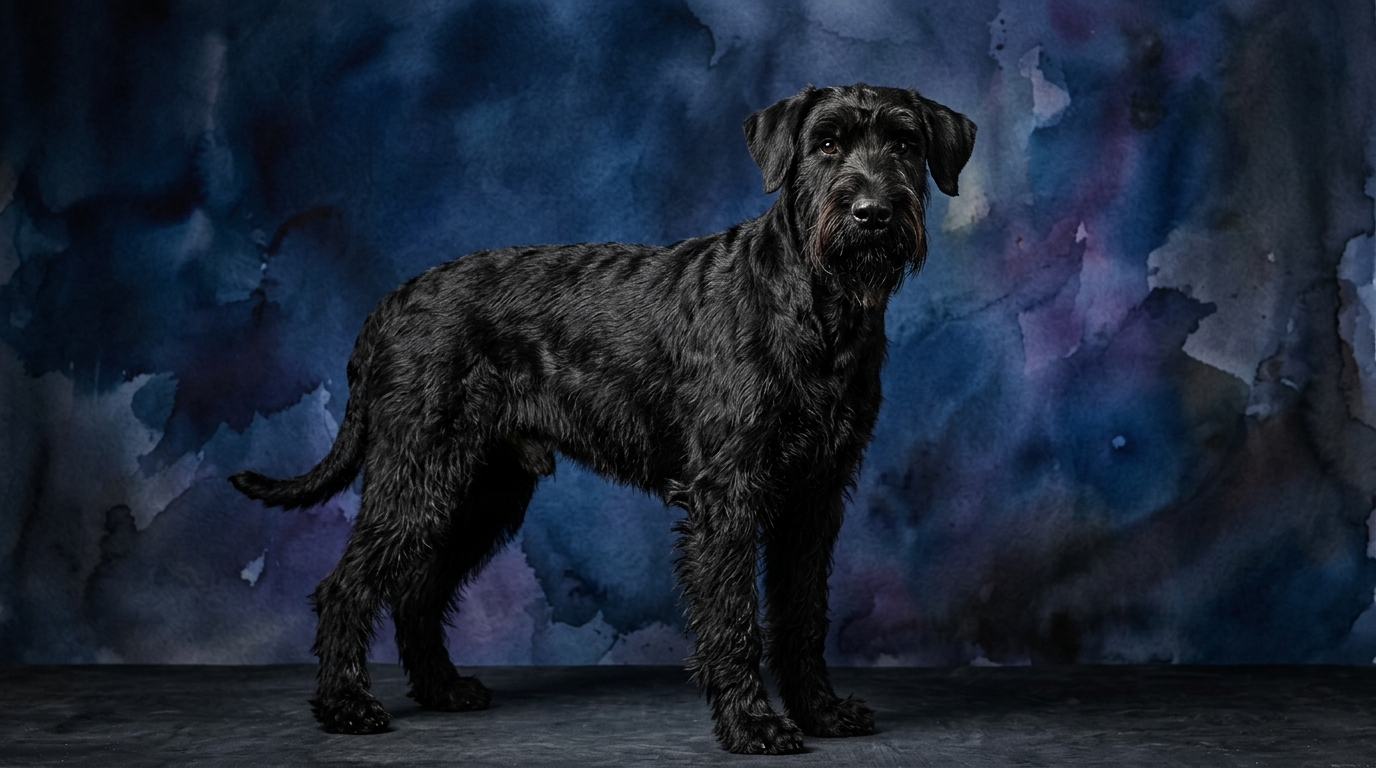
The Giant Schnauzer, a formidable Working breed with a Coren rank of #28, presents a well-rounded cognitive profile. Its Problem Solving is rated 4/5, indicating a strong capacity for independent thought and figuring out complex tasks, often devising novel solutions to obstacles. Training Speed also scores 4/5, demonstrating a readiness to absorb and execute new commands efficiently, allowing for faster progress in structured regimens. Social Intelligence is 3/5, showing a moderate understanding of human cues primarily within their family unit, with a more reserved approach to strangers. Instinctive Drive is 3/5, exhibiting a balanced level of innate working instincts like guarding and herding, which are generally manageable. Memory, at 4/5, highlights their ability to retain learned behaviors and experiences over extended periods, contributing to reliable recall of complex sequences.
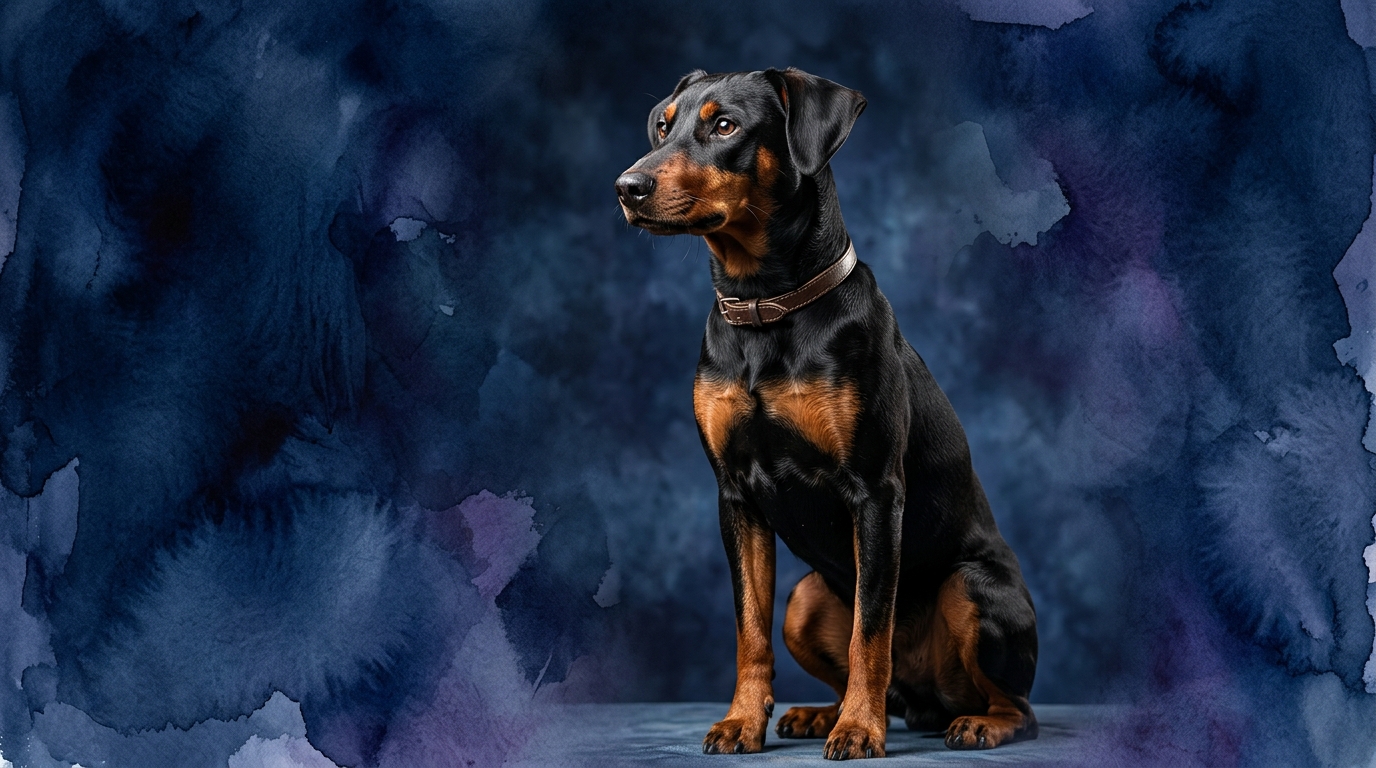
The German Pinscher, another diligent Working breed without a specific Coren ranking, displays a consistent and balanced cognitive makeup. Its Problem Solving is rated 3/5, showing a competent ability to tackle problems, often relying on learned patterns rather than innovative solutions. Training Speed also scores 3/5, meaning they learn at a steady, consistent pace, receptive to training with patient, clear instruction. Social Intelligence is 3/5, similar to the Schnauzer, being attentive to their family's moods but potentially reserved with outsiders. Instinctive Drive is 3/5, possessing a noticeable prey drive and vigilant nature, characteristic of their ratting and guarding heritage. Memory, at 3/5, indicates they hold onto information and experiences reasonably well, contributing to reliability once a behavior is thoroughly established.
Where the Giant Schnauzer Wins Cognitively
The Giant Schnauzer's 4/5 in both problem-solving and training speed provides a distinct edge in complex learning, allowing quicker grasp of multi-step commands and extrapolation of solutions from past experiences. For example, they might readily figure out a novel latch after learning a different one, showcasing adaptable intelligence beyond mere rote memorization. This translates to faster progress in advanced obedience, protection work, or intricate trick training where independent thought is valued. Their 4/5 memory score further solidifies this advantage, ensuring retention of complex sequences over long periods, reducing refresher training and enabling them to build a larger repertoire of reliable behaviors.
Where the German Pinscher Wins Cognitively
While not scoring higher in specific IQ dimensions, the German Pinscher's consistent 3/5 across the board signifies a balanced, tenacious approach to learning. Their dedication to a task once understood can be a profound strength, particularly in specific, repetitive roles like rodent control or vigilant watch-keeping, where persistence is paramount. Their compact size combined with this cognitive profile makes them exceptionally effective and persistent in agile work environments where a larger dog might be less suitable. Paired with their alertness, their moderate social intelligence makes them excellent household watchdogs, discerning threats without necessarily needing to engage in complex strategic thinking.
Which is Easier to Train and Why
The Giant Schnauzer is generally easier to train due to its higher scores in training speed (4/5), problem-solving (4/5), and memory (4/5). They absorb new commands quickly and apply learned principles to novel situations, needing fewer repetitions for complex tasks like navigating an agility course. Their capacity for independent thought enables appropriate responses even when situations deviate from prior training, making them highly adaptable students. This cognitive fluidity allows them to generalize behaviors and understand the underlying concepts of commands more readily.
The German Pinscher, with 3/5 across these dimensions, is certainly trainable but requires more patience and consistency. They thrive on clear, repetitive instruction and established routines, potentially needing more repetitions for complex sequences and struggling more with unexpected changes, as they rely more on direct memorization and less on abstract problem-solving. While diligent, their learning style is less about rapid cognitive leaps and more about steady, consistent reinforcement, meaning the training process might be longer but still yields reliable results with the right methodical approach.
Which Suits Active Owners vs. Relaxed Owners
The Giant Schnauzer is better suited for highly active owners who enjoy engaging in structured activities like advanced obedience, Schutzhund, agility, or competitive protection sports. Their robust physical and mental energy demands consistent outlets for their problem-solving abilities and strong memory. Owners who can provide regular, challenging training sessions and ample physical exercise will find the Giant Schnauzer thrives on the mental stimulation and partnership; they need more than just a walk, they need a 'job' or intellectual puzzles to solve.
Neither breed is truly ideal for genuinely 'relaxed' owners in the sense of minimal engagement, as both are working breeds requiring substantial interaction. However, the German Pinscher might be a slightly better fit for owners who are active but perhaps less interested in competitive dog sports or highly specialized training. They still require consistent daily exercise and mental engagement to manage their instinctive drive and maintain their social intelligence. An owner who enjoys regular walks, interactive play, and consistent, clear household routines, but isn't necessarily looking to push the boundaries of advanced dog training, could find a rewarding companion in the German Pinscher; their needs are more about consistent structure and outlets for their natural vigilance rather than constant cognitive challenges.
The Verdict
Opt for a Giant Schnauzer if you are an experienced owner seeking a highly capable partner for advanced training, competitive dog sports, or roles requiring nuanced problem-solving and rapid learning.
Select a German Pinscher if you appreciate a vigilant, tenacious companion who thrives on consistent routines, clear guidance, and moderate activity, making an excellent, alert family member.
🧠 Find Your Pet's IQ Score
Our Pet IQ Lab assessment covers 25+ tests across 5 cognitive dimensions — personalized to your breed.
Take the Full IQ Test →Frequently Asked Questions
Are Giant Schnauzers good family dogs?
Giant Schnauzers can be excellent family dogs, demonstrating loyalty and protectiveness towards their immediate human family. Their moderate social intelligence means they bond deeply with their inner circle but require early and consistent socialization to ensure polite interactions with new people and environments.
Do German Pinschers bark a lot?
German Pinschers are known for their alertness and can be prone to barking as a form of communication and vigilance. This trait stems from their historical role as ratters and watchdogs, making early training crucial to manage and channel their vocal tendencies appropriately.
What kind of mental exercise do these breeds need?
Both breeds require regular mental exercise, but the Giant Schnauzer benefits from complex puzzle toys, advanced obedience training, and multi-step tasks to challenge its superior problem-solving and memory. The German Pinscher thrives on consistent training routines, scent work, and interactive games that engage its instinctive drive and provide structured mental stimulation.