Side-by-Side IQ Profile: Unpacking Canine Cognition
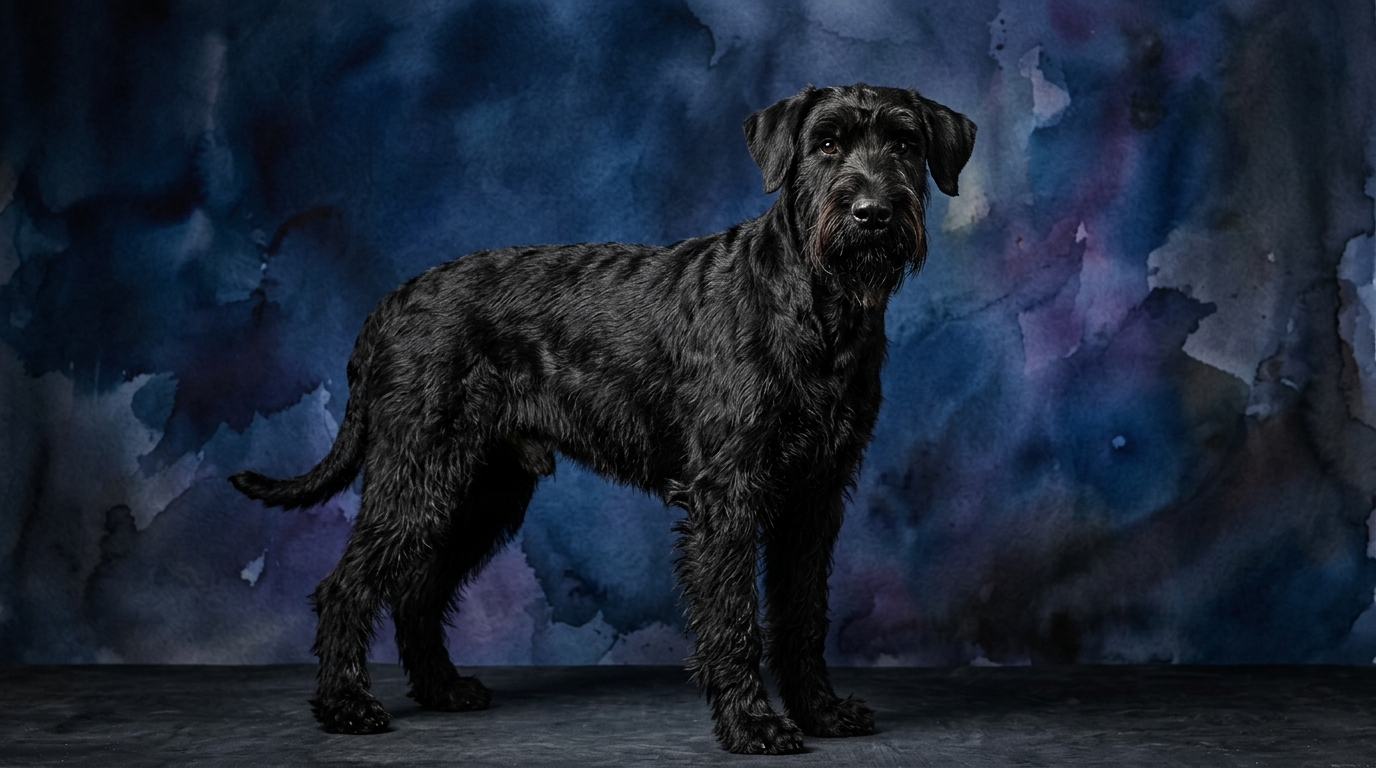
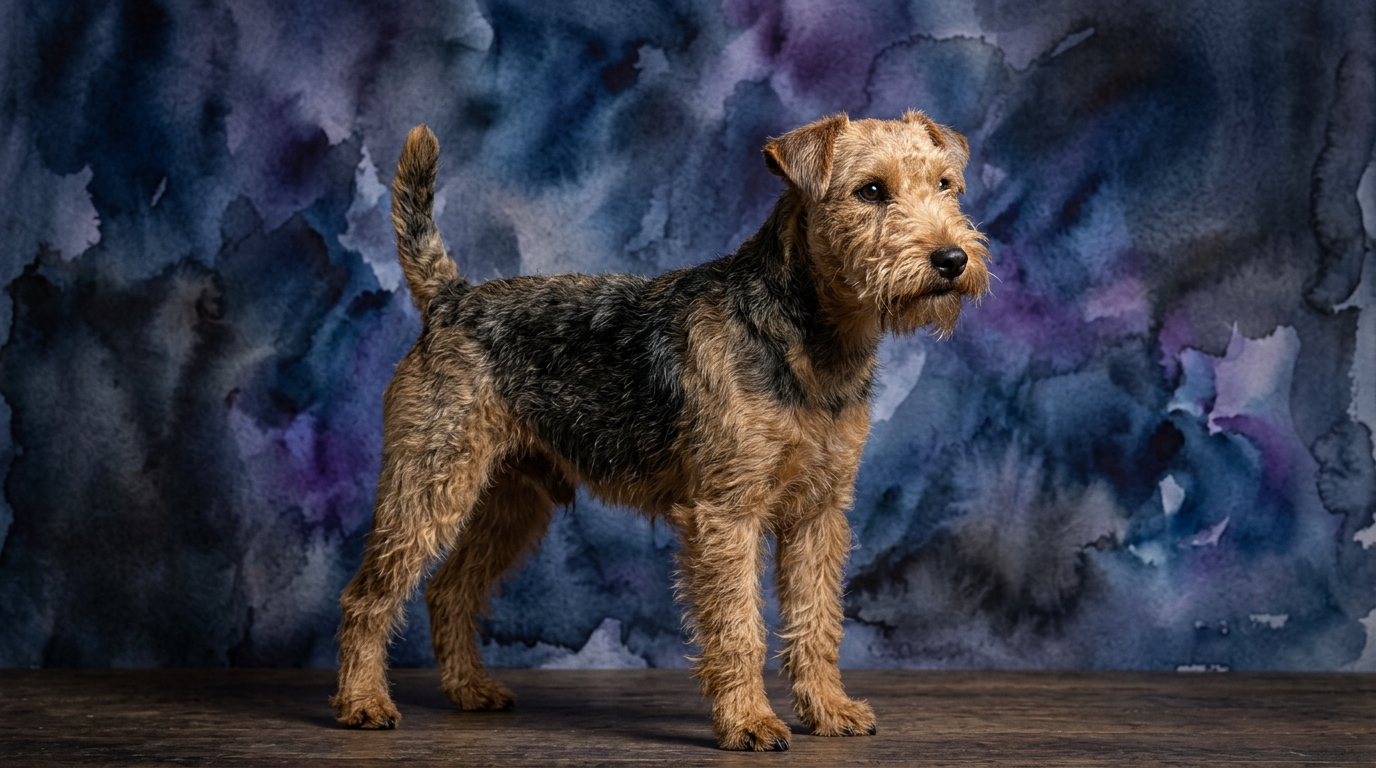
To truly understand the cognitive makeup of these two breeds, The Cosmic Pet Pet IQ Lab employs five key dimensions. The Giant Schnauzer, a Coren-ranked breed at #28, consistently demonstrates a higher aptitude across several measures, while the Lakeland Terrier, though not Coren-ranked, brings its own distinct cognitive strengths to the forefront.
**Problem Solving:** The Giant Schnauzer scores 4 out of 5, indicating a strong capacity for analyzing novel situations and devising effective solutions. They often approach challenges with a strategic mindset, capable of understanding complex sequences and adapting learned behaviors. In contrast, the Lakeland Terrier scores 3 out of 5. While capable of solving problems, their approach tends to be more practical and persistent, relying on trial-and-error or brute force rather than abstract reasoning, sometimes taking longer to connect cause and effect.
**Training Speed:** Here, the Giant Schnauzer again rates 4 out of 5. This breed typically grasps new commands and routines quickly, often enjoying the process of learning and collaboration with their handler. Their eagerness to please and focus on tasks contribute to their efficient learning curve. The Lakeland Terrier, with a score of 3 out of 5, requires more repetition and creative motivation during training. Their independent nature means they learn, but often on their own terms, and can be more easily distracted by environmental stimuli or their own instincts.
**Social Intelligence:** Both breeds register a score of 3 out of 5 in social intelligence, suggesting a moderate but distinct understanding of social cues and interactions. The Giant Schnauzer tends to be observant of family dynamics and can be attuned to the moods and intentions of their primary caregivers. Their social understanding often serves their protective instincts. The Lakeland Terrier's social intelligence, while equal in score, might manifest as a sharper, more immediate read of individual interactions, often assessing situations quickly to determine their own best course of action rather than seeking to manipulate complex social structures.
**Instinctive Drive:** Both breeds score 3 out of 5 for instinctive drive, yet the nature of these drives differs significantly. The Giant Schnauzer possesses strong guarding, territorial, and protective instincts, coupled with a desire for purposeful work, reflecting its heritage as a cattle driver and guard dog. The Lakeland Terrier's 3 out of 5 is dominated by a robust prey drive, a keen sense for tracking, digging, and an independent pursuit of small game, characteristic of its vermin-hunting terrier lineage. These drives are powerful motivators for both breeds, guiding their natural behaviors.
**Memory:** The Giant Schnauzer achieves a 4 out of 5 in memory, indicating a strong ability to retain complex sequences of commands, past experiences, and environmental layouts. This robust memory contributes significantly to their problem-solving and training efficiency. The Lakeland Terrier scores 3 out of 5. While they remember routines, commands, and important individuals, their recall for intricate details or novel information might be less extensive or require more reinforcement than their Schnauzer counterpart.
Where the Giant Schnauzer Wins Cognitively
The Giant Schnauzer’s cognitive strengths are evident in its superior scores for problem-solving, training speed, and memory. Owners will observe their Giant Schnauzer’s capacity for strategic thinking, such as figuring out how to open a complex crate latch or navigating an agility course with minimal guidance after initial training. This breed’s ability to quickly grasp and recall multi-step commands makes them exceptional candidates for advanced obedience, protection work, or competitive dog sports where rapid learning and precise execution are paramount. Their robust memory ensures that once a task is learned, it is retained for the long term, reducing the need for constant refresher training and allowing for continuous progression in skill development.
Where the Lakeland Terrier's Cognition Shines
While the Lakeland Terrier's numerical scores are generally lower or equal to the Giant Schnauzer, their unique cognitive profile shines in specific contexts. Their 3/5 instinctive drive, though not numerically higher, represents an incredibly focused and tenacious persistence, especially when engaging with their natural terrier instincts. A Lakeland will exhibit remarkable single-mindedness in scent work or earthdog trials, pursuing a goal with unwavering determination where a Giant Schnauzer might seek a more 'efficient' or 'human-directed' solution. Their independence in problem-solving, even if slower, means they are less prone to waiting for human direction and more likely to devise their own, often creative, solutions to immediate, practical challenges, particularly those involving exploration or pursuit. This distinct cognitive approach fosters a resourceful and self-reliant companion, excelling in tasks requiring sustained, independent focus.
Which is Easier to Train and Why
Based on their cognitive profiles, the Giant Schnauzer is generally considered easier to train than the Lakeland Terrier. The Giant Schnauzer's 4/5 training speed means they pick up commands quickly and enjoy the mental engagement of structured learning sessions, often eager to please their handler. Their higher problem-solving score also enables them to generalize learned behaviors to new situations more readily. In contrast, the Lakeland Terrier's 3/5 training speed, combined with its strong independent streak and instinctive drive, can make training more challenging. While capable of learning, a Lakeland may require more patience, consistent motivation, and creative approaches to overcome their innate desire to follow their own agenda, particularly when a compelling scent or potential 'prey' distracts them. Owners must understand that their terrier's stubbornness is not a lack of intelligence, but a manifestation of their deeply ingrained independent working nature.
Suitability for Active vs. Engaged Owners
Neither the Giant Schnauzer nor the Lakeland Terrier are suited for truly 'relaxed' owners in the sense of minimal engagement; both require active participation in their lives, albeit in different ways. The Giant Schnauzer thrives with engaged owners who can provide consistent mental stimulation and physical activity. Their higher problem-solving and memory scores mean they excel in structured activities like obedience, agility, or protection work, and they need a 'job' to feel fulfilled. They are ideal for owners who enjoy a highly collaborative canine partner in diverse activities and can offer a firm, fair, and consistent leadership.
The Lakeland Terrier, while also requiring an active lifestyle, suits owners who appreciate a spirited, tenacious, and independent companion. Their strong instinctive drives mean they need outlets for exploring, digging, and chasing, making them excellent partners for hiking, earthdog trials, or scent work. Owners must be prepared to manage a dog with a strong personality and a mind of its own, channeling their energy and instincts into appropriate activities. They are best for owners who are equally active and can provide creative outlets for their terrier's unique blend of energy and focus, understanding that their cognitive drive is often directed by instinct rather than a desire for strict adherence to commands.
The Verdict
Choose the Giant Schnauzer if you seek a highly trainable, versatile working partner eager for complex tasks and consistent collaboration, thriving on structured mental and physical engagement.
Opt for the Lakeland Terrier if you appreciate a tenacious, independent spirit with a focused drive, and are prepared to channel their strong instincts into adventurous, engaging activities.
🧠 Find Your Pet's IQ Score
Our Pet IQ Lab assessment covers 25+ tests across 5 cognitive dimensions — personalized to your breed.
Take the Full IQ Test →Frequently Asked Questions
Is the Lakeland Terrier difficult to train due to its independence?
The Lakeland Terrier, with a 3/5 training speed and strong instinctive drive, can present more challenges during training compared to breeds with higher scores. Their independent nature means they require patient, consistent, and highly motivating methods to ensure compliance and engagement.
Do Giant Schnauzers need a lot of mental stimulation?
Yes, Giant Schnauzers, with their 4/5 problem-solving and memory scores, absolutely require significant mental stimulation. They thrive on learning new tasks, solving puzzles, and engaging in activities that challenge their cognitive abilities, preventing boredom and potential behavioral issues.
Which breed is better suited for a first-time dog owner?
Generally, neither breed is recommended for truly inexperienced first-time owners due to their strong personalities and specific needs. However, a Giant Schnauzer might be marginally more manageable for a dedicated novice willing to commit to extensive training, given their higher trainability and desire to please. The Lakeland Terrier's independent and tenacious nature often benefits from an owner with some prior experience in handling strong-willed dogs.