Side-by-Side IQ Profile: Giant Schnauzer vs. Pekingese
The Cosmic Pet Pet IQ Lab employs a multi-dimensional framework to assess canine intelligence, moving beyond simplistic 'smart' labels. Let's delve into the specific cognitive strengths and nuances of the Giant Schnauzer and the Pekingese across five key dimensions.
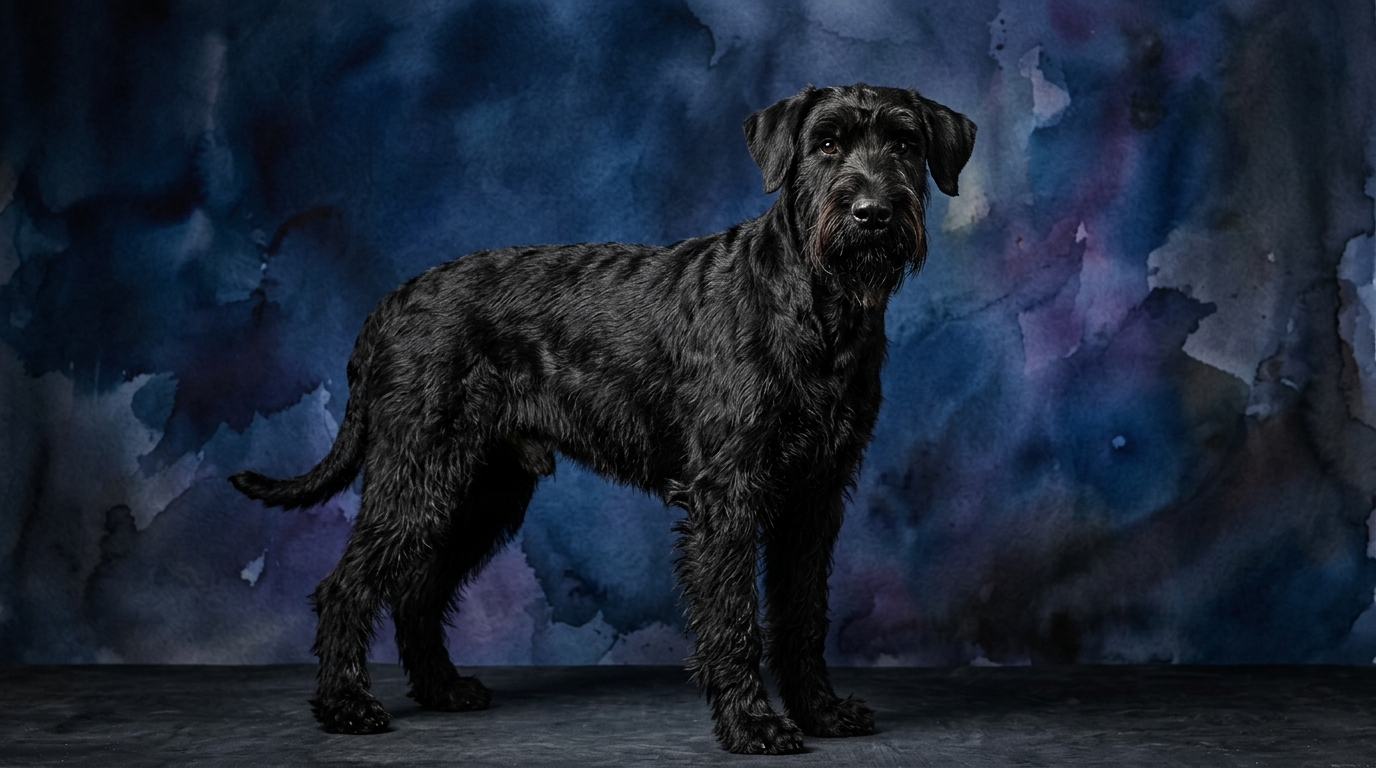
The Giant Schnauzer, a member of the Working group with a Coren rank of #28, presents a cognitive profile geared towards purpose and engagement. Their problem-solving capacity rates a strong 4 out of 5, indicating a robust ability to analyze situations and devise solutions independently. In terms of training speed, they also score 4 out of 5, suggesting a quick grasp of new commands and complex sequences. Their social intelligence is a solid 3 out of 5, reflecting an awareness of human cues while maintaining a degree of discerning independence. Instinctive drive, also at 3 out of 5, points to a moderate but focused drive for tasks and protection. Finally, their memory stands at an impressive 4 out of 5, allowing for excellent retention of learned behaviors and routines.
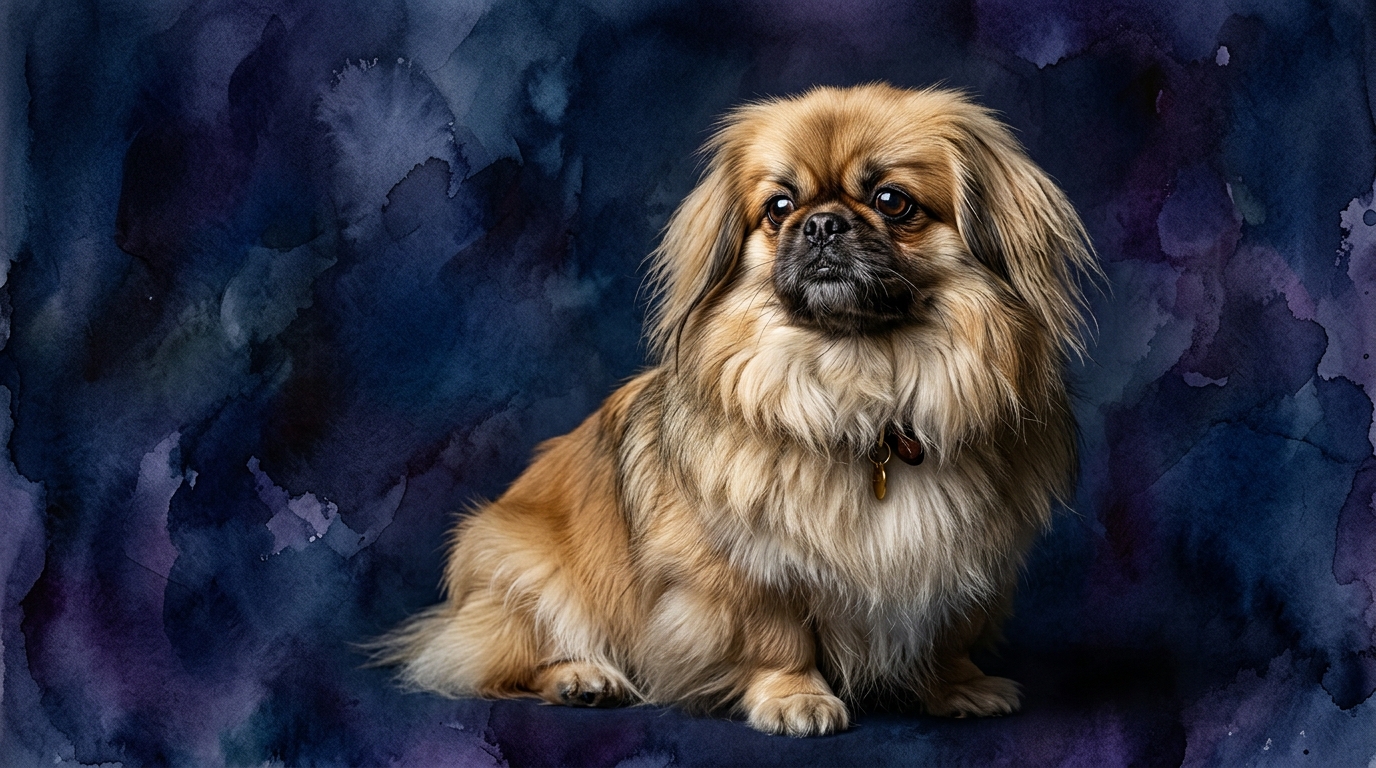
In contrast, the Pekingese, a Toy group dog with a Coren rank of #77, showcases a cognitive design optimized for companionship. Their problem-solving scores 3 out of 5, meaning they can navigate their environment effectively but might prefer human intervention for more intricate dilemmas. Training speed is also rated 3 out of 5, indicating they learn at a steady pace, often requiring consistent motivation tailored to their preferences. Social intelligence, like the Schnauzer, is 3 out of 5, but its manifestation leans towards acute sensitivity to their chosen human's mood and comfort. Instinctive drive is 3 out of 5, primarily focused on guarding their immediate territory and person rather than broad working tasks. Their memory is rated 3 out of 5, sufficient for remembering familiar routines and people, though perhaps requiring more refreshers for less frequently performed commands.
Where the Giant Schnauzer Excels Cognitively
The Giant Schnauzer's cognitive strengths distinctly shine in areas demanding proactive engagement and independent thought. Their superior problem-solving (4/5) means they are more adept at figuring out complex mechanisms, like unlocking a gate or navigating a novel obstacle course without direct guidance. This isn't just about trial and error; it's about a more analytical approach to environmental challenges. Coupled with their higher training speed (4/5), Schnauzers grasp multi-step commands and intricate sequences with remarkable efficiency, often appearing to anticipate the next instruction. Their memory (4/5) reinforces this, allowing them to retain vast repertoires of commands and experiences over extended periods, making them reliable partners in sports or tasks requiring precision and recall. The nature of their instinctive drive, while rated 3/5 like the Pekingese, is geared towards performing a 'job,' which translates into a more focused and sustained application of their cognitive resources towards goal-oriented activities.
Where the Pekingese Demonstrates Unique Cognitive Strengths
While the Pekingese might not match the Giant Schnauzer in traditional working intelligence, their cognitive profile reveals distinct advantages tailored to their role as a devoted companion. Their social intelligence, rated 3 out of 5, is highly specialized and often underestimated. They exhibit an exquisite sensitivity to their primary human's subtle cues, moods, and routines, often anticipating needs or desires with uncanny accuracy. This isn't about performing a task, but about navigating complex inter-species social dynamics within their home environment, often influencing outcomes to their benefit through charm and persistence. Their problem-solving (3/5), while lower, is often applied strategically to optimize personal comfort and secure desired attention or resources from their owners. For instance, a Pekingese might ingeniously 'train' its human to provide specific comforts or treats, demonstrating a sophisticated understanding of cause and effect within their domestic sphere. They possess a remarkable ability to be content and mentally present in a quiet, predictable home, requiring less external cognitive stimulation to maintain equilibrium, which is a significant cognitive advantage for their specific lifestyle.
Training Dynamics: Which is Easier and Why?
When it comes to formal training, the Giant Schnauzer generally presents as the more straightforward student. Their 4/5 training speed means they acquire new commands and behaviors rapidly, often eager to engage in structured learning sessions. They thrive on having a 'job' and respond positively to clear, consistent instruction, making them excellent candidates for advanced obedience, agility, or protection work. Their strong memory and problem-solving skills allow them to generalize learned behaviors to new contexts, reducing the need for extensive repetition. Behavioral differences are evident in their drive to cooperate and understand the 'why' behind a command, which streamlines the training process.
The Pekingese, with a 3/5 training speed, can certainly be trained, but the approach must be adapted to their independent and sometimes opinionated nature. They require patience, positive reinforcement, and a deep understanding of their unique motivations. A Pekingese might not see the inherent value in performing a trick for the sake of it, often needing a strong incentive like a favored treat or a desired cuddle. Their problem-solving might manifest as figuring out how to *avoid* an undesirable command or how to get their human to do something for them instead. This isn't stubbornness in a negative sense, but rather a manifestation of their independent cognitive processing and social intelligence, where they weigh the perceived benefit against the effort. Consistency is paramount, as their memory (3/5) might require more frequent refreshers for less frequently used commands, and their social intelligence dictates that they often learn best when they feel it's their idea or serves their comfort.
Matching Canine Intellect to Owner Lifestyles
The distinct cognitive profiles of these breeds mean they are suited to very different owner lifestyles. The Giant Schnauzer, with its high problem-solving, training speed, and memory, thrives with active, engaged owners who can provide consistent mental and physical challenges. They are partners for those who enjoy structured activities like dog sports, advanced obedience, or even working roles, where their cognitive prowess is regularly put to use. An owner who understands the need for varied stimulation, puzzle toys, and ongoing learning will see a Giant Schnauzer flourish, channeling their considerable mental energy into productive outlets.
Conversely, the Pekingese is an ideal companion for more relaxed owners who appreciate a less demanding, yet still mentally present, presence. Their cognitive strengths are geared towards discerning the subtle dynamics of a home environment and forming deep, nuanced bonds with their chosen humans. While they benefit from gentle mental engagement through play and short, positive training sessions, their primary cognitive focus is on comfort, companionship, and subtle communication. Owners who cherish a charming, independent spirit and are content with a companion whose intellect is primarily expressed within the cozy confines of their shared domain will find the Pekingese a perfect fit.
The Verdict
Choose the Giant Schnauzer if you seek a mentally agile, highly trainable partner for complex tasks, dog sports, or a working role that demands sustained cognitive engagement and independent problem-solving.
Opt for the Pekingese if you desire a charming, independent companion whose cognitive focus is on comfort, subtle communication, and ruling their cozy domain with an acute understanding of household dynamics and human preferences.
🧠 Find Your Pet's IQ Score
Our Pet IQ Lab assessment covers 25+ tests across 5 cognitive dimensions — personalized to your breed.
Take the Full IQ Test →Frequently Asked Questions
Are Giant Schnauzers good at dog sports?
Yes, their cognitive strengths in problem-solving, training speed, and memory make them excellent candidates for agility, obedience, and protection work. They enjoy the mental stimulation and physical challenge these activities provide, allowing them to apply their impressive mental and physical prowess effectively.
Do Pekingese need mental stimulation?
Absolutely. While their needs differ from a working breed, Pekingese benefit from puzzle toys, short, positive training sessions, and varied indoor exploration to keep their minds engaged and prevent boredom. This helps channel their innate curiosity and social intelligence in constructive ways.
How do their Coren ranks relate to their daily behavior?
The Giant Schnauzer's higher Coren rank (28) generally correlates with a quicker grasp of new commands and a desire for structured learning, making them more receptive to formal training. The Pekingese's rank (77) indicates a more independent learning curve, often requiring more patience and motivation tailored to their preferences, reflecting their self-assured and sometimes selective approach to instruction.