Side-by-Side IQ Profile: Giant Schnauzer vs. Rat Terrier
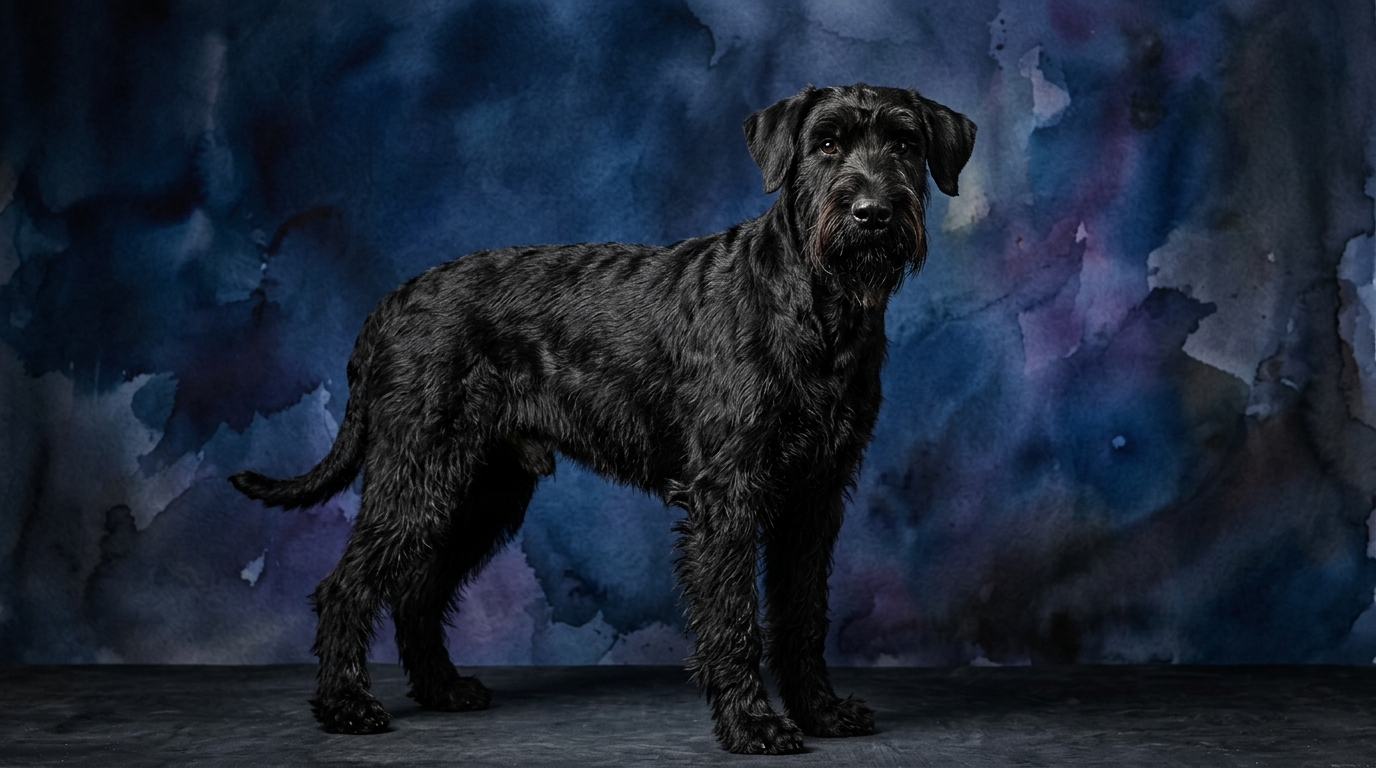
At The Cosmic Pet Pet IQ Lab, we evaluate canine cognition across five key dimensions. For the Giant Schnauzer, a Working breed ranked #28 by Coren, its profile reflects a powerful and discerning mind. Its Problem Solving is rated 4/5, indicating a strong capacity for complex thought, often devising multi-step solutions to novel challenges, indicating a strategic rather than reactive approach. Training Speed stands at 4/5; this breed picks up new commands and routines with impressive swiftness, often requiring fewer repetitions, with focus and eagerness significantly contributing to rapid learning. Social Intelligence is 3/5; capable of forming deep bonds, their social interactions are often reserved or discerning, as they assess situations and individuals carefully, displaying nuanced understanding within their trusted circle. Its Instinctive Drive is 3/5, a moderate, purposeful drive rooted in guarding and herding, manifesting as vigilance and protection rather than an overwhelming prey drive. Finally, Memory is 4/5, exhibiting excellent long-term recall, remembering tasks, experiences, and individuals over extended periods, contributing to consistent performance.
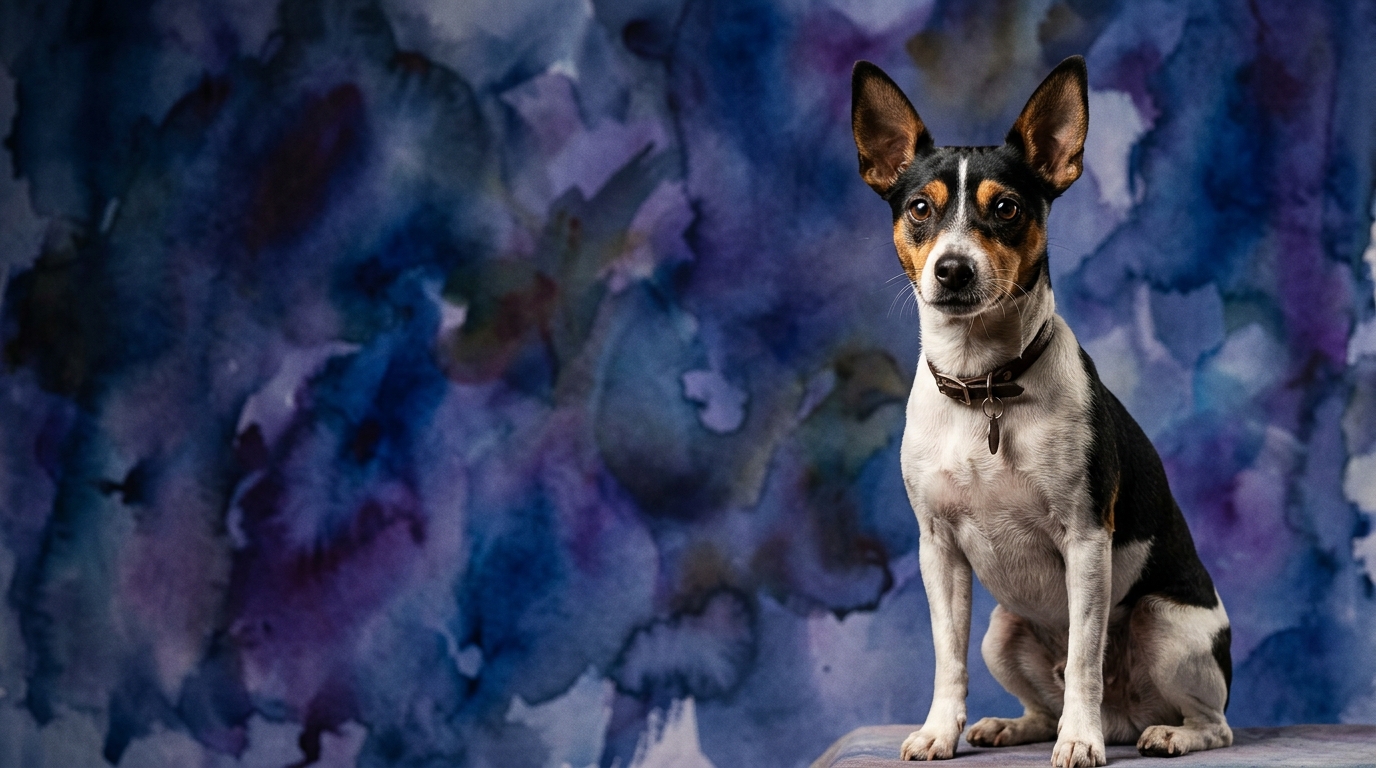
The Rat Terrier, a Terrier breed not Coren-ranked, presents a profile of keen practicality and energetic focus. Its Problem Solving is 3/5, capable of solving practical, immediate problems, especially related to their environment or obtaining objects, with an approach that is direct and persistent rather than deeply analytical. Training Speed is 3/5; this breed learns at a steady pace, mastering commands, though requiring more consistent reinforcement than the Giant Schnauzer, with their independent spirit sometimes presenting a charming challenge. Social Intelligence is 3/5; generally friendly and adaptable, they read social cues adequately and enjoy interaction, integrating well into family dynamics with a balanced understanding. Its Instinctive Drive is 3/5, a strong, focused drive primarily for hunting small vermin, translating into persistent curiosity and a drive to explore and 'work' their environment, often following scents. Memory is 3/5, possessing functional memory for commands and routines, retaining information effectively for day-to-day interactions, with recall reliable for practical purposes.
Where the Giant Schnauzer Wins Cognitively
The Giant Schnauzer's primary cognitive advantage lies in its sophisticated problem-solving (4/5) and superior memory (4/5). They demonstrate a capacity for abstract thought and strategic planning, often surpassing the Rat Terrier's more immediate, instinct-driven approach. For instance, a Giant Schnauzer is more likely to systematically analyze a complex puzzle toy rather than resorting to brute force. Their strong memory allows recall of successful strategies and training sessions with remarkable accuracy, leading to faster mastery of intricate tasks. This cognitive depth also fuels their 4/5 training speed; they internalize the *purpose* behind commands, not just associate sounds with actions. This processing enables them to generalize learned behaviors to new situations readily, making them exceptional for advanced obedience, protection, or complex sport activities requiring precision and understanding. Their ability to maintain focus despite distractions further highlights their cognitive control and mental fortitude.
Where the Rat Terrier Wins Cognitively
While not outranking the Giant Schnauzer in raw problem-solving or memory, the Rat Terrier's cognitive strengths are deeply rooted in its terrier heritage, manifesting as unparalleled tenacity and adaptability. Their instinctive drive (3/5), though numerically matching the Schnauzer, expresses as a relentless, focused pursuit of small prey or environmental investigation. This translates into keen spatial awareness and ability to quickly assess and navigate surroundings, making them adept at tasks requiring agility and quick, independent decision-making. Their social intelligence (3/5), combined with spirited independence, allows them to adapt well to diverse social situations with confident, self-assured demeanor. Unlike the Giant Schnauzer's discerning social approach, the Rat Terrier often displays a more straightforward, amiable readiness to engage, making them excellent companions. Their practical problem-solving excels in real-world scenarios like finding a hidden toy or navigating obstacles. They are less prone to overthinking, more inclined to act, often finding solutions through persistent trial and error driven by strong motivation.
Which is Easier to Train and Why?
The Giant Schnauzer generally holds an advantage in training ease due to its superior training speed (4/5) and memory (4/5). They grasp new concepts quickly and retain them, requiring fewer repetitions. This stems from a strong desire to please and remarkable focus, allowing precise absorption of instructions. They are often more biddable and less prone to independent diversions during training, ensuring smoother progress through complex skill acquisition. Their stable temperament also contributes to a predictable learning curve. The Rat Terrier, while trainable with a 3/5 training speed, presents different considerations. Their terrier independence and strong instinctive drive for scent-tracking or small prey mean easier distraction by environmental stimuli. Training a Rat Terrier often requires creative, engaging approaches using play and high-value rewards to maintain focus against natural inclinations. While they learn commands, their application might be less precise or require more consistent reinforcement for reliability, especially off-leash. Their spirited nature can lead to charming stubbornness, making consistency and patience paramount.
Suitability for Active vs. Relaxed Owners
The Giant Schnauzer, from its working group heritage, suits active owners providing consistent mental and physical engagement. Their high problem-solving and training speed mean they thrive on structured activities like advanced obedience, agility, or protection sports. They need owners who understand the need for a 'job' to channel their considerable cognitive abilities and stamina. A relaxed owner unable to commit to daily training, long walks, or brain games risks a bored Giant Schnauzer developing undesirable behaviors from understimulation. The Rat Terrier, while energetic, adapts to a broader range of owner lifestyles, though still benefiting immensely from activity. Their spirited nature and keen instinctive drive appreciate daily walks, play, and opportunities for scent work or digging. Their physical demands are slightly less intense than a Giant Schnauzer's, making them suitable for active owners enjoying regular, less rigorous adventures. A more relaxed owner could manage a Rat Terrier with commitment to daily interactive play, puzzle toys, and consistent short training bursts, but must be prepared for their independent streak and need for mental engagement.
The Verdict
Choose a Giant Schnauzer if you are an experienced, active owner seeking a highly trainable companion for advanced obedience, protection work, or demanding canine sports, valuing their strategic problem-solving and exceptional memory.
Opt for a Rat Terrier if you appreciate a spirited, adaptable companion who excels in practical problem-solving and enjoys varied daily activities, and you are prepared for their independent streak and focused instinctive drives.
🧠 Find Your Pet's IQ Score
Our Pet IQ Lab assessment covers 25+ tests across 5 cognitive dimensions — personalized to your breed.
Take the Full IQ Test →Frequently Asked Questions
Do Giant Schnauzers need a lot of mental stimulation?
Yes, Giant Schnauzers absolutely require significant mental stimulation. Their high problem-solving and memory scores indicate a need for complex tasks, consistent training, and engaging activities to prevent boredom and channel their cognitive prowess constructively.
Are Rat Terriers good for first-time dog owners?
Rat Terriers can be suitable for first-time owners who are prepared for their energetic and independent nature. While trainable, their terrier tenacity requires consistent, positive reinforcement and an understanding of their strong instinctive drives.
How do their instinctive drives differ?
The Giant Schnauzer's instinctive drive leans towards guarding and protection, manifesting as vigilance and loyalty. The Rat Terrier's drive is primarily a strong prey drive for vermin, leading to keen observation, scent-following, and a persistent desire to investigate.