Side-by-Side IQ Profile: Unpacking the 3/5 Scores
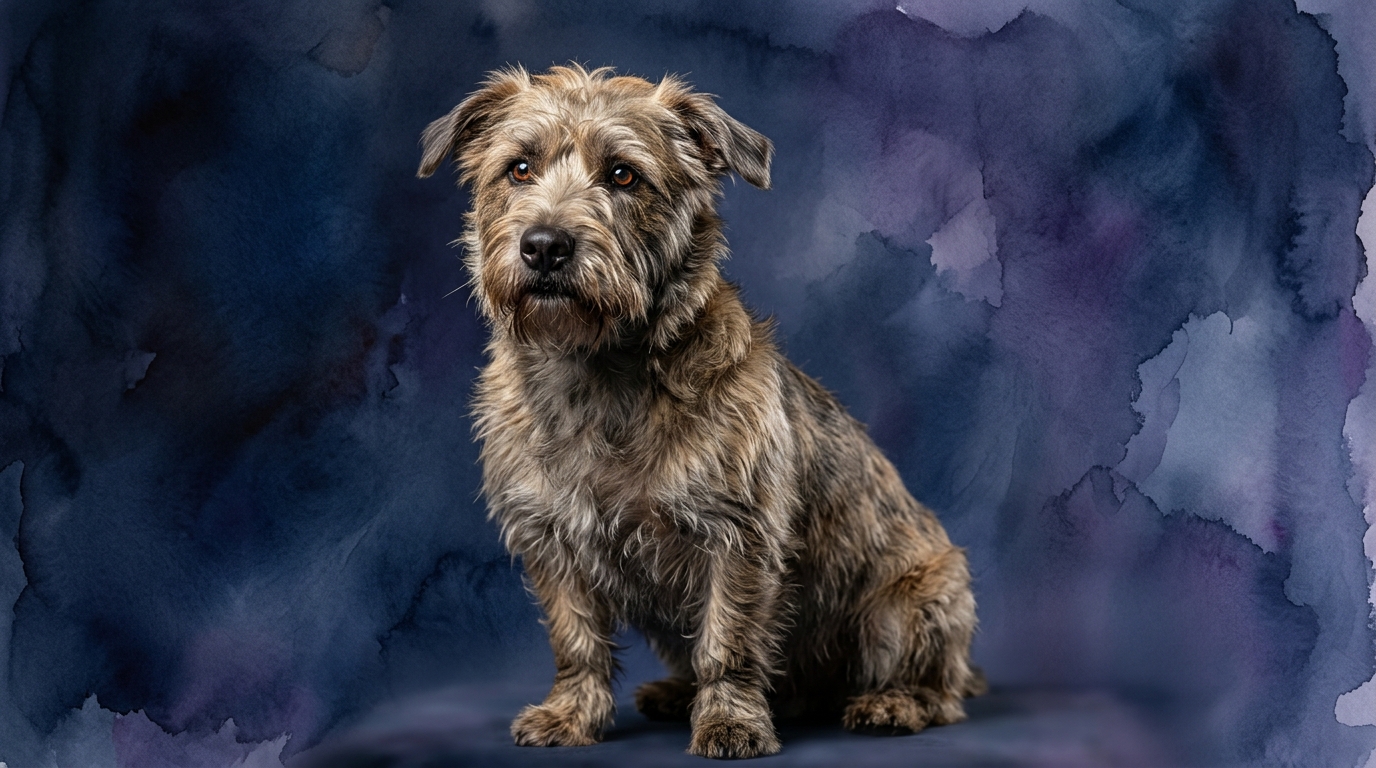
The Glen of Imaal Terrier, a stout and spirited working dog from Ireland, exhibits a 3/5 rating across all cognitive dimensions, reflecting a balanced yet distinctive intelligence profile. Their Problem Solving at 3/5 is characterized by a persistent, often physical approach; they are adept at figuring out how to access a desired object or location through tenacity rather than complex strategic planning. This terrier grit fuels their determination to overcome obstacles, whether it's outsmarting a puzzle toy or investigating a tempting scent. Their Training Speed, also 3/5, indicates they are capable learners but require consistent, engaging methods, as their independent nature means they must be convinced of a command’s utility before offering consistent compliance. They learn, but they also evaluate.
Glen of Imaal Terriers’ Social Intelligence, rated 3/5, manifests as a deep, albeit sometimes reserved, connection with their immediate family, showing sensitivity to their owners’ moods while often being indifferent to strangers. They are observant of their human pack dynamics and respond well to established routines. The 3/5 Instinctive Drive is strong but focused, primarily on digging and scenting out small prey, a heritage that directly influences their problem-solving and persistence. Finally, their Memory at 3/5 ensures they retain learned behaviors, routines, and boundaries effectively, making them reliable once a lesson is truly ingrained, for better or worse.
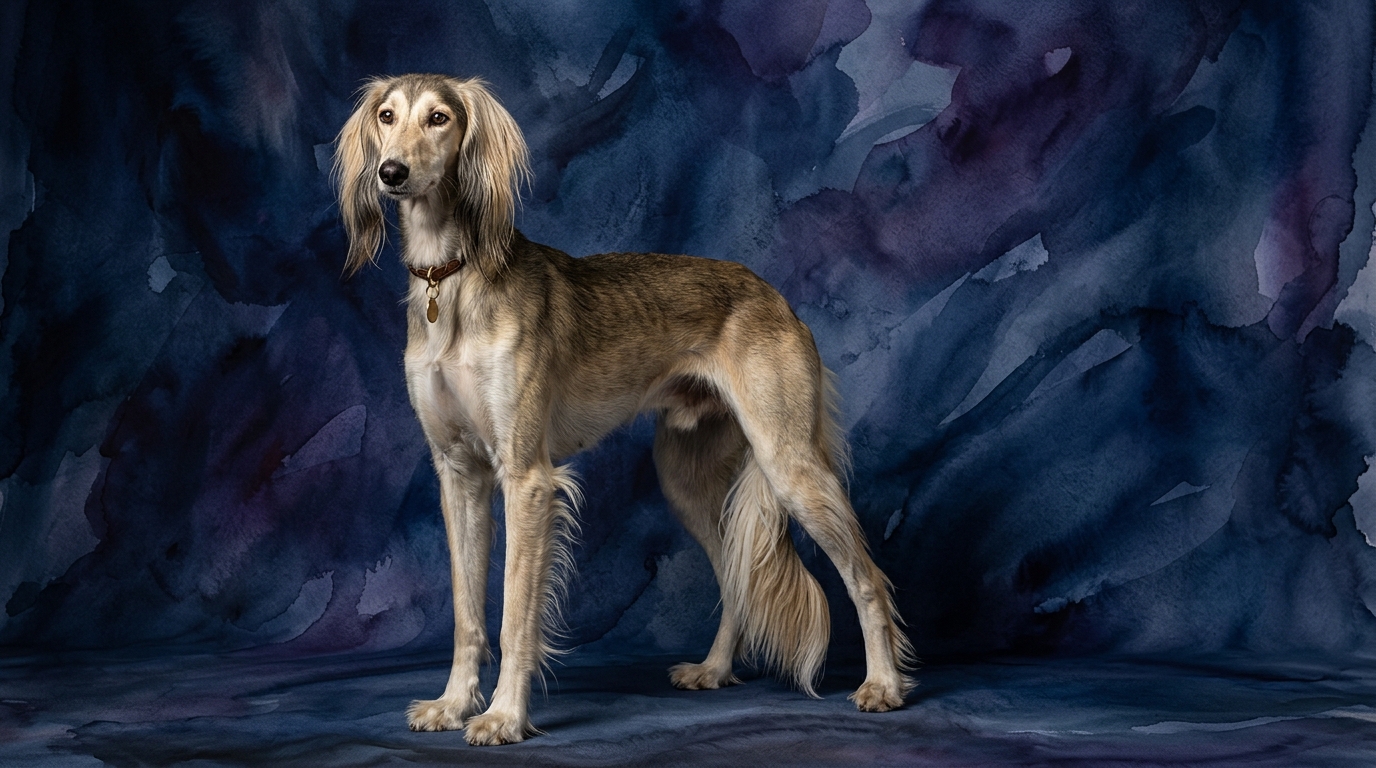
In stark contrast, the Saluki, an ancient sighthound revered for its speed and grace, shares the identical 3/5 score across all cognitive dimensions, yet these scores manifest through a vastly different lens shaped by their purpose. Their Problem Solving at 3/5 is less about brute force and more about elegant efficiency, particularly in visual assessment and strategic movement; they excel at calculating the quickest path to a perceived target or finding the most comfortable, elevated perch. This is often an intuitive, quick-fire decision rather than a drawn-out process. Their Training Speed, also 3/5, means they can grasp commands rapidly, but their independent spirit and powerful prey drive often lead them to prioritize their own inclinations, especially when faced with distractions, making consistent execution a challenge.
Salukis’ Social Intelligence, rated 3/5, is characterized by a profound, almost spiritual bond with their chosen people, expressed through quiet devotion rather than boisterous displays; they are deeply attuned to the emotional nuances within their inner circle but famously aloof with outsiders. Their 3/5 Instinctive Drive is overwhelmingly visual, an intense urge to chase anything that moves quickly, driving their physical and mental focus. This instinct often overrides other considerations, including training commands. Their Memory, also 3/5, is particularly strong for spatial layouts and routines, remembering specific running paths or the location of a favorite sunbeam with remarkable accuracy, contributing to their comfort in established environments.
Where the Glen of Imaal Terrier Excels Cognitively
The Glen of Imaal Terrier’s cognitive strengths truly shine in their tenacious problem-solving and adaptable persistence, aspects deeply rooted in their history as badger and fox hunters. Their 3/5 problem-solving isn't about speed, but about an unwavering commitment to a task, often demonstrating a creative resourcefulness in overcoming physical barriers. For example, a Glen might spend considerable time meticulously working to dismantle a complex puzzle toy or cleverly navigating a series of obstacles to reach a desired treat, employing their sturdy build and intelligent paws. This relentless drive, stemming from their 3/5 instinctive drive, means they won't give up easily, making them exceptional at tasks requiring sustained effort and an investigative mindset in confined or challenging spaces.
Furthermore, while their social intelligence is rated 3/5, the Glen's ability to read and respond to their family’s subtle cues is a quiet strength. They form deep, loyal bonds, often acting as empathetic companions who understand household rhythms and individual personalities. This nuanced social awareness, combined with their 3/5 memory, allows them to anticipate needs and integrate smoothly into family life, often developing unique ways of communicating their desires or expressing affection. They excel in environments where their human companions appreciate their independent thinking and reward their efforts to engage in mentally stimulating, hands-on activities.
Where the Saluki Shines Cognitively
The Saluki’s cognitive prowess is most evident in their swift, intuitive problem-solving and exceptional spatial memory, skills honed over centuries of coursing game across vast landscapes. Their 3/5 problem-solving manifests as an almost instantaneous assessment of a visual situation, allowing them to make rapid, elegant decisions, such as identifying the fastest route across an open field or precisely timing a chase. This isn't about brute force but about strategic efficiency and grace, directly linked to their powerful 3/5 instinctive drive to pursue. They excel in situations demanding quick reflexes and precise movement, demonstrating a remarkable ability to navigate complex terrain with speed and accuracy.
Beyond their visual acuity, the Saluki’s 3/5 memory is particularly strong for spatial layouts and established routines, making them excellent navigators in familiar environments. They will remember specific off-leash running paths or the exact location of a favorite sunbeam, demonstrating a nuanced understanding of their physical world. Their 3/5 social intelligence, though outwardly reserved, is intensely focused on their inner circle, allowing them to perceive and react to subtle emotional shifts within their family with quiet dignity. They thrive with owners who appreciate their independence and provide ample opportunity for their innate abilities to flourish, particularly in open, safe spaces where their visual problem-solving can be fully engaged.
Training Dynamics: Glen vs. Saluki
When it comes to training, both the Glen of Imaal Terrier and the Saluki present unique challenges that stem from their identical 3/5 training speed and independent cognitive profiles. For the Glen, their 3/5 problem-solving often means they are constantly assessing whether a command is truly necessary or if there’s a more interesting alternative. They are not inherently eager to please in the way some breeds are; instead, they require owners to make training a compelling and rewarding experience. Consistency, patience, and high-value motivators are paramount. Their terrier determination means they can be stubborn, so methods must be positive and engaging to bypass their independent streak, otherwise, they might 'solve' the problem of training by simply disengaging.
The Saluki, with their 3/5 training speed, can indeed learn commands quickly, but their 3/5 instinctive drive, particularly their overwhelming visual prey drive, often overrides learned responses. A Saluki might perfectly execute a 'recall' in a quiet living room, but the sight of a distant squirrel in an open field can instantly render that command irrelevant. Their problem-solving in such moments is instinctual: how to catch the quarry. This makes consistent, reliable obedience challenging, especially off-leash. Owners must understand that their independence is not defiance but a deeply ingrained part of their genetic makeup. Gentle, positive reinforcement is essential; harsh methods will only lead to a Saluki shutting down or becoming fearful, as their 3/5 social intelligence makes them sensitive to perceived unfairness.
Comparing the two, neither is 'easier' in the conventional sense of a highly biddable breed. The Glen might take longer to grasp the initial concept of a command but, once convinced, might offer more reliable execution in a distraction-free environment due to their tenacious nature. The Saluki might pick up the *concept* of a command faster, but their consistency can be profoundly impacted by their environment and the presence of visual stimuli. Ultimately, both require a deep understanding of their breed-specific motivations and a commitment to positive, patient training strategies, tailored to bypass their independent decision-making processes.
Matching Lifestyles: Active vs. Relaxed Owners
Matching a dog's cognitive and physical needs to an owner's lifestyle is crucial, and here the Glen of Imaal Terrier and Saluki diverge significantly, despite their shared 3/5 IQ scores. The Glen of Imaal Terrier, though active, is not a hyperactive breed. Their 3/5 instinctive drive translates into bursts of focused energy: digging, exploring scents, or engaging in vigorous play sessions. They are adaptable to various living situations, including apartments, provided their owners commit to regular walks, interactive play, and mental stimulation. Their problem-solving abilities thrive on varied activities that allow them to investigate and 'work.' They are well-suited for moderately active owners who enjoy structured engagement, puzzle toys, and can provide outlets for their terrier instincts without requiring constant, high-speed exertion.
The Saluki, conversely, demands a specific type of 'active' ownership. While often described as '45 mph couch potatoes' indoors, their 3/5 instinctive drive requires significant, regular opportunities for intense, high-speed running. This isn't about endurance jogging for miles, but rather explosive sprints in a large, securely fenced area where they can fully unleash their coursing instincts and engage their visual problem-solving. Without this vital outlet, their unique cognitive and physical needs are unmet, potentially leading to frustration. They are ideal for owners who can provide these specialized exercise opportunities but then appreciate a calm, dignified, and often reserved companion indoors. A Saluki's idea of a relaxed afternoon often involves surveying their domain from a comfortable, elevated spot, content in their quiet observation.
Therefore, for owners seeking a companion for varied, hands-on activities and mental engagement that doesn't demand marathon-level physical output, the Glen of Imaal Terrier is an excellent fit. For those who can provide dedicated, safe spaces for intense, high-speed sprints and prefer a serene, independent presence indoors, the Saluki is the more suitable choice. Both breeds require owners to understand their unique energy expenditure patterns, which are deeply tied to their historical roles and cognitive makeup, ensuring their 3/5 instinctive drive is appropriately channeled.
The Verdict
Choose the Glen of Imaal Terrier for owners who appreciate a tenacious, resourceful companion with a dry wit, willing to engage in problem-solving games and shorter bursts of activity, and who can provide consistent, patient training to guide their independent spirit.
Choose the Saluki for owners who can offer regular opportunities for safe, high-speed running and appreciate a graceful, reserved companion who cherishes comfort indoors and forms deep, subtle bonds with their family.
🧠 Find Your Pet's IQ Score
Our Pet IQ Lab assessment covers 25+ tests across 5 cognitive dimensions — personalized to your breed.
Take the Full IQ Test →Frequently Asked Questions
Are Glen of Imaal Terriers hard to train?
They possess a 3/5 training speed, meaning they learn at a moderate pace, but their independent terrier nature requires consistent, patient, and positive reinforcement. Owners must make training engaging and demonstrate its value, as they are not inherently biddable.
Do Salukis need a lot of exercise?
While they are often calm indoors, Salukis require regular opportunities for intense, high-speed running in a securely fenced area to satisfy their strong 3/5 instinctive drive. Without this outlet, their natural sighthound behaviors may become problematic.
Which breed is better with children?
Both breeds have a 3/5 social intelligence score, meaning they are generally good with their trusted family. Glen of Imaal Terriers can be sturdy playmates but need supervision, while Salukis are often gentle but prefer calmer interactions and may retreat from boisterous play.