Side-by-Side IQ Profile
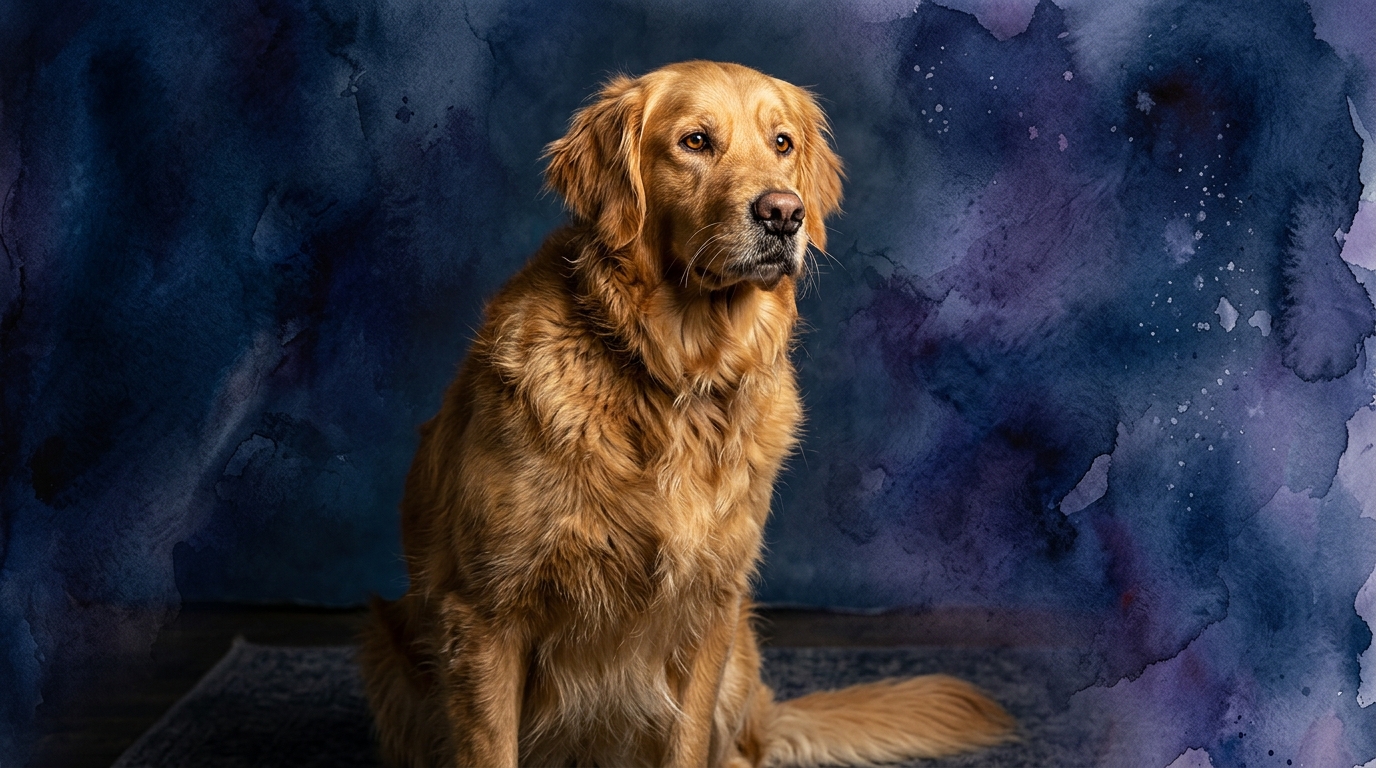
**Golden Retriever (Sporting Group, Coren Rank #4):** These beloved dogs demonstrate a remarkable blend of cognitive attributes that make them highly adaptable and responsive. Their Problem Solving is rated at 4/5, indicating a strong capacity for analyzing new situations and devising solutions, often quickly adapting learned behaviors to novel challenges. They typically approach puzzles or environmental changes with a goal-oriented mindset, leveraging memory and past successes effectively. Their Training Speed stands at an exceptional 5/5; Golden Retrievers are extraordinarily quick to grasp new commands and routines, often requiring minimal repetitions to solidify a behavior. This is enhanced by their 5/5 Social Intelligence, an outstanding ability to interpret human cues, emotions, and intentions, making them remarkably attuned companions. They excel at understanding complex social dynamics and adapting their behavior for harmonious interactions. With an Instinctive Drive of 4/5, rooted in their retrieving heritage, they possess a strong innate drive to work alongside humans, particularly in tasks involving carrying, fetching, and cooperative activities, a drive that is highly channeled and directed. Finally, their Memory is rated 4/5, demonstrating a robust recall for commands, routines, and specific experiences, allowing them to recall complex sequences and past learning with high fidelity. As the 4th ranked breed in Stanley Coren's intelligence scale, the Golden Retriever is recognized for its exceptional working and obedience intelligence.
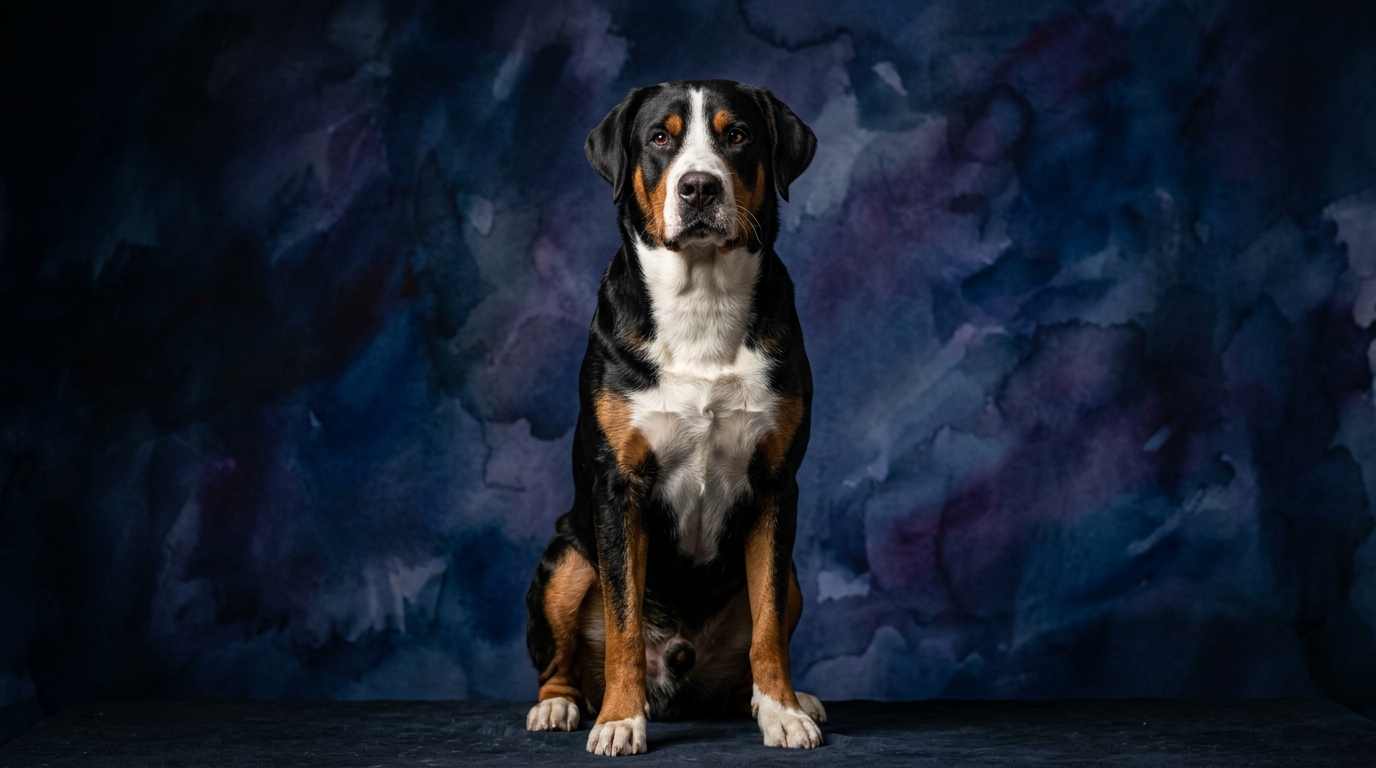
**Greater Swiss Mountain Dog (Working Group, Not Coren-Ranked):** This powerful and steady breed exhibits a different, yet equally functional, cognitive style. Their Problem Solving is rated 3/5; Greater Swiss Mountain Dogs approach challenges with a deliberate and practical mindset. While they may not devise immediate, novel solutions as quickly as some breeds, they are capable of working through problems methodically, often relying on their physical strength and persistence to achieve results. Their solutions tend to be robust and effective rather than flashy. Their Training Speed is 3/5, meaning these dogs learn at a steady pace, requiring consistent and patient repetition to ingrain commands and behaviors. Once a lesson is thoroughly understood and practiced, it tends to stick firmly, indicating a solid, if not lightning-fast, learning curve. Their Social Intelligence is also 3/5; they are observant of their human family and are loyal companions, but they may not display the same level of nuanced human cue interpretation as some highly social breeds. They form deep bonds and understand their place within the family, often exhibiting a calm, watchful demeanor. Their Instinctive Drive is 3/5, deeply rooted in their heritage as working farm dogs, encompassing guarding, drafting, and general utility. This drive manifests as a strong sense of territory and responsibility, often leading to independent decision-making in protective roles. Their Memory is 3/5, possessing a functional recall for routines, commands, and important individuals, contributing to their reliability once trained, retaining learned behaviors well over time. The Greater Swiss Mountain Dog is not specifically ranked on Stanley Coren's widely cited intelligence scale, which primarily focuses on working and obedience intelligence, reflecting its distinct working heritage.
Where Golden Retriever Wins Cognitively
The Golden Retriever's cognitive profile consistently shines in areas demanding collaboration and rapid adaptation. Their 5/5 Training Speed is a significant advantage, meaning they can acquire new skills, from basic obedience to intricate tasks like agility courses or service work, with remarkable efficiency. This isn't just about quick learning; it's about an inherent drive to understand and respond to human directives, making training a highly rewarding and accelerated process. Furthermore, their 5/5 Social Intelligence allows them to read and react to human emotional states and subtle cues with exceptional accuracy. A Golden Retriever can often anticipate a handler's next move or sense a shift in mood, fostering an incredibly intuitive bond. This acute social awareness makes them superb therapy dogs and family companions, as they seamlessly integrate into complex human social structures. Their 4/5 Problem Solving, combined with their eager-to-please nature, means they approach novel challenges not with hesitation, but with an enthusiastic, methodical exploration, often seeking human guidance or approval as part of their problem-solving strategy. They are adept at generalizing learned behaviors, applying solutions from one context to another, a hallmark of flexible thinking.
Where Greater Swiss Mountain Dog Wins Cognitively
While the Greater Swiss Mountain Dog’s scores might appear numerically lower, their cognitive strengths are profoundly suited to their historical purpose and offer distinct advantages for certain lifestyles. Their 3/5 in Problem Solving manifests as a robust, independent approach to navigating their environment. Unlike breeds that might seek immediate human intervention, a Swissy often deliberates and figures out solutions through perseverance and physical application, a valuable trait for a dog historically tasked with guarding and drafting without constant human oversight. This isn't a deficiency in intellect, but a different cognitive style—one that values steadfastness over speed. Their 3/5 Instinctive Drive, deeply rooted in their working heritage, means they possess a strong, purposeful drive for tasks like protection, territorial awareness, and family guardianship. This drive is less about performing tricks for praise and more about fulfilling a perceived duty, providing a sense of security and stability. While their 3/5 Social Intelligence might mean they are not as overtly effusive or constantly seeking interaction, it often translates to a composed self-sufficiency. They are content to observe and be near their family without demanding constant engagement, thriving on a sense of belonging and routine rather than needing to be the center of every social interaction. This makes them less prone to issues like separation anxiety if their foundational needs for exercise and companionship are met.
Which is Easier to Train and Why
Comparing the ease of training between these two breeds reveals a clear distinction, primarily driven by their differing motivations and cognitive processing speeds. The Golden Retriever, with its 5/5 Training Speed and 5/5 Social Intelligence, is often described as a dream to train. They possess an innate desire to please their human companions, making them highly responsive to positive reinforcement. Their rapid associative learning means they quickly link a command to an action and a reward, solidification new behaviors with remarkable speed. Their ability to read subtle human body language and vocal tones further enhances their trainability, allowing for nuanced communication during sessions. This translates into a dog that not only learns quickly but also retains information effectively and is eager to perform.
In contrast, the Greater Swiss Mountain Dog, with a 3/5 Training Speed and 3/5 Social Intelligence, requires a more patient, consistent, and reward-based approach. They are not unwilling learners, but they are often more independent thinkers. A Swissy might take longer to process a new command or might weigh the perceived benefit of compliance against its own inclinations. Their historical role as working dogs often involved making independent decisions on a farm, rather than immediately deferring to human commands in every instance. Therefore, training a Swissy involves convincing them that cooperation is worthwhile, often through positive reinforcement and clear, consistent boundaries. Once they understand and accept a command, their 3/5 Memory ensures it is deeply ingrained, but the initial learning phase demands more dedication from the owner. Their training is more about building a respectful partnership based on trust and clear communication, rather than leveraging an inherent eagerness to constantly perform.
Which Suits Active Owners vs Relaxed Owners
The ideal owner profile for each breed significantly aligns with their distinct cognitive makeup and energy levels. For the active owner who thrives on shared experiences and engagement, the Golden Retriever is an exceptional match. Their 4/5 Instinctive Drive, channeled into cooperative tasks like fetching, hiking, or participating in dog sports, means they relish opportunities to work and play alongside their human. Their high Training Speed and Social Intelligence make them excellent partners for activities such as obedience trials, agility, dock diving, or even search and rescue, where quick learning, responsiveness, and a deep bond are paramount. These dogs thrive on consistent mental and physical stimulation and can become bored or restless without sufficient outlets for their energy and cooperative spirit. They want to be involved in family life and shared adventures.
Conversely, the Greater Swiss Mountain Dog often suits a more 'relaxed' owner, though 'relaxed' should not be mistaken for sedentary. While Swissies are large, powerful dogs requiring regular exercise to maintain their health and muscular physique, their cognitive profile suggests a different style of companionship. Their 3/5 Social Intelligence means they are devoted to their family but may not constantly demand interactive play or attention. They are often content to be near their people, observing their surroundings with a calm, watchful presence. Their 3/5 Instinctive Drive leans more towards guarding and steady companionship rather than needing to constantly retrieve or perform complex tricks. For an owner who appreciates a robust, steadfast companion that enjoys its routines, a good walk, and then settling down to be a watchful presence, the Greater Swiss Mountain Dog offers a fulfilling partnership. They are less about performing for an audience and more about being a solid, dependable member of the household, requiring consistent, firm, but fair guidance rather than constant high-intensity engagement.
The Verdict
Choose a Golden Retriever if you seek a highly trainable, socially attuned companion eager to participate in diverse activities and thrive on close collaboration and consistent mental engagement. Their rapid learning and desire to please make them ideal for active families and those interested in dog sports or service work.
Opt for a Greater Swiss Mountain Dog if you value a steadfast, robust companion with a calm, watchful demeanor, requiring consistent guidance and a clear role within the family, but less demanding of constant interaction or complex performance. They are best for owners who appreciate an independent yet loyal presence and are prepared for patient, firm training.
🧠 Find Your Pet's IQ Score
Our Pet IQ Lab assessment covers 25+ tests across 5 cognitive dimensions — personalized to your breed.
Take the Full IQ Test →Frequently Asked Questions
Is the Golden Retriever always smarter than the Greater Swiss Mountain Dog?
The term 'smarter' is nuanced, as intelligence manifests differently. Based on our Cosmic Pet Pet IQ Lab metrics, Golden Retrievers excel in areas like training speed and social intelligence, making them quicker learners for cooperative tasks. Greater Swiss Mountain Dogs demonstrate a different, more independent type of cognitive strength suited to their working heritage.
Do Greater Swiss Mountain Dogs require less mental stimulation due to their IQ scores?
No, all dogs require mental stimulation. While a Greater Swiss Mountain Dog might not demand the same type of constant, high-intensity interactive games as a Golden, they still need engaging activities. Their problem-solving and instinctive drive scores suggest they benefit from tasks that allow for deliberation, guarding, or exploring their environment purposefully.
How does the Coren rank apply to this comparison?
Stanley Coren's ranking primarily assesses working and obedience intelligence, where the Golden Retriever's #4 position reflects its exceptional trainability and responsiveness to commands. The Greater Swiss Mountain Dog not being ranked simply means its specific cognitive strengths, like independent decision-making in guarding roles, are not directly measured by that particular scale.