Side-by-Side Cognitive Profiles: Decoding Canine Strengths
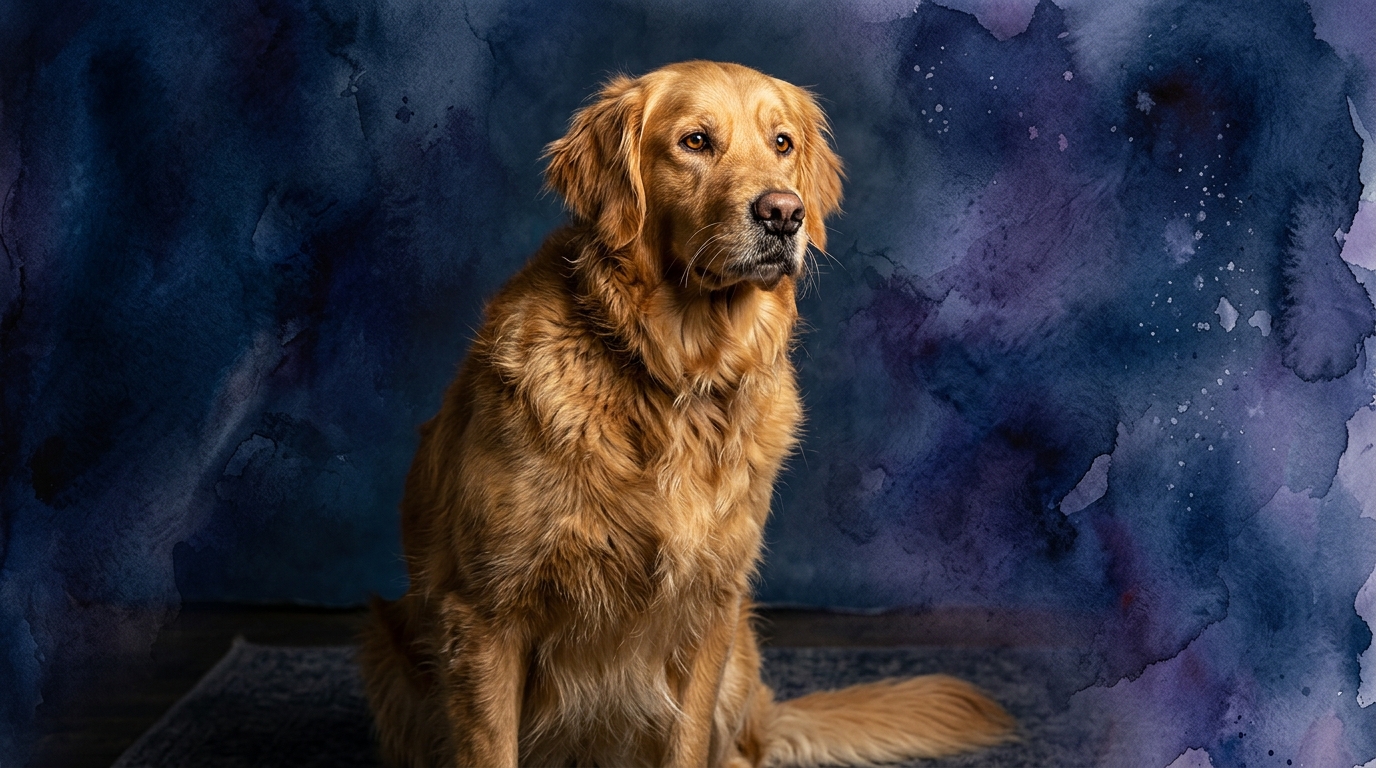
The Golden Retriever, holding a distinguished Coren rank of #4, exemplifies a breed developed for intricate partnership and responsiveness. Their Problem Solving score of 4/5 reflects an impressive capacity for adapting to varied situations, particularly those involving retrieving complex items or navigating human-centric tasks. With a Training Speed of 5/5, Goldens are remarkably quick to grasp new commands, often driven by an innate eagerness to please and collaborate. Their Social Intelligence, rated at a perfect 5/5, highlights an exceptional ability to understand human cues, exhibit empathy, and form profound bonds. An Instinctive Drive of 4/5 points to their strong desire for retrieving and working alongside people, while their Memory, also 4/5, ensures they retain commands, routines, and past experiences with considerable fidelity.
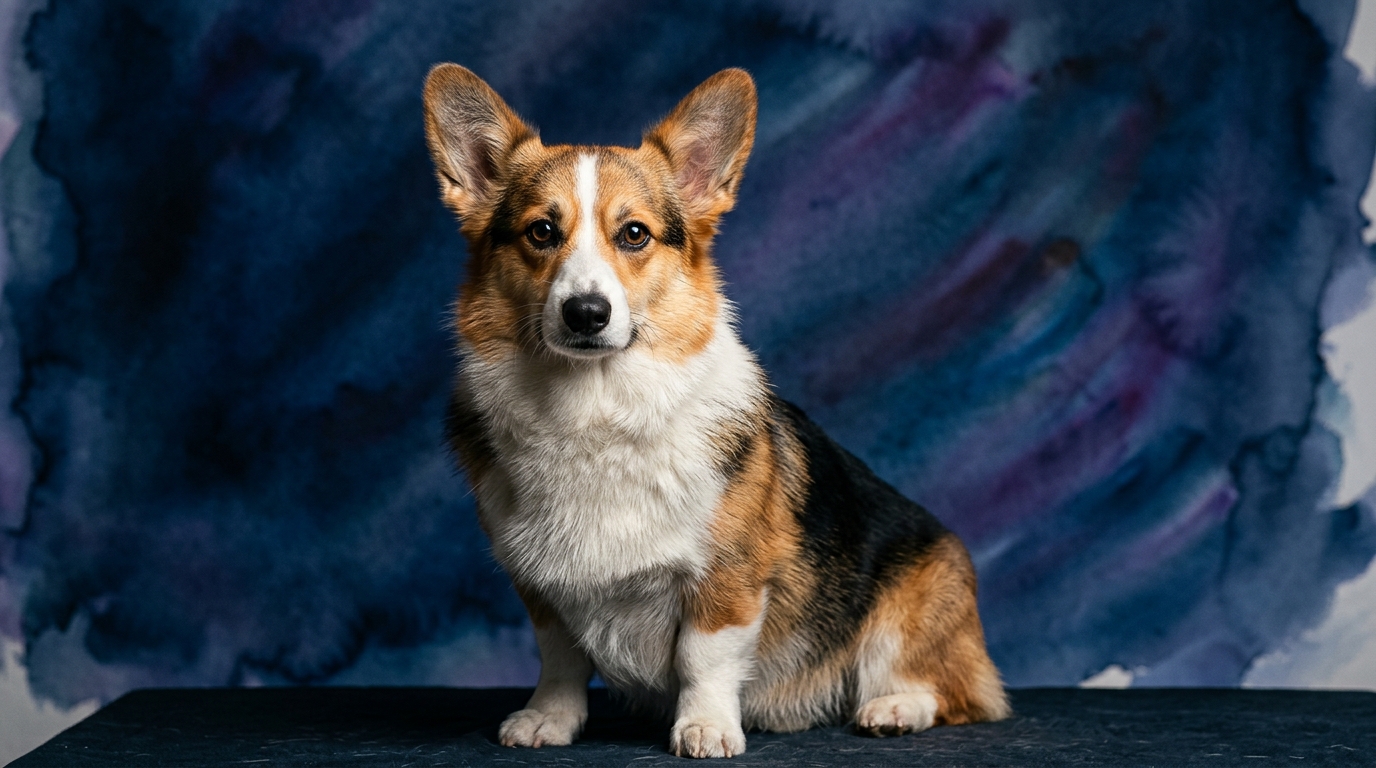
In contrast, the Pembroke Welsh Corgi, ranked #11 by Coren, showcases a different but equally impressive cognitive blueprint, honed by centuries of independent herding work. Their Problem Solving also scores 4/5, demonstrating a resourcefulness in navigating complex environments and strategically managing livestock. A Training Speed of 5/5 reveals their rapid learning ability, though this is often paired with a distinctive independence. Their Social Intelligence, at 4/5, indicates strong engagement with their family unit, though they can be more reserved or watchful with strangers, reflecting their historical role in protecting the flock. An outstanding Instinctive Drive of 5/5 underscores their intense herding impulse, a powerful motivation to organize and control movement. Finally, a Memory score of 4/5 ensures they vividly recall boundaries, routines, and interactions, contributing to their confident and sometimes opinionated nature.
Where the Golden Retriever's Cognition Shines
The Golden Retriever's true cognitive advantage lies in its unparalleled Social Intelligence, scoring a perfect 5/5 compared to the Corgi's 4/5. This dimension isn't merely about friendliness; it signifies a profound capacity to read nuanced human emotions, intentions, and body language. Goldens excel at anticipating human needs, offering comfort, and adapting their behavior to foster deep, collaborative partnerships. Their historical role as hunting companions demanded this exquisite attunement, requiring them to work in seamless synchronicity with their human handlers, often interpreting subtle signals in dynamic environments. This makes them exceptional candidates for service work, therapy roles, and any situation demanding a highly empathetic and responsive canine partner.
While both breeds share a 4/5 in Problem Solving, the nature of this problem-solving often differs. Golden Retrievers tend to excel in tasks where the solution involves cooperating with a human to achieve a shared goal. Their problem-solving often manifests in complex retrieving scenarios, where they must navigate obstacles, identify specific items, and return them reliably. This involves understanding abstract concepts related to human directives and priorities, rather than purely independent action. For instance, a Golden might solve the problem of retrieving a specific item from a cluttered room by systematically searching based on human vocal cues, demonstrating a collaborative approach to cognitive challenges.
Where the Pembroke Welsh Corgi's Cognition Excels
The Pembroke Welsh Corgi’s cognitive strength is powerfully anchored in its extraordinary Instinctive Drive, achieving a top score of 5/5, surpassing the Golden Retriever's 4/5. This isn't just a strong urge; it's a deeply ingrained behavioral program for organizing, controlling movement, and managing their environment – particularly livestock. This intense drive fuels their focus, determination, and often their independent problem-solving. A Corgi's drive manifests as a keen awareness of spatial relationships and a desire to 'herd' anything from ducks to human ankles, reflecting a robust cognitive framework for control and order within their perceived 'flock.' This innate drive translates into a powerful engine for learning and engagement when channeled appropriately, making them formidable competitors in dog sports that mimic herding tasks.
The Corgi's Problem Solving, also rated 4/5, is often characterized by its independent and strategic nature. Unlike the Golden's collaborative problem-solving, a Corgi frequently approaches challenges with a 'how can I achieve this goal?' mindset, a legacy of their historical need to make quick, autonomous decisions in the field without direct human command. This might involve finding the most efficient path to gather wayward sheep, or cleverly manipulating objects to achieve a desired outcome. Their low stature and agility are not just physical traits but cognitive assets, allowing them to navigate complex terrain and outmaneuver livestock, demanding a high level of spatial reasoning and quick thinking. This blend of drive and independent problem-solving makes them incredibly resourceful and often quite clever in devising their own solutions to environmental puzzles.
Training Dynamics: Eagerness vs. Independent Spirit
Both the Golden Retriever and the Pembroke Welsh Corgi boast an impressive Training Speed of 5/5, indicating their rapid ability to learn new commands and behaviors. However, the motivation and approach to training differ significantly, impacting the overall ease. Golden Retrievers are often considered exceptionally easy to train due to their high Social Intelligence and profound desire to please their human companions. Their eager-to-please nature means they are highly motivated by praise, affection, and the opportunity to engage in shared activities. They thrive on positive reinforcement and will often try hard to understand and comply, making training a joyful, collaborative experience. Their willingness to follow direction and adapt to various situations streamlines the learning process, allowing them to quickly master complex sequences and respond reliably.
The Pembroke Welsh Corgi, while equally fast learners, presents a different dynamic. Their strong Instinctive Drive and historical role requiring independent decision-making mean they can be more opinionated and less inherently compliant than Goldens. A Corgi might learn a command instantly but then decide whether executing it aligns with their current 'agenda.' This isn't stubbornness in a malicious sense, but rather a reflection of their self-reliant heritage. Training a Corgi requires consistency, clear communication, and a deep understanding of how to channel their intense drive. Owners must demonstrate leadership and provide engaging mental stimulation to keep a Corgi invested. While they pick up tasks quickly, reinforcing reliable execution often involves more creative and persistent motivation, tapping into their desire for control or their love for a good challenge.
Matching Breeds to Lifestyles: Active Engagement vs. Focused Direction
For truly active owners, both breeds offer rewarding companionship, though their energy profiles differ. The Golden Retriever is a natural athlete, thriving on regular physical exercise like running, swimming, and long hikes. Beyond physical activity, they require substantial mental engagement through training, puzzle toys, and social interaction. Their desire to be involved in family activities means they excel in homes where they are integrated into daily routines and given a 'job,' whether it's fetching the mail or participating in dog sports like agility or obedience. They are generally adaptable and happy to join in whatever their human companions are doing, making them excellent partners for a wide range of active pursuits, provided their social needs are also met.
The Pembroke Welsh Corgi also demands an active lifestyle, but their needs are often more about focused mental engagement and channeling their intense drive. While they benefit from daily walks, it's the structured activities that truly fulfill them. Without appropriate outlets for their high Instinctive Drive, Corgis can become bored, vocal, or engage in undesirable behaviors like nipping at heels or excessive barking. Activities like agility, herding trials, advanced obedience, or even scent work are ideal for challenging their clever minds and satisfying their drive to work. Owners who enjoy teaching complex tricks or engaging in structured dog sports will find a Corgi a highly capable and enthusiastic partner. For truly relaxed owners seeking a low-maintenance companion, neither breed is an ideal fit, but the Corgi's specific needs for mental engagement make them less suitable for a purely sedentary lifestyle.
The Verdict
Choose the Golden Retriever if you seek an emotionally intelligent, highly cooperative companion who thrives on deep bonds and shared activities, excelling in roles requiring empathy and seamless collaboration.
Opt for the Pembroke Welsh Corgi if you appreciate a bold, independent thinker with a strong personality and are prepared to channel their intense herding drive into engaging, structured mental and physical outlets.
🧠 Find Your Pet's IQ Score
Our Pet IQ Lab assessment covers 25+ tests across 5 cognitive dimensions — personalized to your breed.
Take the Full IQ Test →Frequently Asked Questions
Is a Corgi harder to train than a Golden Retriever?
Both learn quickly (Training Speed 5/5). However, Corgis can be more independently minded due to their strong herding drive, requiring consistent, engaging training to ensure compliance. Goldens, with their high social intelligence, are often more inherently eager to please and cooperative.
Which breed is better with children?
Golden Retrievers are renowned for their gentle, patient, and tolerant nature, making them excellent family dogs with children. Corgis can be good with children but their herding instinct might lead them to nip at heels, requiring careful supervision and training to manage this behavior.
Do Golden Retrievers and Corgis require similar amounts of exercise?
Both require regular exercise, but their needs differ in quality. Goldens need sustained physical activity and social engagement. Corgis need physical activity combined with significant mental stimulation and outlets for their herding drive to prevent boredom and behavioral issues.