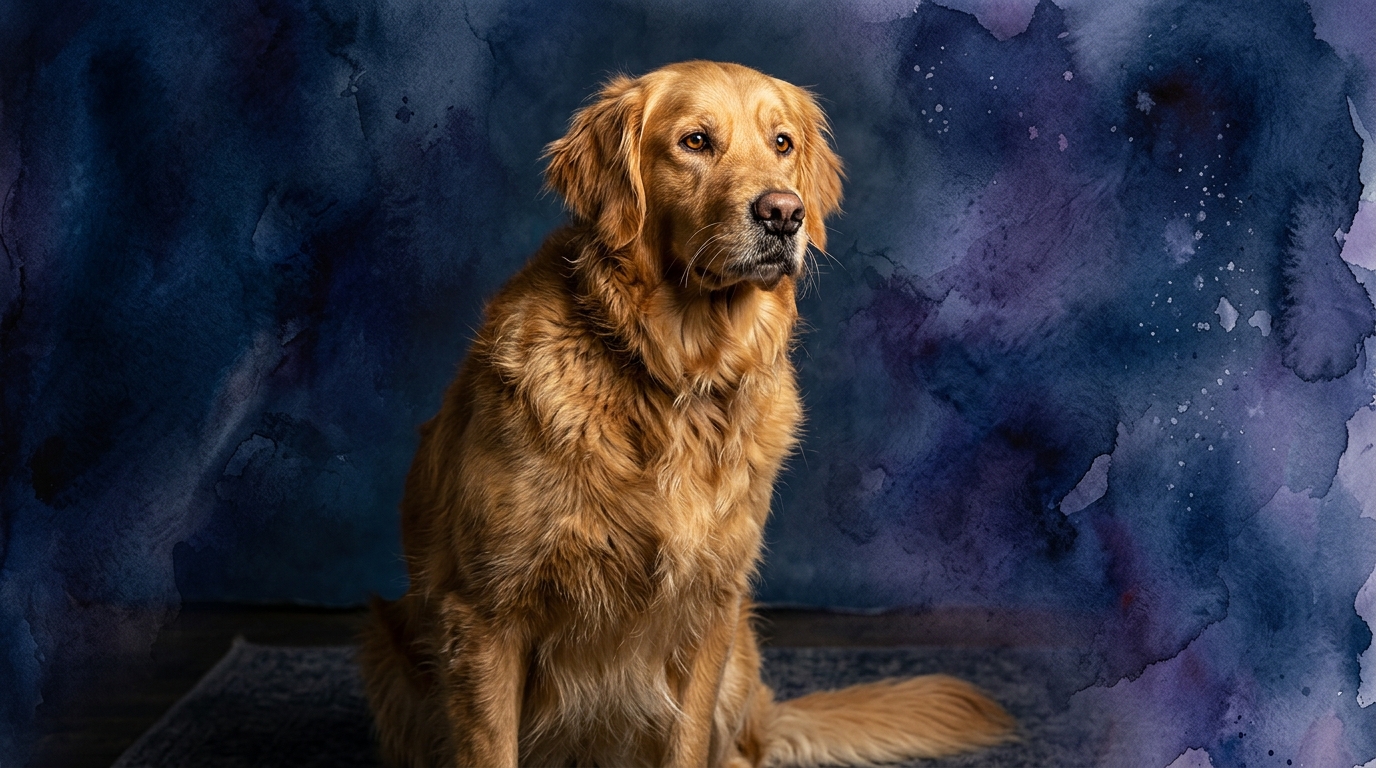

Side-by-Side IQ Profile: Golden Retriever vs. Plott Hound
The Golden Retriever consistently demonstrates a robust cognitive profile, reflecting its cooperative nature. Their Problem Solving is rated 4/5, indicating an aptitude for understanding complex tasks and adapting strategies, often driven by a desire to work alongside humans. Training Speed, at a remarkable 5/5, reflects their exceptional eagerness to learn and retain commands, making them highly receptive to instruction. Social Intelligence also scores 5/5, showcasing their profound ability to interpret human body language, vocal tones, and emotional states, fostering deep bonds and responsive behavior. Their Instinctive Drive, 4/5, is geared towards retrieving and working collaboratively, a strong innate pull to perform tasks like carrying objects or following scent trails with a handler. Memory, rated 4/5, supports their quick learning and retention of routines and learned behaviors over time.
In contrast, the Plott Hound presents a cognitive blueprint tailored for independent, persistent tracking. Their Problem Solving ability is rated 3/5, which often manifests as a tenacious, trial-and-error approach to overcoming obstacles in pursuit of a scent, rather than analytical deduction. Training Speed, at 3/5, suggests they require more consistent and patient repetition to ingrain commands, as their primary focus is often on environmental stimuli rather than human instruction. Social Intelligence, also 3/5, points to a more independent disposition; while capable of bonding, they may not be as attuned to subtle human cues as their Golden counterpart, often prioritizing their own sensory explorations. Their Instinctive Drive, 3/5, is profoundly rooted in scent-tracking and pursuit, a powerful, almost singular focus that can override other considerations. Memory, rated 3/5, supports their ability to recall complex scent trails and hunting patterns, though perhaps less so human-centric commands learned in a structured environment.
Where the Golden Retriever Wins Cognitively
The Golden Retriever's cognitive strengths shine particularly in areas demanding adaptability, cooperation, and nuanced social understanding. Their 5/5 Training Speed means they grasp new commands rapidly, often requiring fewer repetitions than many breeds to achieve proficiency in obedience, agility, or service work. This quick learning is bolstered by their 5/5 Social Intelligence, allowing them to effortlessly read human intentions and respond to subtle cues, making them exceptional partners in complex tasks like guide work or therapy. Their 4/5 Problem Solving manifests in their ability to navigate novel situations with thoughtful consideration, such as figuring out how to open a gate or retrieve a specific item, often seeking human input or assistance. This blend of rapid learning, empathetic social understanding, and adaptable problem-solving positions the Golden Retriever as a highly versatile and responsive companion, excelling in environments that value cooperative engagement and clear communication.
Where the Plott Hound Wins Cognitively
While the Plott Hound’s cognitive profile differs significantly, it reveals specialized strengths honed for their ancestral role. Their 3/5 Instinctive Drive, though numerically lower in a general ranking, represents a singular, unwavering focus on scent work and tracking that few breeds can match. This isn't merely instinct; it's a sophisticated form of problem-solving where they meticulously follow complex scent trails, filtering out distractions and demonstrating immense perseverance over challenging terrain and long distances. This tenacious pursuit is a unique cognitive strength, demanding sustained attention, an exceptional olfactory memory for specific scents, and an ability to navigate intricate pathways to a goal. Their independence, reflected in a 3/5 Social Intelligence score, allows them to operate effectively without constant human direction during a hunt, making autonomous decisions based on the trail. Their memory, also 3/5, is particularly adept at recalling intricate scent patterns and geographical layouts encountered during their specialized work, a form of spatial and olfactory recall that is paramount to their purpose.
Training Ease: Golden Retriever vs. Plott Hound
Comparing training ease, the Golden Retriever unequivocally presents a more straightforward experience for most owners. Their 5/5 Training Speed is a direct result of their inherent desire to please and their high social intelligence, enabling them to quickly form associations between commands and actions, often thriving on positive reinforcement and praise. They are motivated by human interaction and often eager to comply, making basic obedience and advanced tasks relatively simple to teach. Conversely, the Plott Hound’s 3/5 Training Speed means training requires significant patience, consistency, and a deep understanding of their hound motivations. Their powerful 3/5 Instinctive Drive for scent work often means they are more compelled by an interesting smell than a human command, making recall particularly challenging in distracting environments. While capable of learning, their independence and self-directed nature mean they may choose to follow their nose over your instruction, necessitating a different training approach that often involves channeling their drives into structured activities rather than attempting to suppress them entirely.
Matching Breeds to Owner Lifestyles
The choice between these breeds often boils down to an owner's lifestyle and expectations for canine companionship. The Golden Retriever, with its balanced cognitive profile and high social intelligence, thrives with active owners who enjoy interactive play, cooperative training, and integrating their dog into daily family life. They excel in activities like fetch, swimming, agility, and obedience, requiring mental stimulation that involves human partnership. Their adaptability makes them suitable for varied active pursuits, from long walks to park visits, and they generally settle well indoors when their needs are met. For more relaxed owners, a Golden Retriever can adapt, but their cooperative drive and moderate energy still necessitate consistent engagement to prevent boredom.
The Plott Hound, however, is best suited for highly active owners who appreciate their robust, independent nature and can provide outlets for their strong instinctive drives. They are excellent companions for long hikes, scent work, or hunting, needing substantial physical exercise and mental engagement that often involves tracking or exploring. Their endurance and independence mean they can cover significant ground. They are generally not ideal for relaxed owners who prefer a sedentary lifestyle, as their unfulfilled natural drives can lead to restlessness or destructive behaviors.
The Verdict
Select a Golden Retriever if you seek a highly cooperative, adaptable, and socially attuned companion eager to participate in family activities and structured training.
Opt for a Plott Hound if you're an active individual who values an independent, tenacious partner for outdoor adventures and can provide dedicated outlets for their exceptional scent-tracking instincts.
🧠 Find Your Pet's IQ Score
Our Pet IQ Lab assessment covers 25+ tests across 5 cognitive dimensions — personalized to your breed.
Take the Full IQ Test →Frequently Asked Questions
Are Plott Hounds difficult to train?
Plott Hounds are not 'difficult' but require a specific training approach due to their independent nature and powerful scent drive. Consistency, patience, and understanding their motivations, often leveraging their love for scent work, are key to successful training.
How do Golden Retrievers compare in terms of problem-solving with other breeds?
Golden Retrievers rank highly in problem-solving, often demonstrating analytical thought and adaptability to new situations. Their cognitive flexibility and desire to work with humans make them adept at tasks requiring understanding and strategic action.
Can a Plott Hound be a good family pet despite its independence?
Yes, a Plott Hound can be a loyal and affectionate family pet, especially with owners who understand their need for physical activity and mental stimulation. Early socialization and consistent training are important to integrate their independent spirit into a family environment.