Side-by-Side IQ Profile: Unpacking Cognitive Dimensions
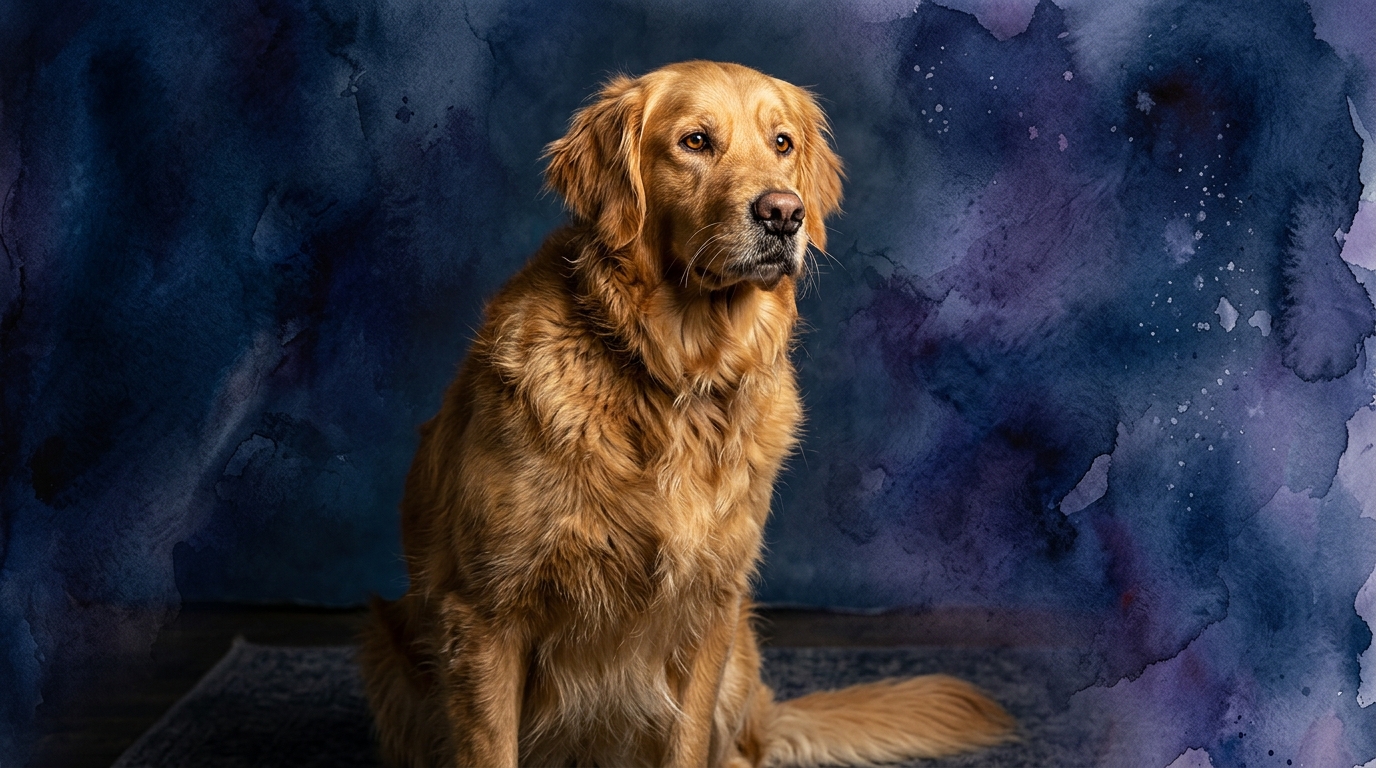
**Golden Retriever:** As a Sporting group member and Coren-ranked #4, the Golden Retriever consistently demonstrates a remarkable aptitude for learning and interaction. Their Problem Solving is rated 4/5, indicating a strong capacity to independently navigate complex situations and adapt strategies to novel challenges. Training Speed, a perfect 5/5, reflects their exceptional eagerness to please and rapid acquisition of new behaviors, often needing few repetitions. Social Intelligence, also 5/5, highlights their profound capacity for reading human cues, empathizing, and forming strong, cooperative bonds, making them highly responsive to social learning. Instinctive Drive, rated 4/5, speaks to their inherent desire for retrieving, swimming, and working alongside humans, channeling these drives productively. Their Memory, a solid 4/5, allows them to retain a vast repertoire of commands and recall past experiences, contributing to reliable performance.
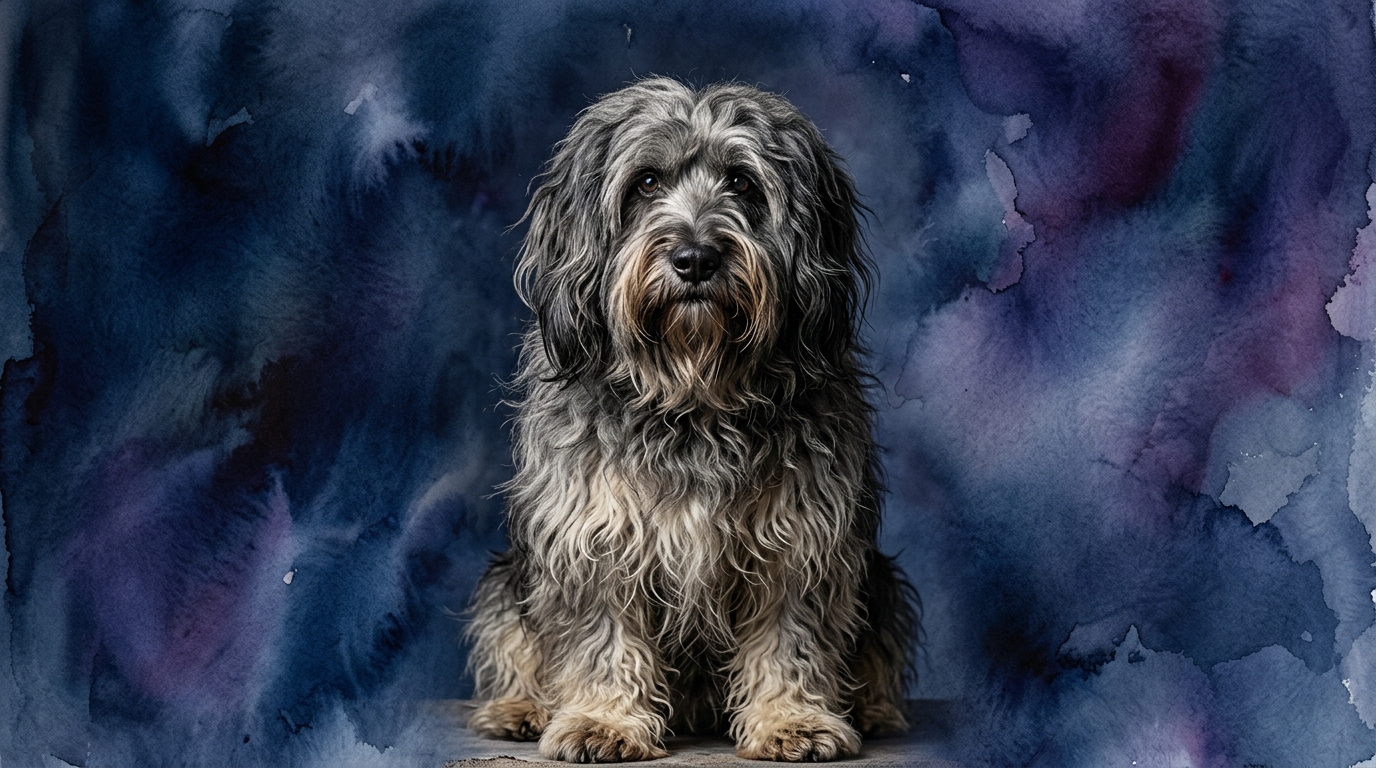
**Polish Lowland Sheepdog (PON):** Hailing from the Herding group, the Polish Lowland Sheepdog, or PON, possesses a different, yet equally functional, set of cognitive strengths, though not included in Coren's ranking. Their Problem Solving is rated 3/5, suggesting a practical intelligence focused on their original purpose, capable of finding solutions within their environment but less inclined towards abstract human-centric puzzles. Training Speed, at 3/5, means they learn at a moderate pace, often requiring more patience and consistent reinforcement, reflecting a more independent disposition. Social Intelligence, also 3/5, indicates they are discerning in their interactions, forming strong bonds with immediate family but often reserved with strangers, valuing trust over immediate connection. Instinctive Drive, at 3/5, points to their innate herding tendencies, a drive needing appropriate outlets and direction rather than generalized eagerness. Their Memory, rated 3/5, is sufficient for herding tasks and daily routines, remembering commands and routines effectively.
Where the Golden Retriever Excels Cognitively
The Golden Retriever's cognitive profile highlights a dog built for cooperative partnership and versatile learning. Their 4/5 Problem Solving capacity, combined with 5/5 Training Speed, means they are not just quick learners but also adept at applying learned principles to new situations, such as figuring out a gate mechanism or adjusting a retrieve based on environmental factors. Their 5/5 Social Intelligence is a standout, allowing them to excel in roles requiring nuanced understanding of human emotion and intent, like therapy or assistance work. This deep social awareness means they are often highly attuned to their owner's mood and can adjust behavior accordingly. Furthermore, their 4/5 Instinctive Drive for retrieving is easily channeled into structured activities like obedience trials, field work, or complex scent detection, where their 4/5 memory aids efficient tracking. They thrive on collaborative mental challenges, demonstrating a profound capacity for reciprocal learning and shared focus.
Where the Polish Lowland Sheepdog Shines Cognitively
While the Polish Lowland Sheepdog's cognitive scores might appear moderate, their strengths are deeply rooted in their herding heritage, emphasizing independence, vigilance, and practical problem-solving within their domain. Their 3/5 Problem Solving isn't about solving human-designed puzzles for praise, but rather making autonomous decisions in dynamic environments, like strategically moving a flock or identifying threats. This breed's cognitive prowess lies in observing, assessing, and acting with self-reliance, crucial for a herding dog. Their 3/5 Social Intelligence, though lower than a Golden's, implies a selective and discerning approach to social bonds; they form incredibly loyal relationships with their chosen family, often exhibiting protective intuition. Their 3/5 Instinctive Drive translates to a persistent work ethic when engaged in tasks aligned with their herding nature, demonstrating tenacity and focus that can be redirected into agility or rally. Their 3/5 memory is robust enough to recall complex patterns or patrol routes, ensuring consistency. The PON's cognitive strengths are less about overt people-pleasing and more about robust, independent reasoning.
Ease of Training: A Tale of Two Temperaments
When considering ease of training, the Golden Retriever generally presents a more straightforward path. Their 5/5 Training Speed is a significant advantage; they grasp new commands rapidly, eager to repeat behaviors that earn them praise. This high aptitude is bolstered by their 5/5 Social Intelligence, making them highly responsive to human direction and keen to cooperate. A Golden Retriever typically finds immense satisfaction in pleasing their owner, translating into strong motivation during sessions. In contrast, the Polish Lowland Sheepdog, with a Training Speed of 3/5 and Social Intelligence of 3/5, requires a different approach. PONs are capable learners but often approach training with more independence and less inherent desire to simply "please." They may question commands, requiring a trainer to be consistent, fair, and engaging, often needing more repetitions and varied reinforcement. Their herding background means they can be self-directed, which, while beneficial in their original role, can manifest as stubbornness if not managed with clear, positive reinforcement. Effective PON training often involves tapping into their problem-solving and instinctive drives, making tasks feel like a collaborative challenge.
Active Owners vs. Relaxed Owners: Matching Cognitive Needs
The choice between these breeds often hinges on an owner's lifestyle. The Golden Retriever, with its 4/5 Instinctive Drive and 5/5 Social Intelligence, thrives as an active participant in family life and consistent, varied activities. They are excellent companions for owners who enjoy long walks, runs, swimming, or structured dog sports. Their cognitive needs are met through regular training, interactive games, and social engagement, requiring owners prepared to invest time in mental stimulation and cooperative tasks. A relaxed owner might find a Golden Retriever's need for engagement overwhelming, potentially leading to boredom-induced behaviors. The Polish Lowland Sheepdog, while also needing exercise, fits a different niche. Their 3/5 Instinctive Drive, particularly for herding, benefits from activities challenging independent thinking and natural urges. They suit owners who appreciate a dog with a more independent streak and are willing to provide structured exercise and mental enrichment without needing constant overt affection. A PON is often content to observe and guard, rather than constantly seek interaction. A relaxed owner might find their independent nature appealing, but must still be prepared for their need for purposeful activity to prevent boredom.
The Verdict
Choose the Golden Retriever if you seek a highly cooperative, eager-to-please companion who excels in diverse training, thrives on social interaction, and integrates seamlessly into an active family lifestyle. Their profound social intelligence and rapid learning make them ideal for roles requiring close partnership and adaptability.
Opt for the Polish Lowland Sheepdog if you appreciate a discerning, independent, and resilient companion with a strong sense of purpose, capable of autonomous problem-solving. They are best suited for owners who understand their herding heritage and can provide consistent, engaging activities that channel their unique drives.
🧠 Find Your Pet's IQ Score
Our Pet IQ Lab assessment covers 25+ tests across 5 cognitive dimensions — personalized to your breed.
Take the Full IQ Test →Frequently Asked Questions
Do Golden Retrievers need a lot of mental stimulation?
Yes, Golden Retrievers possess a high capacity for problem-solving and a strong desire to engage, making consistent mental stimulation crucial. Activities like training, puzzle toys, and interactive games help satisfy their cognitive needs and prevent boredom-related behaviors.
Are Polish Lowland Sheepdogs good for first-time dog owners?
Polish Lowland Sheepdogs can be a rewarding choice, but their independent nature and herding instincts mean they often benefit from an owner experienced in positive reinforcement and consistent training. First-time owners should be prepared to invest significant time in understanding and channeling their unique drives.
How do the social needs of these two breeds differ?
Golden Retrievers have a very high social intelligence and thrive on constant interaction and companionship, often seeking to be involved in all family activities. Polish Lowland Sheepdogs are more discerning; they form deep bonds with their family but can be reserved with strangers and are often content with less constant overt interaction, valuing their space more.