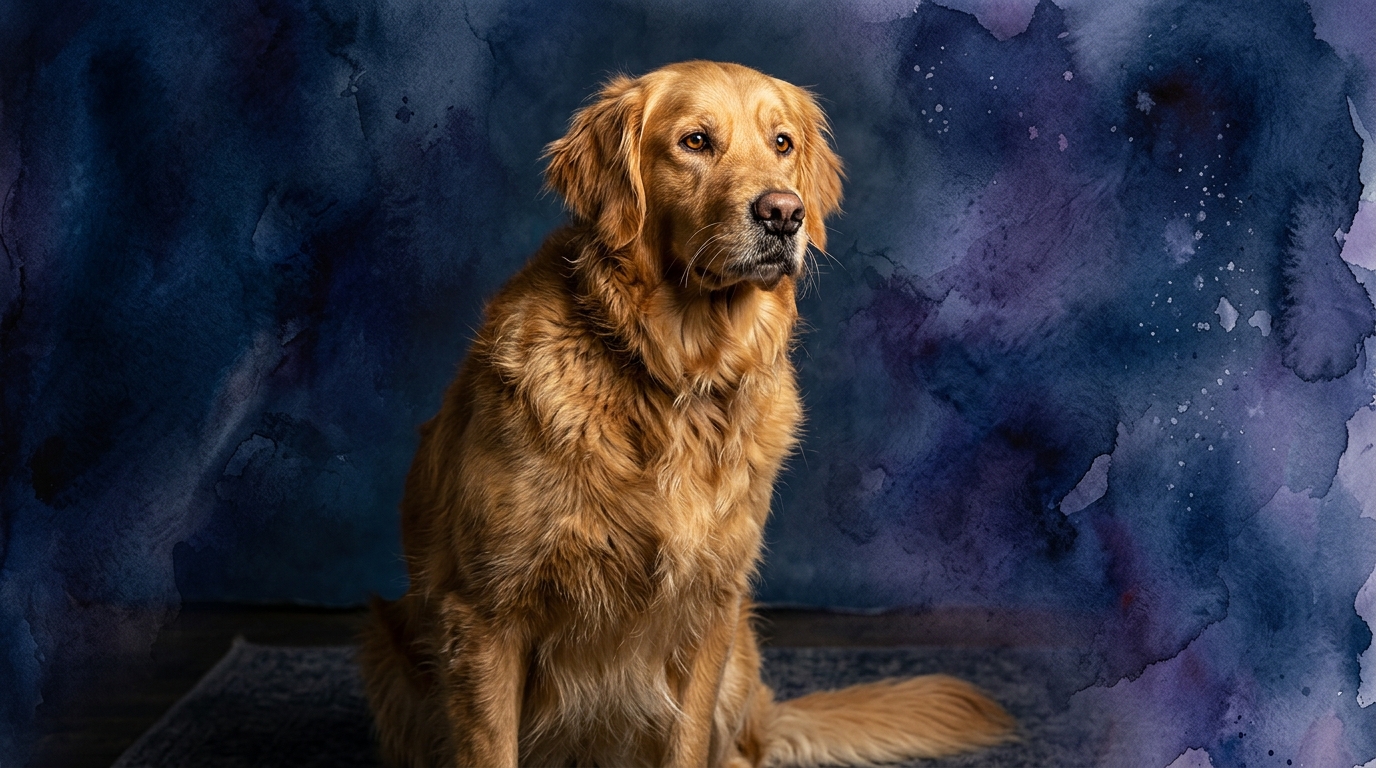
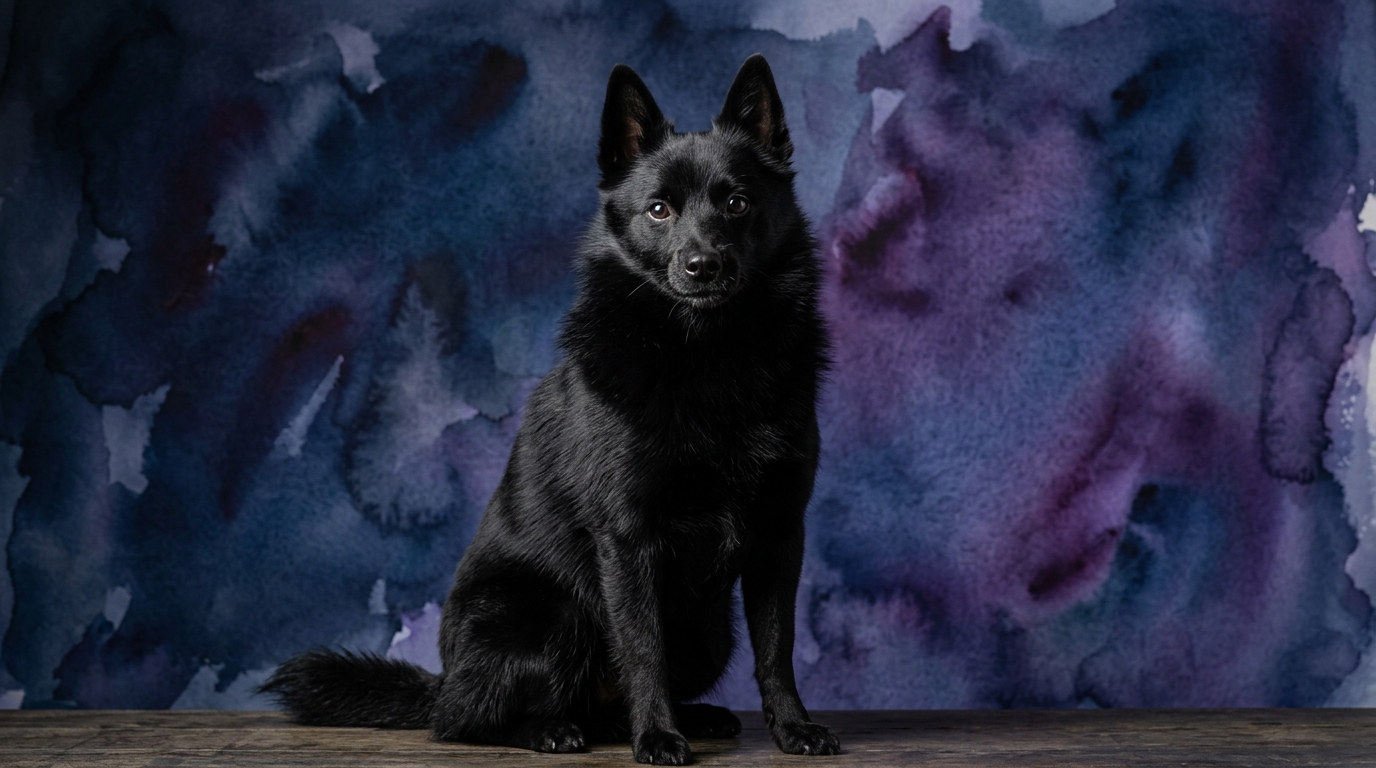
Side-by-Side IQ Profile: Golden Retriever vs. Schipperke
At The Cosmic Pet Pet IQ Lab, we evaluate canine intelligence across five key dimensions, offering a nuanced perspective beyond simple rankings. The Golden Retriever, a Sporting breed, holds a Coren rank of #4, while the Non-Sporting Schipperke is ranked #15, suggesting distinct cognitive strengths.
**Golden Retriever (Sporting Group, Coren Rank #4)**: This breed showcases a balanced and cooperative intellect. Their **Problem Solving (4/5)** reflects an excellent capacity for practical tasks, often seen in their ability to figure out how to retrieve specific items or navigate complex environments to find a dropped toy. They excel at applying previously learned solutions to new, similar challenges, demonstrating adaptive reasoning within structured contexts. Their **Training Speed (5/5)** is exceptionally quick; their inherent eagerness to please, coupled with a strong focus on human direction, makes them highly receptive to instruction, often mastering new behaviors in just a few repetitions. **Social Intelligence (5/5)** is a profound strength; they exhibit an outstanding ability to read and respond to human emotional states, subtle body language, and social cues, thriving on cooperative interaction. Their **Instinctive Drive (4/5)** for retrieving, water work, and close companionship fuels their work ethic in activities like hunting or service roles. Finally, their **Memory (4/5)** is solid, enabling good recall of commands, learned sequences, and specific locations over extended periods.
**Schipperke (Non-Sporting Group, Coren Rank #15)**: The 'little captain' presents a sharp, independent, and often cunning intellect. Their **Problem Solving (5/5)** is superior, indicating a breed capable of ingenious, often self-initiated solutions to environmental challenges. They frequently devise novel ways to achieve their goals, such as figuring out how to open a cupboard latch or outmaneuver a secure gate, showcasing a deep understanding of their surroundings. Their **Training Speed (5/5)** is also very quick; they learn new concepts and commands rapidly, exhibiting a sharp mind and fast assimilation of information. However, the application of their learning can sometimes be influenced by their independent streak. **Social Intelligence (3/5)** is moderate; they often prefer independence over constant human-centric interaction, forming deep bonds with their chosen few but potentially appearing less overtly social with strangers. Their **Instinctive Drive (3/5)** is primarily focused on guarding, vigilance, and territorial protection, making them excellent watchdogs. Most notably, their **Memory (5/5)** is exceptional, retaining intricate sequences, past events, and specific details with remarkable accuracy, which significantly contributes to their cleverness and ability to learn from experience.
Where the Golden Retriever Wins Cognitively
The Golden Retriever's cognitive strengths shine brightest in areas requiring cooperative engagement and nuanced social understanding. Their exceptional social intelligence (5/5) means they are masters at interpreting human body language, tone of voice, and intentions, making them extraordinarily attuned companions. This profound ability to read and respond to people allows them to excel in roles like service work, therapy, and family integration, where anticipating human needs and forming deep, intuitive bonds are paramount. Furthermore, their superior training speed (5/5) is amplified by their natural inclination towards cooperative tasks. They grasp and execute complex multi-step commands with remarkable efficiency, often applying these learned behaviors reliably across various situations and even generalizing them to new environments. While their problem-solving is excellent (4/5), it is often channeled through a deep desire to work *with* their human, making them highly effective and willing partners in structured activities and shared endeavors.
Where the Schipperke Wins Cognitively
The Schipperke’s cognitive profile reveals a different kind of brilliance, particularly in independent thought and memory. Their problem-solving capacity ranks at a perfect 5/5, indicating a breed capable of ingenious, often self-initiated solutions to challenges. This isn't just about following instructions; it's about figuring out how to open a cupboard latch, outmaneuver a secure gate, or manipulate a situation to their advantage, often demonstrating a keen understanding of cause and effect in their environment. This high problem-solving score is significantly bolstered by their exceptional memory (5/5), allowing them to recall past attempts, successes, and failures, and to adapt their strategies over time with impressive accuracy. This combination makes them formidable thinkers, often appearing one step ahead, and ensures they retain complex sequences or detailed information with striking fidelity, even if it's not always in service of human-directed tasks. Their quick training speed (5/5) means they learn rapidly, but their application is often filtered through their independent judgment and personal agenda.
Which Is Easier to Train and Why
When evaluating ease of training, the Golden Retriever generally presents a smoother path for most owners. Their outstanding social intelligence and strong instinctive drive for cooperation mean they are inherently motivated to engage with and please their human companions. They possess a natural eagerness to learn and work alongside people, which translates into a high receptiveness to commands and a consistent desire to perform. Their training speed of 5/5 is amplified by this cooperative spirit, making them highly responsive to positive reinforcement and clear guidance. They thrive on structured learning environments and consistency.
In contrast, while the Schipperke also boasts a 5/5 training speed, their lower social intelligence (3/5) and stronger independent problem-solving streak mean they might question the 'why' behind a command or decide if a task aligns with their own perceived interests. They learn quickly, but their application of that learning can be more selective; they might choose to comply only when they see the benefit or if the trainer maintains consistent, engaging methods. This independent nature can make training a Schipperke more of a partnership with a clever, sometimes stubborn, individual, requiring more patience, creativity, and a firm but fair approach from the trainer to maintain engagement and set clear boundaries.
Which Suits Active Owners vs. Relaxed Owners
Considering activity levels and lifestyle, both breeds require mental stimulation, but their physical and social needs diverge. The Golden Retriever, with its strong instinctive drive for retrieving and companionship (4/5), thrives with active owners who enjoy engaging in cooperative sports like agility, obedience, or field work, as well as frequent family outings. They flourish when their considerable physical energy and high social needs are met through shared activities, making them ideal for individuals or families seeking an enthusiastic, devoted partner for outdoor adventures and consistent interaction. A relaxed owner might find it challenging to adequately channel a Golden's energy and social requirements, potentially leading to boredom or unfulfilled drives.
The Schipperke, while smaller, is also surprisingly energetic and requires regular exercise to prevent boredom. However, their activity is often more about patrolling and observing their environment; they enjoy being active and engaged but might be content with a brisk walk and then monitoring their home from a strategic vantage point. Their independent problem-solving means they need mental puzzles and consistent interaction, but perhaps less constant, direct cooperative activity than a Golden. They suit active owners who appreciate a clever, vigilant companion, but can also adapt to a slightly more relaxed home if provided with ample mental engagement and opportunities for independent exploration within safe, secure boundaries.
The Verdict
Choose a Golden Retriever if you seek a highly cooperative, socially attuned companion eager to participate in shared activities and excel in service-oriented roles, thriving on deep human connection.
Choose a Schipperke if you appreciate a clever, independent thinker with exceptional memory, capable of ingenious problem-solving, and willing to engage in a partnership built on mutual respect and consistent mental challenge.
🧠 Find Your Pet's IQ Score
Our Pet IQ Lab assessment covers 25+ tests across 5 cognitive dimensions — personalized to your breed.
Take the Full IQ Test →Frequently Asked Questions
Is a Golden Retriever or Schipperke better for first-time dog owners?
A Golden Retriever is generally more forgiving for first-time owners due to their high social intelligence and eagerness to please, which simplifies training and integration into a family. Schipperkes, while quick learners, require a more experienced hand to manage their independent nature and ensure consistent boundaries, making them better suited for those prepared for a clever, sometimes willful companion.
Do Schipperkes need less exercise than Golden Retrievers because they are smaller?
While physically smaller, Schipperkes are energetic and require regular physical activity and significant mental stimulation to prevent boredom and destructive behaviors. Golden Retrievers, being larger and bred for active work, typically require more sustained and vigorous exercise sessions daily, often involving retrieving or water activities.
Can a Schipperke be a good therapy dog despite its lower social intelligence score?
While their social intelligence score is lower than a Golden Retriever's, individual Schipperkes with specific temperaments can certainly be effective therapy dogs, particularly in roles where their vigilant, observant nature and strong memory can be an asset. However, a Golden Retriever's inherent social attunement and cooperative spirit often give them a broader advantage in diverse therapy settings.