Side-by-Side Cognitive Profiles: Golden Retriever vs. Siberian Husky
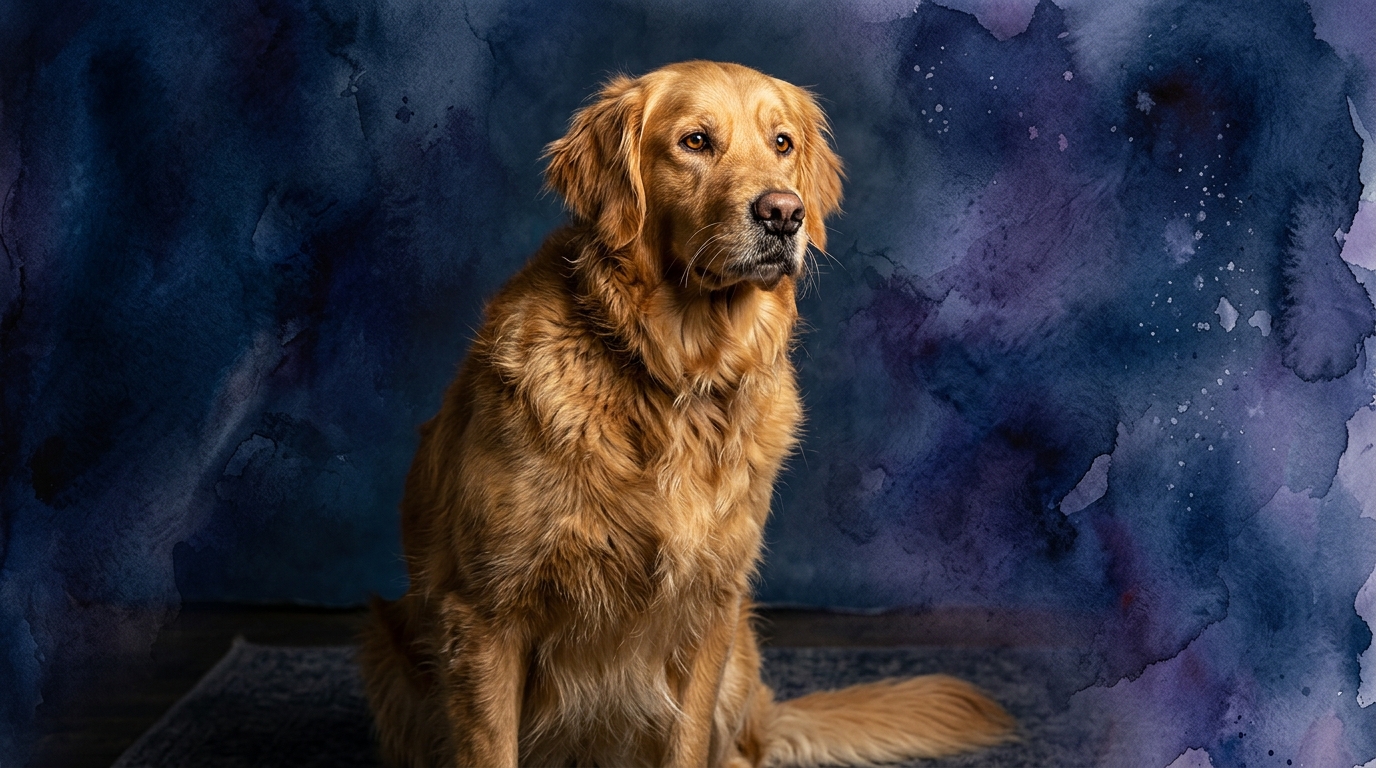
The Cosmic Pet Pet IQ Lab provides a unique lens through which to examine the cognitive makeup of our canine companions. For the Golden Retriever, a Sporting group member with a Coren rank of #4, its profile paints a picture of a highly adaptable and collaborative learner. Its Problem Solving is rated 4/5, indicating a strong capacity to figure out complex situations and adapt strategies. Training Speed stands at an impressive 5/5, suggesting a rapid assimilation of new commands and routines. Social Intelligence is also top-tier at 5/5, reflecting a deep understanding of human cues and social dynamics. Instinctive Drive is 4/5, showing a robust inherent motivation for tasks, while Memory is strong at 4/5, supporting consistent recall and learned behaviors.
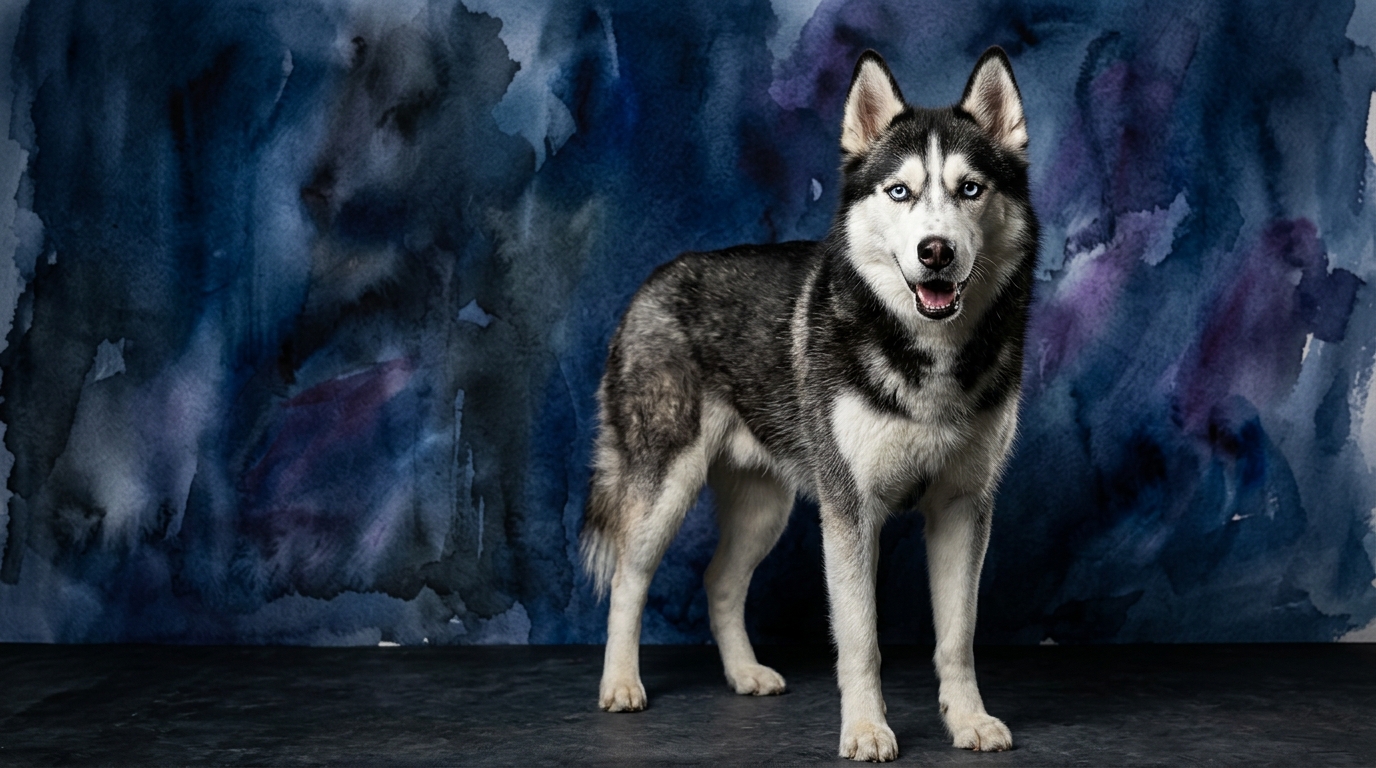
In contrast, the Siberian Husky, a Working group breed with a Coren rank of #45, presents a profile geared towards endurance and self-reliance. Its Problem Solving mirrors the Golden Retriever at 4/5, showcasing an equivalent ability to navigate challenges independently. However, its Training Speed is a more moderate 2/5, indicating a less immediate willingness to comply with instruction and a slower pace of learning specific commands. Social Intelligence is 3/5, suggesting a more independent nature and less inherent drive to attune to human emotional states or directives. Its Instinctive Drive is an outstanding 5/5, underscoring a powerful innate urge for activity and purpose, particularly related to movement and exploration. Memory is also solid at 4/5, allowing them to retain learned information and spatial awareness effectively.
Where the Golden Retriever Excels Cognitively
The Golden Retriever’s primary cognitive advantage lies in its exceptional blend of Social Intelligence (5/5) and Training Speed (5/5). This combination creates a dog that is not only quick to grasp new concepts but also deeply motivated to cooperate with humans. Their high social intelligence means they are acutely attuned to their owner's moods, intentions, and subtle cues, enabling them to anticipate desires and respond with remarkable precision. This translates into an unparalleled eagerness to engage in training, whether for basic obedience, advanced tasks, or complex service work. Their learning isn't just about repetition; it's about understanding the human-dog partnership and finding satisfaction in fulfilling their role within it.
Furthermore, their 4/5 Problem Solving, paired with their social acumen, means Golden Retrievers often approach challenges with a cooperative mindset, seeking human guidance or approval rather than purely independent solutions. For instance, when faced with a new puzzle toy, a Golden Retriever might quickly learn its mechanics but also look to its owner for encouragement or a shared moment of success. This cognitive framework makes them exceptionally well-suited for roles requiring nuanced communication and a strong desire to please, from therapy work to guide dog duties, where understanding and responding to human needs are paramount.
Where the Siberian Husky Excels Cognitively
The Siberian Husky’s cognitive strengths are rooted in its robust Instinctive Drive (5/5) and its independent Problem Solving (4/5). This breed's intellect is less about cooperative compliance and more about resilient self-sufficiency and persistent pursuit of goals. Their powerful instinctive drive manifests as an enduring motivation for movement, exploration, and overcoming physical challenges. This isn't merely physical stamina; it's a cognitive drive to navigate, adapt, and succeed in demanding environments, making them adept at tasks requiring sustained effort and independence.
While their Problem Solving score matches the Golden Retriever, the Husky's approach often differs significantly. A Husky is more likely to devise solutions independently, relying on its own ingenuity and environmental understanding rather than seeking human direction. For example, if a Husky wants to reach a treat, it might systematically test various methods – pushing, pulling, jumping – until it succeeds, often with minimal external prompting. Their moderate Social Intelligence (3/5) allows them to connect with humans, but their primary cognitive focus remains on their own objectives and the execution of their inherent drives. This independence, combined with their strong memory (4/5) for routes and locations, makes them exceptional at tasks requiring self-direction, such as long-distance sledding or navigating complex trails.
Ease of Training: Understanding Behavioral Differences
When it comes to ease of training, the Golden Retriever holds a distinct advantage due to its 5/5 Training Speed and 5/5 Social Intelligence. Golden Retrievers exhibit an innate desire to understand and comply with human commands. They respond quickly to positive reinforcement, eager for approval and the opportunity to engage collaboratively. Their high social intelligence means they often pick up on subtle cues and intentions, making the learning process feel seamless and responsive. If a Golden Retriever is asked to sit, it typically processes the request rapidly and complies, motivated by the positive interaction and praise.
The Siberian Husky, with its 2/5 Training Speed and 3/5 Social Intelligence, presents a different training dynamic. While capable of learning, Huskies often require more patience and a greater understanding of their independent nature. They are less inherently driven by human approval and more by what benefits them or aligns with their strong instinctive drives. Training a Husky often involves finding creative ways to make commands appealing and relevant to their natural inclinations, such as incorporating recall into a game of chase or using high-value rewards. Their independent streak means they might understand a command but choose not to execute it if they perceive no immediate benefit or if their strong drive to explore overrides compliance. This isn't a lack of intelligence, but rather a different motivational structure that demands a consistent, engaging, and often more persistent training approach from their owners.
Matching Breeds to Lifestyles: Active vs. Relaxed Owners
The cognitive profiles of these two breeds offer clear guidance for matching them with appropriate owner lifestyles. For individuals or families seeking a highly engaged, cooperative, and responsive companion, the Golden Retriever is an ideal choice. Their 5/5 Social Intelligence and 5/5 Training Speed make them excel in structured environments, family life, and activities that require close human partnership. They thrive with owners who enjoy consistent training, interactive play, and integrating their dog into daily routines where companionship and shared activities are prioritized. A relaxed owner who desires a dog that is generally easy to manage indoors, quick to learn household manners, and content with moderate daily exercise coupled with mental stimulation through interactive games will find a Golden Retriever to be a fulfilling partner.
Conversely, the Siberian Husky is best suited for active, experienced owners who appreciate and can accommodate a dog with robust independent drives and exceptional endurance. Their 5/5 Instinctive Drive means they require significant physical exertion and mental engagement, often in the form of long runs, hikes, or activities like sledding or canicross. Owners who embrace an outdoor lifestyle, enjoy challenging their dogs with problem-solving tasks, and understand that compliance might sometimes take a backseat to exploration will find immense satisfaction with a Husky. A 'relaxed' owner, in the traditional sense, would likely struggle with a Husky's inherent need for self-directed activity and its less eager-to-please nature, as their cognitive makeup compels them towards independence and sustained physical output rather than constant human-centric cooperation.
The Verdict
Choose a Golden Retriever if you desire a highly cooperative, socially attuned companion eager for joint activities and responsive to training, excelling in family integration and structured learning.
Choose a Siberian Husky if you are an active, experienced owner who values independence, endurance, and a dog driven by strong instinctive urges for exploration and sustained physical challenges.
🧠 Find Your Pet's IQ Score
Our Pet IQ Lab assessment covers 25+ tests across 5 cognitive dimensions — personalized to your breed.
Take the Full IQ Test →Frequently Asked Questions
Do Golden Retrievers or Siberian Huskies learn tricks faster?
Golden Retrievers generally learn tricks faster due to their 5/5 Training Speed and high Social Intelligence, which makes them eager to please and highly receptive to human instruction and positive reinforcement. Huskies, with a 2/5 Training Speed, require more repetition and motivation tailored to their independent nature.
Which breed is better at independent problem-solving?
Both breeds score 4/5 in Problem Solving, indicating strong capabilities. However, Siberian Huskies often approach problems with greater independence, relying on their own ingenuity and environmental understanding, while Golden Retrievers might seek human guidance or collaboration in their problem-solving efforts.
Is a Siberian Husky's lower social intelligence a sign of less affection?
Not necessarily. A Siberian Husky's 3/5 Social Intelligence indicates a more independent personality and less inherent drive to attune to human emotional states compared to a Golden Retriever's 5/5. They can still form deep bonds, but express affection and respond to social cues in a more self-directed manner, often on their own terms rather than constantly seeking interaction.