
Side-by-Side Cognitive Profiles: A Deeper Look
Gordon Setter: This Sporting breed, Coren rank #39, demonstrates a robust cognitive profile, indicating a solid capacity for obedience and adaptive learning. Their problem-solving ability scores 4/5, indicating an adeptness at navigating complex situations and devising solutions. Training speed is also 4/5, meaning they grasp new commands and routines with relative swiftness, often needing fewer repetitions. Memory, crucial for field work and obedience, stands at an impressive 4/5, allowing them to retain learned behaviors and recall complex sequences over time. Their social intelligence, rated 3/5, indicates a reasonable understanding of human cues, though perhaps not as acutely attuned as some companion breeds. Instinctive drive, also 3/5, reflects their gundog heritage with an innate desire to hunt and retrieve, often in partnership with a handler.
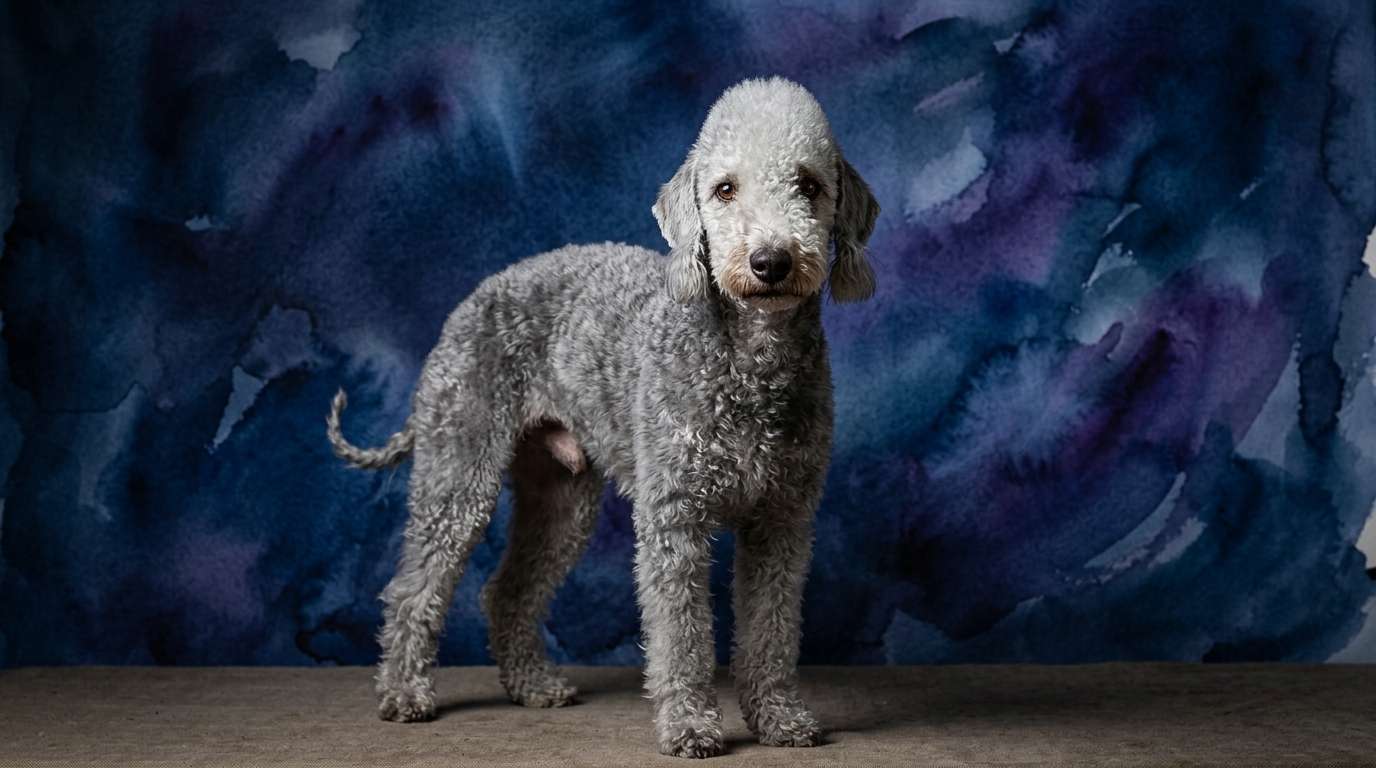
Bedlington Terrier: The unique Bedlington Terrier presents a consistent cognitive profile, scoring 3/5 across all five dimensions and not listed in Coren's rankings. Their problem-solving ability at 3/5 suggests they resolve moderately complex issues, perhaps through trial and error, but may not devise novel solutions as quickly. A training speed of 3/5 means they are capable of learning, but owners should anticipate requiring more patience and consistent repetition. Memory, also 3/5, indicates adequate retention, though perhaps not with the same depth for intricate tasks as the Gordon Setter. Social intelligence at 3/5 points to a general awareness of their human companions, capable of forming strong bonds but potentially exhibiting an independent streak. Their instinctive drive, rated 3/5, is characteristic of a terrier—a strong urge to hunt, dig, and chase, often with determined, self-directed focus.
Where the Gordon Setter Excels Cognitively
The Gordon Setter's cognitive strengths truly shine in areas demanding processing speed, learning efficiency, and robust recall. Their 4/5 rating in problem-solving means they analyze novel situations quicker, such as figuring out how to open a gate or retrieve a toy, often demonstrating foresight. This breed's superior training speed (4/5) translates directly into a more fluid training experience, as they tend to pick up new commands and multi-step routines with fewer repetitions. Moreover, their 4/5 memory ensures that learned skills are retained effectively over long periods, making them reliable partners. This combination of quick learning and strong retention suits them for complex obedience, advanced trick training, or competitive dog sports where rapid acquisition and flawless execution are paramount. Their cooperative nature complements these strengths by fostering a desire to work alongside their human.
Where the Bedlington Terrier Shines Cognitively
While the Bedlington Terrier's scores are consistently 3/5, their profile represents formidable capabilities suited to their heritage. Their consistent instinctive drive (3/5) translates into unwavering tenacity and focus when engaged in activities tapping into natural instincts, such as scent work or earth dog trials, where persistence often outweighs complex problem-solving. This steady drive, combined with their adequate problem-solving (3/5), allows them to systematically pursue goals, even if through a more direct or repetitive approach. Their social intelligence (3/5) supports strong, albeit sometimes independent, bonds with family. The Bedlington's consistent memory (3/5) means they reliably recall routines and boundaries, and their training speed (3/5) ensures that with patient, consistent methods, they can master a wide range of commands. Their cognitive strengths lie in determined application of abilities, persistent focus, and a self-sufficient approach to challenges, aligning with their historical role.
Which is Easier to Train and Why
Based on their cognitive profiles, the Gordon Setter generally presents as the easier breed to train. Their 4/5 rating in training speed means they are inherently quicker to form associations between commands and actions, absorbing new information with fewer repetitions. This efficiency is bolstered by their 4/5 memory, allowing them to retain a larger repertoire of commands and complex sequences, making advanced training more accessible. Gordon Setters often possess a cooperative spirit, eager to please, which enhances trainability. In contrast, the Bedlington Terrier, with a training speed of 3/5, requires a more patient and consistent approach. While capable of learning, they may need more repetitions to solidify new behaviors. Their instinctive drive can manifest as an independent streak or strong focus on environmental stimuli, potentially making them less inclined to follow human direction. Training a Bedlington often means finding creative ways to make lessons engaging, leveraging their tenacity positively.
Which Suits Active Owners vs. Relaxed Owners
The choice between these breeds heavily depends on an owner's lifestyle. The Gordon Setter, with its strong problem-solving and memory, thrives with active, engaged owners. These dogs require consistent mental stimulation through training, puzzle toys, and varied activities, alongside substantial physical exercise like long runs or field work. An owner who enjoys collaborative activities—obedience, agility, or hunting—will find the Gordon Setter a rewarding and capable partner. Their need for a "job" means they are not suited for a truly "relaxed" owner. The Bedlington Terrier also requires active engagement, but perhaps differently. Their consistent instinctive drive means they need outlets for terrier tendencies: digging, chasing, and exploring. They are not sedentary and require regular exercise and mental challenges. An owner who appreciates an independent spirit, enjoys focused activities like earth dog trials, and can provide consistent, firm training will appreciate the Bedlington. Their activity might be more self-directed, making them suitable for owners who can channel that energy productively, even if not seeking a constant training partner for complex routines.
The Verdict
Choosing a Gordon Setter is ideal for owners who are prepared for an actively engaged partnership, valuing a dog that learns quickly, remembers well, and thrives on collaborative work in sports, hunting, or advanced obedience.
Opt for a Bedlington Terrier if you appreciate an independent, tenacious spirit, are committed to patient and consistent training, and can provide outlets for their distinct terrier instincts, even if their learning curve is more gradual.
🧠 Find Your Pet's IQ Score
Our Pet IQ Lab assessment covers 25+ tests across 5 cognitive dimensions — personalized to your breed.
Take the Full IQ Test →Frequently Asked Questions
Can a Bedlington Terrier excel in dog sports despite its 3/5 training speed?
Absolutely, with consistent, positive reinforcement and an owner who understands their terrier drive, Bedlington Terriers can achieve success in sports like agility or earth dog trials, leveraging their tenacity and athleticism.
Do Gordon Setters require daily mental exercises to prevent boredom?
Yes, Gordon Setters benefit significantly from daily mental engagement through training sessions, interactive puzzle toys, or activities that allow them to use their problem-solving and memory skills, alongside their physical exercise.
How does the Gordon Setter's Coren rank of #39 compare to the Bedlington Terrier's unranked status?
The Gordon Setter's Coren rank indicates a strong capacity for obedience and working intelligence, while the Bedlington Terrier being unranked simply means it was not among the breeds specifically assessed in Coren's obedience-focused study, not that it lacks intelligence.