Side-by-Side IQ Profile: Gordon Setter vs. Japanese Chin
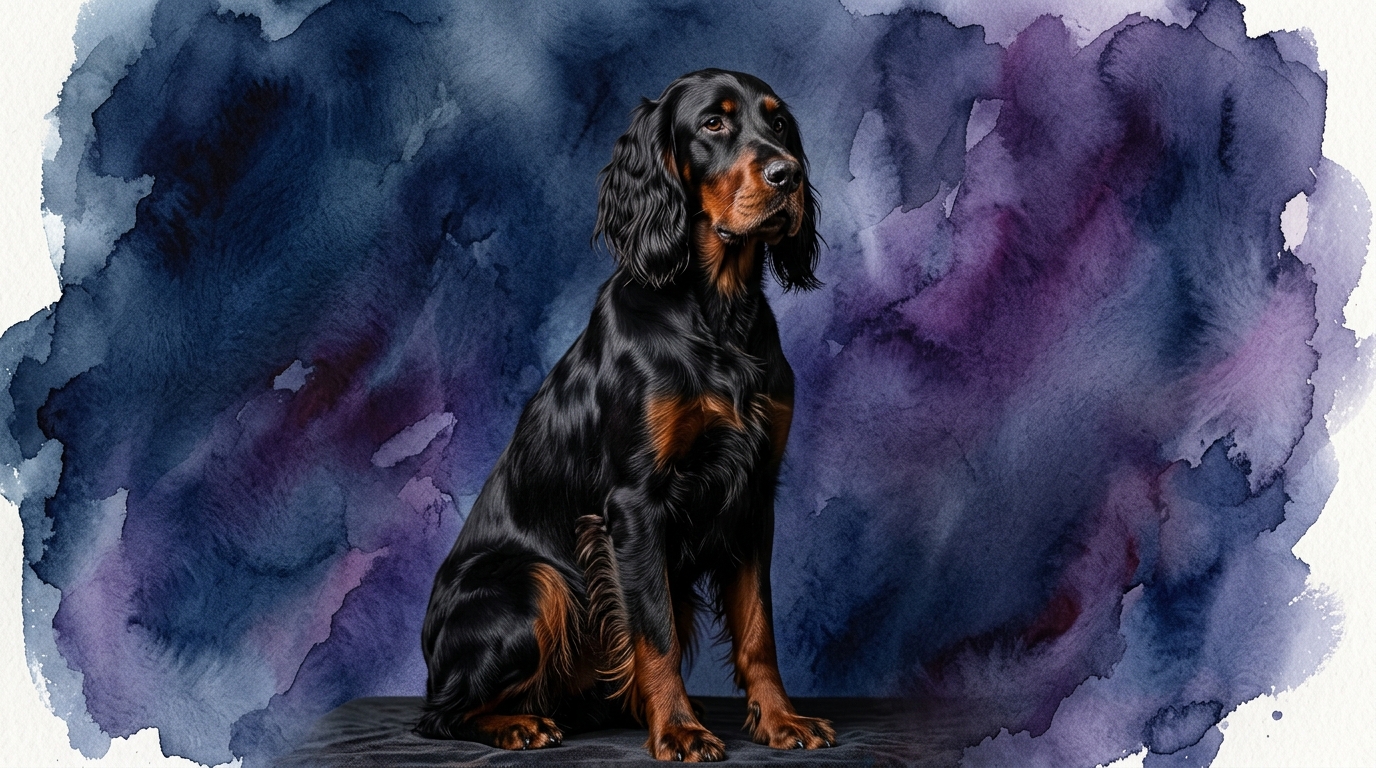
The Cosmic Pet Pet IQ Lab employs a five-dimensional framework to assess canine intelligence, offering a nuanced view beyond simplistic rankings. For the Gordon Setter, a Sporting group dog with a Coren rank of #39, its cognitive profile reflects its historical role. Its Problem Solving is rated 4/5, indicating a strong capacity for intricate tasks, such as independently finding game or navigating complex field environments. Training Speed also scores 4/5, demonstrating a quick grasp of new commands and sequences, essential for a cooperative hunting partner. Social Intelligence is 3/5, suggesting a good understanding of human cues within a working context, without being overly dependent. Instinctive Drive is 3/5, reflecting a moderate but focused drive for scent work and retrieving. Finally, Memory stands at 4/5, crucial for recalling extensive commands, scent trails, and learned procedures over time.
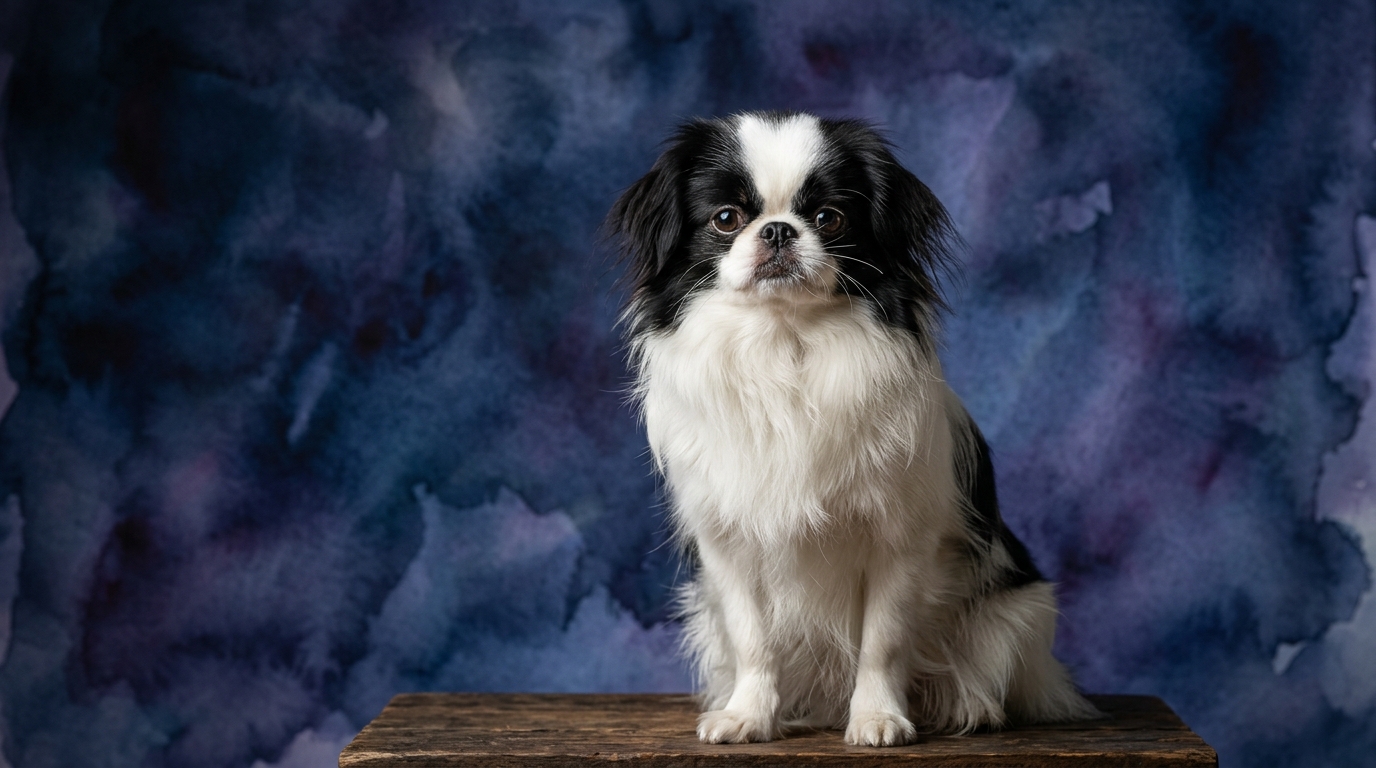
In contrast, the Japanese Chin, a Toy group dog without a Coren ranking, presents a different cognitive blueprint, better suited to its role as a cherished companion. Its Problem Solving is 3/5, indicating an ability to navigate a domestic environment and solve simpler, household-related challenges, though less inclined towards complex, multi-step puzzles. Training Speed is also 3/5, meaning it learns basic commands and routines at a steady, consistent pace, responding well to patient, positive reinforcement. Social Intelligence is 3/5, highlighting its aptitude for reading owner moods and adapting to family dynamics, fostering a close bond. Instinctive Drive is 3/5, showing a mild, generalized curiosity rather than a strong prey or working drive, aligning with its companion-focused nature. Memory is rated 3/5, capable of recalling familiar people, places, and established daily routines, contributing to its calm and predictable presence.
Where the Gordon Setter Excels Cognitively
The Gordon Setter's cognitive strengths are evident in its higher scores, particularly in Problem Solving, Training Speed, and Memory, each rated at 4/5. This breed exhibits a robust capacity for analytical thought and practical application, a direct reflection of its heritage as a gun dog. When faced with a novel situation, such as locating a hidden toy in a complex environment or deciphering a multi-step obedience course, the Gordon Setter is more likely to engage with the challenge, applying learned principles and exhibiting persistence. Their problem-solving prowess isn't just about raw intellect; it's about the application of that intellect to achieve a goal, often in collaboration with a human partner.
Furthermore, the Gordon Setter's rapid training speed means it absorbs new information and commands efficiently. This isn't merely about rote memorization, but a quick understanding of the desired behavior and its association with cues. Coupled with its strong memory, a Gordon Setter can retain a vast repertoire of commands and experiences, allowing for consistent performance even after periods of inactivity. This combination makes them highly adaptable to varied training disciplines, from advanced obedience to agility or field trials, where quick thinking and reliable recall are paramount. Their position in the top tier of Coren's ranking further underscores their general aptitude for understanding and executing complex commands.
Where the Japanese Chin's Cognition Shines
While the Japanese Chin's individual scores of 3/5 might not suggest areas of overwhelming 'victory' in a competitive sense, its cognitive profile shines in its suitability for a specific lifestyle and its nuanced approach to companionship. Its balanced scores across all dimensions indicate a harmonious cognitive makeup, free from extreme drives or overwhelming mental demands. This translates into a dog whose intelligence is perfectly calibrated for domestic tranquility and subtle social interaction, rather than intense working tasks. Its problem-solving skills, while not for the field, are adept at navigating the intricacies of a home environment and understanding household routines with quiet competence.
The Japanese Chin's social intelligence, rated 3/5, is particularly refined for its role as a companion. It excels at reading the subtle emotional cues of its owner, often anticipating needs or reacting to moods with gentle empathy. This isn't about performing complex tasks but about fostering a deep, intuitive connection. Its moderate instinctive drive also means fewer internal distractions from working urges, allowing it to remain highly focused on its primary role: being a devoted, observant presence. The Japanese Chin's cognitive strengths lie in its ability to integrate seamlessly into a human family, providing quiet companionship and responding to nuanced social signals that might be overlooked by more task-oriented breeds.
Training Dynamics: Which is Easier and Why?
When considering ease of training, the Gordon Setter generally presents a more straightforward path for owners seeking a responsive learner. With a Training Speed of 4/5 and Problem Solving at 4/5, these dogs are typically quick to grasp new commands and eager to engage in structured training sessions. Their sporting background instills a cooperative spirit and a desire to work alongside their handler, often motivated by the satisfaction of a job well done or the promise of a rewarding activity. They thrive on consistency, clear communication, and purposeful tasks, making them excellent candidates for advanced obedience, scent work, or agility.
The Japanese Chin, with a Training Speed of 3/5, certainly learns, but owners may find the process requires more patience and a different approach. While capable of mastering basic commands and house rules, they might not possess the same inherent drive for repetitive drills or complex sequences as a Gordon Setter. Their motivation is often rooted in positive reinforcement, affection, and making their owner happy, rather than a strong task orientation. Training a Japanese Chin benefits from short, engaging sessions that feel more like play, focusing on gentle encouragement and avoiding harsh corrections which can dampen their sensitive spirit. Understanding this difference in motivation is key to successful training for both breeds.
Owner Suitability: Active Pursuits vs. Relaxed Companionship
The cognitive and physical demands of these two breeds naturally align with different owner lifestyles. The Gordon Setter is an ideal match for active owners who enjoy outdoor adventures, structured training, and mentally engaging activities. Their 4/5 Problem Solving and Memory, combined with their sporting heritage, mean they thrive when given a 'job' or a purpose. Owners who are committed to daily vigorous exercise, such as long runs, hiking, or field work, and who enjoy consistent training sessions to challenge their dog's intellect, will find a deeply rewarding partnership with a Gordon Setter. They need an outlet for their physical stamina and cognitive engagement to prevent boredom and ensure a well-adjusted temperament.
Conversely, the Japanese Chin is perfectly suited for more relaxed owners seeking a tranquil, observant companion whose cognitive strengths lie in domestic harmony. Their balanced 3/5 scores across the board mean they are content with a less demanding routine, preferring indoor activities, short leisurely walks, and ample cuddle time. These dogs thrive on consistent companionship and a calm household environment, rather than rigorous physical or mental exertion. An owner who appreciates a subtle, intuitive bond and values a dog that is attuned to their emotional state, without requiring constant stimulation or intense training, will find the Japanese Chin to be an exquisite and undemanding friend.
The Verdict
Choose the Gordon Setter if you seek a partner for active outdoor pursuits, enjoy structured training, and value a dog that thrives on cognitive challenges and physical exertion, offering a deeply engaged companionship.
Choose the Japanese Chin if you desire a tranquil, observant companion whose cognitive strengths lie in domestic harmony and subtle social interaction, providing a gentle and undemanding presence in your home.
🧠 Find Your Pet's IQ Score
Our Pet IQ Lab assessment covers 25+ tests across 5 cognitive dimensions — personalized to your breed.
Take the Full IQ Test →Frequently Asked Questions
Can a Japanese Chin learn complex tricks?
While a Japanese Chin can certainly learn tricks, their training speed and problem-solving scores suggest they might require more patient, consistent effort compared to breeds with higher cognitive ratings. They excel when motivation is based on positive reinforcement and companionship, making complex sequences achievable with dedication and creativity from the owner.
How much mental stimulation does a Gordon Setter need daily?
A Gordon Setter, with its 4/5 scores in problem-solving and memory, benefits significantly from daily mental engagement like puzzle toys, scent work, and varied training sessions to prevent boredom and maintain cognitive sharpness. Their sporting background means they thrive on purpose-driven activities that challenge their intellect and physical prowess for at least 30-60 minutes daily, in addition to physical exercise.
Is social intelligence important for a companion dog?
Yes, social intelligence, rated 3/5 for both breeds, is crucial for any companion dog as it dictates how well they understand human cues and interact with their environment and other beings. While neither breed is exceptionally high in this dimension, it means they are generally responsive and adaptable to their human families' routines and emotional states, fostering a harmonious household and a strong bond.