Side-by-Side IQ Profile: Gordon Setter vs. Keeshond
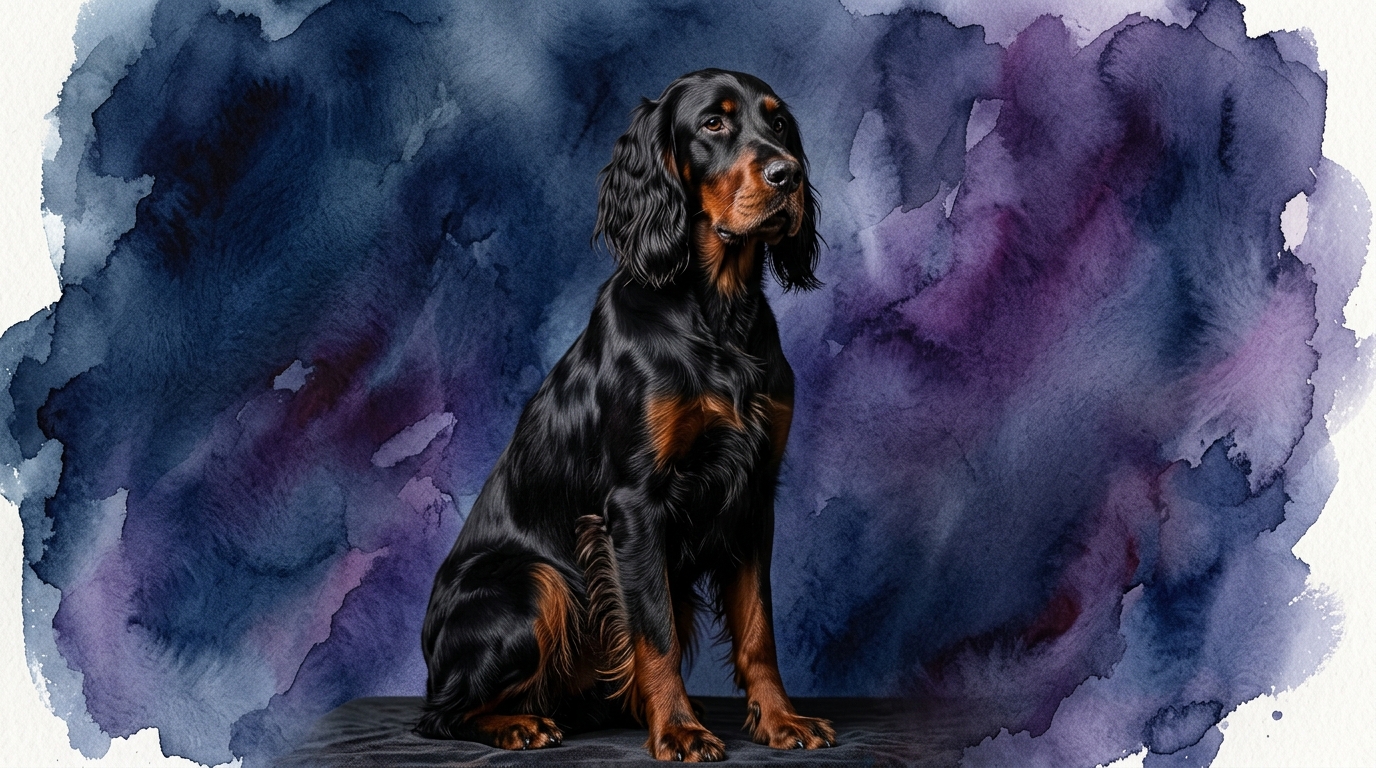
**Gordon Setter (Coren rank #39)**: This breed showcases a distinct cognitive makeup aligned with its working heritage. **Problem Solving (4/5)**: This score reflects a strong capacity for independent thought, particularly in dynamic outdoor scenarios. Gordon Setters excel at figuring out complex field challenges, like locating hidden game or navigating varied terrain, often requiring initiative beyond direct instruction. **Training Speed (4/5)**: They grasp new commands and routines relatively quickly, demonstrating efficient learning. However, their independent, hunting-bred nature means compliance can sometimes be influenced by their strong motivations or environmental distractions. **Social Intelligence (3/5)**: Their social intelligence points to a focused loyalty, primarily towards their immediate family. They are generally amiable but value their working bond with a handler above broad social engagement. **Instinctive Drive (3/5)**: As a Sporting breed, their drive is purposefully channeled towards hunting and scent work. This requires outlets through field work, scent games, or vigorous exercise to prevent restlessness. **Memory (4/5)**: A strong memory allows them to retain complex sequences of commands, game locations, and learned routines over extended periods, crucial for reliable performance in the field.
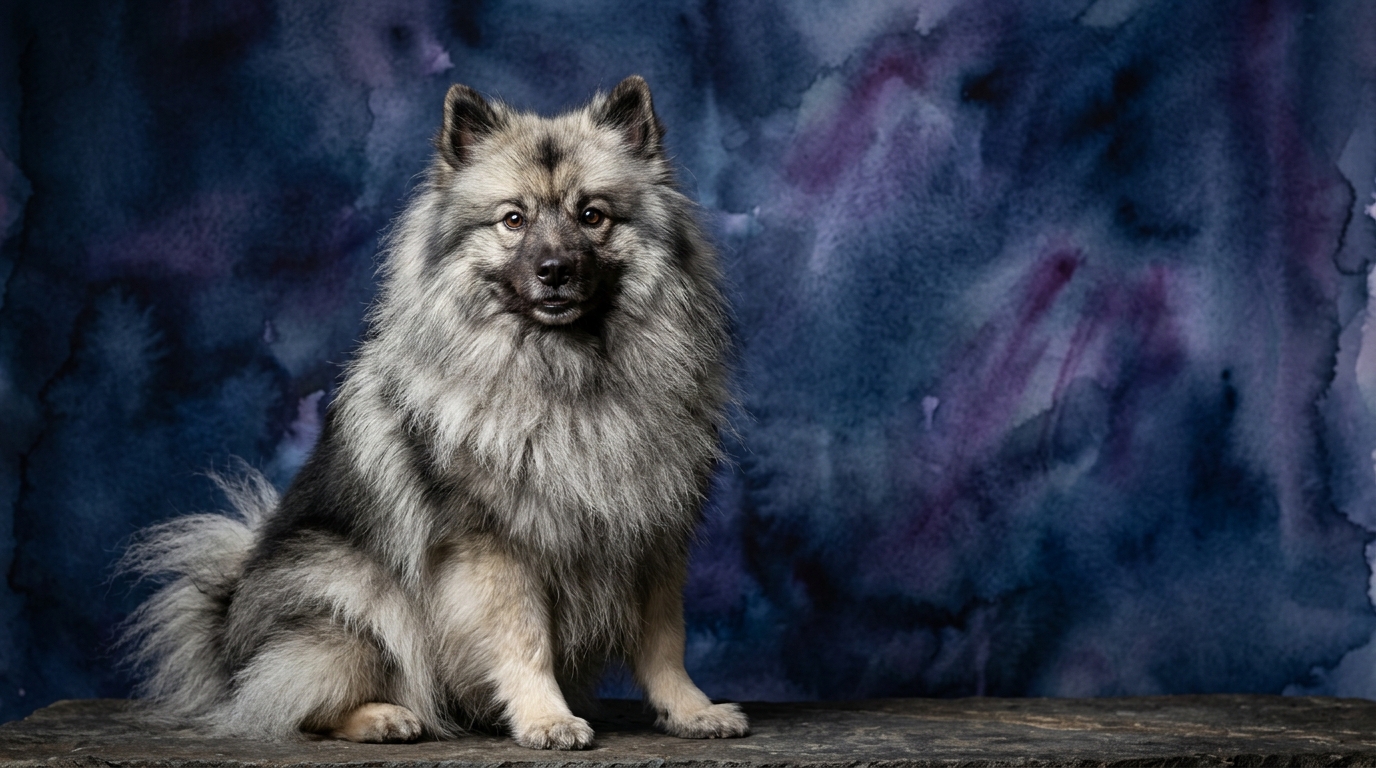
**Keeshond (Coren rank #16)**: The Keeshond presents a cognitive profile optimized for companionship and domestic life. **Problem Solving (4/5)**: Keeshonden also demonstrate robust challenge resolution, often applied to domestic situations like manipulating toys or understanding household dynamics to get what they want. Their solutions are clever and rooted in their desire for companionship. **Training Speed (4/5)**: These dogs are quick studies, absorbing new commands and tricks with enthusiasm. Their eagerness to please their family, combined with sharp cognitive processing, contributes to efficient, positive-reinforcement-driven learning. **Social Intelligence (3/5)**: Their social intelligence indicates deep family bonds and an attunement to human emotions. They are observant companions, often reserved with strangers, preferring intimate family connection over broad social mingling. **Instinctive Drive (3/5)**: The Keeshond’s drive manifests as vigilance and an intrinsic need for engagement within the family unit, often expressed as alertness to surroundings or a desire to be involved in activities. **Memory (5/5)**: This perfect score highlights an exceptional capacity for retaining information – from vast repertoires of commands to family schedules. This superior memory aids rapid retention and reliable recall, contributing significantly to their overall trainability.
Where the Gordon Setter Wins Cognitively
While the Keeshond outranks the Gordon Setter in overall Coren intelligence and memory, the Gordon Setter exhibits a unique cognitive strength rooted in its ancestral purpose. Its problem-solving capacity, rated at 4/5, is specifically honed for independent decision-making in vast, dynamic environments. Unlike the Keeshond's often domestically-focused ingenuity, the Gordon Setter's cognitive victories come from autonomously navigating complex scent trails, strategizing to locate hidden game, and making on-the-spot tactical adjustments in challenging outdoor conditions. This translates to an exceptional ability to apply learned knowledge and adapt to unpredictable natural variables, a nuanced form of intelligence distinct from rote memorization or household cleverness. Their instinctive drive, at 3/5, while not overwhelming, is purpose-built for sustained, focused work, allowing them to maintain concentration on a task over extended periods, a cognitive endurance that is a particular asset in field work.
Where the Keeshond Wins Cognitively
The Keeshond's cognitive profile shines brightly, particularly in its superior memory and overall trainability. Its perfect 5/5 memory score means it retains information with remarkable tenacity, from intricate command sequences to family routines and specific environmental cues. This exceptional recall significantly bolsters its training speed and allows for the rapid acquisition of a vast repertoire of behaviors and tricks. Furthermore, the Keeshond's higher Coren rank of #16, compared to the Gordon Setter's #39, underscores its general aptitude for understanding and executing human directives with impressive consistency. Their problem-solving, also 4/5, is often applied to social dynamics and household challenges, demonstrating a cleverness in manipulating their environment or communicating needs, making them adept at integrating seamlessly into family life. This cognitive strength is less about wilderness navigation and more about sophisticated adaptation to a human-centric world.
Which is Easier to Train and Why
When considering ease of training, both learning speed and willingness to comply are crucial. The Keeshond, with its higher Coren rank of #16 and a perfect 5/5 memory, generally proves easier for the average owner. Their exceptional recall allows them to grasp and retain commands and routines quickly and reliably. Coupled with solid social intelligence (3/5) and a strong desire to be involved with their family, Keeshonden are typically eager to please and highly motivated by positive reinforcement and companionship. Their instinctive drive (3/5), focused on vigilance rather than strong prey pursuits, means fewer external distractions during training, leading to consistent compliance. They thrive on structured learning and excel in obedience and trick training, often appearing to anticipate their owner's requests.
Conversely, the Gordon Setter, while possessing a strong 4/5 training speed and memory, presents a different training dynamic. Their Coren rank of #39 reflects a more independent streak, a legacy of their hunting background where autonomous field decisions were paramount. While they learn commands efficiently, their strong instinctive drive (3/5) for scenting and tracking can sometimes override compliance, especially in distracting environments. Training a Gordon Setter requires more patience, consistency, and a deep understanding of channeling their inherent drives constructively. While both breeds learn quickly, the Keeshond’s superior memory and inherent desire for family-centric engagement often make the training journey feel smoother and more consistently compliant for many.
Which Suits Active Owners vs. Relaxed Owners
The distinct cognitive and physical needs of these breeds align with varying owner lifestyles. The Gordon Setter, a Sporting Group dog, is inherently built for sustained activity and intellectual engagement through physical tasks. Their problem-solving and memory are best stimulated by activities that engage their physical prowess and keen senses, such as long hikes, trail running, field work, or dog sports like agility and scent work. Their instinctive drive (3/5) demands significant outlets; without proper physical and mental exercise, their intelligence may channel into restless or less desirable behaviors. Active owners provide the essential framework for a Gordon Setter to express its full cognitive potential, allowing it to "think" on the move and make independent decisions in stimulating outdoor environments.
In contrast, the Keeshond, a Non-Sporting companion, suits owners who prefer a more relaxed, yet still mentally engaging, lifestyle. While they enjoy walks and playtime, their exercise needs are moderate compared to a Setter. Their cognitive strengths – superior memory, quick training speed, and social intelligence – are well-utilized in a home environment through daily routines, learning new tricks, and interactive games. Their instinctive drive (3/5) manifests as vigilance and a desire for companionship, making them content as a watchful presence and active participant in family life. Owners seeking a clever, observant companion who thrives on mental stimulation through puzzles and training, rather than extensive, high-impact physical exertion, will find the Keeshond an ideal match.
The Verdict
If you seek a dedicated, physically enduring partner for outdoor adventures and field work, whose intelligence shines in autonomous decision-making and sustained effort, the Gordon Setter is an excellent choice.
For those desiring a highly trainable, observant, and exceptionally memorable companion who excels in domestic settings and thrives on close family engagement, the Keeshond stands out.
🧠 Find Your Pet's IQ Score
Our Pet IQ Lab assessment covers 25+ tests across 5 cognitive dimensions — personalized to your breed.
Take the Full IQ Test →Frequently Asked Questions
Do Gordon Setters have a strong prey drive?
Yes, Gordon Setters possess a moderate instinctive drive (3/5) primarily directed towards scenting and tracking game birds. This drive, a legacy of their hunting heritage, means they benefit from outlets like scent work or secure, leashed outdoor exploration.
Are Keeshonden good with children?
Keeshonden generally display solid social intelligence (3/5) and are known for being affectionate and watchful companions to their families. Their desire for close family engagement often makes them wonderful, patient companions for children, especially when properly socialized.
Which breed is more independent?
The Gordon Setter tends to exhibit more independence, a trait cultivated for self-reliant work in the field. While trainable, their decisions can sometimes be influenced by their strong instinctive drives, whereas the Keeshond generally prioritizes family engagement and compliance.