Side-by-Side Cognitive Profiles
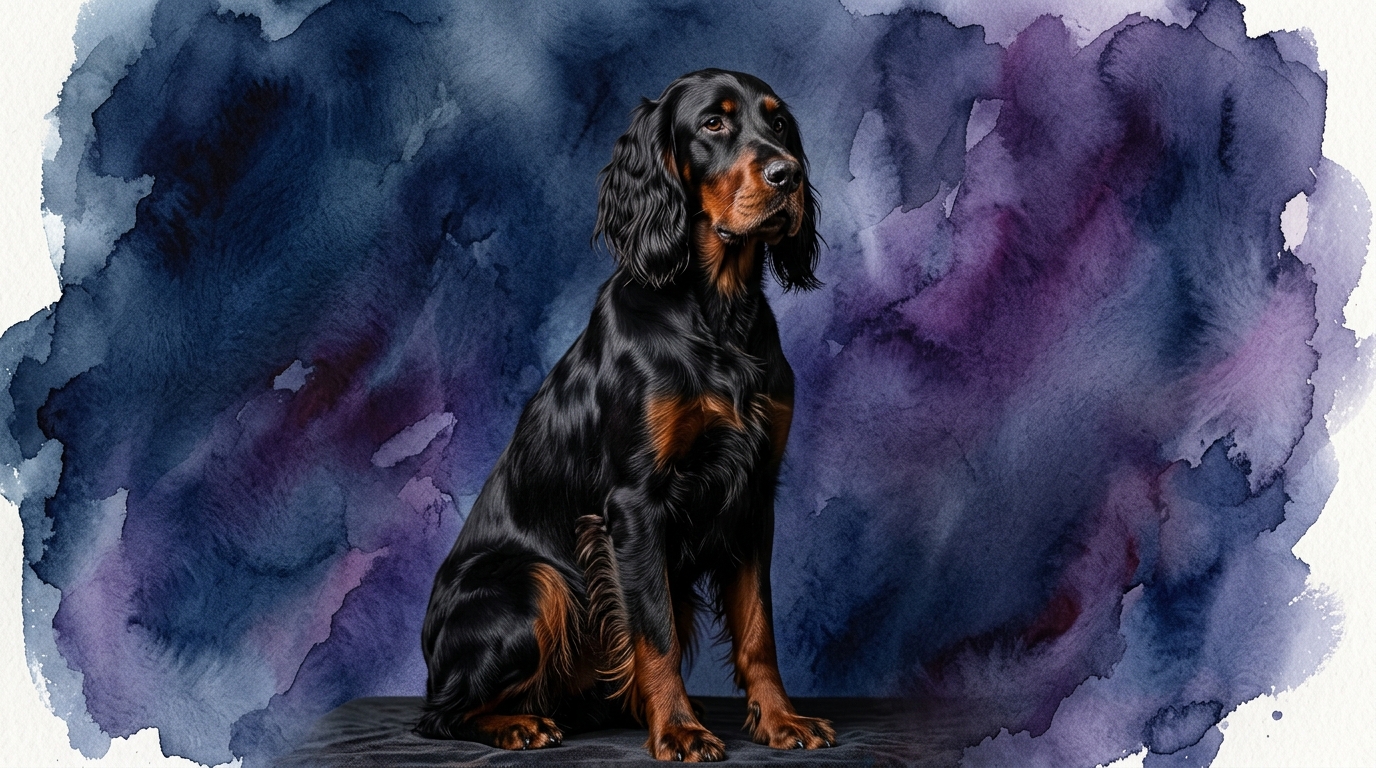
The Gordon Setter, earning a respectable #39 on Coren's scale of working and obedience intelligence, showcases a mind built for partnership and precision. Their Problem Solving is rated 4/5, indicating a strong capacity to analyze and adapt to new situations, often with a strategic approach derived from their bird-hunting heritage. Training Speed also sits at 4/5, reflecting their eagerness and ability to quickly grasp and retain new commands, making them a joy for structured learning. Social Intelligence is 3/5, meaning they are generally attuned to human cues and family dynamics, though they maintain a degree of independent thought. Their Instinctive Drive, rated 3/5, is channeled towards scenting and pointing game, a focused energy that needs appropriate outlets. Finally, a Memory score of 4/5 ensures they recall commands, routines, and past experiences with consistency, aiding in their overall biddability.
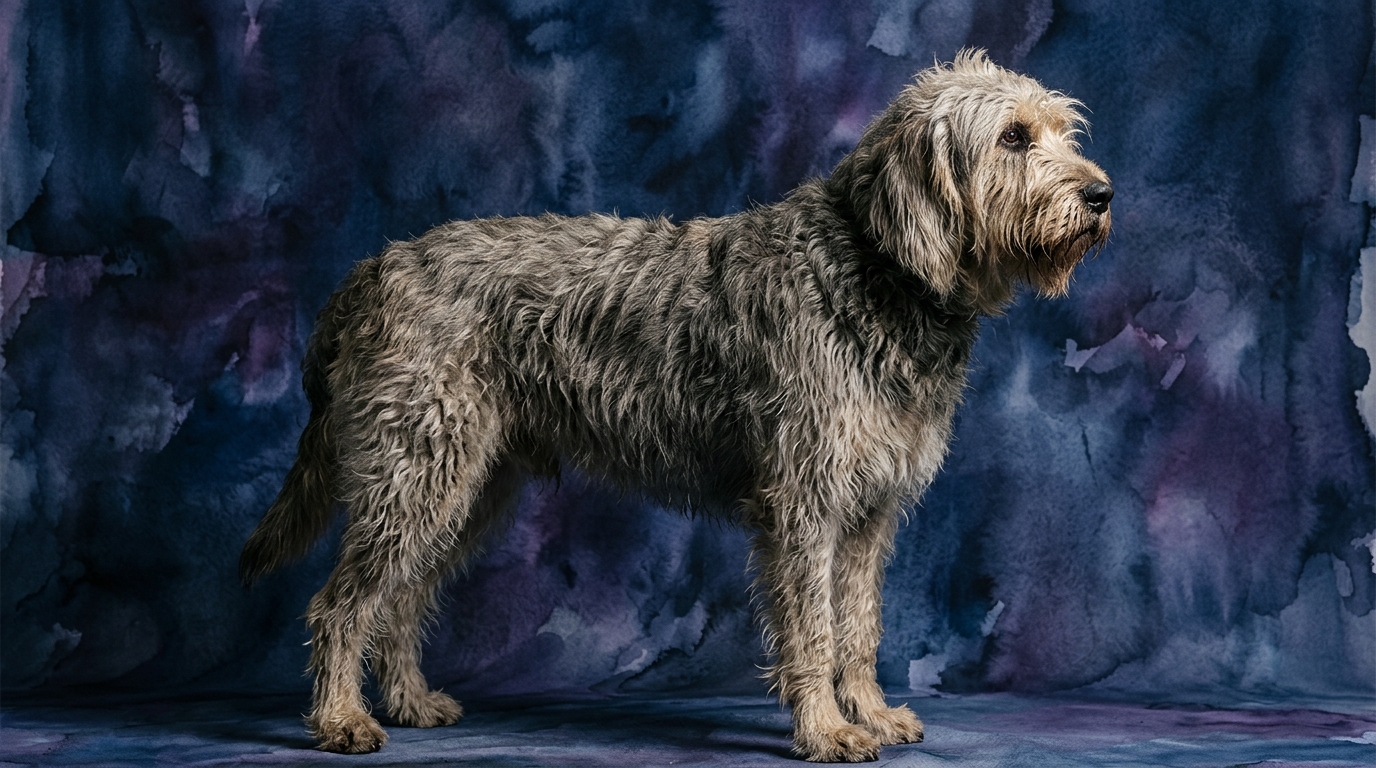
The Otterhound, while not featured on Coren's ranking, presents a cognitive profile shaped by centuries of independent tracking in demanding environments. Their Problem Solving is rated 3/5, suggesting they can navigate challenges, often through persistent exploration and a unique, self-directed approach rather than immediate human-led strategy. Training Speed also sits at 3/5; they are capable of learning, but their strong individual will and powerful olfactory distractions mean consistency and patience are key. Social Intelligence is 3/5, indicating they are generally amiable and aware of their human companions, though their world is often dominated by their nose. Instinctive Drive is a defining characteristic at 3/5, manifesting as an insatiable urge to follow scent, a deep-seated motivation that heavily influences their behavior and attention. Their Memory, rated 3/5, is excellent for recalling complex scent trails and environmental details, but may be less focused on human-initiated commands when a compelling scent is present.
Where the Gordon Setter's Cognition Excels
The Gordon Setter’s cognitive strengths shine particularly bright in areas demanding responsiveness and precise execution under human direction. Their superior Problem Solving (4/5 versus Otterhound's 3/5) allows them to more readily assess novel situations and devise solutions that align with handler expectations, making them adept at tasks requiring sequential thought or quick adjustments. This is amplified by their faster Training Speed (4/5), meaning they absorb new commands and behaviors with fewer repetitions, translating to quicker mastery of complex routines in obedience or agility. Furthermore, the Gordon Setter's Memory, rated 4/5, provides a distinct advantage in retaining a vast repertoire of commands and experiences, ensuring consistent performance over time and across varied environments. Their placement at #39 on Coren's list underscores this capacity for understanding and reliably obeying instructions, making them excellent partners for intricate canine activities where focus and recall are paramount.
Where the Otterhound's Cognition Shines Uniquely
While the Otterhound may not excel in the metrics typically associated with obedience-focused intelligence, their cognitive triumphs lie in a specialized domain: their unparalleled olfactory processing and application. Their 'Instinctive Drive' (3/5) is not merely a physical urge, but a profound cognitive engagement with the world of scent, allowing them to decode complex olfactory information with incredible precision and persistence. This translates into a unique form of Problem Solving, where navigating intricate scent puzzles across varied terrains becomes their intellectual forte, demonstrating a different kind of strategic thinking entirely focused on their primary drive. They possess an extraordinary ability to remember and follow faint, aged trails, a memory skill (3/5) that, while not always applied to human commands, is a testament to their deep cognitive processing of environmental data. The Otterhound wins in scenarios demanding independent, sustained focus on a sensory task, showcasing a robust, self-directed intelligence that is less about biddability and more about relentless, specialized exploration.
Training Dynamics: Ease and Behavioral Differences
Without question, the Gordon Setter presents as the easier breed to train, a distinction rooted deeply in their purpose and cognitive profile. Their 4/5 rating for Training Speed and Memory means they grasp new commands quickly and retain them reliably, thriving on the structured interaction and partnership that training provides. Bred as sporting dogs, Gordon Setters are inherently biddable, eager to work alongside their handler, and motivated by positive reinforcement and the opportunity to engage their minds. They are responsive to cues and readily focus on the task at hand, making the process of teaching complex behaviors a rewarding experience for both dog and owner. In contrast, the Otterhound, with a 3/5 rating for both Training Speed and Memory, coupled with a dominant instinctive scent drive, poses a greater training challenge. Their independent nature, honed over centuries of solitary scent work, means they often prioritize a compelling scent trail over human commands. While capable of learning, they require significantly more patience, repetition, and creative motivation to maintain focus, as their mind is often on the next sniff. Training an Otterhound requires an understanding of their deep-seated drives, often necessitating 'scent games' or incorporating their natural inclinations into the training regimen to keep them engaged, rather than simply expecting rote obedience.
Matching Canine Minds to Owner Lifestyles
Both the Gordon Setter and the Otterhound lean towards suiting active owners, though the nature of that activity differs significantly. The Gordon Setter, true to its sporting heritage, requires substantial and varied physical exercise that engages both body and mind. Owners should be prepared for long, brisk walks, runs, hiking, or participation in dog sports like agility, field trials, or obedience, utilizing their 4/5 problem-solving and training speed. They thrive on having a job to do and benefit greatly from mental challenges alongside their physical exertion, making them an ideal companion for owners who enjoy an active, engaged lifestyle. A relaxed owner who cannot commit to daily rigorous activity might find a Gordon Setter developing boredom-related behaviors. The Otterhound also demands an active owner, but one who appreciates a different pace and focus. Their powerful scent drive and stamina mean they need daily, extensive opportunities to explore the outdoors, often at their own meandering pace, following intriguing scents. This isn't always about speed, but about duration and mental engagement through their nose. Owners must be prepared for long, exploratory walks in secure areas or with reliable leash handling, allowing them to indulge their instinctive drive (3/5). A truly relaxed owner, expecting a sedentary companion, would find an Otterhound's need for independent outdoor investigation and potential for vocalization frustrating, as their cognitive world is deeply intertwined with their environment's olfactory tapestry.
The Verdict
Choose the Gordon Setter if you appreciate a responsive, eager-to-please companion for structured training, dog sports, or a variety of family activities, and you're prepared to provide consistent mental and physical engagement for a dog that thrives on partnership.
Choose the Otterhound if you are drawn to a unique, independent spirit with an unparalleled nose, willing to embrace their distinctive scenting drive and provide ample opportunities for exploration, and you value a loyal, albeit sometimes stubborn, companion who excels at navigating the world through scent.
🧠 Find Your Pet's IQ Score
Our Pet IQ Lab assessment covers 25+ tests across 5 cognitive dimensions — personalized to your breed.
Take the Full IQ Test →Frequently Asked Questions
Are Gordon Setters good family dogs?
Gordon Setters generally make devoted family companions, especially with proper socialization and ample exercise. Their social intelligence (3/5) means they adapt well to family dynamics, but their energy requires an active household.
Do Otterhounds bark a lot?
Otterhounds can be quite vocal, using their distinctive bay to communicate, particularly when they are on a scent trail or alerting to something. This is a natural expression of their instinctive drive (3/5) and a characteristic trait.
What kind of exercise do these breeds need?
Gordon Setters require vigorous daily exercise, including running and mental challenges, to satisfy their sporting heritage. Otterhounds need long, exploratory walks that allow them ample time to engage their powerful nose and follow scent trails, providing both physical and mental stimulation.