Side-by-side IQ profile
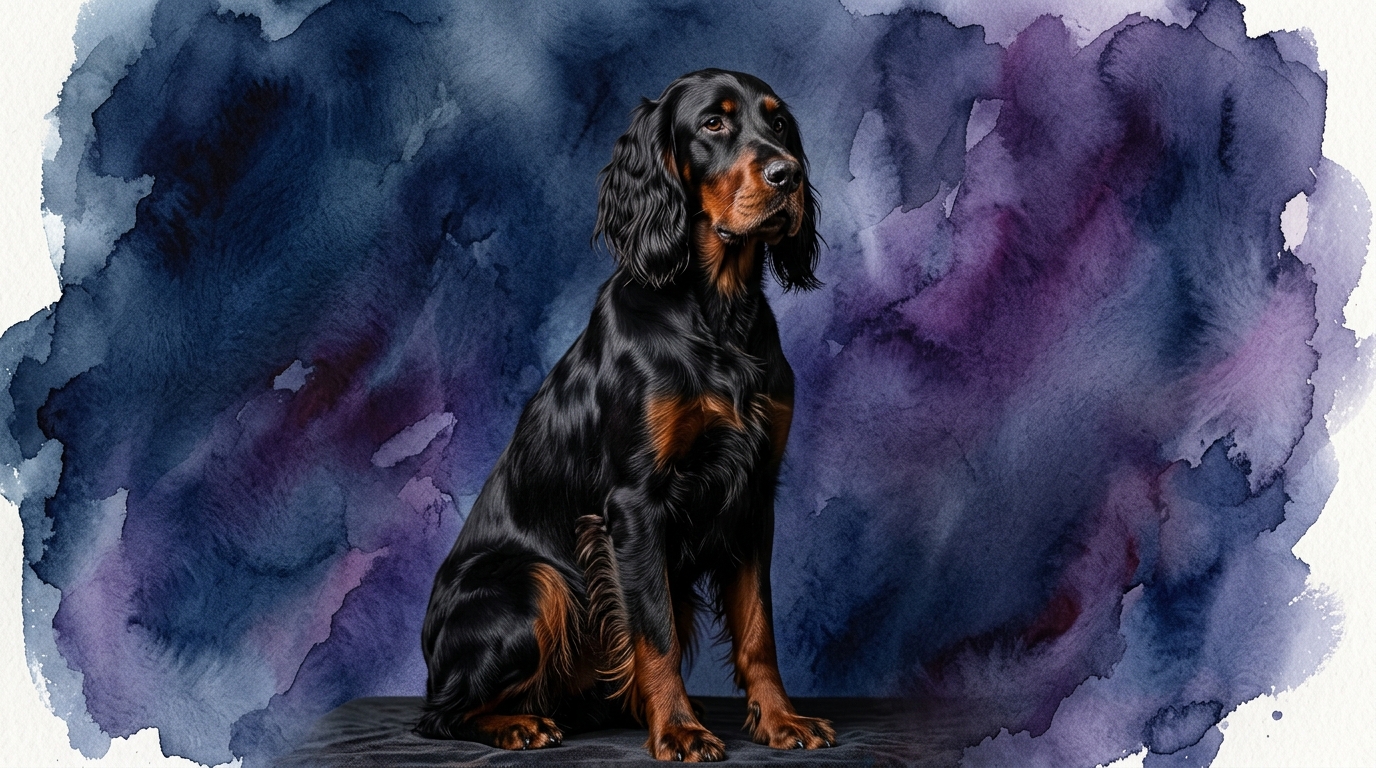
**Gordon Setter (Coren Rank #39)**
**Problem Solving (4/5):** Gordon Setters excel at complex, multi-step tasks, demonstrating strong spatial reasoning and adaptability to novel challenges. They readily strategize and understand cause and effect, making them adept at intricate puzzles.
**Training Speed (4/5):** This breed quickly grasps new commands and routines, exhibiting a cooperative spirit and eagerness for structured learning. They respond positively to consistent, reward-based methods, assimilating information rapidly for advanced training.
**Social Intelligence (3/5):** Gordon Setters capably read human cues, forming deep, affectionate bonds within their families. They understand household dynamics and can be attuned to owner moods, offering appropriate interaction.
**Instinctive Drive (3/5):** Their moderate sporting drive focuses on scent work and retrieving. This purposeful energy is generally manageable within a family setting, provided proper outlets are available.
**Memory (4/5):** Gordon Setters possess excellent long-term memory, reliably retaining commands, routines, and past experiences. This contributes to their consistency in performance and ability to adapt based on prior knowledge.
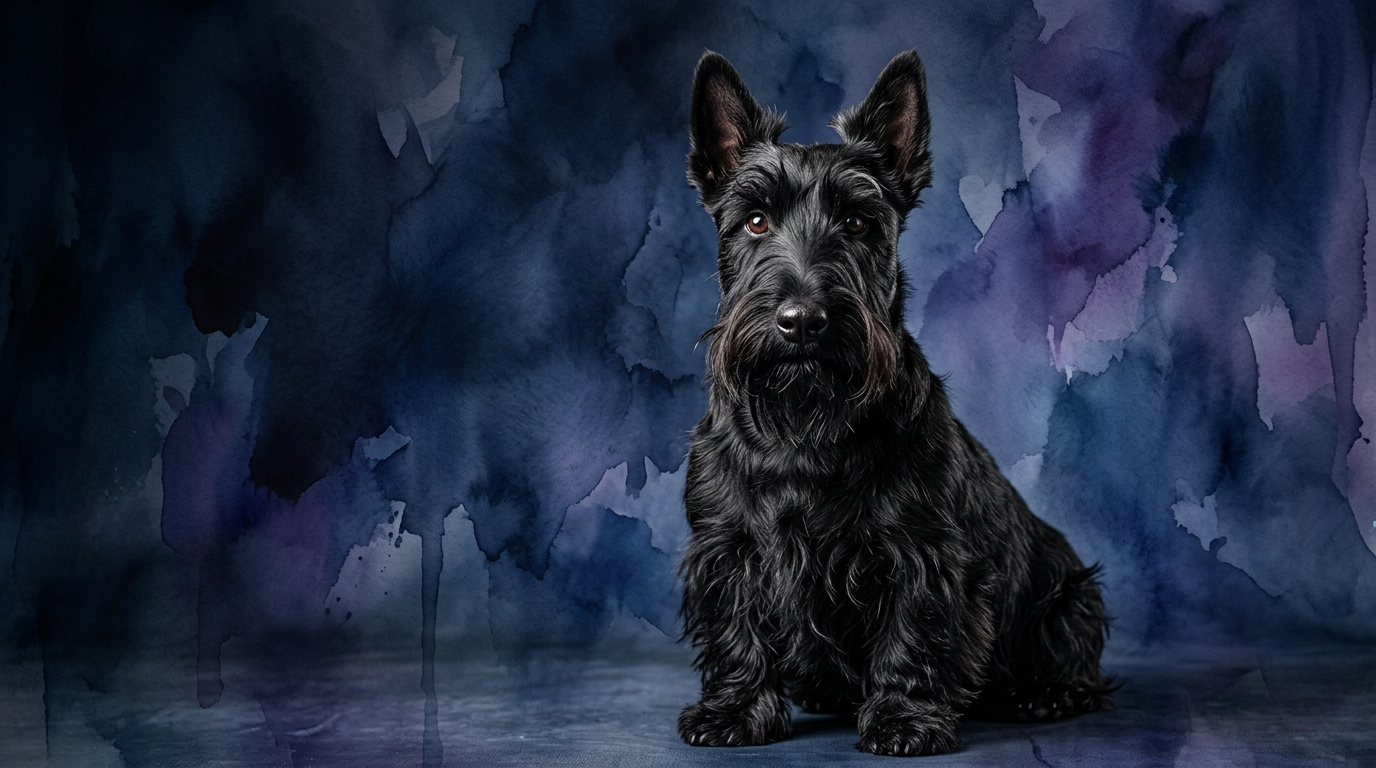
**Scottish Terrier (Coren Rank #65)**
**Problem Solving (3/5):** Scottish Terriers display practical, independent problem-solving, especially for achieving their own objectives like accessing an area or pursuing prey. Their resourcefulness shines in tasks requiring determination, rather than abstract puzzles.
**Training Speed (3/5):** Learning new commands steadily, Scotties require patient, engaging training. Their independent spirit often means they weigh compliance against personal agenda, necessitating consistent motivation rather than an overwhelming desire to please.
**Social Intelligence (3/5):** This breed forms intensely loyal bonds with chosen family, often reserved with strangers. They are acutely aware of their inner circle's dynamics, offering dignified, steadfast companionship.
**Instinctive Drive (3/5):** The Scottish Terrier's strong, specialized drive centers on vermin hunting, manifesting as powerful prey drive, digging, and unwavering investigation of scents. This ingrained drive requires careful management and appropriate outlets.
**Memory (3/5):** Scotties possess functional memory for commands and routines, though occasional refreshers may be needed. Their memory often serves practical purposes, aiding navigation and remembering boundaries rather than extensive abstract recall.
Where Gordon Setter wins cognitively
The Gordon Setter’s cognitive profile offers distinct advantages in complex reasoning, rapid learning, and memory retention. Their problem-solving score of 4/5 means they are better equipped for intricate, multi-step tasks, such as navigating agility courses or solving advanced puzzle toys, often adapting quickly without extensive guidance. The higher training speed (4/5) reflects their cooperative nature and eagerness to engage, allowing them to grasp new concepts and respond consistently to cues more swiftly than a Scottie. This isn't just about obedience; it's about active participation in learning, often anticipating the next step. Furthermore, their superior memory (4/5) ensures lessons and routines are retained with remarkable fidelity, making them reliable companions who recall house rules, specific retrieves, or complex paths accurately. Their intelligence is optimized for partnership and performance, reflecting their history of close collaboration with hunters.
Where Scottish Terrier wins cognitively
While individual scores might not numerically surpass the Gordon Setter, the Scottish Terrier’s unique cognitive blend creates distinct strengths, particularly in independent thought, tenacity, and focused drive. Their 3/5 problem-solving score signifies a practical, determined intelligence, honed for autonomous action. A Scottie excels at figuring out how to achieve *their* goals, like finding a way under a fence or persistently digging for a perceived critter, showcasing resourceful self-determination. Their instinctive drive (3/5) is intensely focused on their original purpose—vermin hunting—fueling remarkable single-mindedness and resilience when committed to a task. This intense focus translates to unwavering persistence. Their social intelligence (3/5) also offers a unique advantage: a discerning loyalty. A Scottie’s affection, once earned, is deeply committed and unwavering, forming profound, selective bonds highly valued by those who appreciate their independent spirit and devoted, albeit reserved, companionship.
Which is easier to train and why
The Gordon Setter holds a distinct advantage in ease of training due to their higher training speed (4/5) and cooperative nature. Bred for close work with hunters, they are attentive, responsive, and eager to please, thriving on positive reinforcement and structured learning. They quickly pick up commands and enjoy collaboration, with their excellent memory ensuring lessons stick. In contrast, the Scottish Terrier, with a training speed of 3/5, presents a greater challenge. Their terrier heritage emphasizes independence and self-reliance, meaning they often weigh compliance against their own agenda. Training a Scottie demands immense patience, creativity, and consistency, making sessions fun and rewarding, as harsh methods solidify their independent streak. A Gordon Setter naturally 'checks in' with their handler, while a Scottie's focus on a scent or dig often disregards calls, highlighting their divergent behavioral tendencies.
Which suits active owners vs relaxed owners
The Gordon Setter is ideally suited for active owners. Their sporting lineage demands significant physical exercise—long walks, runs, or dog sports—to maintain physical and mental well-being. Their high problem-solving and memory scores also necessitate consistent mental stimulation through training, puzzle toys, and new challenges. Owners who enjoy substantial outdoor activity and dedicate energy to their dog's mental engagement will find a Gordon Setter an ideal companion. The Scottish Terrier, while not sedentary, fits owners who are 'less intensely active.' They require regular, brisk walks but not the same endurance as a Setter. However, their unique mental needs stem from their strong instinctive drive and independent problem-solving. They benefit from activities engaging their terrier instincts safely, like secure yard 'hunting' games or digging outlets. Owners appreciating an independent, strong-willed dog, who enjoy consistent daily walks and can provide mental engagement respecting their terrier traits, will find a Scottie rewarding. They are often content to observe their domain after exercise, suitable for a more contained, yet still engaged, companion.
The Verdict
Opt for a Gordon Setter if you're an active individual or family seeking a highly cooperative, intelligent, and trainable partner for outdoor adventures, dog sports, and consistent, engaging training.
Select a Scottish Terrier if you appreciate an independent, determined, and loyal companion, are prepared for patient, creative training, and value a dog with a distinctive personality and moderate exercise needs.
🧠 Find Your Pet's IQ Score
Our Pet IQ Lab assessment covers 25+ tests across 5 cognitive dimensions — personalized to your breed.
Take the Full IQ Test →Frequently Asked Questions
Are Gordon Setters good family dogs?
Yes, Gordon Setters often make excellent family dogs due to their social intelligence and affectionate nature, forming strong bonds with all family members. They are generally patient and gentle with children, especially when properly socialized and exercised.
Do Scottish Terriers need a lot of exercise?
Scottish Terriers require regular daily exercise, including brisk walks and opportunities to explore in a secure area, to satisfy their physical needs and instinctive drives. However, their endurance requirements are typically less intense than those of a sporting breed like the Gordon Setter.
Which breed is better for first-time dog owners?
The Gordon Setter is generally more forgiving for first-time owners due to their higher training speed and cooperative nature, making them easier to guide. Scottish Terriers, with their independent streak, require more experience, patience, and consistency in training.