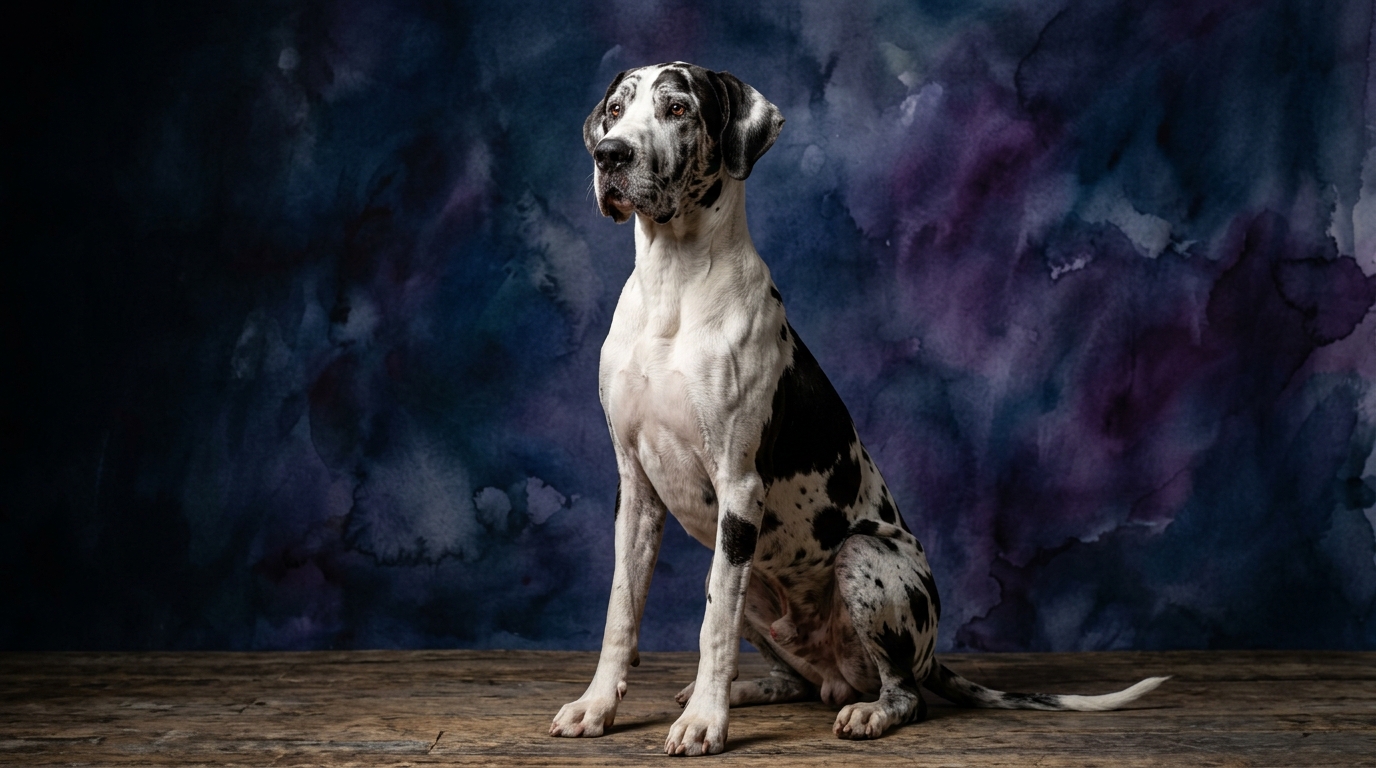
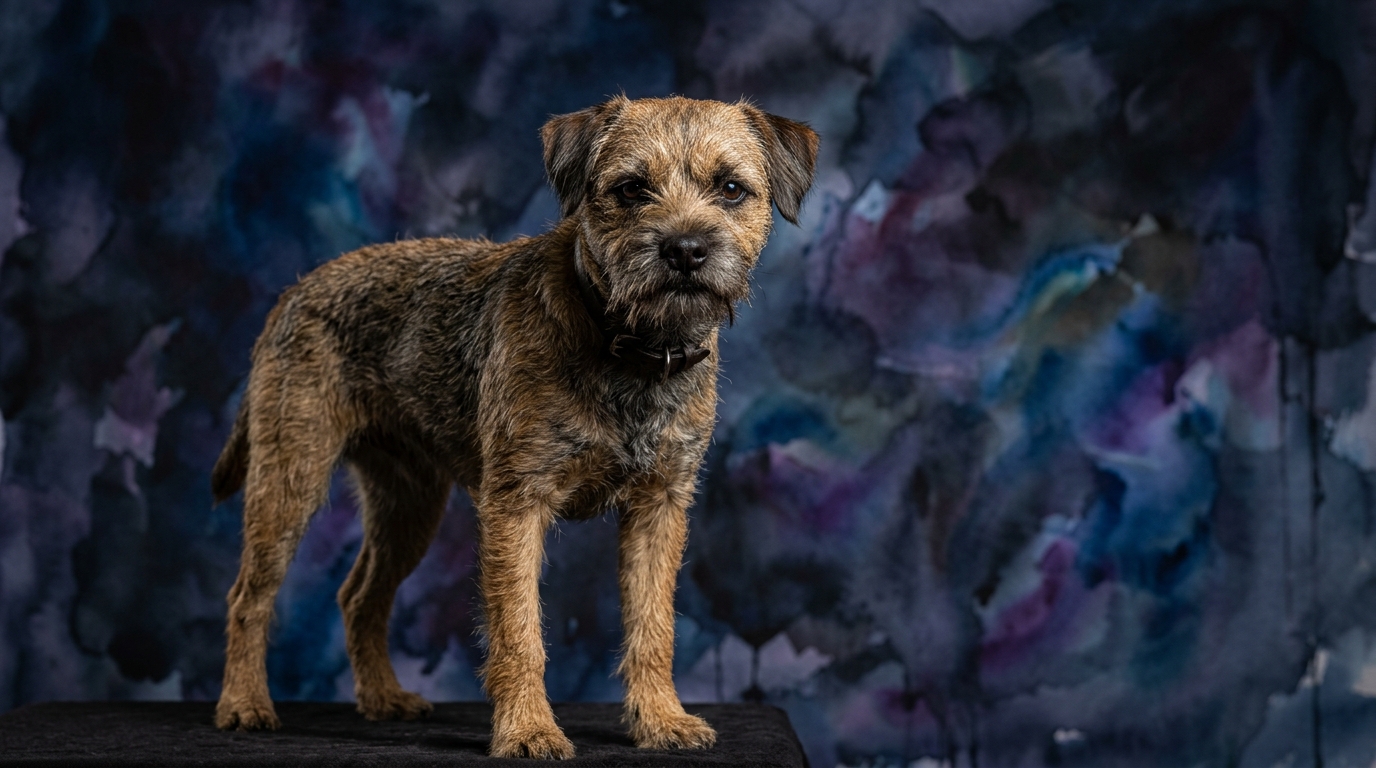
Side-by-side IQ Profile: Great Dane vs. Border Terrier
The Cosmic Pet Pet IQ Lab assesses canine intelligence across five key dimensions, revealing nuanced differences between breeds. Here’s a detailed look at how the Great Dane and Border Terrier stack up:
Great Dane (Coren Rank #48):
Problem Solving (3/5): Great Danes exhibit a moderate capacity for independent problem-solving. They navigate straightforward challenges directly, but intricate solutions often require guidance. Their approach tends to be more direct.
Training Speed (3/5): These gentle giants learn new commands and routines at a steady, deliberate pace. While receptive, they require more repetition and patience than faster-processing breeds.
Social Intelligence (4/5): This is a standout trait for Great Danes. They possess a deep understanding of human emotions and social cues, displaying remarkable empathy and an innate ability to connect with their family members. They discern subtle changes in mood and environment.
Instinctive Drive (3/5): Their instinctive drives are generally moderate. While retaining some protective instincts from their guarding heritage, their prey drive or territoriality is typically not as intense as breeds specifically bred for those tasks.
Memory (3/5): Great Danes show a solid, functional memory. They remember learned commands and past experiences reliably, though perhaps not with the exceptional detail or recall speed seen in some other breeds.
Border Terrier (Coren Rank #30):
Problem Solving (4/5): Border Terriers demonstrate a strong aptitude for problem-solving. They are often quick to figure out how to access desired objects, navigate obstacles, or manipulate their environment, reflecting their working heritage.
Training Speed (4/5): These agile terriers typically pick up new commands and complex sequences with impressive speed. Their eagerness and sharp focus enable quick absorption and implementation of new behaviors.
Social Intelligence (3/5): Border Terriers possess a good level of social intelligence, capable of forming strong bonds and understanding basic human interactions. However, their focus is often more task-oriented, and they might not exhibit the same depth of emotional attunement as some companion breeds.
Instinctive Drive (3/5): Their instinctive drives are moderately strong, particularly their prey drive, stemming from their original purpose of bolting foxes. While manageable, this drive requires consistent channeling and training, especially in environments with small animals.
Memory (4/5): Border Terriers exhibit excellent memory recall. They remember commands, routines, and past events with notable accuracy, aiding significantly in training and environmental adaptation.
Where the Great Dane Wins Cognitively
The Great Dane's most pronounced cognitive strength lies in their social intelligence (4/5). These gentle giants are master interpreters of human emotion and body language, often sensing distress or joy in their family members with an almost uncanny intuition. This superior social processing allows them to offer comfort precisely when needed, responding to subtle shifts in tone or demeanor. While other breeds might learn to react to cues, Great Danes seem to understand the underlying emotional context, fostering remarkably deep and empathetic bonds. This makes them exceptional companions for individuals seeking a deeply connected and responsive canine presence in their home.
Where the Border Terrier Wins Cognitively
The Border Terrier shines brightly in several cognitive domains where the Great Dane is slightly outpaced. Their problem-solving (4/5) capabilities are particularly noteworthy; these dogs are often described as clever and resourceful, adept at figuring out puzzles, opening cabinets, or finding creative ways to reach forbidden areas. This ingenuity stems from their history as independent working dogs, requiring them to think on their paws. Furthermore, their training speed (4/5) is impressive, allowing them to grasp new commands and complex sequences with remarkable quickness. Coupled with their memory (4/5), which supports excellent recall of learned behaviors, the Border Terrier demonstrates a formidable capacity for rapid learning and retention, making them highly receptive to advanced training and dog sports.
Which is Easier to Train and Why
When evaluating ease of training, the Border Terrier generally holds an edge due to its higher scores in training speed (4/5) and problem-solving (4/5). These attributes mean Border Terriers often pick up new commands and concepts faster, and their cognitive flexibility allows them to adapt to varied training scenarios. Their keen intelligence means they thrive on mental engagement and can quickly master complex tasks. However, their inherent terrier instinctive drive (3/5), particularly their prey drive, can sometimes present a challenge, requiring consistent, positive reinforcement to maintain focus amidst distractions.
In contrast, the Great Dane, with a training speed of 3/5, learns at a more deliberate pace. They absorb information steadily but require more repetitions and patience. Their strength lies in their strong social intelligence (4/5), which makes them highly motivated to please their human companions and fosters a cooperative spirit. While they may not learn as quickly, their desire for connection often translates into a willing partnership, making them responsive to gentle, consistent guidance, albeit over a longer period. Therefore, 'easier' depends on the trainer's approach: Border Terriers offer quicker initial learning, while Great Danes provide a cooperative, if slower, journey rooted in social bond.
Which Suits Active Owners vs. Relaxed Owners
The choice between a Great Dane and a Border Terrier often hinges on an owner's lifestyle and their capacity for providing mental and physical stimulation. A Border Terrier is an excellent match for active owners who enjoy engaging in various dog sports, extended hikes, or structured training sessions. Their combination of high problem-solving, quick learning, and moderate instinctive drive means they flourish with consistent mental challenges and opportunities to expend energy. Without adequate outlets, their ingenuity can lead to behaviors like digging or barking.
Conversely, the Great Dane, despite its imposing size, frequently suits relaxed owners or those seeking a more sedate companion. While they benefit from regular walks, their overall energy levels are often lower than many working breeds. Their exceptional social intelligence makes them content to be close to their family, often preferring a comfortable spot on the sofa to extensive, high-impact activities. Their cognitive profile suggests they thrive on companionship and routine over constant mental puzzles, ideal for calmer homes valuing deep social connection.
The Verdict
Choose a Great Dane if you prioritize a deeply empathetic, socially attuned companion who thrives on close connection and a more relaxed daily routine, appreciating their steady learning pace.
Opt for a Border Terrier if you seek a quick-witted, agile companion eager for mental challenges and structured activities, valuing their rapid learning and independent problem-solving abilities.
🧠 Find Your Pet's IQ Score
Our Pet IQ Lab assessment covers 25+ tests across 5 cognitive dimensions — personalized to your breed.
Take the Full IQ Test →Frequently Asked Questions
Do Great Danes require a lot of exercise despite their 'relaxed' nature?
While Great Danes are not typically high-energy dogs, they still require moderate, regular exercise to maintain health and prevent boredom. Daily walks and gentle play are essential, but they generally don't need the intense, prolonged activity of more athletic breeds.
How does the Border Terrier's instinctive drive impact their behavior at home?
The Border Terrier's instinctive drive, particularly their prey drive, means they can be prone to chasing small animals or exploring tunnels. At home, this manifests as digging, curiosity about small moving objects, or a need for secure fencing, requiring consistent training and management.
Can a Great Dane and a Border Terrier coexist peacefully in the same household?
Yes, with proper introductions and socialization, a Great Dane and a Border Terrier can coexist peacefully. Their differing energy levels and cognitive focuses can complement each other, but supervision is key given the size disparity and Border Terrier's potential prey drive.