Side-by-Side Cognitive Profiles
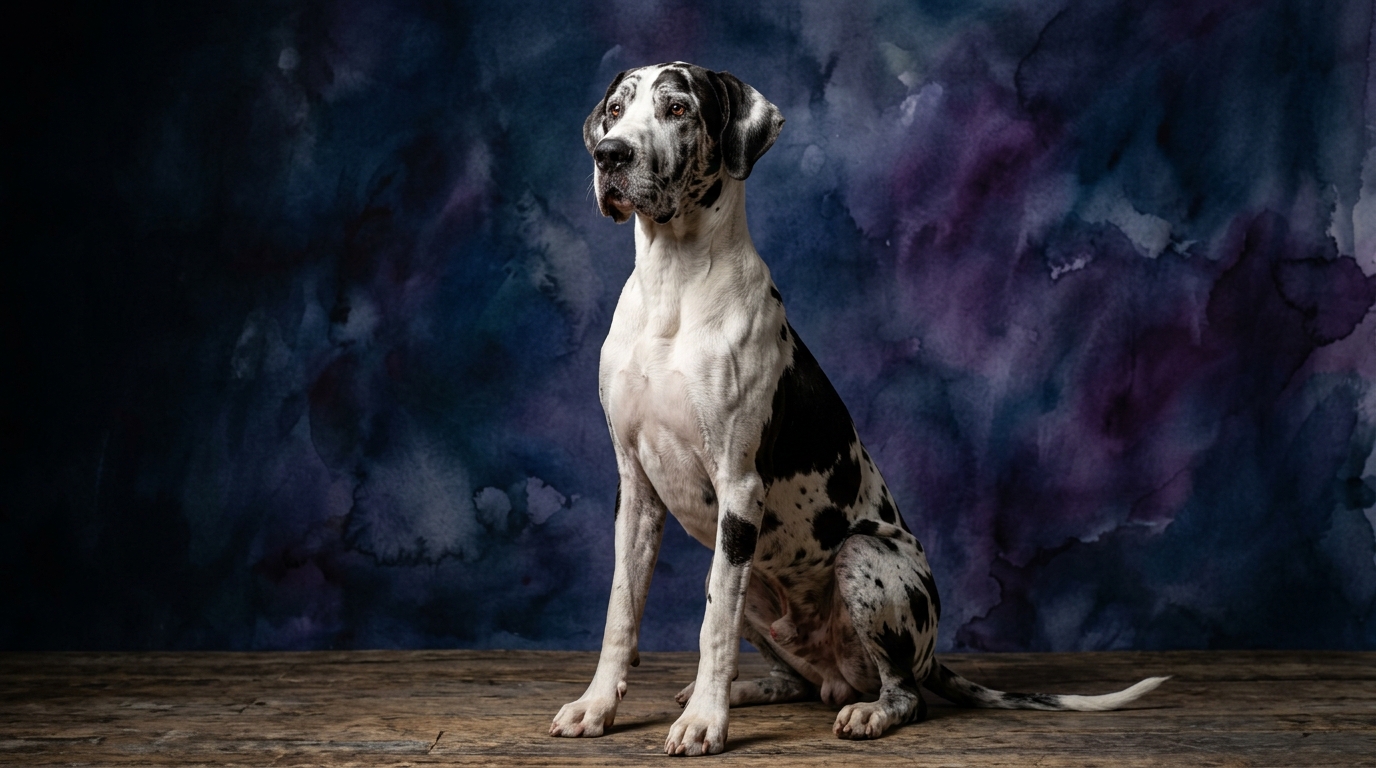
The Cosmic Pet Pet IQ Lab provides a comprehensive framework to understand the unique cognitive makeup of each breed, moving beyond general impressions to specific measurable dimensions. The Great Dane, a magnificent member of the Working Group, registers a Coren rank of #48, placing it firmly in the above-average category for working intelligence and obedience. Its cognitive profile reflects a balanced aptitude for engaging with its environment and human companions. For Problem Solving, the Great Dane scores 3 out of 5, indicating a solid capacity to navigate new situations and figure out solutions, though not always with immediate ingenuity. Its Training Speed is also 3 out of 5, suggesting a moderate pace for learning new commands and routines, requiring consistent, positive reinforcement. Where the Great Dane truly shines is in Social Intelligence, scoring an impressive 4 out of 5; these gentle giants are highly attuned to human emotions and social cues, fostering deep, empathetic bonds with their families. Instinctive Drive for the Great Dane is 3 out of 5, reflecting a moderate level of inherent behavioral patterns, historically linked to their original purpose. Finally, their Memory is rated at 3 out of 5, meaning they generally retain learned information and experiences quite well over time, contributing to their reliability.
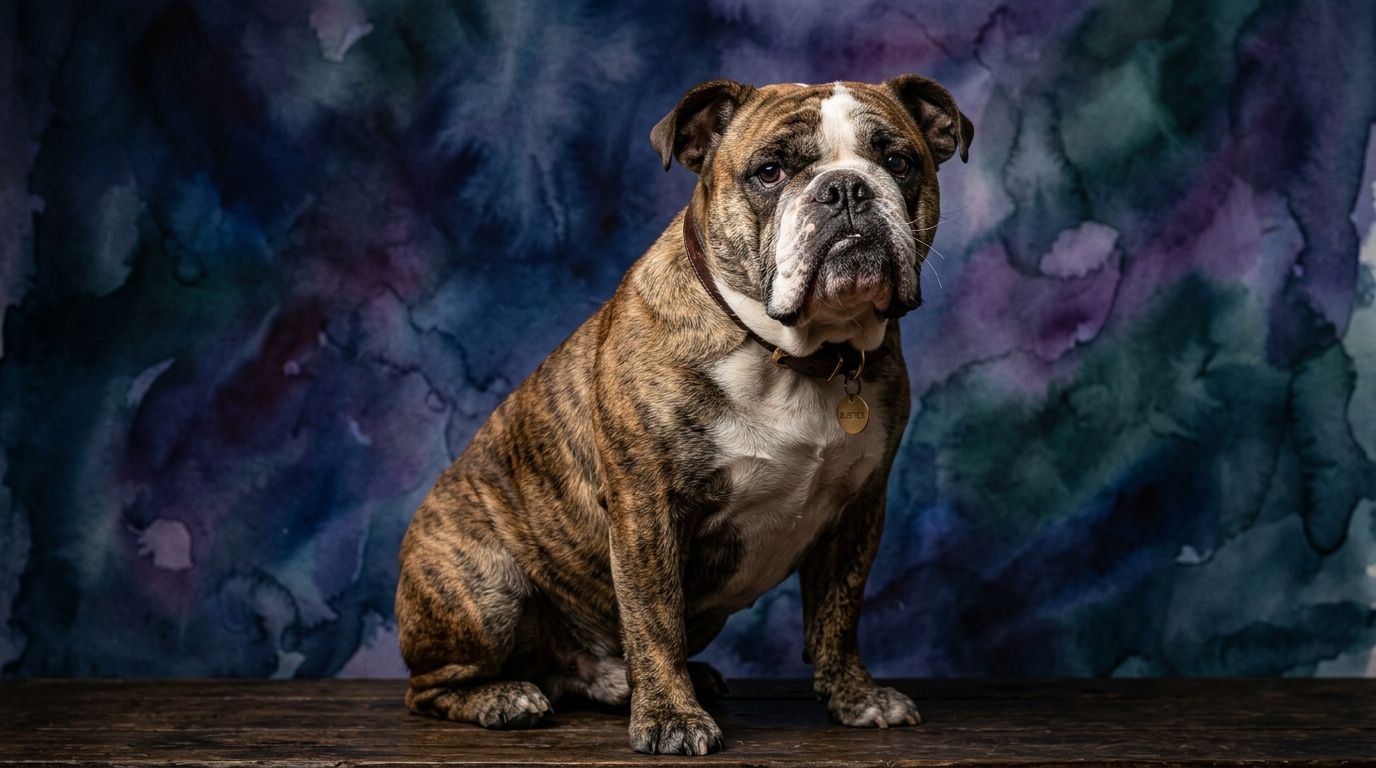
In contrast, the English Bulldog, a charming member of the Non-Sporting Group, holds a Coren rank of #77, placing it in the below-average category for working intelligence, a position often associated with breeds prized more for their companionship and specific temperaments than complex task performance. Its cognitive profile reveals a different set of strengths and challenges. For Problem Solving, the English Bulldog scores 2 out of 5, indicating a tendency to prefer established routines over devising novel solutions, and they can be less inclined to engage with complex puzzles independently. Their Training Speed is 2 out of 5, meaning they typically take longer to grasp new commands, often requiring more patience, repetition, and highly motivating rewards to solidify learning. However, like the Great Dane, the English Bulldog excels in Social Intelligence, also scoring 4 out of 5; they are remarkably adept at reading human moods and forming exceptionally strong, loyal bonds, often displaying a patient and gentle demeanor with their family members. Their Instinctive Drive is 3 out of 5, a moderate rating that, for a Bulldog, often translates to a strong sense of tenacity and determined play rather than a high-energy pursuit. Their Memory is rated at 2 out of 5, suggesting that while they do remember, they might require more frequent reinforcement to maintain recall and can sometimes be slower to forget negative associations.
Where the Great Dane Wins Cognitively
The Great Dane’s cognitive edge becomes apparent in several key areas, largely driven by its higher scores in adaptive learning and retention. With a Problem Solving score of 3/5 compared to the Bulldog’s 2/5, Great Danes demonstrate a greater aptitude for navigating novel situations and independently figuring out solutions, whether it’s opening a gate or understanding a multi-step command. This means they are often more resourceful when faced with unexpected challenges in their environment. Their Training Speed of 3/5, a point higher than the Bulldog’s 2/5, translates to a more efficient learning process; Great Danes typically pick up new commands and routines more quickly, requiring fewer repetitions to achieve proficiency. This makes them more amenable to varied obedience training, learning tricks, or participating in dog sports that demand a broader behavioral repertoire. Furthermore, the Great Dane’s Memory score of 3/5, also higher than the Bulldog’s 2/5, indicates a more robust capacity for retaining a wider array of learned behaviors and experiences over time. This contributes to their reliability in recalling commands even after a period of inactivity, making them generally more consistent in their responses once trained.
Where the English Bulldog Wins Cognitively
While the English Bulldog’s profile shows lower scores in problem-solving, training speed, and memory, its cognitive strengths lie in areas that prioritize steadfast companionship and predictable temperament. The Bulldog matches the Great Dane with an outstanding Social Intelligence score of 4/5. For the Bulldog, this manifests as an exceptional ability to integrate into family life, offering unwavering loyalty and a remarkable patience with children and other pets. Their social acumen makes them highly empathetic companions, adept at providing comfort and forming deep, intuitive bonds that require less overt instruction. Their Instinctive Drive, rated equally at 3/5, often translates into a determined and tenacious spirit, particularly in play or when focused on a desired comfort, rather than a drive for complex tasks. This tenacity, while sometimes perceived as stubbornness in training, can also be a strength, ensuring they are steadfast once a routine is established. Furthermore, their lower Problem Solving (2/5) can ironically be a 'win' for owners seeking a less mischievous companion; a Bulldog is less likely to figure out how to open cabinets or unlock doors, contributing to a more predictable and often calmer household environment. Their placid and stoic temperament, a cognitive trait influencing their emotional regulation, makes them ideal for serene home environments where constant mental stimulation isn't the primary focus.
Training Ease: Great Dane vs. English Bulldog
When considering ease of training, the Great Dane generally presents a more straightforward experience due to its higher scores in Training Speed (3/5) and Problem Solving (3/5). These factors mean Great Danes are typically more receptive to learning new commands and can generalize behaviors to different contexts more readily. Their strong Social Intelligence (4/5) often translates into a desire to please their human companions, further motivating them during training sessions. They respond well to positive reinforcement and consistent methods, often picking up basic obedience commands relatively quickly and enjoying the mental engagement that training provides. Their ability to retain information effectively (Memory 3/5) means less need for constant re-teaching once a command is mastered.
The English Bulldog, with its Training Speed of 2/5 and Problem Solving of 2/5, requires a different approach to training that emphasizes patience, consistency, and high-value motivation. Bulldogs can be perceived as stubborn, but this is often their tenacity at play; once they understand *what* is being asked and *why* it's beneficial, they can be remarkably reliable. However, the initial learning phase demands more repetition and creativity from the trainer to keep them engaged. Their lower memory score (2/5) means that new behaviors need to be practiced frequently to solidify recall. Successful training with a Bulldog hinges on making the process enjoyable and rewarding, utilizing their high social intelligence to foster cooperation rather than relying on their quick cognitive uptake. They thrive on routine, so once a behavior is ingrained, it tends to stick, albeit after a longer initial learning curve.
Suitability for Active vs. Relaxed Owners
The distinct cognitive profiles of the Great Dane and English Bulldog make them suitable for different owner lifestyles. Great Danes, with their balanced Problem Solving (3/5), Training Speed (3/5), and strong Social Intelligence (4/5), are better suited for owners who enjoy engaging in varied activities, including regular mental stimulation through training, puzzle toys, and exploring new environments. While not inherently hyperactive, their cognitive capacity benefits from consistent engagement and opportunities to learn, making them excellent companions for owners who can participate in a range of activities beyond just physical exercise. They thrive in households where their social intelligence is reciprocated with interactive play and consistent guidance, making them adaptable companions for moderately active families.
Conversely, the English Bulldog’s cognitive makeup aligns perfectly with owners seeking a more relaxed and predictable companion. Their lower Problem Solving (2/5) and Training Speed (2/5) mean they are content with established routines and require less constant mental 'work' to feel fulfilled. Their exceptional Social Intelligence (4/5) makes them superb companions for quiet evenings at home, content to be near their family and soak up affection. Owners who appreciate a dog with a placid, steadfast temperament and are prepared to offer patient, consistent training for basic manners will find the Bulldog to be an ideal match. They are best suited for households that prioritize comfort, companionship, and a calmer pace of life, where their unique brand of loyalty can truly flourish.
The Verdict
Choose a Great Dane if you seek a companion with a balanced cognitive profile, capable of quicker learning and problem-solving, and who thrives on moderate mental engagement and varied activities. They are ideal for owners who enjoy consistent training and an interactive bond.
Opt for an English Bulldog if you value unwavering loyalty, a placid temperament, and a predictable companion who excels in social bonding within a relaxed home environment. They are best for owners prepared to offer patient, consistent training and cherish a steadfast presence.
🧠 Find Your Pet's IQ Score
Our Pet IQ Lab assessment covers 25+ tests across 5 cognitive dimensions — personalized to your breed.
Take the Full IQ Test →Frequently Asked Questions
Are Great Danes good with children?
Yes, Great Danes often display remarkable patience and gentleness with children, owing to their high social intelligence. Their calm demeanor and protective instincts, combined with their ability to read social cues, generally make them excellent family companions, though supervision is always advised due to their sheer size.
Are English Bulldogs difficult to train?
English Bulldogs can present a greater challenge in training due to their lower training speed and problem-solving scores, often requiring more patience and repetition. However, their tenacity means that once they understand a command and are consistently motivated with positive reinforcement, they can be very reliable and well-behaved.
Which breed needs more exercise?
Great Danes generally require moderate daily exercise to maintain their physical and mental well-being, including walks and opportunities for play. English Bulldogs, due to their brachycephalic nature and build, require less intense exercise and are prone to overheating, making shorter, regular strolls more suitable for their needs.