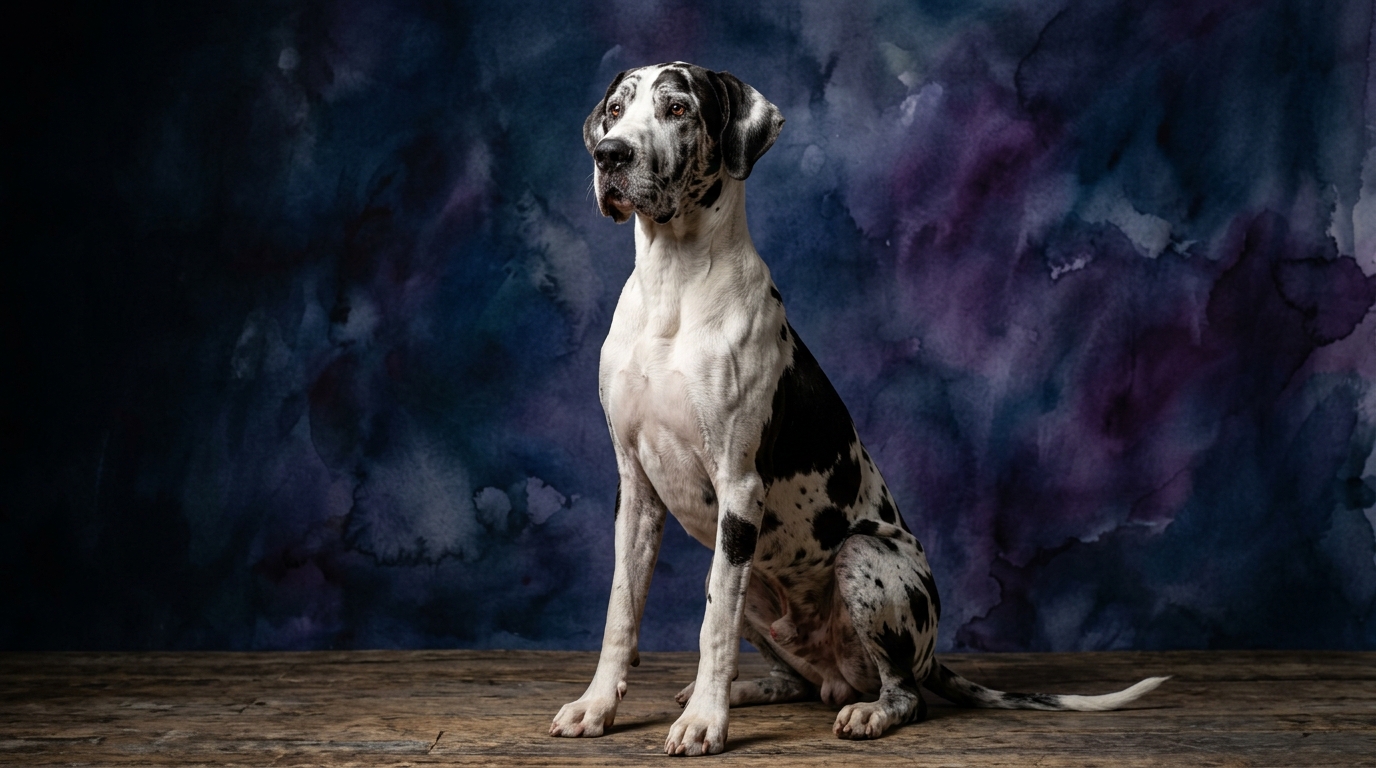
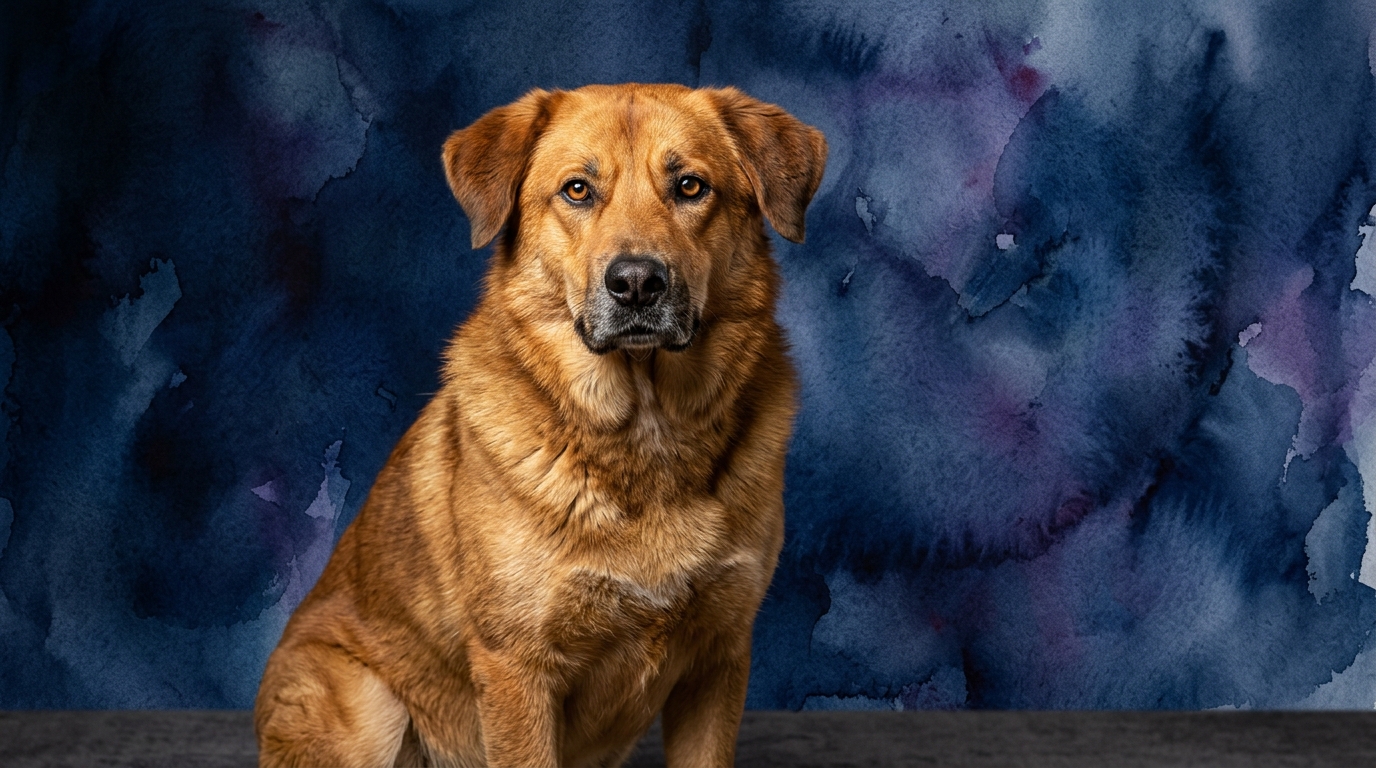
Side-by-Side IQ Profile
The Cosmic Pet IQ Lab's framework evaluates five key cognitive dimensions. For the Great Dane, we observe a problem-solving capacity rated at 3/5, indicating they can navigate moderate challenges but might not always innovate complex solutions independently. Their training speed also sits at 3/5, suggesting a steady learning pace that requires consistent, clear guidance. Where the Great Dane truly shines is in social intelligence, scoring 4/5; this reflects a profound understanding of human emotions and cues, fostering deep companionship. Instinctive drive is rated 3/5, meaning they possess inherent working traits, but these are often channeled through their social bond, while memory, at 3/5, allows them to retain learned behaviors and experiences reliably.
The Chinook, a less widely known working breed, shares some cognitive parallels but with distinct nuances. Like the Great Dane, their problem-solving ability is rated 3/5, signifying a practical approach to overcoming obstacles without excessive mental gymnastics. Their training speed also registers 3/5, indicating they learn at a comparable pace, valuing repetition and positive reinforcement. Social intelligence for the Chinook is rated 3/5; while capable of strong bonds, they may interpret human signals with a slightly more utilitarian perspective than the Great Dane. Instinctive drive, at 3/5, is a core aspect of their identity, deeply rooted in their sledding heritage, and their memory, also 3/5, ensures they remember tasks and routines essential for their working roles.
Where Great Dane Wins Cognitively
The Great Dane's most pronounced cognitive advantage lies in their superior social intelligence, scoring 4/5 compared to the Chinook's 3/5. This higher rating translates into a remarkable capacity for emotional attunement; a Great Dane is often described as highly sensitive to their owner's mood, capable of offering comfort or adjusting their behavior based on subtle human cues. This empathetic understanding extends to their interactions with strangers and other animals, allowing them to navigate complex social situations with grace and often a gentle diplomacy, making them excellent therapy or assistance dogs where nuanced social interaction is paramount.
This enhanced social intelligence also influences their problem-solving in human-centric scenarios. While their general problem-solving score is 3/5, their ability to “read” their people means they might more quickly deduce what a human wants from them in a novel situation, or even anticipate needs, appearing to “solve” a human problem by offering assistance or companionship. Their 4/5 social intelligence fosters a deep desire to please and connect, which, while not directly impacting raw problem-solving speed, significantly enhances their cooperative learning and willingness to engage in shared activities, making them highly responsive companions in a family setting.
Where Chinook Wins Cognitively
While the Chinook matches the Great Dane in problem-solving and training speed, and has a slightly lower social intelligence score, their particular cognitive profile, especially their 3/5 instinctive drive, manifests as a distinct advantage in specific working contexts. Their heritage as sled dogs forged a mentality focused on steady effort and resilience. This means their problem-solving (3/5) is often applied with a practical, task-oriented focus, enabling them to consistently overcome physical obstacles or logistical challenges in a persistent, methodical manner, rather than relying heavily on social cues for motivation or direction.
The Chinook's cognitive strength lies in their self-reliance and focused application of their intelligence. Their 3/5 instinctive drive is not just about raw energy, but about a deep-seated desire to perform a job, often with less need for constant human affirmation or social feedback than a Great Dane might seek. This makes them excel in activities requiring sustained focus and independent decision-making within a structured task, such as long-distance trekking, carting, or even search and rescue, where the ability to work steadily and make sensible choices without immediate human intervention is highly valued. Their cognitive strengths are geared towards endurance and purpose.
Which is Easier to Train and Why
Both the Great Dane and the Chinook share a 3/5 rating for training speed, suggesting they learn at a moderate, steady pace. However, the Great Dane's superior social intelligence (4/5 versus Chinook's 3/5) often makes the process of training feel smoother and more rewarding for the owner. A Great Dane's heightened ability to read human body language, vocal tone, and emotional states means they are more likely to pick up on subtle cues and intentions during training sessions, fostering a more intuitive partnership. Their strong desire to connect and please their human further motivates them to comply and engage, even when facing a challenging new command.
The Chinook, while equally capable of learning, might require a trainer to be more explicit and consistent in their communication, as they rely less on nuanced social signals for understanding. Their 3/5 social intelligence means they may be more focused on the task itself rather than the social dynamic with the trainer. This isn't a deficit, but a difference in approach; Chinook owners might find that highly structured, consistent training methods that appeal to the breed's working drive yield the best results. While both breeds eventually grasp commands, the Great Dane's inherent social grace can make the journey of learning feel more collaborative and less like a directive.
Which Suits Active Owners vs Relaxed Owners
For the relaxed owner seeking a devoted, emotionally attuned companion, the Great Dane's cognitive profile aligns beautifully. Their 4/5 social intelligence makes them ideal family members, thriving on close human interaction and often content to be a gentle presence by their owner's side. While they do require regular exercise, their substantial size often means they are not suited for highly strenuous, continuous activity, preferring instead a good walk followed by ample cuddle time. Their cognitive strengths are best appreciated in environments where companionship and emotional responsiveness are prioritized over demanding physical tasks or independent problem-solving.
Conversely, the Chinook, with its 3/5 instinctive drive and practical problem-solving, is an excellent match for active owners who enjoy engaging in structured outdoor activities. This breed thrives when given a purpose, whether it's hiking, skijoring, or participating in dog sports that leverage their endurance and steady focus. While they form strong bonds, their social intelligence is more utilitarian, meaning their contentment often stems from shared activities and working alongside their owner, rather than purely from passive companionship. Owners who appreciate a dog that can think for itself within a task and maintain focus on a goal will find the Chinook's cognitive makeup particularly rewarding.
The Verdict
Opt for the Great Dane if you prioritize a deeply empathetic, socially intelligent companion who thrives on close emotional connection and a more relaxed, gentle pace of life, offering intuitive comfort and companionship.
Select the Chinook if you're an active individual or family seeking a resilient, task-oriented partner who excels in outdoor pursuits and purposeful activities, valuing a dog's self-reliance and steady focus.
🧠 Find Your Pet's IQ Score
Our Pet IQ Lab assessment covers 25+ tests across 5 cognitive dimensions — personalized to your breed.
Take the Full IQ Test →Frequently Asked Questions
Are Great Danes and Chinooks good with children?
Great Danes, with their 4/5 social intelligence, often display exceptional patience and gentleness with children, intuitively understanding boundaries. Chinooks, at 3/5 social intelligence, can be good family dogs, but may require more supervision and consistent guidance to ensure appropriate interactions, valuing respect for their space.
Do Great Danes or Chinooks require more mental stimulation?
Both breeds have a 3/5 problem-solving score, indicating a need for moderate mental engagement. Great Danes might benefit from puzzle toys that involve human interaction, leveraging their social intelligence. Chinooks thrive on activities that tap into their instinctive drive, such as training for a specific task or exploring new environments on a structured walk.
How do their memory scores (3/5 for both) impact their daily lives?
A memory score of 3/5 means both breeds reliably retain routines, commands, and experiences. For Great Danes, this reinforces their understanding of household rules and social expectations. For Chinooks, it ensures they remember learned tasks and routes, making them dependable partners in consistent activities and familiar environments.