Side-by-Side Cognitive Profiles
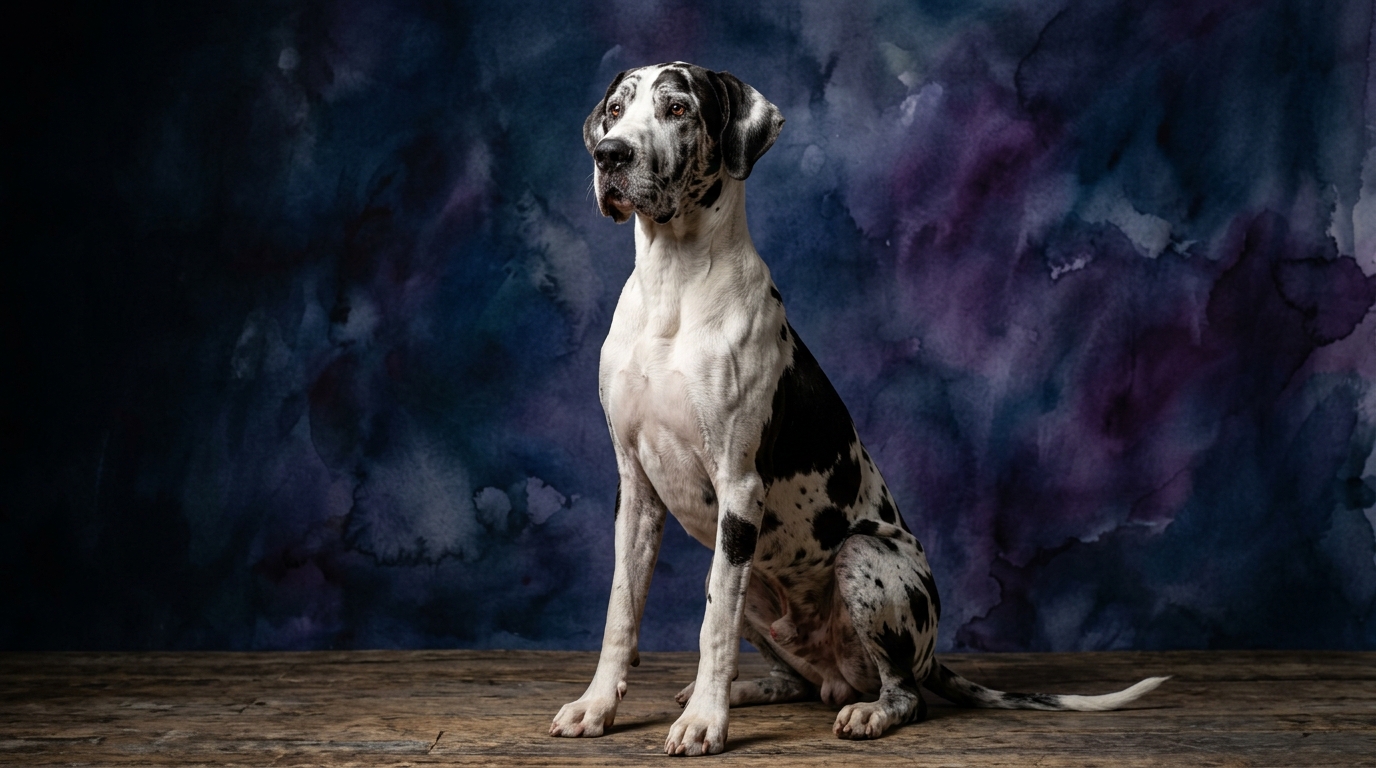
The Great Dane, a magnificent breed ranking #48 in the Coren intelligence scale, presents a unique cognitive blueprint. Their Problem Solving ability is rated at 3/5; they can learn to navigate obstacles or simple puzzle toys but might rely more on their human companions for guidance in novel situations rather than inventing complex solutions on the fly. Training Speed also stands at 3/5, indicating they absorb new commands at a moderate pace, requiring consistency and positive reinforcement as they can be sensitive. A strong suit for the Great Dane is their Social Intelligence, rated 4/5; they are acutely aware of human emotions and social cues, often displaying empathy and forming deep bonds with their family members, understanding the nuances of household dynamics. Their Instinctive Drive is 3/5, generally expressing itself in guarding behaviors or a desire to be near their people rather than intense prey drive. Memory for Great Danes is 3/5; they have a functional recall for learned commands and routines, but perhaps not the exceptional retention for intricate sequences that some breeds exhibit.
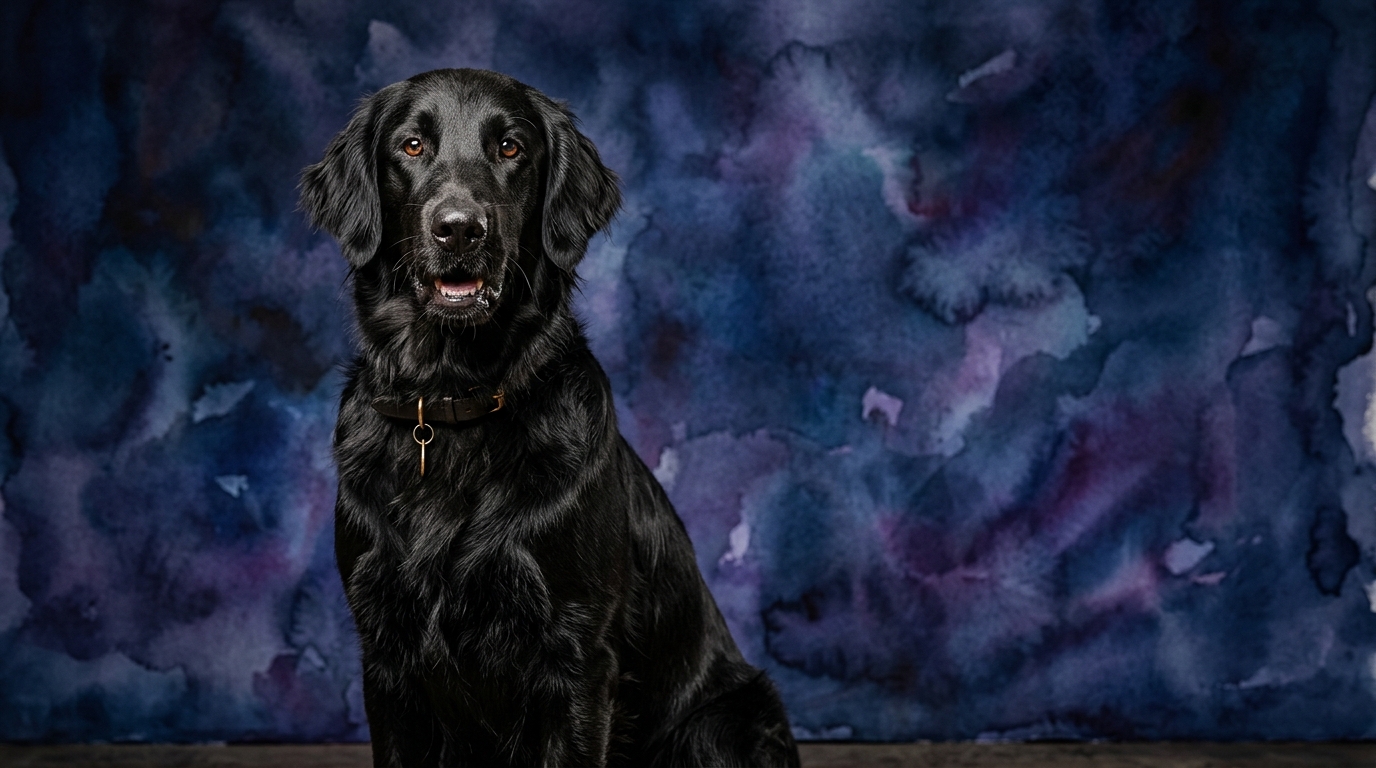
The Flat-Coated Retriever, a lively Sporting breed ranking #17 on the Coren scale, showcases a different set of cognitive strengths. Their Problem Solving ability is 4/5, demonstrating a greater aptitude for figuring things out independently, whether it's bypassing a gate latch or retrieving a toy from a tricky spot. With a Training Speed of 4/5, Flat-Coats pick up new tasks quickly, often eager to please and highly motivated by interaction and rewards, though their enthusiasm requires focused sessions. Their Social Intelligence is 3/5; while friendly and outgoing, it's more focused on engaging with everyone rather than deep emotional attunement to a single individual's subtle cues. Instinctive Drive is 3/5, manifesting as a desire to retrieve and explore, which is generally manageable. An outstanding cognitive trait for the Flat-Coated Retriever is Memory, rated an impressive 5/5; they possess exceptional recall for past experiences, training sequences, and locations, making them highly reliable once a behavior is learned and reinforced.
Where the Great Dane Wins Cognitively
The Great Dane's primary cognitive advantage lies in its superior social intelligence. At 4/5, their capacity to interpret human emotions and social dynamics is notable. This translates into a profound understanding of their family's mood, often leading them to offer comfort or adjust their behavior based on subtle cues. They excel at being deeply attuned companions, sensing when a quiet presence is needed or when a playful nudge is welcome. This emotional sensitivity and ability to navigate complex social interactions within a household set them apart, making them exceptionally empathetic members of the family unit. Their comprehension of human intentions and feelings fosters a unique bond, allowing them to anticipate needs and react with gentle consideration, a cognitive strength that underscores their role as perceptive companions.
Where the Flat-Coated Retriever Wins Cognitively
The Flat-Coated Retriever demonstrably outperforms the Great Dane in two crucial cognitive areas: problem-solving and memory. With a 4/5 rating in problem-solving, they exhibit a greater inclination to independently devise solutions to novel challenges, such as figuring out how to access a toy or navigate a complex environment. This breed's intrinsic curiosity drives them to explore and experiment, leading to more self-directed learning in practical situations. Their memory, rated an impressive 5/5, is a standout trait, enabling them to retain training, routines, and past experiences with remarkable accuracy and longevity. This exceptional recall means that once a concept or command is mastered, it tends to stick, contributing significantly to their reliability and efficiency in learned tasks.
Training Dynamics: Ease and Approach
The Flat-Coated Retriever generally presents as the easier breed to train, largely due to its higher scores in both training speed (4/5) and memory (5/5). Their enthusiasm for engagement and their quick grasp of new concepts mean they absorb commands and behaviors at a faster rate. Coupled with their exceptional memory, once a lesson is learned, it is retained with great fidelity, reducing the need for constant review and reinforcement. This translates into quicker progress through training curricula and a more reliable response to cues in various environments. Their eager-to-please nature and robust physical energy make them receptive to training methods that incorporate activity and positive reinforcement, often seeing training as a joyful partnership.
Conversely, the Great Dane, with its 3/5 scores in both training speed and memory, requires a more patient and consistent approach. While capable of learning, they might take longer to fully grasp new commands and may need more frequent reinforcement to solidify their recall. Their sensitivity means that harsh training methods are counterproductive; positive reinforcement, clear communication, and short, engaging sessions are most effective. Their training journey often benefits from leveraging their strong social intelligence, making training a bonding experience rather than a strict task. While they become well-behaved companions, the path to achieving desired behaviors typically demands more time and a nuanced understanding of their gentle temperament compared to the Flat-Coated Retriever's more immediate responsiveness.
Matching Breeds to Lifestyles
For active owners seeking a canine partner for adventures and regular engagement, the Flat-Coated Retriever is an excellent match. Their inherent zest for life, combined with a quick learning ability and a strong desire to participate, makes them ideal for activities like hiking, retrieving games, agility, or even competitive obedience. They thrive on consistent physical and mental stimulation, transforming their abundant energy into focused, joyful participation. Owners who enjoy spending significant time outdoors and can provide structured activities will find the Flat-Coat to be a tireless and enthusiastic companion, eager to share in every experience.
The Great Dane, on the other hand, is better suited for more relaxed owners who appreciate a calm, dignified presence within the home. While they do require regular walks and play, their energy levels are generally lower and their exercise needs less demanding than a Flat-Coat's. They are content with moderate activity followed by extended periods of lounging with their family, often seeking proximity and comfort. Their social intelligence makes them adept at fitting into a relaxed household rhythm, providing quiet companionship and emotional support. Owners who value a gentle, affectionate giant that enjoys cozy evenings and predictable routines will find the Great Dane a perfect fit, offering a serene and deeply bonded partnership.
The Verdict
Choose a Great Dane if you prioritize a deeply empathetic companion who excels at understanding human emotions and offers a calm, affectionate presence, requiring moderate exercise.
Opt for a Flat-Coated Retriever if you seek an enthusiastic, quick-witted partner for active pursuits, valuing exceptional memory and independent problem-solving capabilities.
🧠 Find Your Pet's IQ Score
Our Pet IQ Lab assessment covers 25+ tests across 5 cognitive dimensions — personalized to your breed.
Take the Full IQ Test →Frequently Asked Questions
Do Great Danes need a lot of exercise despite their calm demeanor?
While Great Danes are not high-energy dogs, they still require regular, moderate exercise to maintain their health and well-being. Daily walks and opportunities for play are essential to prevent obesity and keep their large joints healthy, but they don't demand intense, prolonged activity.
Are Flat-Coated Retrievers good family dogs, given their active nature?
Yes, Flat-Coated Retrievers are generally excellent family dogs, known for their cheerful disposition and patience with children. Their active nature means they thrive in homes where they receive plenty of interaction and engagement, often involving the whole family in their playful antics.
What specific training challenges might an owner face with a Great Dane?
Great Dane owners might find challenges in their moderate training speed and memory, requiring extra patience and consistent positive reinforcement. Their sheer size also means early socialization and leash training are crucial, as an untrained adult can be difficult to manage physically.