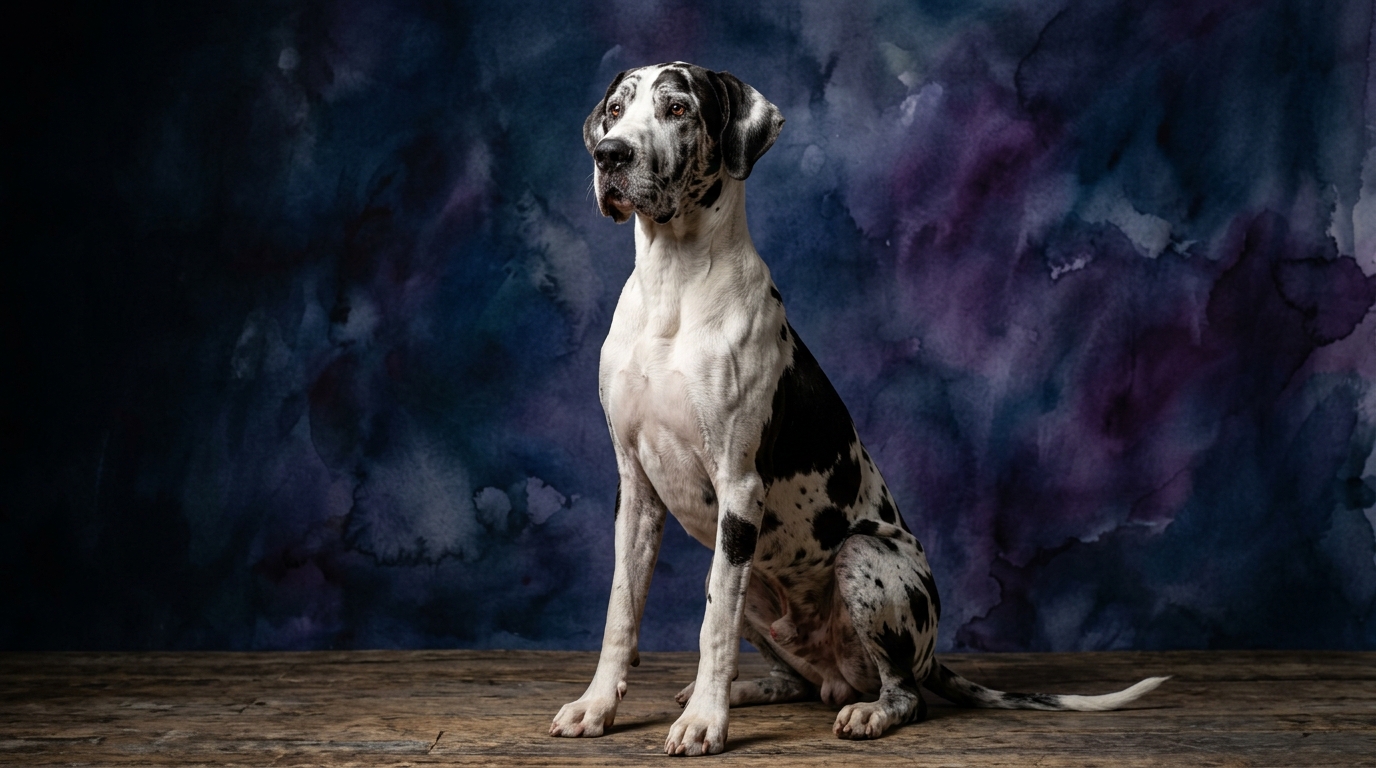
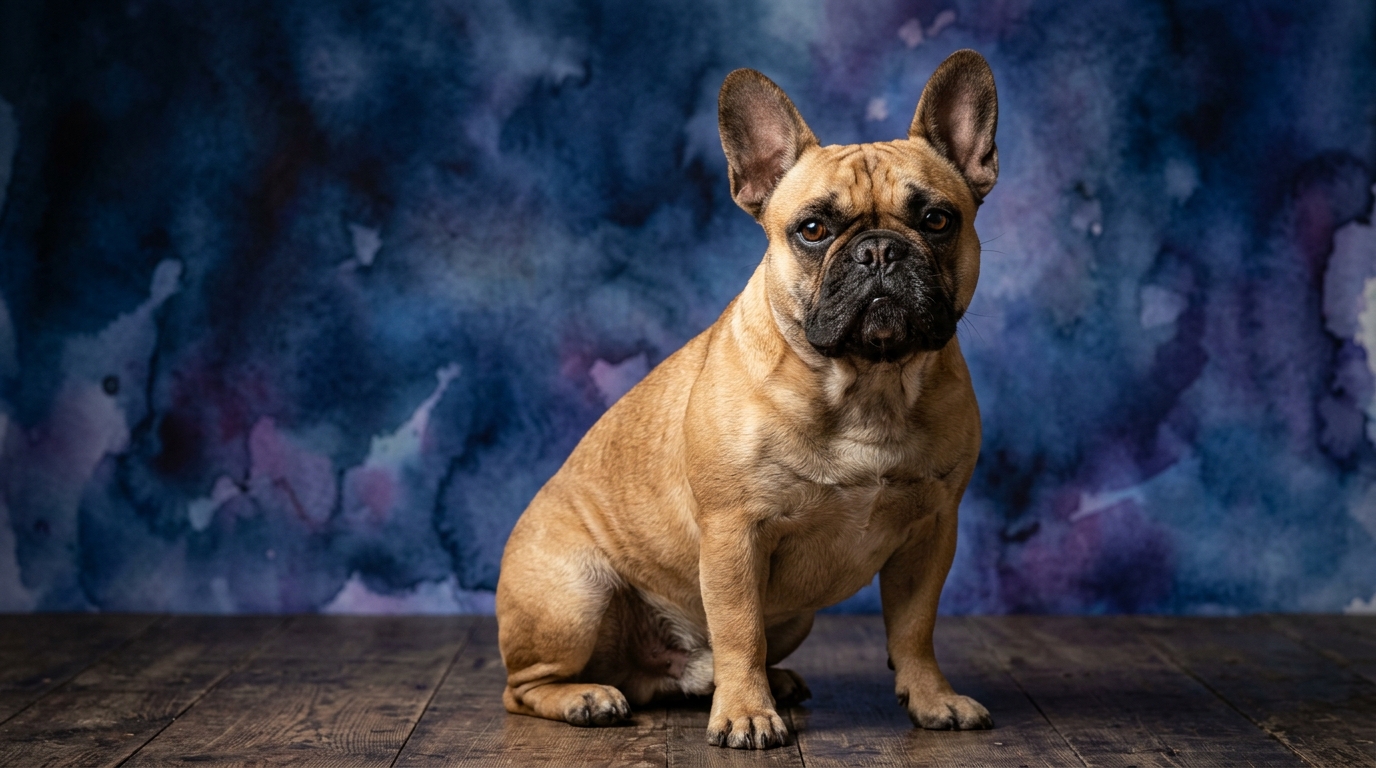
Side-by-Side IQ Profile: Great Dane vs. French Bulldog
At The Cosmic Pet Pet IQ Lab, we analyze canine cognition across five key dimensions. For the Great Dane, a Working group dog with a Coren rank of #48, their cognitive breakdown includes Problem Solving 3/5, Training Speed 3/5, Social Intelligence 4/5, Instinctive Drive 3/5, and Memory 3/5. This profile suggests a solid capacity for understanding and executing tasks, coupled with a notable attunement to their human family.
The French Bulldog, a Non-Sporting breed not listed in Coren's ranking, presents a slightly different cognitive fingerprint. Their scores are Problem Solving 3/5, Training Speed 3/5, Social Intelligence 5/5, Instinctive Drive 2/5, and Memory 3/5. This indicates a profound social awareness and a lower drive for tasks typically associated with working breeds, focusing more on companionship and comfort.
Where the Great Dane Excels Cognitively
The Great Dane's Coren rank of #48 places them among breeds that demonstrate a consistent ability to learn and follow commands with reasonable repetition, indicating a strong foundation in obedience and working intelligence. While their problem-solving score is 3/5, their working group background suggests a cognitive approach that often involves navigating their physical environment purposefully, perhaps in ways that require more deliberate spatial reasoning due to their imposing size.
Their moderate instinctive drive (3/5) also provides a cognitive edge in certain contexts. This drive, encompassing traits like a desire to guard or a natural inclination towards structured activity, can translate into a more focused engagement when presented with tasks that have a clear purpose. This inherent motivation can make them more receptive to learning commands that involve a specific function, allowing them to channel their natural inclinations into cognitive challenges.
Where the French Bulldog Shines Cognitively
The French Bulldog's exceptional social intelligence, scoring a perfect 5/5, is their standout cognitive strength. This indicates an extraordinary ability to interpret human moods, intentions, and even subtle non-verbal cues. They are remarkably adept at understanding the emotional landscape of their household, allowing them to adapt their behavior to maintain harmony and maximize positive interactions.
This superior social understanding means French Bulldogs often learn not just through explicit instruction but also through keen observation of human behavior and emotional responses, making them incredibly intuitive companions. Their lower instinctive drive (2/5) can also be a unique cognitive advantage in a domestic setting; with fewer inherent urges like chasing or territorial patrolling, they can dedicate more cognitive resources to social bonding and comfort-seeking, making them highly focused on their human relationships.
Trainability: Great Dane vs. French Bulldog
Both breeds share a Training Speed score of 3/5, suggesting they learn at a moderate pace, but their underlying cognitive strengths dictate different training approaches. The Great Dane, with its Working group heritage and Coren rank, generally responds well to clear, consistent commands and positive reinforcement. Their moderate social intelligence means they form strong bonds with their trainers and can be motivated by a desire to please, especially when training provides structure and a sense of purpose. Their sheer size makes early and consistent training in manners and obedience crucial for safety and harmonious living, and they thrive on patience and repetition.
The French Bulldog, while also scoring 3/5 in training speed, leverages its superior social intelligence for learning. They are highly motivated by human approval, praise, and interactive play, often appearing eager to comply once they understand what is expected. Their sensitivity to human emotions means harsh methods are counterproductive; training must be engaging, fun, and consistently positive to maintain their focus. While they can sometimes appear to have an independent streak, this often reflects a need for highly stimulating and rewarding training sessions rather than a lack of cognitive capacity. Their lower instinctive drive means fewer distractions from inherent urges, potentially simplifying the focus of domestic training.
Lifestyle Match: Active vs. Relaxed Owners
The Great Dane, despite its imposing stature, is often described as a 'gentle giant' and does not typically require high-intensity, constant activity. They need regular, moderate exercise, such as daily walks and playtime, to maintain their physical health and mental well-being. Their moderate instinctive drive means they can enjoy structured activities or even a bit of 'work' if provided, appreciating a sense of purpose. They suit owners who enjoy consistent daily routines, have ample space for a large dog, and are prepared for a companion that appreciates both engaging activities and quiet companionship indoors. They are an excellent fit for owners who desire a dog that can participate in purposeful family life but is also content to lounge beside them.
The French Bulldog, in contrast, is an ideal match for more relaxed owners. Their exercise needs are minimal, typically satisfied with short, leisurely walks and indoor play sessions. Their low instinctive drive means they are not generally driven by strong urges to hunt or herd, preferring to be close to their human companions. Their exceptional social intelligence means they thrive on constant human interaction and attention, making them perfect for owners who want an affectionate, constant shadow. They are well-suited for individuals or families who are frequently home, live in smaller spaces, and prioritize intimate companionship and connection over rigorous outdoor adventures.
The Verdict
Opt for a Great Dane if you seek a majestic companion capable of engaging in moderate, purposeful activities, value a dog with a strong connection to its family, and are prepared for a large breed that thrives on consistent, patient guidance.
Select a French Bulldog if your lifestyle leans towards relaxed companionship, you desire an exceptionally socially intuitive dog that thrives on human connection, and you appreciate a compact breed with minimal exercise demands.
🧠 Find Your Pet's IQ Score
Our Pet IQ Lab assessment covers 25+ tests across 5 cognitive dimensions — personalized to your breed.
Take the Full IQ Test →Frequently Asked Questions
Are Great Danes difficult to train due to their size?
While their size necessitates good manners training for safety and practicality, Great Danes possess a moderate training speed and respond well to consistent, positive reinforcement. Their Coren rank suggests a solid capacity for obedience, making them quite trainable with the right approach and patience.
Do French Bulldogs have a stubborn streak in training?
French Bulldogs can sometimes appear stubborn, but this often stems from their strong preference for engaging, positive interactions and a lower tolerance for repetitive, unrewarding tasks. Training them effectively requires making it fun, rewarding, and leveraging their exceptional social intelligence to motivate them.
How does social intelligence impact daily life for these breeds?
For the Great Dane, their strong social intelligence means they are highly attuned to family dynamics and human emotions, making them sensitive and empathetic companions. For the French Bulldog, their superior social intelligence allows them to interpret human cues with remarkable accuracy, fostering deep bonds and enabling them to seamlessly integrate into their human families' lives.