Side-by-Side IQ Profile: Great Dane vs. Jack Russell Terrier
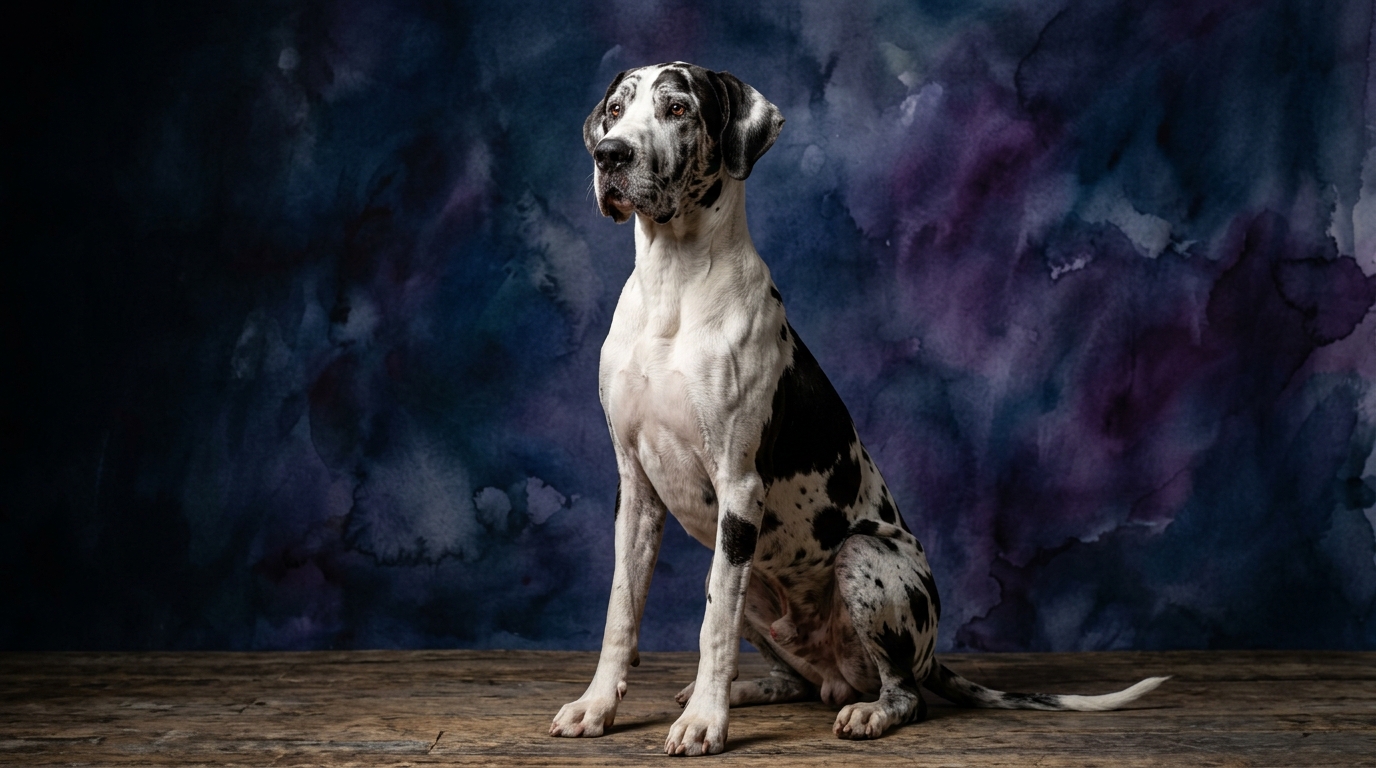
The Great Dane, ranked #48 by Coren, demonstrates a balanced cognitive profile. Their Problem Solving is rated 3/5, suggesting a moderate ability to navigate novel situations, often requiring a more deliberate approach or owner guidance. Training Speed also sits at 3/5, indicating they are trainable but benefit from consistent repetition. Where they truly shine is Social Intelligence at 4/5, showing a strong capacity to understand human emotions and social cues, making them highly empathetic companions. Their Instinctive Drive is 3/5, meaning their natural predispositions are present but not overwhelming, typically focused on companionship. Memory is 3/5, adequate for retaining routines and commands.
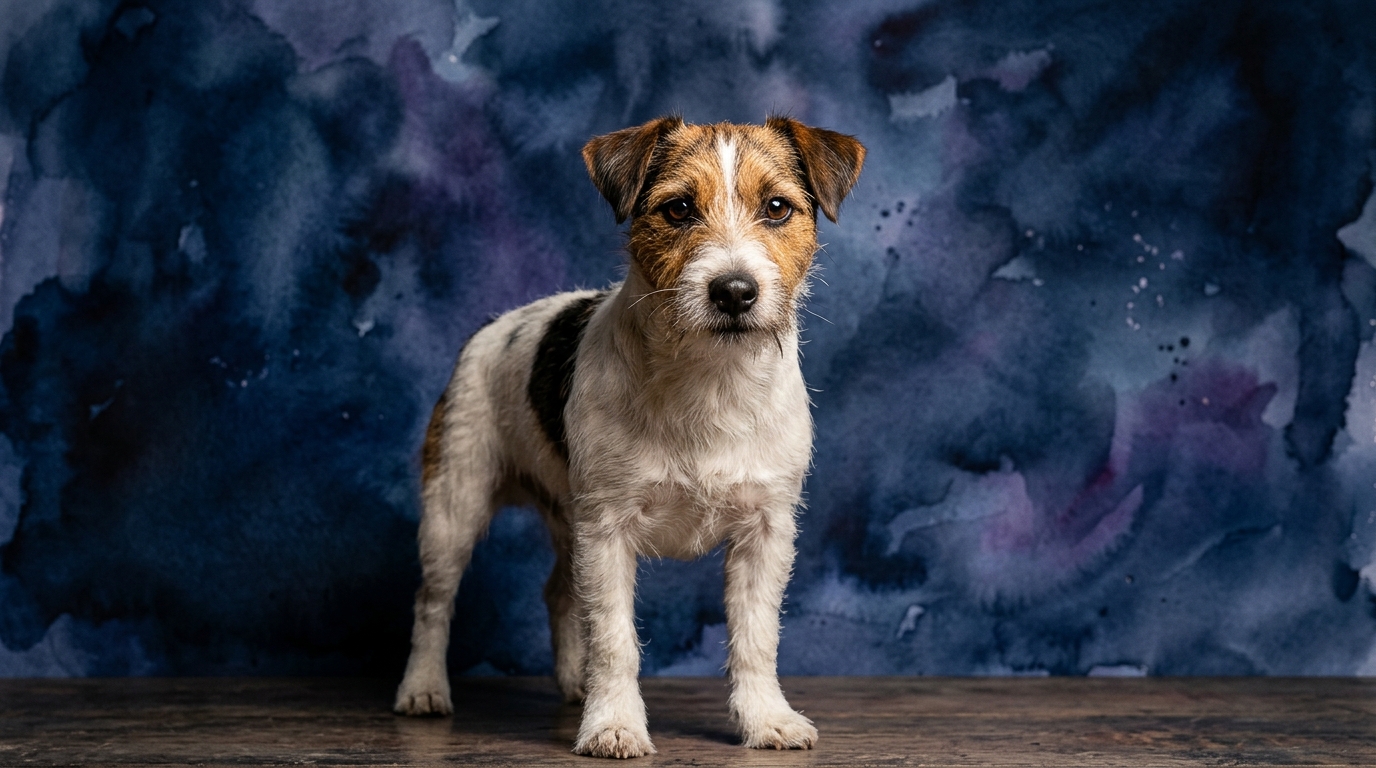
In stark contrast, the Jack Russell Terrier, though not Coren-ranked, presents a profile geared for independent action. Their Problem Solving is an impressive 5/5, reflecting exceptional ingenuity and resourcefulness in figuring things out, often creatively. Training Speed is 3/5, similar to the Dane, though their high drive can sometimes make them appear less compliant. Social Intelligence is 3/5, indicating a functional understanding but perhaps less emphasis on nuanced human interaction compared to their own pursuits. Their Instinctive Drive is a powerful 5/5, a clear nod to their terrier heritage, manifesting as strong urges to chase, dig, and explore. Memory is 4/5, supporting their problem-solving and allowing them to retain complex information and past successes.
Where the Great Dane Wins Cognitively
The Great Dane's primary cognitive strength lies in their superior Social Intelligence, rated 4/5. This means they possess an exceptional ability to read and respond to human emotions, body language, and subtle social cues within a family unit. This empathetic understanding allows them to integrate seamlessly into household dynamics, often anticipating needs or offering comfort without explicit commands. Their intelligence manifests not in complex trick-learning, but in their profound capacity for companionship and their calm, reassuring presence. They excel in situations requiring a stable, predictable temperament and a deep connection with their handlers, making them natural therapy dogs or steadfast family protectors whose understanding goes beyond mere obedience.
Where the Jack Russell Terrier Wins Cognitively
The Jack Russell Terrier's cognitive prowess is undeniable in their Problem Solving, rated 5/5, combined with a powerful Instinctive Drive of 5/5. This breed excels at tasks requiring ingenuity, persistence, and independent thought. They are masters at figuring out how to access forbidden areas, retrieve objects from challenging spots, or navigate complex environments. Their high drive fuels their relentless pursuit of goals, whether it’s a scent trail or a puzzle toy. Their good Memory (4/5) further enhances this, allowing them to recall successful strategies and learn from experience quickly. This combination makes them formidable in activities like agility, scent work, or earth dog trials, where quick thinking and tenacious effort are rewarded.
Which is Easier to Train and Why
While both breeds share a Training Speed rating of 3/5, the *ease* of training can differ significantly based on their other cognitive traits. The Great Dane’s higher Social Intelligence (4/5) and moderate Instinctive Drive (3/5) often make them more inclined to cooperate and please their human. They are generally responsive to positive reinforcement and clear communication, making standard obedience training a more straightforward process. Their Coren rank of #48 further supports this, indicating a solid foundation for learning commands with consistency.
Conversely, the Jack Russell Terrier’s exceptional Problem Solving (5/5) and very high Instinctive Drive (5/5) can present unique training challenges. While they are certainly capable of learning, their independent nature means they might prioritize their own instincts—like chasing a squirrel—over a command. Their problem-solving might also lead them to find "loopholes" in training or develop clever ways to achieve their desired outcome. Effective training for a Jack Russell often requires high-value motivation, engaging methods, and a trainer who understands how to channel their intense drives and intelligent independence constructively, rather than simply suppressing it.
Which Suits Active Owners vs. Relaxed Owners
The Great Dane, with its moderate Instinctive Drive (3/5) and strong Social Intelligence (4/5), is an excellent match for relaxed owners seeking a gentle, devoted companion. While they require regular exercise, their needs are typically met with daily walks and playtime, rather than intense, prolonged physical activity. Their calm demeanor and desire for close human interaction mean they thrive in a home where companionship is prioritized, making them ideal for individuals or families who appreciate a stately presence and a quiet, affectionate friend.
The Jack Russell Terrier, on the other hand, is unequivocally suited for active owners. Their very high Instinctive Drive (5/5) combined with their superior Problem Solving (5/5) means they possess an abundance of physical and mental energy that demands consistent outlets. Owners who enjoy long hikes, running, dog sports like agility or flyball, or engaging in complex puzzle games will find a fulfilling partner in a Jack Russell. Without sufficient stimulation, their cleverness and drive can manifest in undesirable behaviors, making an active, hands-on owner absolutely essential for their well-being and happiness.
The Verdict
Choose a Great Dane if you seek a gentle, socially attuned companion who thrives on close family bonds and predictable routines, and you appreciate a dog whose intelligence manifests in empathy and calm presence.
Opt for a Jack Russell Terrier if you are an active, experienced owner ready to channel boundless energy and a keen, independent mind into engaging activities and consistent, creative training.
🧠 Find Your Pet's IQ Score
Our Pet IQ Lab assessment covers 25+ tests across 5 cognitive dimensions — personalized to your breed.
Take the Full IQ Test →Frequently Asked Questions
Does a Great Dane's size impact its cognitive abilities?
While size doesn't directly dictate intelligence, a Great Dane's moderate instinctive drive and social focus likely contribute to a calmer cognitive approach compared to smaller, high-energy breeds. Their deliberation in problem-solving might reflect their physical scale, where quick, agile responses aren't always necessary, fostering a more thoughtful engagement with their environment.
Are Jack Russell Terriers difficult to train because of their high problem-solving?
Their exceptional problem-solving means they learn quickly, but they can also use this skill to outwit owners or find alternative ways to achieve their goals, requiring consistent, engaging, and clear training to direct their cognitive strengths positively. Their independence often demands a more creative and highly motivating training approach.
How does "instinctive drive" differ between these two breeds?
The Great Dane's moderate instinctive drive leans towards companionship and protection, manifesting as attentiveness to family and a desire to be near. The Jack Russell Terrier's very high instinctive drive is rooted in its working heritage, leading to strong urges for chasing, digging, and exploring, requiring outlets for these natural behaviors to prevent boredom and destructive tendencies.