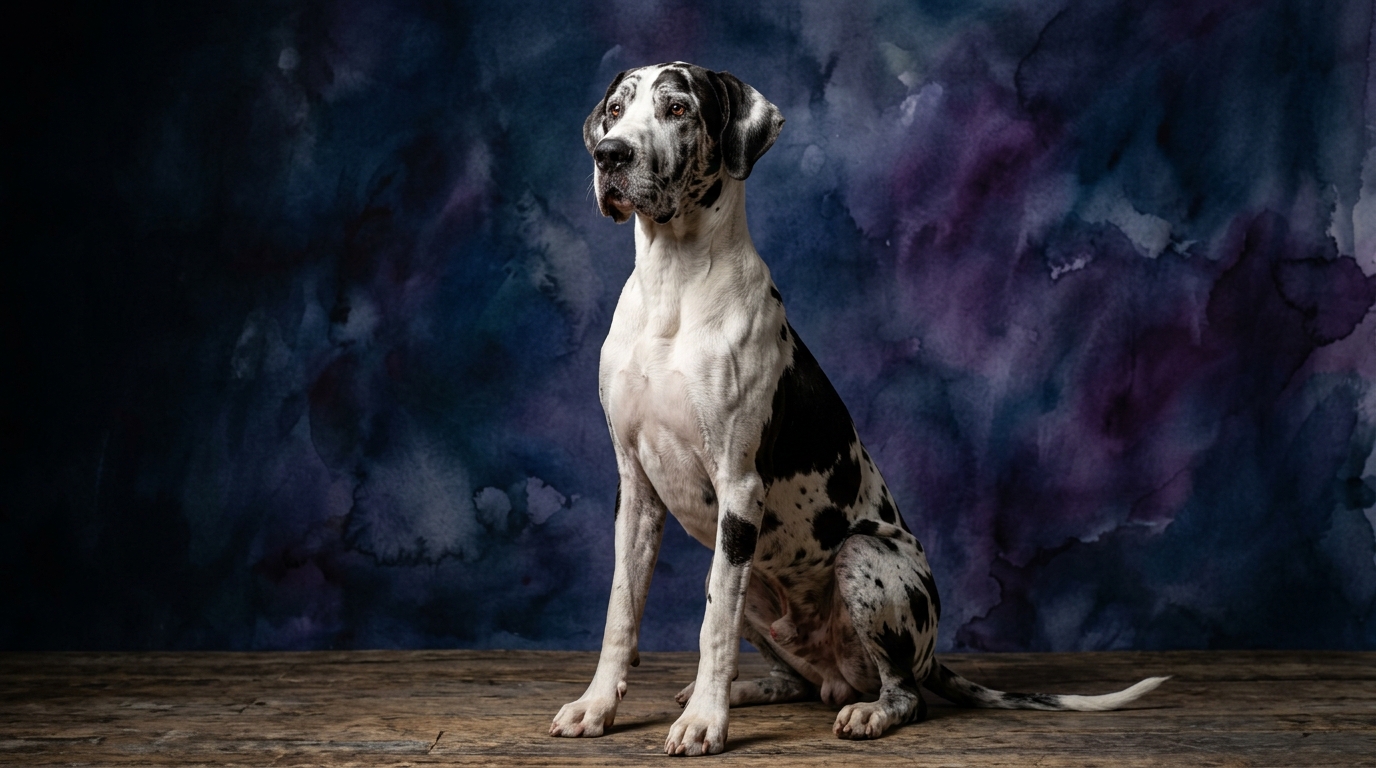
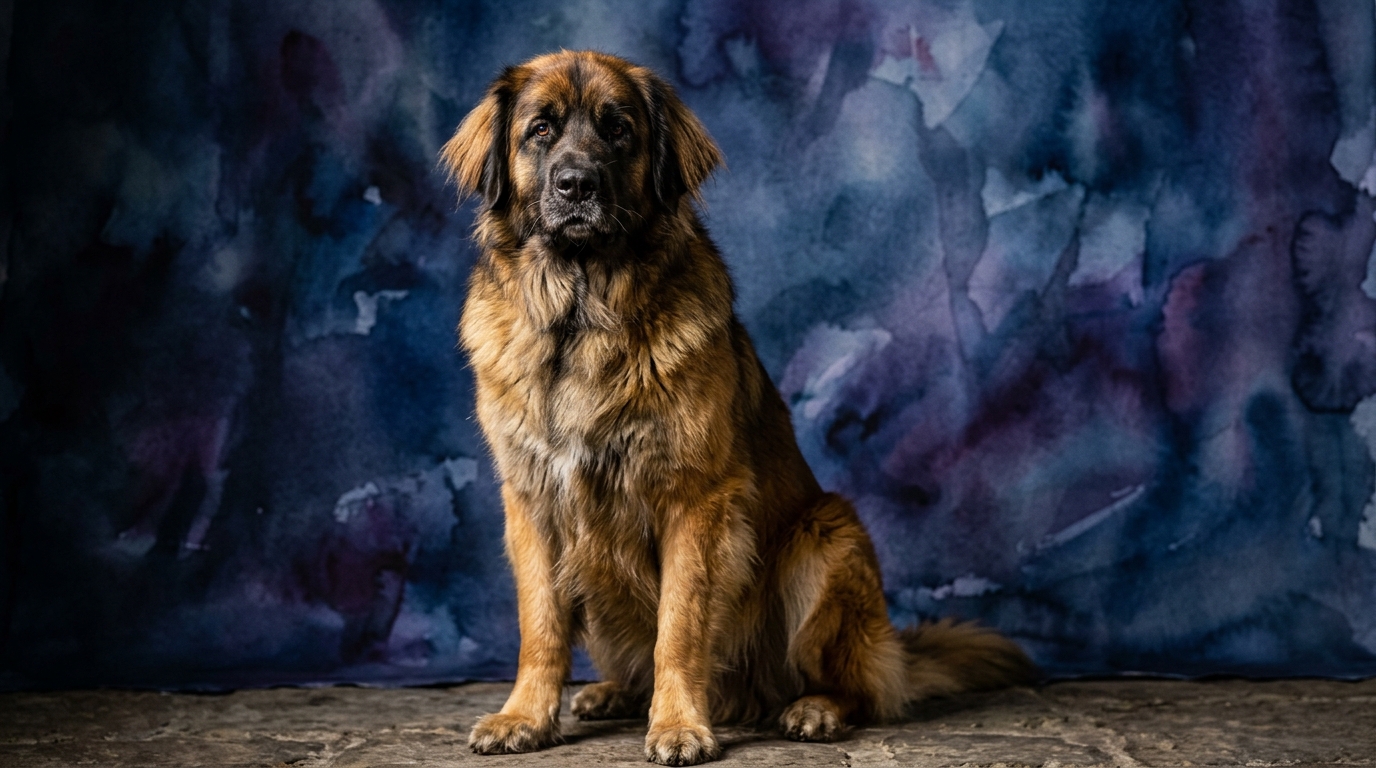
Side-by-Side Cognitive Profiles
In The Cosmic Pet Pet IQ Lab, we dissect canine intelligence across five key dimensions, offering a nuanced look beyond simple rankings. The Great Dane, a majestic working breed, holds a Coren rank of #48, suggesting a solid capacity for learning and obedience. Its cognitive profile includes a Problem Solving score of 3/5, indicating an ability to understand and navigate familiar routines and moderate challenges, but perhaps less inclination for inventive solutions to truly novel problems. Training Speed is also rated 3/5, meaning they respond well to consistent, positive methods, though they can have moments of independent thought. Where the Great Dane truly shines is in Social Intelligence, scoring 4/5, reflecting a deep attunement to human emotions and social cues. Instinctive Drive is 3/5, often manifesting as a moderate guardian tendency or a playful exuberance, and Memory is 3/5, allowing them to retain commands and experiences effectively.
The Leonberger, another impressive working breed, is not specifically listed in Coren's rankings, but our lab assessment provides detailed insights into its cognitive makeup. Like the Great Dane, the Leonberger scores 3/5 in Problem Solving, capable of grasping sequential tasks and practical challenges, yet not typically demonstrating spontaneous ingenuity in complex, unfamiliar scenarios. Their Training Speed also stands at 3/5, requiring a patient and consistent approach to harness their potential. Social Intelligence for the Leonberger is rated 3/5, indicating a generally good understanding of family dynamics and familiar individuals, though they might exhibit a more reserved initial approach compared to the Dane. Instinctive Drive is 3/5, often expressed through a balanced blend of companion and guardian traits, and Memory is likewise 3/5, ensuring solid recall of learned behaviors and social connections.
Where the Great Dane Excels Cognitively
The Great Dane's standout cognitive strength lies in its superior Social Intelligence, scoring a notable 4 out of 5. This dimension reflects a profound ability to perceive and interpret human emotions, body language, and subtle social cues. Great Danes often demonstrate an almost uncanny empathy, proactively offering comfort when their human companions are distressed or adjusting their behavior to match the household's mood. For instance, a Dane might quietly rest its head on a sad owner's lap without being prompted, or intuitively understand when a boisterous play session needs to be toned down. This heightened social perception makes them exceptionally attuned companions, capable of forming incredibly deep, emotionally resonant bonds. Their awareness extends beyond simple obedience, allowing for a more nuanced and responsive interaction within the family unit, making them particularly adept at navigating the complexities of human relationships.
Where the Leonberger Excels Cognitively
While the Great Dane's social perception is a clear differentiator, the Leonberger's cognitive strengths manifest through a different kind of practical acumen, even with similar scores in other areas. The Leonberger's working breed heritage imbues its Problem Solving (3/5) and Instinctive Drive (3/5) with a distinct character: one of steadfastness and purposeful application. Bred for diverse tasks from draft work to water rescue, Leonbergers demonstrate a grounded, resilient approach to challenges. They might not invent novel solutions more readily than a Dane, but their cognitive profile suggests a greater capacity for sustained focus and endurance in executing practical tasks. This translates to a dog that can patiently and consistently work through a multi-step routine or maintain vigilance in a guardian role. Their intelligence is often expressed through a calm, methodical persistence, making them particularly effective in scenarios requiring reliability and a composed demeanor, rather than immediate, spontaneous cleverness.
Training Aptitude: Great Dane vs. Leonberger
Both Great Danes and Leonbergers share a Training Speed score of 3/5, indicating that consistent, positive reinforcement is crucial for success with either breed. However, their distinct social intelligence levels can influence the training experience. The Great Dane's 4/5 Social Intelligence often translates into a keen desire to please its human, making them highly responsive to praise and positive feedback. They are quick to pick up on an owner's mood and intentions, which can streamline the communication process during training sessions. While they can be sensitive and require gentle handling, their strong bond and emotional attunement often make them eager participants, requiring less repetition to solidify commands once they understand what is expected. Their potential for stubbornness, however, means that consistency, clarity, and patience are still paramount.
The Leonberger, with a 3/5 Social Intelligence, might present a slightly different training dynamic. While equally capable of learning, they may not exhibit the same overt 'eagerness to please' as a Dane. Their training requires a particularly calm and patient approach, as they can be quite sensitive to harsh tones or methods, which might cause them to withdraw or become resistant. Leonbergers thrive on purpose-driven training, enjoying having a 'job' to do, which aligns with their working breed history. Engaging them with tasks that stimulate their practical problem-solving and moderate instinctive drive, such as advanced obedience, tracking, or even mock rescue scenarios, can be highly effective. Owners should focus on building a strong, trusting relationship through consistent, fair interactions, understanding that the Leonberger's learning curve, while steady, may not be as visibly enthusiastic as a socially-driven Dane.
Ideal Owners: Active vs. Relaxed Lifestyles
When considering which breed aligns with an active or relaxed owner, their cognitive and physical needs paint a clear picture. The Great Dane, despite its immense size, often earns the moniker 'gentle giant' for its relatively relaxed demeanor indoors. While they certainly enjoy daily walks and bursts of playful energy, their overall activity requirements are moderate. Their high Social Intelligence means they thrive on companionship and human presence, often content to lounge near their family. This makes them suitable for owners who appreciate a calm, affectionate indoor companion but are prepared for their playful antics and need for regular, albeit not exhaustive, outdoor exercise. They adapt well to a more relaxed household rhythm, as long as they receive consistent social interaction and moderate physical activity.
The Leonberger, conversely, with its robust working background, generally requires a more consistent and engaging exercise regimen. While they can be calm indoors, their 3/5 Instinctive Drive combined with their physical capabilities means they need regular outlets for both their bodies and minds. Activities such as hiking, swimming, long walks, or participating in dog sports like carting or agility are highly beneficial. They suit moderately active owners who are committed to providing daily mental stimulation and physical challenges. Owners who enjoy outdoor adventures and can incorporate their dog into these activities will find a Leonberger a fulfilling companion, as they thrive when given a sense of purpose and opportunity to utilize their practical cognitive strengths.
The Verdict
If you seek an exceptionally empathetic companion deeply attuned to your emotional state and thriving on close social interaction, and you can provide moderate exercise, the Great Dane is an excellent choice.
If you appreciate a steadfast, versatile companion with a practical working mindset, enjoy providing consistent mental and physical challenges, and seek a dog that excels in structured activities, the Leonberger will be a rewarding partner.
🧠 Find Your Pet's IQ Score
Our Pet IQ Lab assessment covers 25+ tests across 5 cognitive dimensions — personalized to your breed.
Take the Full IQ Test →Frequently Asked Questions
Are Great Danes and Leonbergers good with children?
Both breeds generally exhibit a gentle and patient nature with children, especially when properly socialized from a young age. Great Danes often display a protective yet tolerant demeanor due to their high social intelligence, while Leonbergers, with their steady temperament and working background, are typically reliable family guardians. Supervision is always recommended due to their sheer size.
Do Great Danes and Leonbergers require a lot of grooming?
Great Danes have short, smooth coats that require minimal grooming, typically just weekly brushing to remove loose hair and maintain coat health. Leonbergers, on the other hand, possess a thick, double coat that demands more frequent attention, usually 2-3 times a week, to prevent mats and reduce shedding. Both breeds benefit from regular nail trims and ear checks.
What are the main differences in their temperaments?
While both are gentle giants, Great Danes tend to be more overtly affectionate and socially expressive, often seeking out human interaction and displaying their emotions clearly. Leonbergers are typically more reserved and watchful, demonstrating their affection and loyalty in a calmer, more stoic manner, often with a strong sense of duty towards their family. Both are calm indoors, but Leonbergers generally have a stronger drive for purposeful activity.