Side-by-Side Cognitive Profile: Great Dane vs. Norwich Terrier
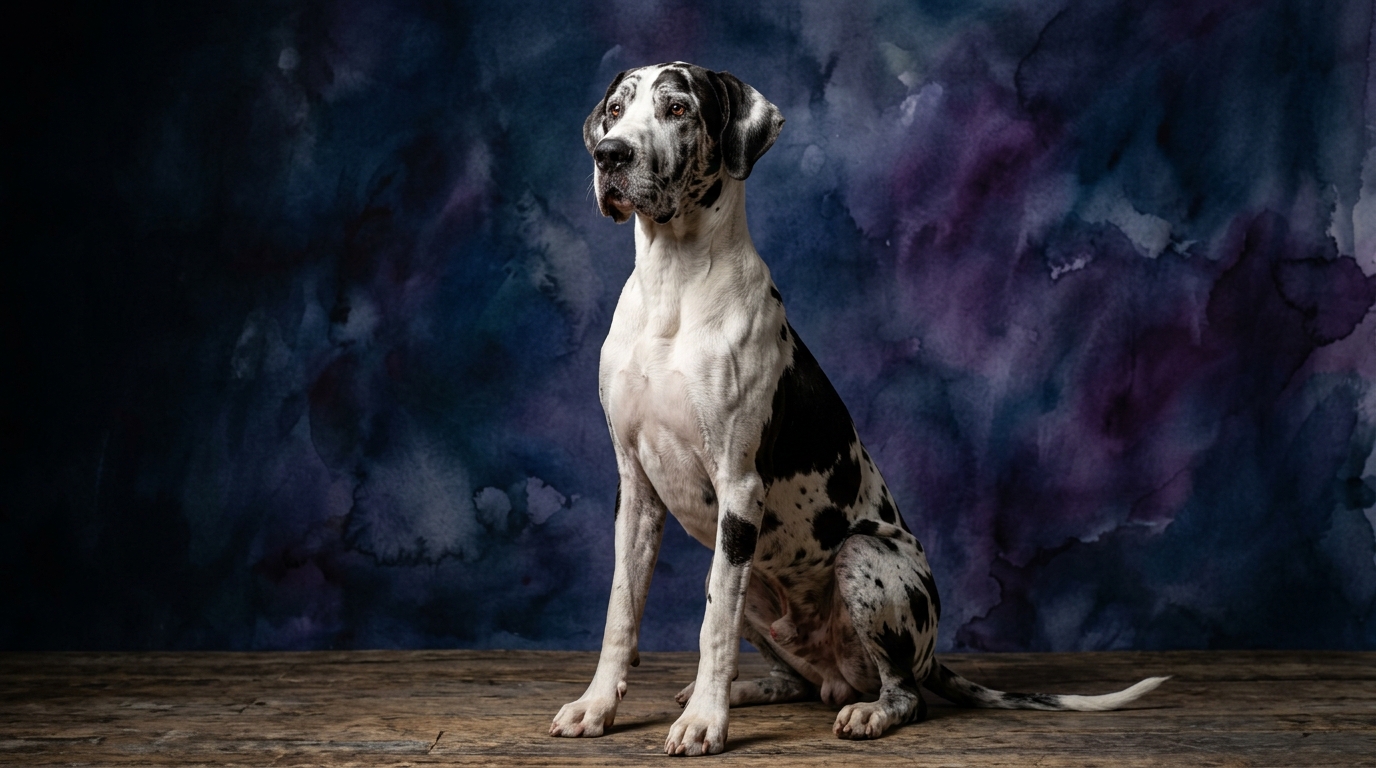
At The Cosmic Pet Pet IQ Lab, we evaluate canine intelligence across five key dimensions to provide a nuanced understanding beyond simple labels. For the Great Dane, a breed within the Working Group, its IQ profile presents as: Problem Solving 3/5, indicating a moderate capacity to navigate novel situations or challenges, often through observation and gentle trial-and-error. Training Speed is also 3/5, suggesting they absorb new commands at a steady pace, benefiting greatly from positive reinforcement and clear communication. Their Social Intelligence shines at 4/5, reflecting a keen awareness of human emotions, family dynamics, and a strong desire for connection. Instinctive Drive stands at 3/5, meaning while they possess inherent protective instincts, they are generally not overwhelming. Finally, Memory is 3/5, allowing them to reliably recall routines, learned behaviors, and past interactions.
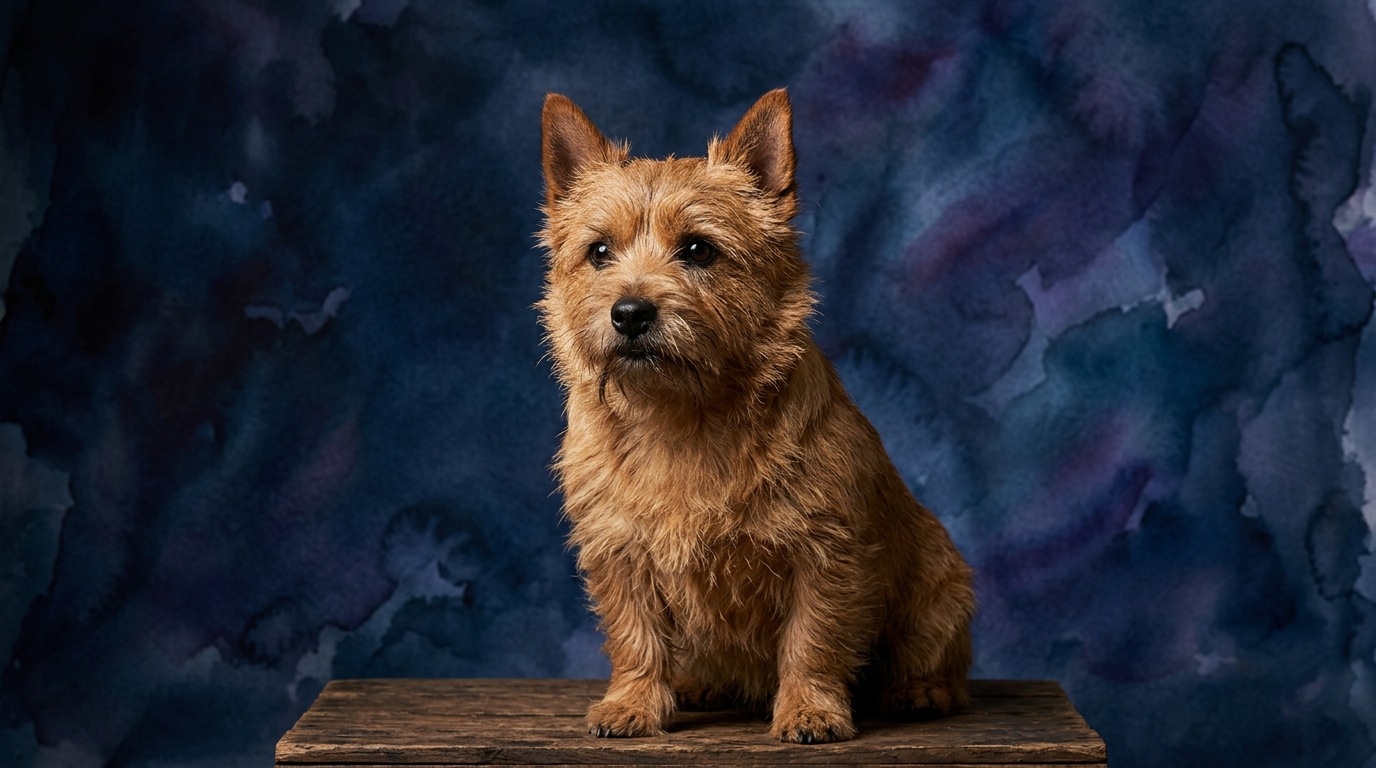
The Norwich Terrier, a spirited member of the Terrier Group, presents a remarkably similar numerical IQ profile, yet the underlying manifestations of these scores differ due to their distinct heritage. Their Problem Solving is 3/5, often characterized by tenacity and a persistent approach to figuring things out, driven by their independent nature. Training Speed is 3/5, meaning they can learn effectively, but their independent spirit might require more engaging and varied training methods to maintain their focus and enthusiasm. Social Intelligence is 3/5, indicating they are affectionate and capable of bonding, but perhaps less acutely attuned to subtle human emotional shifts compared to the Great Dane, often focusing more on direct interaction. Instinctive Drive, also 3/5, reflects their strong terrier instincts for chasing and digging, rooted in their historical role as vermin hunters. Their Memory is 3/5, providing a solid foundation for retaining commands and experiences, though they might prioritize their own interests over strict obedience at times.
Where the Great Dane Excels Cognitively
The Great Dane's primary cognitive advantage lies in its superior Social Intelligence, scoring a 4/5 compared to the Norwich Terrier’s 3/5. This higher rating means Great Danes possess a more profound ability to interpret and respond to human emotions and social cues. They are often profoundly empathetic, capable of sensing distress or joy in their human companions and adjusting their behavior accordingly. This manifests as a calm, reassuring presence when someone is upset, or a playful invitation when spirits are high. Their large size often necessitates a thoughtful, measured approach to interactions, further honing their sensitivity to their surroundings and the individuals within them. They thrive on deep connection and can seamlessly integrate into complex family dynamics, understanding nuanced relationships and personal boundaries with remarkable perceptiveness, making them exceptional family companions and therapy animals.
Where the Norwich Terrier Shows Unique Cognitive Strengths
While numerically similar in Problem Solving, the Norwich Terrier’s cognitive strength emerges from its unique approach to challenges, driven by its terrier heritage. Their 3/5 Problem Solving score, combined with their instinctive drive, translates into an unwavering tenacity and persistence. A Norwich Terrier faced with a puzzle toy or a perceived obstacle won't easily give up; they will employ a variety of strategies, often relying on their sharp senses and independent thought, until they achieve their goal. This self-reliant cognitive style, honed over generations of working independently to flush out vermin, means they are adept at navigating their environment with confidence and resourcefulness. Their alertness and quick reactions to sensory input also contribute to their overall environmental awareness, allowing them to process and react to their surroundings with a distinctive terrier quick-wittedness, even if their social intelligence score is lower.
Training Aptitude: Great Dane vs. Norwich Terrier
Both breeds register a 3/5 in Training Speed, suggesting a moderate learning curve, but their behavioral differences significantly impact the training experience. The Great Dane, with its higher Social Intelligence (4/5) and innate desire to please its human companions, often presents as easier to train. They respond well to positive reinforcement, praise, and the bond they form with their trainer. Their gentle nature and general eagerness to cooperate mean they are often quite biddable, and their sheer size makes early and consistent training in manners an absolute necessity, which owners typically prioritize. They are motivated by connection and will often work diligently to earn a cherished interaction or a kind word.
Conversely, the Norwich Terrier's independent streak and moderate instinctive drive (3/5) can make training a more engaging challenge. While intelligent and capable of learning, they might not always see the immediate benefit in complying with a command if their attention is captured by a scent, a sound, or their own internal agenda. Their terrier tenacity, a strength in problem-solving, can sometimes translate into stubbornness during training sessions. Owners must employ creative, highly engaging methods, such as play-based training or high-value rewards, to keep a Norwich Terrier focused. Consistency is paramount, as is understanding that their occasional selective hearing is often an expression of their strong will and independent thought, rather than a lack of understanding.
Lifestyle Match: Active vs. Relaxed Owners
The Great Dane, despite its imposing stature, typically suits owners who appreciate a more relaxed lifestyle. While they require regular exercise for their health, they are not hyperactive and are often content to lounge with their family. Their deep social intelligence means they thrive on companionship and being an integral part of household activities, even if those activities involve napping on the couch. They are often described as "gentle giants" and are generally calm indoors, making them suitable for owners who enjoy a serene home environment but can provide ample space for their large companion. Their moderate instinctive drive means they are less prone to impulsive behaviors that might require constant vigilance.
The Norwich Terrier, on the other hand, is an ideal match for active owners who relish daily adventures and can provide consistent mental and physical stimulation. Despite their small size, they possess a robust energy level and a keen mind that needs engagement. Their terrier instincts mean they enjoy activities like digging, chasing, and exploring, making them excellent companions for hikes, agility, or earthdog trials. They thrive when given a 'job' or a puzzle to solve. Owners who appreciate a spirited, tenacious companion and are committed to channeling that energy into constructive outlets will find the Norwich Terrier a delightful and endlessly entertaining partner.
The Verdict
Choose the Great Dane if you seek a deeply empathetic, calm, and socially perceptive companion who integrates seamlessly into family life and offers a reassuring presence.
Opt for the Norwich Terrier if you desire a spirited, tenacious, and independent companion ready for daily adventures, and you can provide consistent, engaging mental and physical outlets.
🧠 Find Your Pet's IQ Score
Our Pet IQ Lab assessment covers 25+ tests across 5 cognitive dimensions — personalized to your breed.
Take the Full IQ Test →Frequently Asked Questions
How does a Great Dane's size influence its cognitive processing?
Their immense size often encourages a more measured, less impulsive approach to their environment. They learn to navigate spaces carefully and rely on their keen social intelligence to interact gently, especially with smaller beings, contributing to their thoughtful demeanor and careful movements.
Are Norwich Terriers genuinely stubborn, or is it a misinterpretation of their intelligence?
Norwich Terriers exhibit a strong independent streak, a trait valuable in their historical role as vermin hunters. What might appear as stubbornness is often their innate drive to pursue a task their way or their strong focus on environmental stimuli, rather than a lack of understanding of commands.
Do either of these breeds excel in specific dog sports or activities based on their IQ profile?
Great Danes, with their social intelligence and cooperative nature, can excel in obedience and therapy work, where their calm presence and strong bond with humans are assets. Norwich Terriers thrive in earthdog trials, agility, and scent work, where their tenacity, quickness, and keen senses are put to excellent use.