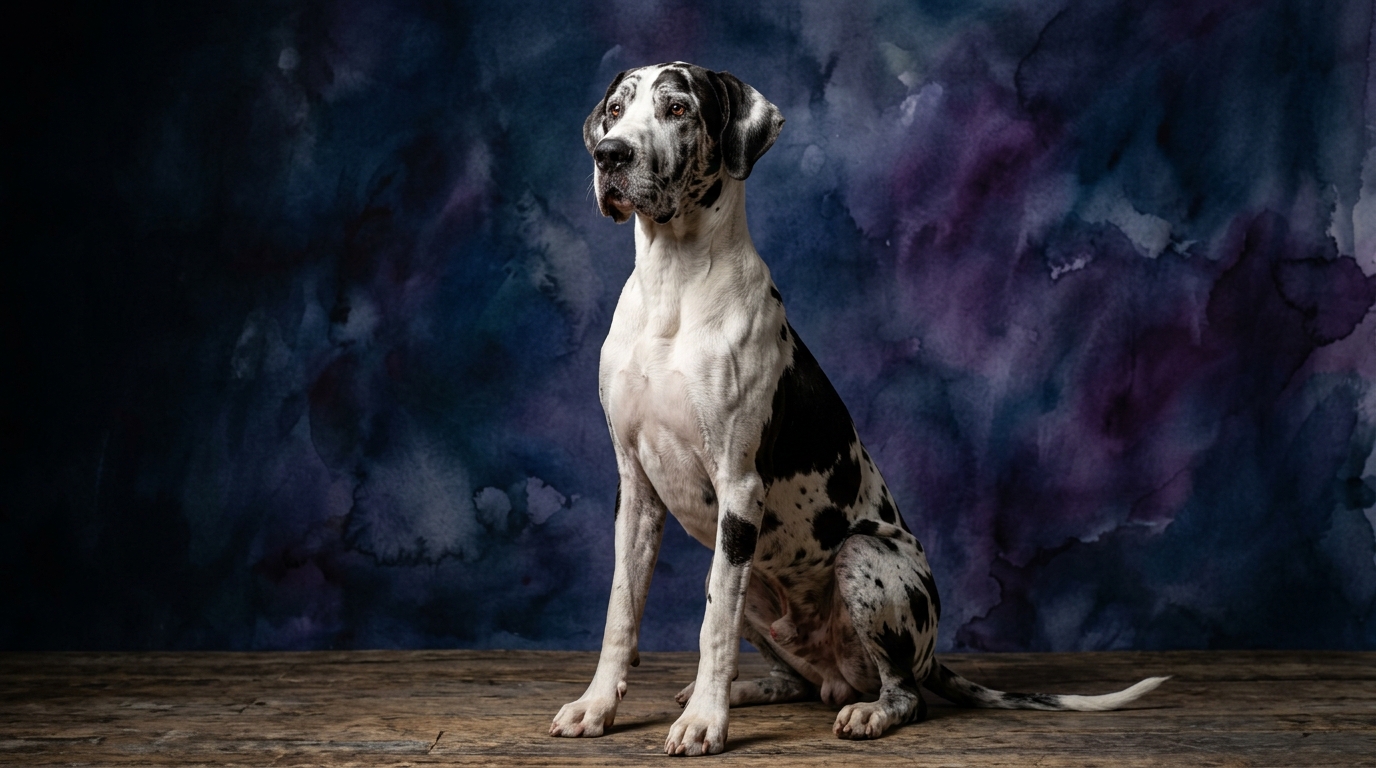
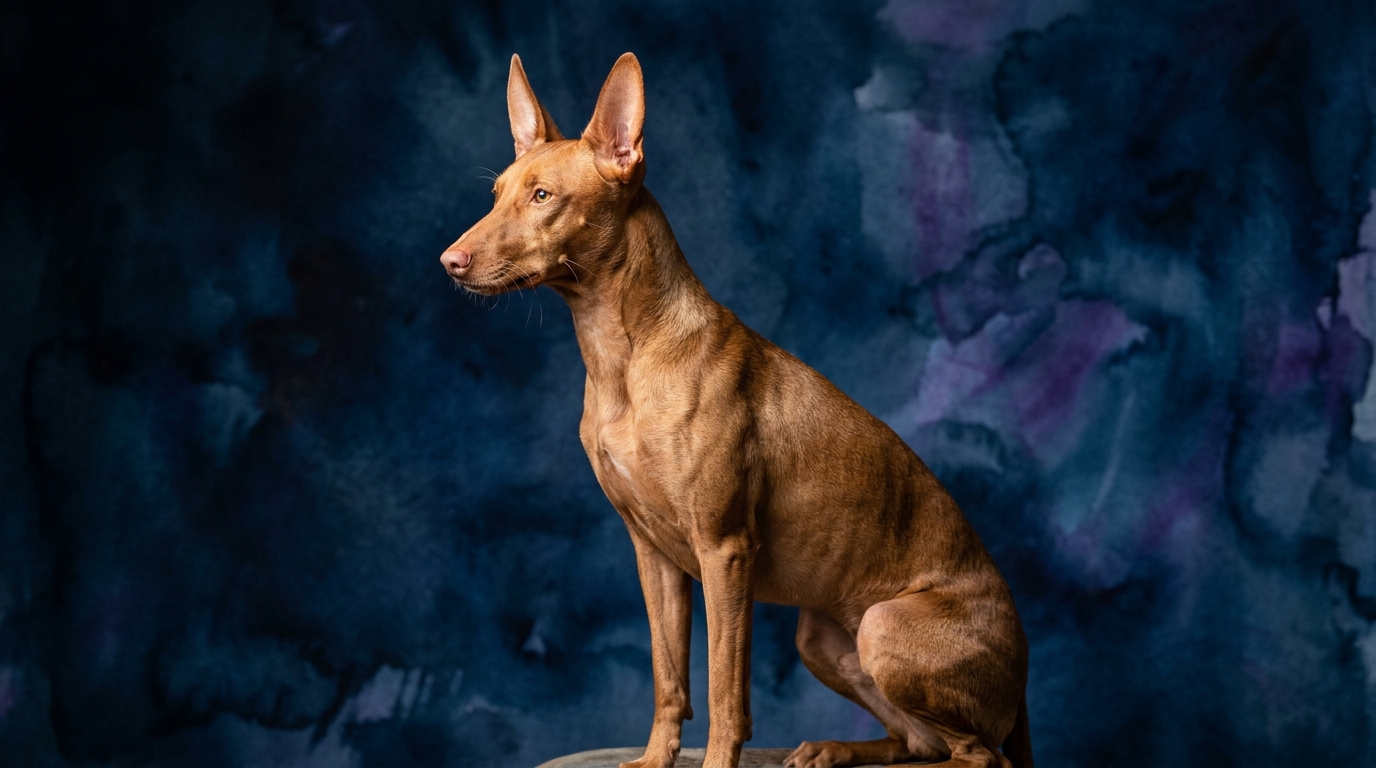
A Side-by-Side Look at Cognitive Profiles
Delving into the Great Dane’s cognitive makeup, we find a breed with a moderate capacity for problem-solving (3/5), meaning these large companions can navigate novel situations or figure out puzzles with consistent guidance, often relying on learned patterns rather than innovative solutions to complex tasks. Their training speed is also rated at 3/5; they learn at a steady pace, requiring clear, consistent instruction and positive reinforcement, making progress reliable over time. A standout trait for the Great Dane is their social intelligence (4/5), exhibiting a strong sensitivity to human emotions and social cues, often mirroring their owner's mood or seeking to comfort, integrating well into family dynamics. Their instinctive drive (3/5) is generally moderate in a domestic setting, possessing a natural protectiveness without an overwhelming prey drive, while their memory (3/5) allows them to retain learned behaviors and experiences effectively, contributing to their reliability.
The Pharaoh Hound’s cognitive profile, while sharing some similarities, also highlights its distinct heritage. Their problem-solving ability (3/5) is moderate, often manifesting in figuring out how to achieve goals related to exploration or accessing interesting scents, though they may not excel at abstract puzzle-solving without clear motivation. With a training speed of 3/5, Pharaoh Hounds learn at a moderate rate, responding best to engaging, reward-based training that respects their independent spirit, though their attention can be more fleeting if a task isn't inherently motivating. Their social intelligence is rated at 3/5; they form strong bonds with their families but may be less overtly people-focused than Great Danes, often displaying a more self-possessed demeanor. The Pharaoh Hound's instinctive drive (3/5), though numerically similar, is acutely focused on sight and scent, making them incredibly driven when a target is perceived. Their memory (3/5) is good for their environment, routines, and the location of interesting stimuli, though their independent nature might sometimes lead them to 'selectively remember' when a tempting distraction arises.
Where the Great Dane Excels Cognitively
The Great Dane's cognitive strength distinctly lies in its superior social intelligence, rated at 4/5 compared to the Pharaoh Hound’s 3/5. This translates to an enhanced capacity for understanding and responding to human emotional states and social dynamics within a household. A Great Dane is more likely to offer unsolicited comfort when an owner is upset, or to intuitively understand complex household routines that involve multiple family members. Their cooperative nature, stemming from their working breed heritage, makes them particularly adept at integrating into a human-centric social structure, often seeking to be physically close and involved in family activities. This heightened social awareness contributes significantly to their reputation as empathetic and gentle companions, making them particularly sensitive to the nuances of human interaction.
Unique Strengths of the Pharaoh Hound's Mind
While their raw scores might not always surpass the Great Dane, the Pharaoh Hound's cognitive profile reveals unique strengths rooted in its ancient sighthound and hunting lineage. Their problem-solving (3/5) and instinctive drive (3/5) are channeled differently; they exhibit a singular focus and ingenuity when pursuing a visual target or tracking a scent. This isn't about human-pleasing, but an independent, highly efficient pursuit of a goal that can be seen as a specific type of cognitive excellence. Their moderate social intelligence (3/5) allows them a degree of self-sufficiency, meaning they are often less prone to separation anxiety and more comfortable entertaining themselves, provided they have adequate mental and physical outlets for their inherent drives. This independence, while sometimes posing training challenges, is a distinct cognitive attribute that suits specific owner preferences.
Training Dynamics: Great Dane vs. Pharaoh Hound
When it comes to trainability, the Great Dane generally presents an easier path for most owners, primarily due to their higher social intelligence (4/5). A Great Dane's inclination to connect with and please their human companions means they are often more motivated by praise and the desire for social interaction. They are generally more attentive to commands and body language, making the learning process smoother and more reciprocal. Their moderate training speed (3/5) combined with their cooperative nature means they respond well to consistent, positive reinforcement methods, building a strong foundation of learned behaviors over time.
The Pharaoh Hound, with its 3/5 social intelligence and strong independent hound drives, requires a different training approach. They are not inherently difficult, but their motivation often stems from self-rewarding activities like chasing or exploring, rather than a strong desire to appease an owner. Training a Pharaoh Hound demands patience, creativity, and a deep understanding of their sighthound instincts. Owners must make training fun, engaging, and highly rewarding, often incorporating elements of chase or scent work to capture and maintain their attention. Their tendency to follow a compelling scent or visual stimulus can override learned commands, necessitating consistent recall training in secure environments and a recognition that their focus may shift rapidly when stimulated by their environment.
Ideal Lifestyles: Active Explorers or Calm Companions?
The Great Dane, despite its imposing size, often adapts well to a relatively relaxed indoor lifestyle, provided it receives sufficient daily exercise. Their 4/5 social intelligence means they thrive on being an integral part of family life, often preferring to lounge near their people. While they require regular walks and opportunities for play to maintain physical and mental well-being, their social needs are often met simply by proximity to their human companions. They are suited for owners who enjoy a large, gentle presence indoors and are committed to moderate daily activity, cherishing a dog that is deeply attuned to the household’s rhythm and seeks out social interaction.
The Pharaoh Hound, by contrast, suits owners who can embrace and facilitate a more active, exploratory lifestyle. Their 3/5 instinctive drive, particularly their strong prey drive, means they need ample opportunities to run, chase, and investigate scents in secure areas. While they can be calm indoors, they require significant outdoor engagement to satisfy their cognitive and physical needs. Owners who appreciate an independent spirit, enjoy long walks, secure off-leash play, and perhaps even participate in dog sports like lure coursing, will find the Pharaoh Hound a rewarding match. They are less about constant cuddles and more about shared adventures that engage their keen senses and allow them to express their natural hunting instincts.
The Verdict
Choose the Great Dane if you seek a deeply empathetic, socially attuned companion who thrives on close family interaction and offers a gentle, protective presence in your home.
Opt for the Pharaoh Hound if you appreciate an independent, elegant, and athletic dog with a strong exploratory drive, and you can provide ample opportunities for their unique hunting instincts to flourish in a secure environment.
🧠 Find Your Pet's IQ Score
Our Pet IQ Lab assessment covers 25+ tests across 5 cognitive dimensions — personalized to your breed.
Take the Full IQ Test →Frequently Asked Questions
Are Great Danes and Pharaoh Hounds good with children?
Great Danes, with their high social intelligence and gentle nature, are often wonderful with children, though their size always necessitates supervision. Pharaoh Hounds can be good with respectful children, but their independent nature means they might not seek constant interaction, preferring a calmer environment.
Do Great Danes or Pharaoh Hounds drool more?
Great Danes, especially those with looser jowls, are generally more prone to drooling than Pharaoh Hounds. Pharaoh Hounds typically have a cleaner mouth and are not known for excessive drooling.
Which breed is more prone to separation anxiety?
Given their higher social intelligence and desire for companionship, Great Danes might be more prone to separation anxiety if not properly socialized and trained for alone time. Pharaoh Hounds, being more independent, are generally less susceptible, provided their exercise and mental stimulation needs are met.