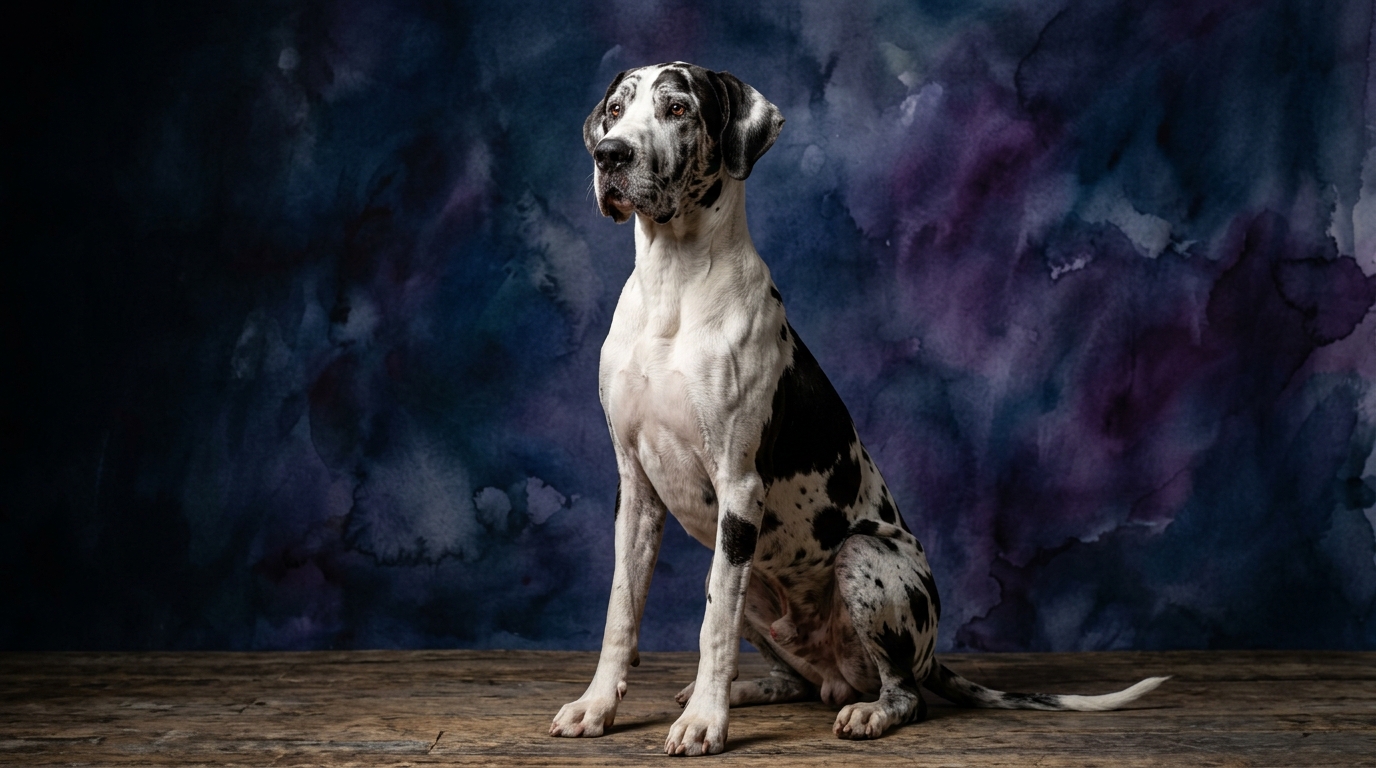
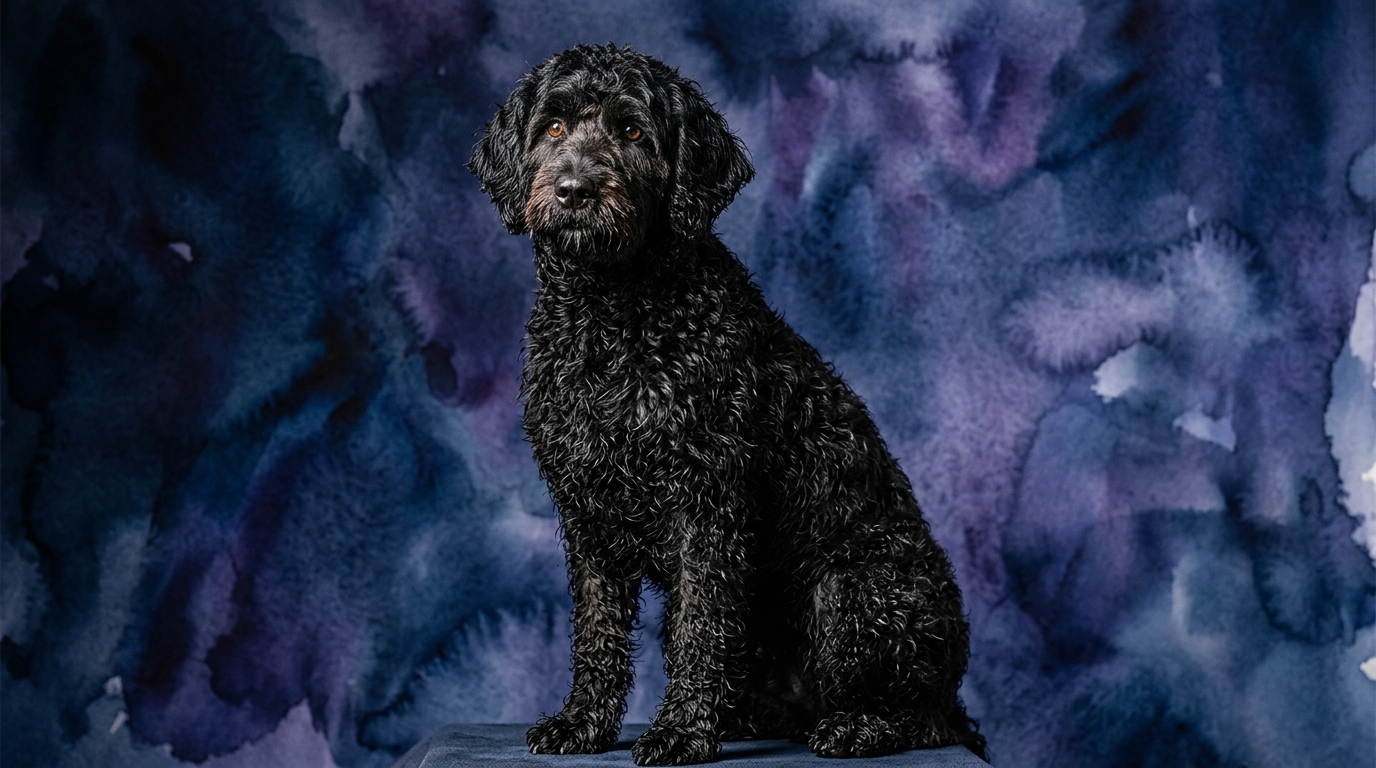
Side-by-Side Cognitive Profile: Great Dane vs. Portuguese Water Dog
Delving into the specific cognitive dimensions for both breeds reveals their intrinsic mental frameworks. The Great Dane, ranked #48 by Coren, and the Portuguese Water Dog, while not Coren-ranked, both present fascinating blends of abilities that cater to different lifestyles and roles. Understanding these dimensions offers insight into their potential as companions and working partners.
For Problem Solving, both breeds score a balanced 3/5. This indicates a moderate capacity to navigate new situations, figure out puzzles, or adapt strategies to achieve a goal. For a Great Dane, this might manifest in understanding household routines or finding comfortable spots, while a Portuguese Water Dog might apply it to retrieving tasks or navigating complex aquatic environments.
Training Speed is also a consistent 3/5 for both, suggesting they learn new commands and routines at a moderate pace. Neither breed is exceptionally quick nor particularly slow to grasp new concepts, requiring consistent and clear instruction to build a robust behavioral repertoire. Owners should anticipate steady progress rather than instant mastery.
Social Intelligence marks a key distinction: the Great Dane scores 4/5, while the Portuguese Water Dog scores 3/5. The Great Dane’s higher score points to a more nuanced understanding of human emotions, social cues, and family dynamics, enabling them to form deep, empathetic bonds. The Portuguese Water Dog, while socially adept, might be slightly more independent in its social interactions.
Instinctive Drive stands at 3/5 for both breeds. For the Great Dane, this often relates to their protective instincts and awareness of their surroundings, serving as a gentle guardian. For the Portuguese Water Dog, this drive is geared towards their historical roles of water retrieving, herding fish, and active engagement, manifesting as a strong desire for purposeful activity. Finally, Memory is rated 3/5 for both, meaning they retain learned information and experiences with moderate fidelity, capable of remembering commands, routines, and social interactions over time.
Where the Great Dane Excels Cognitively
The Great Dane’s standout cognitive strength lies in its exceptional Social Intelligence, scoring an impressive 4/5. This higher rating signifies a profound capacity for understanding and responding to human emotions, subtle vocal inflections, and body language. A Great Dane often displays a remarkable sensitivity to the moods of its human companions, offering comfort or adapting its behavior based on the family's emotional climate.
This heightened social awareness makes them incredibly intuitive family members, often anticipating needs or reacting empathetically to distress. Owners might observe their Dane offering a gentle nudge or leaning into a person who seems sad, demonstrating a deep attunement to social dynamics within the home. This cognitive advantage fosters exceptionally strong, communicative bonds, making the Great Dane a profoundly connected companion capable of interpreting and participating in complex social interactions.
Where the Portuguese Water Dog Finds Its Cognitive Edge
While the Portuguese Water Dog’s individual scores across Problem Solving, Training Speed, Instinctive Drive, and Memory are consistently 3/5—matching or slightly below the Great Dane in social intelligence—its cognitive edge emerges from the *application* and *integration* of these balanced abilities within its historical working context. The PWD’s instinctive drive, though rated 3/5, is specifically channeled into purposeful, task-oriented behaviors, reflecting its heritage as a fisherman's assistant.
This drive translates into a robust, persistent problem-solving approach when engaged in activities that mimic its working past, such as retrieving, swimming, or navigating complex outdoor environments. Owners will observe a dog that can focus intensely on a given task, demonstrating ingenuity in overcoming obstacles to achieve its goal, whether it’s retrieving a toy from a tricky spot or learning a new agility sequence. The PWD’s strength is in its adaptable, hands-on (or paws-on) intelligence, thriving when given a 'job' that engages its physical prowess and mental tenacity.
Training Aptitude: Which Breed is Easier to Teach?
Despite both breeds sharing a 3/5 score for Training Speed, the practical experience of training a Great Dane versus a Portuguese Water Dog can feel quite distinct due to their differing social intelligence and instinctive drives. The Great Dane, with its 4/5 Social Intelligence, often exhibits a strong desire to please its human companions and is highly attuned to their approval. This social receptiveness can translate into a cooperative attitude during training sessions, making them generally responsive to positive reinforcement centered around praise and connection.
Their large size necessitates early and consistent training for manners, and their social understanding helps them quickly grasp what is expected in a household setting, even if the learning pace is moderate. Conversely, the Portuguese Water Dog, with a 3/5 Social Intelligence and a strong 3/5 Instinctive Drive geared towards independent work, might approach training with a more task-oriented mindset. They are certainly capable learners at a moderate pace, but their motivation might stem more from the inherent satisfaction of the task itself or tangible rewards, rather than solely human approval.
PWDs can have a spirited, independent streak that requires trainers to be consistent, engaging, and creative to maintain focus. While they learn commands efficiently, their strong drive means they might be more inclined to follow their nose or their instincts if not adequately stimulated or if training becomes repetitive. Therefore, while both learn at a similar speed, the Great Dane's social nature often makes for a smoother, more cooperative training journey, whereas the PWD thrives with structured, varied, and purposeful training that taps into its inherent drive.
Lifestyle Fit: Active Owners vs. Relaxed Owners
The cognitive profiles and inherent drives of these two breeds naturally align with different owner lifestyles. The Great Dane, despite its imposing size and working group classification, often matures into a relatively relaxed companion, particularly after its boisterous puppy phase. Its high social intelligence means it deeply values companionship and thrives on being an integral part of family life, often content with regular, moderate exercise like daily walks and yard play.
They are well-suited for owners who appreciate a large, affectionate presence, prioritize emotional connection, and can provide a calm, stable home environment without demanding intense, prolonged physical activity. Their cognitive strengths make them excellent, empathetic housemates for relaxed to moderately active individuals or families.
In stark contrast, the Portuguese Water Dog is a true dynamo, built for sustained activity and requiring significant mental and physical engagement. Its balanced scores across problem-solving, training speed, and instinctive drive, coupled with its heritage as a versatile working dog, mean it absolutely thrives on having a 'job' to do. These dogs are ideal for highly active owners or families who enjoy outdoor adventures such as hiking, swimming, running, or participating in dog sports like agility, obedience, or dock diving.
Without adequate stimulation and outlets for their energy and drive, a PWD can become bored, potentially leading to undesirable behaviors. They are a superb match for those who seek a spirited, intelligent partner for an active, engaged lifestyle, valuing a dog that can keep pace with their own adventures and intellectual challenges.
The Verdict: When to Choose Each Magnificent Breed
The Verdict
Choose the Great Dane if you seek a gentle, socially astute companion that integrates seamlessly into family life, valuing emotional connection and a moderate activity level for a loyal presence.
Opt for the Portuguese Water Dog if you are an active individual or family capable of providing consistent mental and physical challenges, appreciating a dog with a strong work ethic and spirited energy for outdoor adventures.
🧠 Find Your Pet's IQ Score
Our Pet IQ Lab assessment covers 25+ tests across 5 cognitive dimensions — personalized to your breed.
Take the Full IQ Test →Frequently Asked Questions
Are Great Danes good with children?
Yes, Great Danes typically exhibit excellent social intelligence, making them generally gentle and tolerant with children. Their calm demeanor and understanding of social cues allow them to integrate well into family dynamics, often becoming devoted protectors and playmates, though supervision is always recommended with any breed and child.
Do Portuguese Water Dogs shed much?
Portuguese Water Dogs are often considered a good choice for individuals with allergies because they have a single coat that sheds minimally. However, their curly or wavy coat requires regular grooming, including brushing and professional clipping every 6-8 weeks, to prevent matting and maintain skin health.
What kind of exercise do these breeds need?
Great Danes require moderate daily exercise, typically consisting of regular walks and playtime to maintain health without overexertion. Portuguese Water Dogs, conversely, demand significant daily physical and mental stimulation, thriving on activities like swimming, long runs, and dog sports to satisfy their strong working drive.