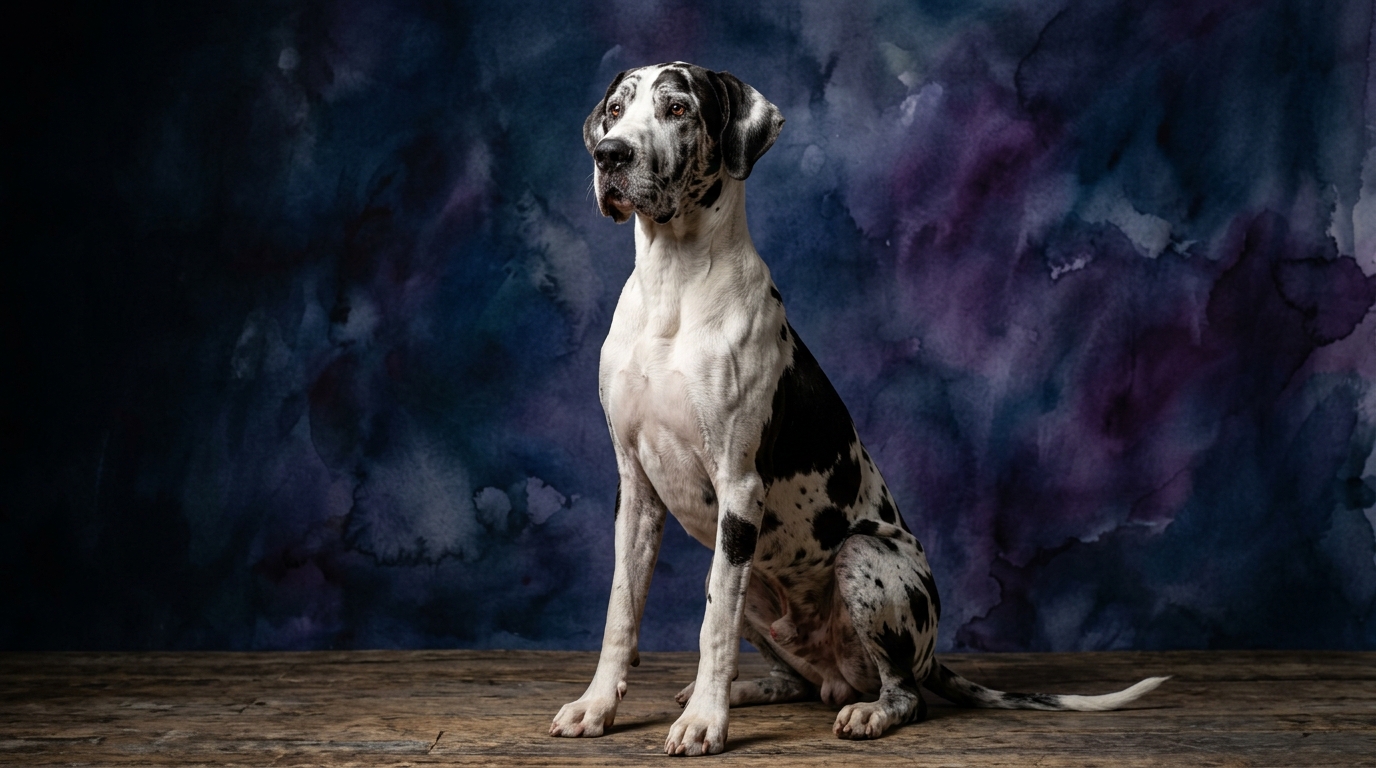
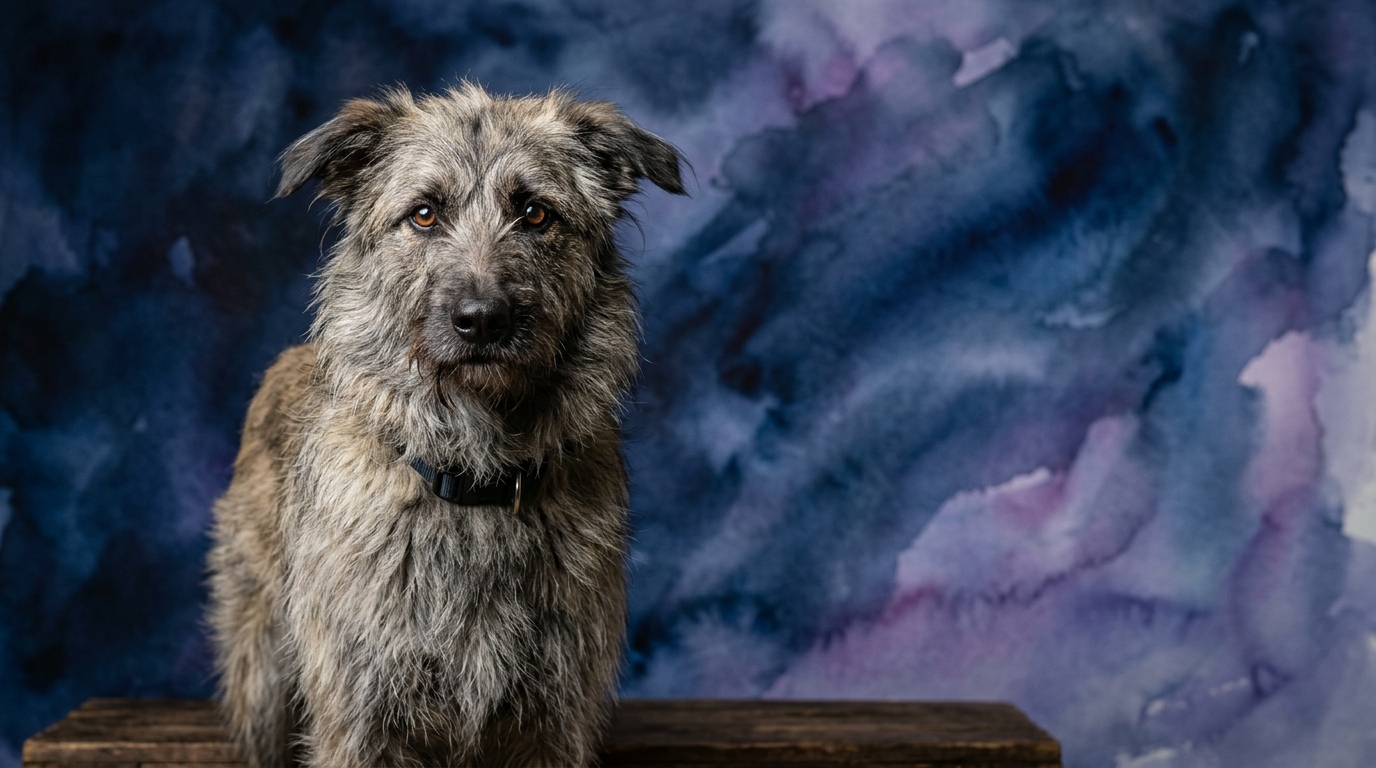
Side-by-Side IQ Profile: Great Dane vs. Pyrenean Shepherd
In The Cosmic Pet Pet IQ Lab, we dissect canine cognition across five crucial dimensions, offering a granular view of how each breed processes the world. Here's how the towering Great Dane and the agile Pyrenean Shepherd stack up.
For the **Great Dane**, a Working breed, we observe:
**Problem Solving (3/5):** While not typically known for intricate puzzle-solving, Great Danes demonstrate a practical aptitude for navigating their environment and understanding household routines. They can figure out how to open simple latches or communicate needs effectively, often through observation and trial-and-error within their established comfort zones.
**Training Speed (3/5):** Great Danes learn at a moderate pace, often requiring consistent, positive reinforcement methods. Their large size means early and thorough training is crucial, and while they grasp commands, their motivation often hinges on strong bonds and clear, patient instruction rather than an inherent drive for rapid acquisition.
**Social Intelligence (4/5):** This is a standout trait for the Great Dane. They possess a deep capacity for understanding human emotions and social cues, often acting as sensitive, empathetic companions. They excel at reading moods, responding to subtle shifts in tone, and integrating seamlessly into family dynamics, making them exceptional family members.
**Instinctive Drive (3/5):** Originating as hunting and guard dogs, Great Danes retain a moderate level of instinctive drive. This manifests as a protective instinct towards their family and home, and a certain level of prey drive that is generally manageable but present. Their instincts are often channeled into watchful guardianship rather than active pursuit.
**Memory (3/5):** Great Danes exhibit a solid memory, particularly for people, places, and established routines. They remember training commands and social interactions well, forming lasting associations with positive and negative experiences. Their recall for specific events or complex sequences might be average, but their memory for core relationships and habits is strong.
For the **Pyrenean Shepherd**, a Herding breed, we find:
**Problem Solving (3/5):** Pyrenean Shepherds show a practical problem-solving ability, particularly within tasks related to their herding heritage. They can assess situations in a flock, find solutions to guide livestock, and adapt quickly to changing environmental conditions. In a home setting, this translates to figuring out how to get what they want or navigate obstacles.
**Training Speed (3/5):** Pyrenean Shepherds learn at a moderate pace, similar to Great Danes, but their motivation can be different. They respond well to engaging, varied training sessions that tap into their working drive. Consistency is key, and they thrive on tasks that challenge their quick minds and physical agility, sometimes showing independence that requires patient guidance.
**Social Intelligence (3/5):** While capable of forming deep bonds, the Pyrenean Shepherd's social intelligence often manifests differently than the Great Dane's. They are observant of their human companions and can be sensitive, but their primary social focus historically has been on their flock or working partnership. They might be more reserved with strangers, requiring careful socialization to build trust.
**Instinctive Drive (3/5):** The Pyrenean Shepherd possesses a strong instinctive drive, primarily rooted in herding. This manifests as an innate desire to gather, control, and protect. They might attempt to 'herd' family members, other pets, or even children, and require appropriate outlets for this energy. Their drive is a fundamental part of their being, needing careful management.
**Memory (3/5):** Pyrenean Shepherds have a good memory for commands, routines, and the layouts of places they frequent. They remember training sequences and can recall specific details related to their work or environment. Their memory serves their practical, task-oriented nature, allowing them to build upon past experiences efficiently.
Where the Great Dane Cognitively Excels
The Great Dane shines brightest in the realm of social intelligence, earning a 4/5 compared to the Pyrenean Shepherd’s 3/5. This manifests as an exceptional ability to read and respond to human emotions, making them incredibly empathetic companions. They often anticipate their owner's needs or moods, offering comfort or space as required, sometimes with just a gentle nudge or a soft gaze. Their integration into complex family dynamics is smoother, as they are less prone to attempting to 'herd' or control family members and instead seek harmonious co-existence. Furthermore, their lower instinctive drive (3/5 versus the Pyrenean Shepherd's equally rated but differently manifested drive) means their protective instincts are typically more measured and less prone to over-excitement, making them naturally more amenable to a relaxed household structure without constant redirection of primal urges.
Where the Pyrenean Shepherd Cognitively Excels
While their core IQ metrics appear similar on paper, the Pyrenean Shepherd's cognitive strengths are distinctly geared towards purpose and agility. Their herding background imbues them with a keen environmental awareness and a drive to manage their surroundings, which, though rated 3/5 for instinctive drive, is a more active and directing force than the Great Dane's. This translates into a quicker assessment of changing situations and a proactive approach to problem-solving within their sphere of influence, even if their raw 'problem-solving' score is the same. They often exhibit a higher intensity in their focus during tasks, allowing them to excel in dog sports or complex sequential commands where their quick reflexes and desire for engagement are paramount. Their training speed, while rated 3/5, can feel faster when tasks align with their working instincts, as they are often eager to engage in mentally stimulating activities that satisfy their inherent need for a job.
Training Dynamics: Which Breed is 'Easier'?
Determining which breed is 'easier' to train is less about raw intellectual capacity and more about motivational drivers and behavioral tendencies. Both breeds hold a 3/5 rating for training speed, but their inherent temperaments dictate different approaches. The Great Dane’s higher social intelligence (4/5) often makes them eager to please and deeply attuned to their owner’s feedback. They respond well to positive reinforcement and consistency, motivated by praise and the desire for close companionship. Their relatively lower instinctive drive means fewer innate behaviors need to be actively managed or redirected during training. While their large size demands early obedience, their gentle nature and desire for connection can make the process feel more collaborative and less like a constant negotiation against strong independent urges. In contrast, the Pyrenean Shepherd’s robust instinctive herding drive (3/5) means training often involves channeling and managing these inherent behaviors rather than simply teaching new commands. They require engaging, varied training sessions that tap into their working intelligence, or they can become bored and develop undesirable outlets for their energy. Their independent streak, while not reflected in a lower IQ score, means they might question commands or seek alternatives if not convinced of the task's purpose. Thus, while both learn, the Great Dane's training journey often feels more about guidance and connection, whereas the Pyrenean Shepherd's requires a more active, dynamic partnership focused on purpose and mental stimulation.
Lifestyle Match: Active vs. Relaxed Owners
For the relaxed owner seeking a calm, empathetic presence, the Great Dane is often the more fitting choice. Their moderate instinctive drive and profound social intelligence make them content with a few daily walks and ample time spent lounging with their human family. They thrive on companionship and are generally not demanding of constant mental or physical challenges beyond basic enrichment. Their protective instincts are typically reserved and watchful, rather than requiring constant outlets. Conversely, the Pyrenean Shepherd is unequivocally suited for active owners. Their strong herding drive and inherent need for purpose demand consistent physical exercise and mental engagement. Without a job to do, whether it's dog sports, advanced obedience, or regular long hikes, they are prone to boredom and can develop destructive behaviors or excessive barking. They need an owner who understands their working heritage and is prepared to channel their energy and intelligence into productive activities, providing the structure and stimulation their quick minds crave.
The Verdict
If your lifestyle embraces a gentle giant who offers deep emotional connection and calm companionship with moderate exercise needs, the Great Dane is an ideal fit.
For those seeking an energetic, task-oriented partner eager for adventure and mental challenges, the Pyrenean Shepherd will thrive in an active, engaged home.
🧠 Find Your Pet's IQ Score
Our Pet IQ Lab assessment covers 25+ tests across 5 cognitive dimensions — personalized to your breed.
Take the Full IQ Test →Frequently Asked Questions
Are Great Danes difficult to train due to their size?
While their sheer size necessitates early and consistent training for safety and manners, Great Danes are not inherently difficult to train. Their high social intelligence and desire to please their owners mean they respond well to positive reinforcement and patient guidance, making them receptive learners.
Does the Pyrenean Shepherd's herding instinct make them aggressive?
The Pyrenean Shepherd's herding instinct is primarily about gathering and controlling, not aggression. While they might 'herd' family members or other pets, this behavior needs management and redirection. With proper socialization and outlets for their energy, they are typically not aggressive but rather highly focused and active.
How much daily exercise do these breeds need?
Great Danes require moderate daily exercise, typically a few walks or playtime sessions to maintain health and prevent boredom. Pyrenean Shepherds, however, demand significant daily physical and mental stimulation, often needing structured activities like dog sports, long runs, or extensive play sessions to satisfy their high energy and working drive.