Side-by-Side IQ Profile: Great Dane vs. Saluki
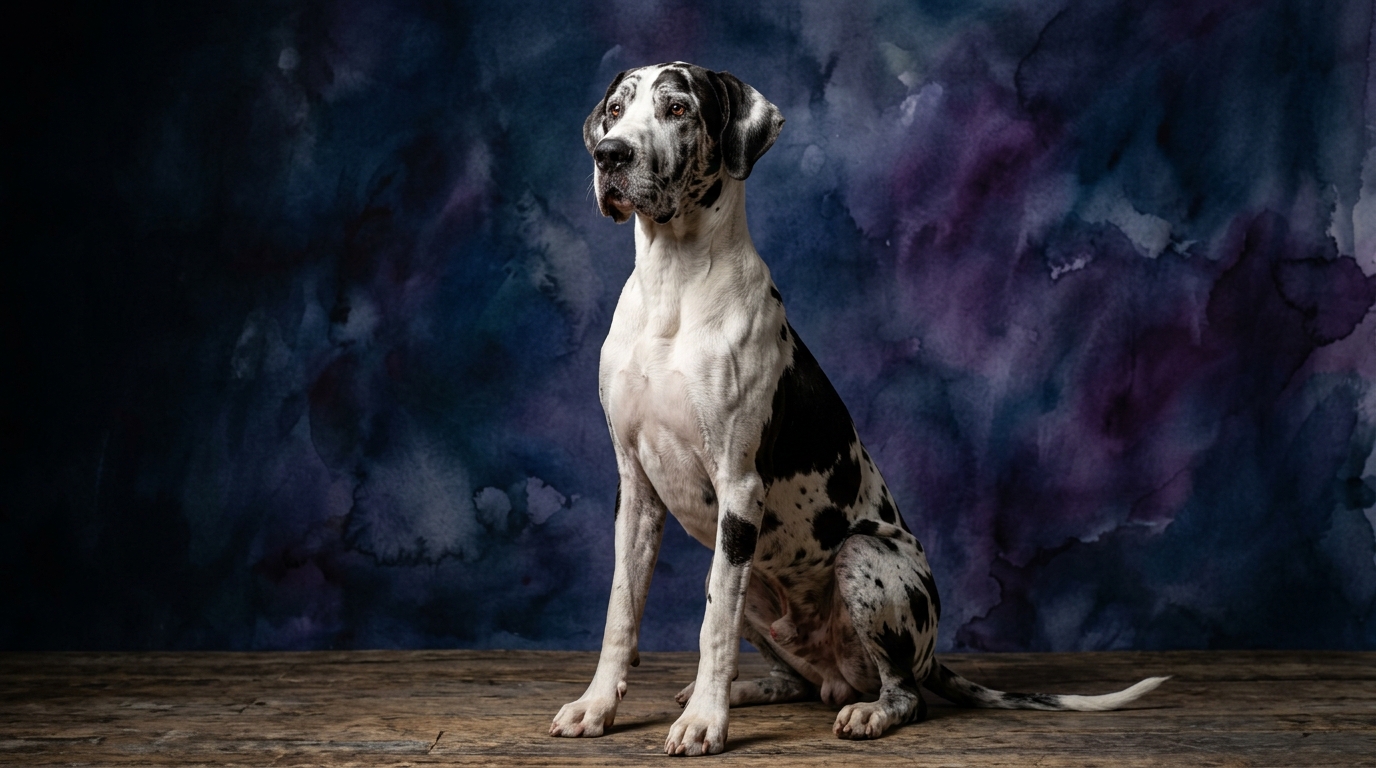
The Cosmic Pet Pet IQ Lab employs a five-dimensional framework to assess canine intelligence, moving beyond simple obedience measures to capture a more holistic view of a breed's cognitive strengths. For the Great Dane, a Working group dog ranked #48 by Coren, its profile shows a balanced set of abilities with a distinct social aptitude. Its Problem Solving is rated at 3/5, indicating a capacity for navigating familiar environments and solving straightforward puzzles, though not typically inclined towards complex, multi-step challenges without human direction. Training Speed is also 3/5, reflecting a moderate pace of learning, often aided by their desire to engage with their people. However, the Great Dane truly shines in Social Intelligence, scoring an impressive 4/5. This suggests a profound ability to read human emotions, understand household dynamics, and integrate deeply into family life, making them incredibly attuned companions. Instinctive Drive sits at 3/5, manifesting as a protective instinct rather than a strong prey drive, while Memory is 3/5, allowing them to recall routines, commands, and familiar faces effectively.
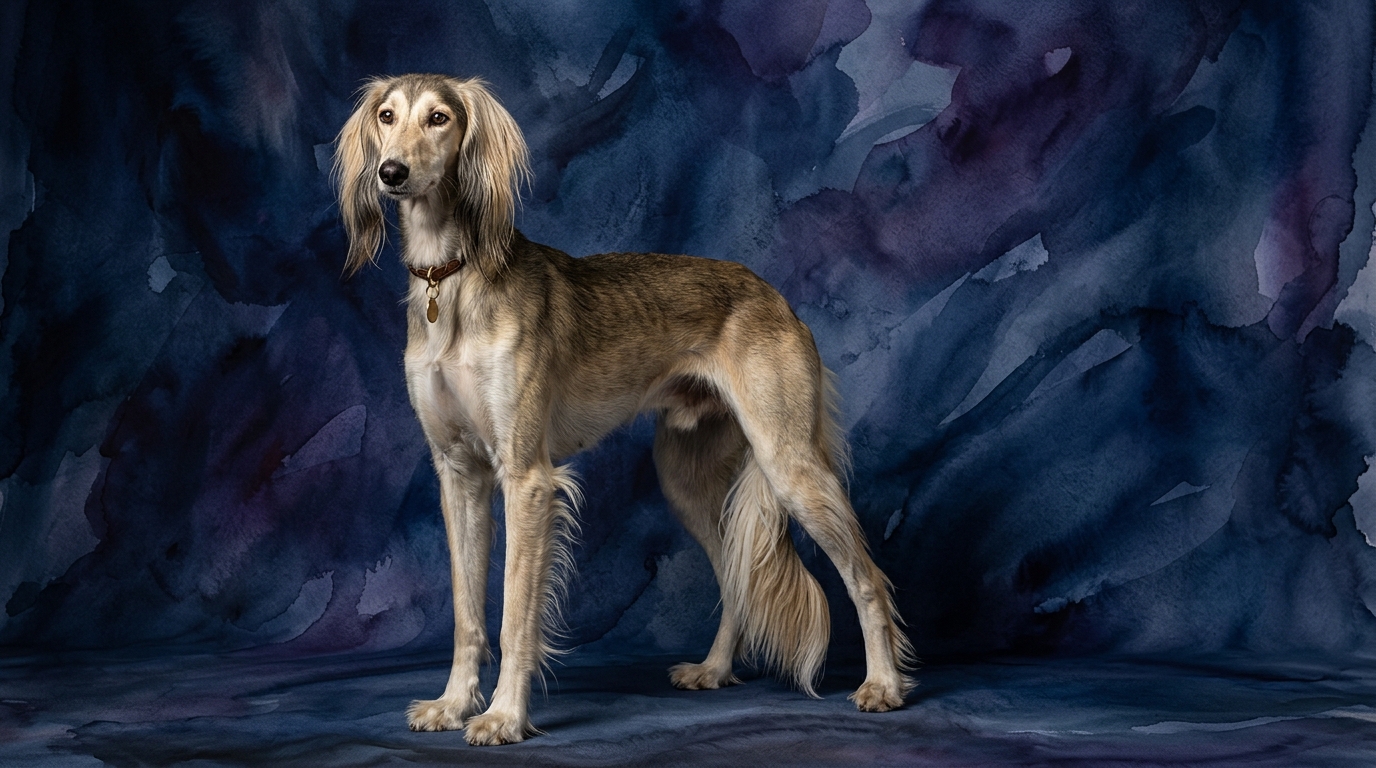
The Saluki, a Hound group dog, presents a distinct cognitive profile, notably unranked by Coren, which often indicates a breed whose intelligence is specialized and less amenable to traditional obedience metrics. Across all five dimensions—Problem Solving, Training Speed, Social Intelligence, Instinctive Drive, and Memory—the Saluki consistently scores 3/5. This isn't a lack of capacity but rather an application of intelligence geared towards its ancient purpose. Their Problem Solving is acutely honed for tasks like navigating vast open terrains and independently pursuing fast-moving prey, requiring quick, self-directed decisions. Training Speed, while moderate, is often influenced by their independent nature, meaning they learn but may choose when to comply based on their own motivations. Social Intelligence at 3/5 reflects a deep, loyal bond with their family, though they are typically more reserved with strangers and less overtly people-pleasing than some breeds. Their Instinctive Drive is powerfully geared towards sight-hunting, dictating much of their focus and energy. Finally, their Memory at 3/5 is excellent for recalling specific hunting routes, prey locations, and the boundaries of their environment, even if those boundaries are sometimes creatively circumvented.
Where the Great Dane Wins Cognitively
The Great Dane's standout cognitive strength lies squarely in its Social Intelligence, where it scores 4/5, surpassing the Saluki's 3/5. This means Great Danes possess an exceptional ability to interpret human social cues, emotional states, and household dynamics. They are incredibly intuitive companions, often anticipating their owner's needs or offering comfort during distress. This heightened social awareness makes them highly responsive to praise, affection, and gentle correction, fostering a strong desire to please and cooperate within a family unit. Their cognitive wiring is geared towards deep interpersonal connection, making them adept at integrating seamlessly into human lives and becoming true family members who understand and react to their social environment.
Where the Saluki Wins Cognitively
While the Saluki's scores are consistently 3/5 across the board, its cognitive 'wins' are found in the specialized application of these traits, particularly within its Problem Solving and Instinctive Drive. The Saluki's 3/5 Problem Solving is not about solving human puzzles, but about making rapid, independent decisions in complex, dynamic environments—like a sighthound pursuing prey. This requires exceptional spatial reasoning, rapid assessment of terrain, and the ability to adapt instantly to a chase, all without human input. Its 3/5 Instinctive Drive is a powerful, self-directed engine for these tasks, demanding a cognitive focus that allows it to excel in self-directed hunting and exploration. This independence, often misconstrued as a lack of intelligence in traditional metrics, is a highly refined cognitive skill, allowing them to operate effectively and efficiently in their historical role, making split-second decisions that would be impossible with constant human direction.
Which is Easier to Train and Why
When it comes to ease of training, the Great Dane generally holds an advantage due to its higher Social Intelligence (4/5) compared to the Saluki's 3/5. The Great Dane's strong desire to please and their attentiveness to human feedback makes them more receptive to traditional obedience training. Their moderate Training Speed (3/5) combined with their social aptitude means they are often motivated by praise and connection, making them more inclined to learn and repeat desired behaviors. They thrive on positive reinforcement and consistent guidance, aiming to maintain harmony within their human pack.
The Saluki, while possessing a similar Training Speed (3/5), approaches training with a different mindset. Their independence and powerful Instinctive Drive (3/5), particularly their prey drive, mean they are less motivated by pleasing humans and more by their own internal impulses. Training a Saluki requires immense patience, creativity, and a deep understanding of their sighthound nature. They learn commands but may choose to comply only when it aligns with their interests or when the reward is compelling enough. Recall, for instance, can be a significant challenge in an open environment once their prey drive is engaged, as their cognitive focus shifts entirely to the chase. Consistent, positive, and engaging training methods are crucial, but owners must anticipate a more independent learner who weighs their options before responding.
Which Suits Active Owners vs. Relaxed Owners
The Great Dane, despite its imposing size, can be a surprisingly relaxed companion indoors, making it suitable for owners who appreciate a more laid-back home life, provided their moderate exercise needs are met. They enjoy leisurely walks, supervised playtime in a yard, and, most importantly, ample companionship. Their high social intelligence means they thrive on human interaction and are not suited for solitary living; they need to be an integral part of the family. Owners who desire a large, gentle, and affectionate presence that integrates deeply into their daily routines will find a Great Dane a rewarding match.
The Saluki, on the other hand, is built for speed and endurance, making it best suited for active owners. While they can be calm indoors, they require significant opportunities to run at full speed in a securely fenced area. Their sighthound nature demands bursts of intense physical activity to maintain their physical and mental well-being. Owners prepared for regular, vigorous exercise, who understand the need for secure off-leash running, and who appreciate a more independent, sometimes reserved, companion will find the Saluki a captivating breed. They are not typically 'off-leash' dogs in unsecured public spaces due to their strong prey drive and speed, requiring dedicated owners who can safely provide for their unique exercise requirements.
The Verdict
Choose a Great Dane if you seek a highly social, intuitive companion who integrates seamlessly into family life and responds well to traditional training methods, provided moderate exercise and ample companionship can be offered.
Choose a Saluki if you appreciate an independent, graceful, and athletic companion with a unique cognitive style, capable of incredible speed and self-directed problem-solving, and who can provide extensive opportunities for secure off-leash running.
🧠 Find Your Pet's IQ Score
Our Pet IQ Lab assessment covers 25+ tests across 5 cognitive dimensions — personalized to your breed.
Take the Full IQ Test →Frequently Asked Questions
Are Salukis difficult to train?
Salukis are not inherently difficult to train, but their independent nature and strong prey drive mean they require a different approach than more people-pleasing breeds. Training needs to be consistent, engaging, and highly rewarding to capture their interest and encourage compliance.
Do Great Danes need a lot of exercise?
Great Danes require moderate exercise to stay healthy and happy. This typically includes daily walks and some playtime in a secure yard. While not as high-energy as some breeds, they benefit from regular activity to maintain their large frames.
Which breed is better with children?
Great Danes, with their higher social intelligence and gentle nature, often make excellent family dogs and are typically very patient with children, provided they are properly socialized and supervised. Salukis can be good with respectful children within their own family, but their reserved nature means they may not tolerate boisterous play as readily and require careful introductions.