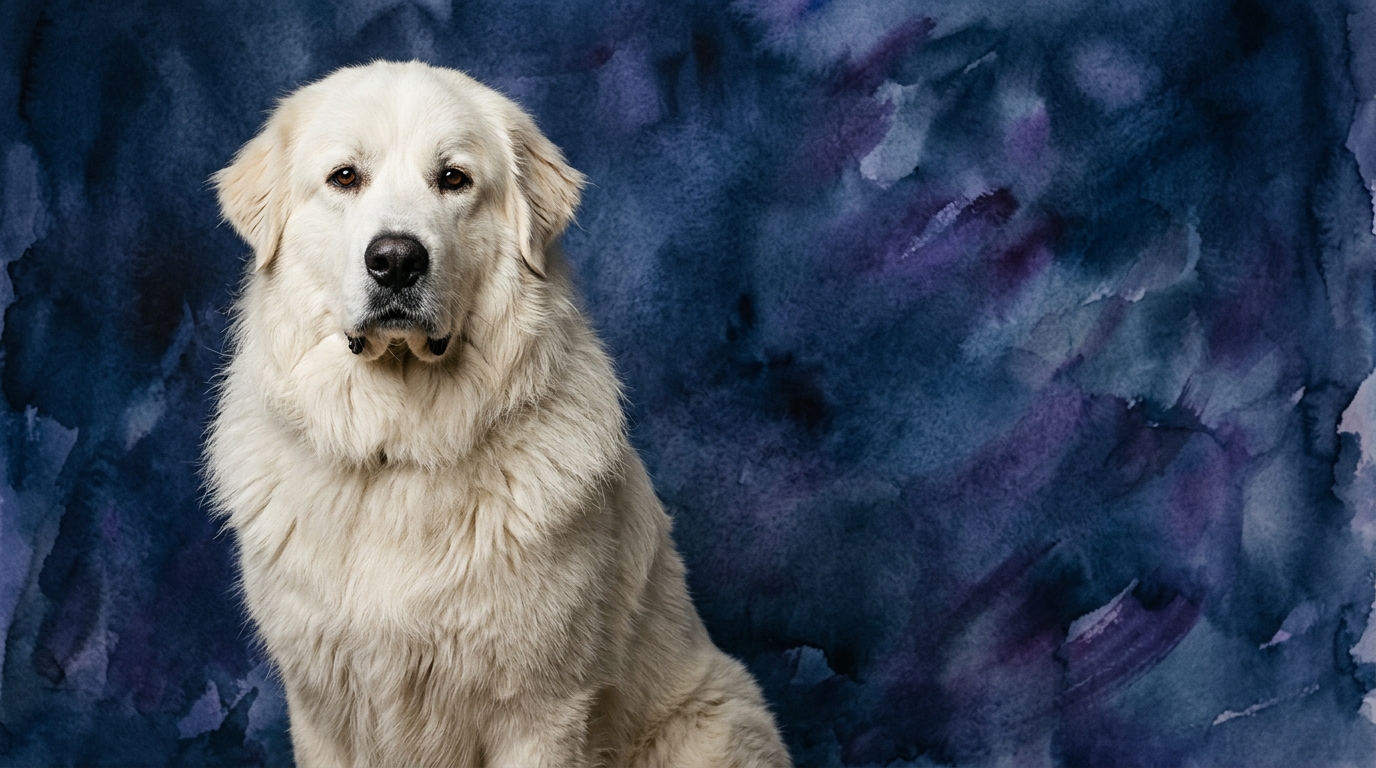

Side-by-Side IQ Profile: Great Pyrenees vs. Boerboel
At The Cosmic Pet Pet IQ Lab, we analyze canine intelligence across five crucial dimensions. For both the Great Pyrenees and the Boerboel, each dimension registers a robust 3 out of 5, indicating capable cognitive function, but their application of these skills is truly what sets them apart. Let's delve into what a 3/5 means for each breed in practice.
The **Great Pyrenees**, historically a livestock guardian, demonstrates a Problem Solving score of 3/5 by excelling at autonomous decision-making in the absence of human direction, such as assessing threats to their flock independently. Their Training Speed of 3/5 reflects a moderate learning pace, often requiring patience due to their inherent independence and tendency to question the necessity of commands. Social Intelligence, also 3/5, is evident in their keen awareness of flock dynamics and subtle environmental changes, forming deep bonds with their charges while remaining reserved with strangers. An Instinctive Drive of 3/5 highlights their powerful, unwavering guardian instinct, compelling them to protect and patrol their territory. Finally, their Memory, rated 3/5, means they possess a good recall for routines, safe boundaries, and recognizing familiar faces or potential threats, influencing their future vigilance and behavior.
The **Boerboel**, a South African mastiff type bred for guarding homes and hunting, also scores 3/5 in Problem Solving, but this manifests as strategic thinking for property defense, assessing threats to their family and acting decisively. Their Training Speed, also 3/5, indicates they learn commands at a moderate pace, often eager to please a recognized leader, though stubbornness can emerge if they perceive a lack of clear authority. Social Intelligence at 3/5 reveals a deep attunement to human family dynamics and emotions, forming profound bonds with their immediate household and shadowing their loved ones, while being discerning and wary of strangers. Their Instinctive Drive, a strong 3/5, underscores their potent territorial and protective urges, making them natural watchdogs with a notable prey drive. A Memory score of 3/5 signifies excellent recall for family members, routines, and identifying potential threats, with past interactions heavily influencing their trust and reactions.
Where the Great Pyrenees Wins Cognitively
The Great Pyrenees' cognitive strengths are deeply rooted in their millennia-old role as an autonomous livestock guardian. They win in **Autonomous Decision-Making**, showcasing a problem-solving ability geared towards independent action without constant human input. A Pyrenees excels at evaluating ambiguous threats, such as an unfamiliar shadow or distant sound, and making a judgment call to protect their flock, whether it's a subtle bark or a more direct deterrent. This is not about speed of learning a trick, but about the nuanced, critical thinking required to manage a dynamic environment alone for extended periods.
Their **Environmental Awareness and Subtle Threat Detection** is another distinct cognitive advantage. Their social intelligence is not primarily human-centric but broadly attuned to the ecosystem around them. They possess an uncanny ability to detect minute shifts in their surroundings – a change in wind direction, an unusual scent, or a slight alteration in flock behavior – signaling a potential predator long before a human would notice. This passive, vigilant intelligence, combined with their memory for safe zones and past encounters, allows for sustained, low-energy yet highly effective guardianship.
Furthermore, their **Sustained Vigilance** is a cognitive triumph. The Pyrenees integrates memory and instinctive drive to maintain continuous oversight of their territory and charges. They don't just react; they perpetually monitor. This consistent, long-term mental engagement with their environment, remembering boundaries and previous threats, allows them to be incredibly effective guardians even during periods of apparent calm, making their cognitive application unique among working breeds.
Where the Boerboel Wins Cognitively
The Boerboel's cognitive prowess is honed for active, direct protection within a family structure. They excel in **Strategic, Active Protection**. Their problem-solving at 3/5 is less about passive observation and more about decisive intervention. When a threat to their family or property is identified, the Boerboel is adept at formulating and executing a direct strategy to neutralize the danger, often involving a more assertive and physical engagement. This isn't just a reactive response; it's a calculated application of their protective instincts.
Their **Human-Centric Social Acuity** is a clear cognitive advantage. The Boerboel's social intelligence shines in its profound understanding of human family dynamics and emotional states. They are incredibly attuned to their owners' moods, intentions, and even subtle changes in body language. This allows them to act as a highly responsive companion, offering comfort or protection based on a perceived human need, often anticipating their owner's next move. They form deep, almost symbiotic bonds, making them exceptional personal guardians.
While both breeds score 3/5 in Training Speed, the Boerboel demonstrates a cognitive win in **Handler-Oriented Learning and Drive**. Their instinctive drive often includes a strong desire to work *with* their handler, seeing them as the apex of their family unit. This inherent partnership inclination means their memory for commands and routines is often reinforced by a clear chain of command and a desire to please their chosen human. They typically show a more pronounced 'work ethic' when a task is presented by an owner they respect, making them highly receptive to consistent, confident leadership.
Which is Easier to Train and Why?
When considering ease of training, the **Boerboel** generally presents as the more straightforward student for traditional obedience commands. Their handler-oriented nature and inherent desire to please a recognized leader mean they are often eager to learn and execute tasks that reinforce their role as a family guardian. With clear, consistent leadership and positive reinforcement, a Boerboel's training speed of 3/5 translates into a willingness to comply and an ability to quickly grasp new concepts. Their protective instincts, when channeled correctly, make them enthusiastic participants in training that solidifies their bond and purpose.
The **Great Pyrenees**, while also scoring 3/5 in training speed, can be more challenging for conventional obedience. Their independent problem-solving and deeply ingrained guarding instincts mean they frequently prioritize their own assessment of a situation over a human command. A Pyrenees learns commands at a moderate pace, but their *compliance* is often conditional on whether they deem the command necessary or logical from their perspective as a self-sufficient guardian. This requires a more patient, understanding approach from the owner, focusing on building trust and making training relevant to their natural inclinations rather than expecting blind obedience. They aren't disobedient; they are independently minded.
Which Suits Active Owners vs. Relaxed Owners?
For **active owners**, the **Boerboel** is generally a better fit. They thrive on having a 'job' and benefit immensely from consistent training, structured exercise, and mental stimulation. Their physical prowess and deep desire to be involved in family activities make them better suited for owners who can provide clear leadership and integrate them into an active lifestyle, whether through daily long walks, hiking, or dedicated training sessions. Their cognitive engagement is often tied to purposeful activity alongside their human companions, making them less suitable for a purely sedentary existence.
Conversely, the **Great Pyrenees** often suits more **relaxed owners**. While they need exercise, their activity is frequently more about patrolling, observing, and surveying their territory than high-intensity bursts. They are content with a secure yard to survey, a predictable routine, and plenty of opportunities for independent vigilance. Their self-sufficient nature means they don't constantly demand engagement or high-energy output, making them suitable for owners who appreciate a more reserved, watchful companion comfortable making their own judgments, provided their fundamental guarding needs for space and purpose are met.
The Verdict
Choose the Great Pyrenees if you seek an autonomous guardian who excels at independent decision-making and subtle environmental awareness, thriving with a more self-directed role. They suit patient owners who value a watchful, reserved companion comfortable making their own judgments in protection.
Opt for the Boerboel if you desire a highly dedicated, handler-oriented guardian who seeks to actively partner with you in protection and thrives on structured training and clear leadership. They are ideal for owners who can provide consistent guidance and integrate them into an engaged family life.
🧠 Find Your Pet's IQ Score
Our Pet IQ Lab assessment covers 25+ tests across 5 cognitive dimensions — personalized to your breed.
Take the Full IQ Test →Frequently Asked Questions
Do Great Pyrenees and Boerboels get along with other pets?
Great Pyrenees often integrate well with other animals, especially those they are raised to guard, viewing them as part of their flock and protecting them. Boerboels can coexist with other pets, but their strong prey drive and protective instincts require careful socialization and supervision, especially with smaller animals, to ensure harmonious living.
Are Great Pyrenees and Boerboels good with children?
Great Pyrenees are generally gentle and patient with children they consider part of their family, acting as watchful, tolerant guardians. Boerboels can be excellent family protectors, forming deep bonds with children, but their large size and protective nature mean constant supervision is always necessary to ensure appropriate, safe interactions for everyone involved.
How much exercise do these breeds need?
Great Pyrenees require moderate exercise, often content with patrolling a secure yard and daily walks, valuing mental stimulation from observation and guarding duties. Boerboels need more structured and consistent exercise, including daily walks, vigorous play, and mental challenges, to prevent boredom and channel their energy constructively for a balanced temperament.